Source Furniture Foam Compression Testing Machine for Labs
Find and compare 30 Furniture Foam Compression Testing Machine options from verified suppliers. Evaluate key specifications such as load capacity, test speed, and compliance with ISO and ASTM standards to ensure accurate hardness and durability results for your quality control needs.
Key considerations
Products List

Furniture Foam /Sponge Tensile Test Machine & Sofa Foam Compression Hardness Tester
$6000.00 - $10000.00
MOQ: 1 Pieces

Furniture Durability Test Machine Sofa Compression Testing Equipment
$8500.00 - $12000.00
MOQ: 1 Pieces


Foam Dynamic Roller Shear Compression Fatigue Furniture Test Instrument
$6000.00 - $10000.00
MOQ: 1 Pieces


Foam Compression Deformation Tester Rubber Permanent Compression Distortion Tester
$100.00 - $300.00
MOQ: 1 Sets


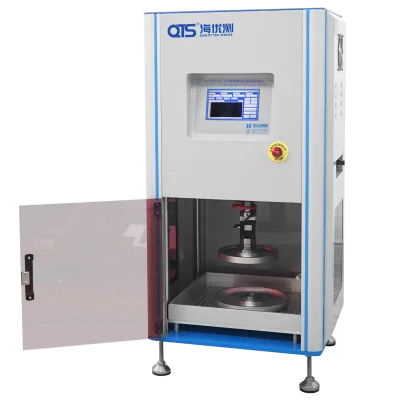


Foam Repeated Compression Tester, Automatic Repeated Tension Testing Machine
$1000.00 - $2000.00
MOQ: 1 Pieces


Comprehensive Sourcing Guide
Furniture Foam Compression Testing Machine Sourcing Guide
Selecting the right equipment for evaluating the mechanical properties of upholstery and seating components requires a clear understanding of the distinct testing methodologies involved in the furniture industry. Procurement teams must distinguish between machines designed for static hardness evaluation and those built for dynamic durability simulation, as these serve fundamentally different quality assurance purposes. The market offers specialized instruments that address specific material behaviors, ranging from the initial firmness assessment of foam blocks to the long-term resilience of complete sofa assemblies under repeated use.
This guide provides a structured approach to sourcing these critical testing devices, focusing on the technical distinctions, compliance requirements, and commercial considerations that define a successful procurement decision. By aligning machine capabilities with specific industry standards and operational needs, buyers can ensure that their quality control processes yield reliable, reproducible data. The following sections detail the essential factors to consider when evaluating suppliers and specifications for furniture foam testing equipment.
Product Scope and Observed Listing Signals
The product landscape for furniture foam testing includes distinct categories of machinery, primarily divided between compression hardness testers and durability simulators. Hardness testers, such as the HD-F750A model, are engineered to measure the resistance of foam materials to static deformation. These units typically feature a computer-controlled system with a load cell sensor and a digital display, allowing for precise measurement of force in kilograms, Newtons, or pounds. The operational parameters for these machines often include a maximum capacity of 500kg and a test stroke of up to 1200mm, accommodating a wide range of foam sample sizes.
In contrast, durability testers like the HD-F761 model are designed to simulate the wear and tear experienced by seating furniture over time. These machines utilize specific test modules, such as three-seating and backrest configurations, to apply cyclic loads to full-scale or large-scale specimens. The operational speed for these durability tests is often standardized, such as 70±5 cycles per minute, with programmable timers that allow for extensive testing durations. Understanding this distinction is crucial for buyers, as the choice between a hardness tester and a durability simulator depends entirely on whether the goal is material characterization or product lifecycle assessment.
Technical Specifications to Verify
When evaluating compression testing machines, buyers must verify the accuracy grade and control systems to ensure data reliability. High-precision instruments often feature an accuracy grade of 0 and utilize computer control for both operation and data display. The integration of a high-precision ball screw driver, such as those sourced from Taiwan, contributes to the mechanical stability and repeatability of the test strokes. Additionally, the power source is typically a single-phase AC220V supply at 50Hz, which is standard for laboratory environments in many regions, though buyers should confirm voltage compatibility with their local infrastructure.
The physical dimensions and capacity of the machine must align with the size of the workpieces being tested. For hardness testers, the maximum diameter of the workpiece is often limited to less than 500mm, with a mass scope under 900kg. The fixture design is also critical; for instance, an upper plate with a 200mm diameter and a bottom fillet radius of 1mm ensures consistent contact with the foam sample. Buyers should also check the test speed range, which can vary from 0.1 to 500mm per minute for hardness tests, allowing for flexible testing protocols that match specific material stiffness levels.
Compliance and Safety Documentation
Adherence to international testing standards is a non-negotiable aspect of sourcing furniture foam testing equipment. Machines intended for hardness testing must be capable of performing tests in accordance with recognized standards such as ISO 2439 and ASTM D3574. These standards define the procedures for determining the indentation hardness of flexible cellular materials, ensuring that the data generated is comparable across different laboratories and manufacturers. Buyers should request documentation from suppliers that explicitly states which standards the machine is calibrated to meet.
For durability testing, compliance with standards such as EN 4875 and ISO 3385-2014 is essential. These standards provide the framework for assessing the durability of seating furniture, including the specific cyclic loading patterns and holding times required for valid results. The machine’s timer and cycle control features must be adjustable to meet the precise requirements of these standards, such as setting cyclic times between 0 and 99.9 seconds. Verifying that the equipment supports these specific protocols is vital for maintaining quality assurance integrity and meeting regulatory expectations in global markets.
Cost Drivers and Commercial Terms
The cost of furniture foam testing machines is influenced by several factors, including the complexity of the control system, the precision of the mechanical components, and the inclusion of specialized fixtures. Computer-controlled units with digital displays and high-precision sensors generally command a higher price point than manual or semi-automatic alternatives. The inclusion of robust packing, such as strong wooden cases, also adds to the overall cost but is necessary to protect the sensitive instrumentation during international shipping. Buyers should consider the total cost of ownership, including installation, calibration, and maintenance, rather than just the initial purchase price.
Commercial terms such as minimum order quantity (MOQ) and lead times can vary significantly among suppliers. In many cases, MOQs are low, often starting at just one unit, which allows for flexible procurement for small laboratories or specific project needs. However, lead times may be longer for customized configurations or machines requiring specific calibration to international standards. Buyers should clarify these terms early in the sourcing process to align procurement schedules with production or quality control timelines. Additionally, the availability of after-sales support and spare parts should be considered as part of the commercial evaluation.
Supplier Qualification and Quality Control
Supplier qualification is a critical step in ensuring the reliability of the testing equipment. Buyers should prioritize suppliers located in established manufacturing hubs, such as Dongguan or Guangdong in China, where there is a concentration of expertise in testing instrument production. The origin of the machine is often a key indicator of the supply chain’s maturity and the availability of technical support. However, location alone is not sufficient; buyers must verify the supplier’s ability to provide comprehensive documentation and technical assistance.
Quality control measures implemented by the supplier directly impact the performance of the machine. Buyers should inquire about the calibration procedures used before shipment and the availability of certification for the load cells and sensors. The use of high-quality components, such as AC motors and precision ball screws, is a positive indicator of build quality. Additionally, suppliers should provide clear operating manuals and safety guidelines to ensure that the equipment is used correctly. Establishing a clear communication channel with the supplier for technical queries is essential for resolving any issues that may arise during installation or operation.
Long-Term Procurement Checks
Long-term procurement success depends on the machine’s ability to maintain accuracy and performance over time. Buyers should consider the ease of operation and maintenance when selecting a model. Machines described as easy to operate reduce the training burden on laboratory staff and minimize the risk of user error. Regular maintenance, including the inspection of the ball screw, motor, and load cell, is necessary to ensure consistent test results. Suppliers should provide a recommended maintenance schedule and the availability of replacement parts to support long-term use.
Furthermore, buyers should assess the scalability of the testing solution. As product lines evolve, the testing requirements may change, necessitating adjustments in test speed, capacity, or fixture design. Machines with adjustable parameters, such as variable test speeds and programmable timers, offer greater flexibility for future needs. Buyers should also consider the potential for software updates or upgrades to the computer control system, which can enhance data management and reporting capabilities. By focusing on these long-term factors, procurement teams can ensure that their investment in testing equipment continues to deliver value over the lifespan of the product.
FAQs
What is the maximum capacity of the foam compression hardness tester?
The maximum capacity is less than 1000KN, with a specific model rated at 500kg. This machine supports electronic load measurement and computer control for accurate compression testing of foam materials.
Which standards does the sofa durability tester comply with?
The sofa durability tester complies with EN 4875 and ISO 3385-2014 standards. It features three seating and backrest test modules to ensure furniture meets international durability requirements.
How is the test speed controlled on the compression testing machine?
The test speed is adjustable between 0.1 and 500mm per minute for general compression. Specific models offer speeds like 100 plus or minus 20mm per minute for precise material hardness evaluation.
Can the machine be customized for specific testing requirements?
Yes, customization is available for this compression testing machine. Buyers can request specific configurations to match unique testing protocols while maintaining the core electronic load and computer control features.
What is the power source required for the compression tester?
The machine requires a single-phase AC220V power source at 50Hz. This standard electrical input ensures compatibility with typical industrial facilities where these testing units are installed.
What is the maximum stroke length for the compression testing machine?
The maximum stroke length is 1200mm when including the fixture. This extended range allows for testing large foam samples or furniture components without needing to reposition the specimen.
Where are these furniture testing machines manufactured?
These machines are manufactured in Dongguan, China, with some origins listed as Guangdong. The production location ensures adherence to specific manufacturing standards for industrial testing equipment.