Source Furniture Covers TV Cover for Furniture, Garden, and Outdoor Use
Compare 30 verified listings for Furniture Covers TV Cover options including Oxford and plastic materials. Buyers can evaluate customization, weather resistance, and pricing from suppliers in China.
Key considerations
Products List




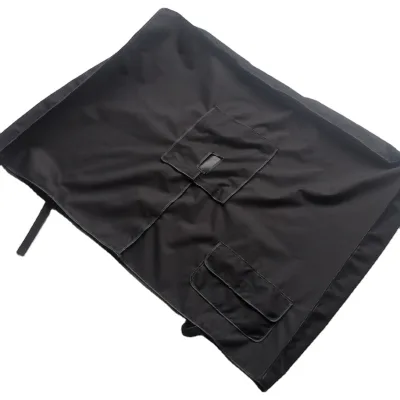
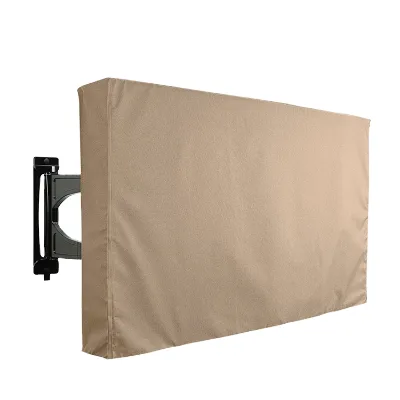
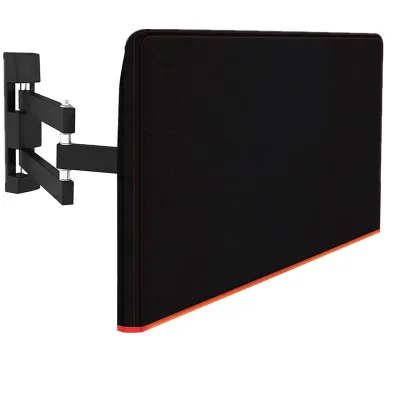

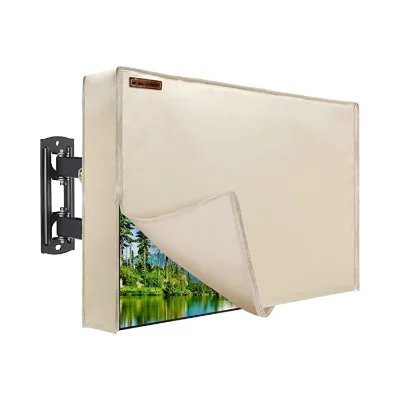


Comprehensive Sourcing Guide
Strategic Sourcing Guide for Furniture and TV Covers
Understanding Product Specifications and Material Composition
When sourcing furniture covers and TV covers, the primary objective is to identify materials that offer durability, weather resistance, and aesthetic flexibility. The market offers a diverse range of options, but the most robust solutions typically utilize high-denier Oxford fabric. In the context of heavy-duty protection, a yarn count of 600d*6000d is a critical specification to verify. This high-denier structure ensures the fabric can withstand significant mechanical stress, making it suitable for outdoor furniture protection or heavy-duty TV enclosures. The base material is often identified as Oxford, which provides a balance of tensile strength and flexibility. For buyers requiring specific visual characteristics, the fabric structure is generally described as "Yarn Form," allowing for a plain or printed pattern. The width of the webbing or fabric roll is a crucial dimension for manufacturing efficiency; standard widths often range between 2.5cm for webbing components and 58/60 inches for the main fabric body.
The physical properties of the cover are equally important. The gram weight, which indicates the density and thickness of the material, can vary significantly from 10 to 200 GSM depending on the intended application. Lighter weights may suffice for indoor dust protection, while heavier weights are necessary for outdoor weather resistance. A key differentiator in this category is the safety factor, which should ideally be rated at 7 to ensure the product does not fail under load or tension. Furthermore, the product type is frequently categorized as Tarpaulin, a material known for its impermeability and strength. Buyers must also consider the color options, which are often available in standard grey or fully customized to match brand identity or interior design schemes. The ability to customize the logo is another standard feature, allowing businesses to brand their protective covers for promotional or corporate use.
Compliance, Certification, and Environmental Standards
In the B2B procurement landscape, verifying compliance with environmental and safety standards is non-negotiable, particularly for products that may be used in residential or commercial settings. The sourcing guide emphasizes the need to check for specific eco-friendly certifications. Suppliers may offer products compliant with 3p, 6p, Reach, or Heavy Metal Free standards, but these are often optional and must be explicitly requested. It is vital to distinguish between standard products and those that have undergone specific testing for these claims. For fire safety, the industry recognizes several classification levels, including B1, B2, M1, M2, and Nfpa701. These ratings indicate the material's reaction to fire, and the availability of these options is often a key decision point for buyers operating in regions with strict fire codes.
Weather resistance is another critical compliance metric. Products are often rated for operation within a temperature range of -35°C to +70°C. This wide operational window ensures that the cover remains functional in extreme cold or heat, a requirement for outdoor furniture protection. Additionally, UV resistance is a feature that may be optional but is highly recommended for any product exposed to sunlight. The absence of UV resistance can lead to rapid degradation of the fabric, rendering the cover ineffective. Buyers should verify if the supplier offers UV-treated variants if the application involves prolonged outdoor exposure. The processing type for some components, such as plastic parts, may involve blow molding, which affects the structural integrity and finish of the final assembly. Ensuring that the product meets the specific standard of 600D or customized standards is essential for maintaining quality consistency across large orders.
Cost Drivers and Pricing Dynamics
The pricing of furniture and TV covers is influenced by a complex interplay of material costs, customization levels, and order volume. The observed price range in the market spans from $0.03 to $38.99 per unit, reflecting the vast difference between basic dust covers and high-end, weather-resistant tarpaulins. The primary cost driver is the material specification; a 600D Oxford fabric with a high gram weight and fireproof certification will naturally command a higher price than a lightweight, plain weave alternative. Customization is another significant factor. Products that require custom logos, specific colors, or unique patterns often incur additional setup and production costs. The packaging method also impacts the final price; options such as polybags, kraft paper, cartons, or pallets vary in cost, with custom packaging solutions typically being more expensive.
Order volume plays a decisive role in unit pricing. The minimum order quantity (MOQ) can range from as low as 1 piece to as high as 10,000 pieces. Suppliers often offer tiered pricing structures where the unit cost decreases as the order volume increases. For instance, an order of 10,000 pieces may qualify for a significantly lower unit price compared to a small batch of 100 pieces. The lead time is another cost consideration; standard delivery times are often around 30 days after the deposit is received. Rush orders or those requiring specific certifications may extend this timeline, potentially incurring expedited shipping or production fees. Payment terms, such as a 30% deposit via T/T, are standard and affect the cash flow dynamics of the procurement process. Buyers must factor in these variables when budgeting for a project, ensuring that the total landed cost aligns with their financial constraints.
Typical Applications and Functional Requirements
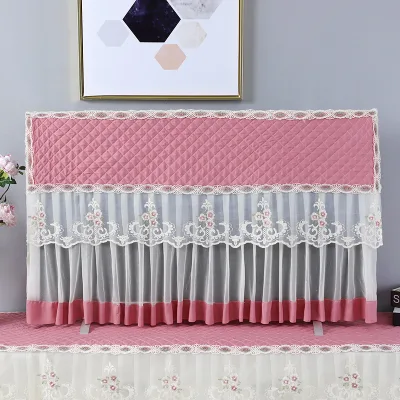
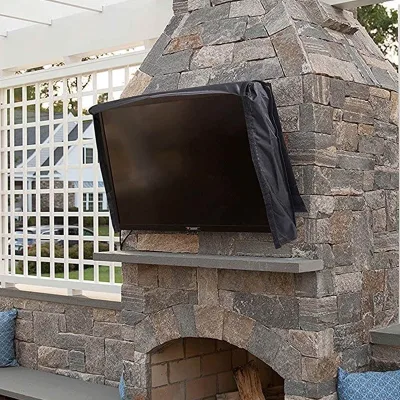
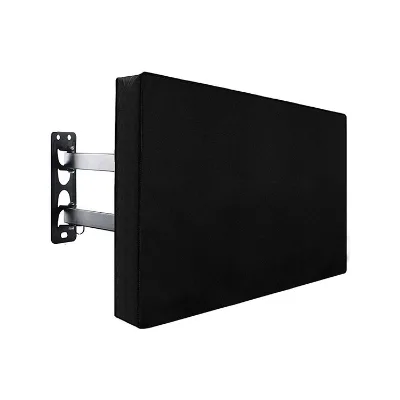
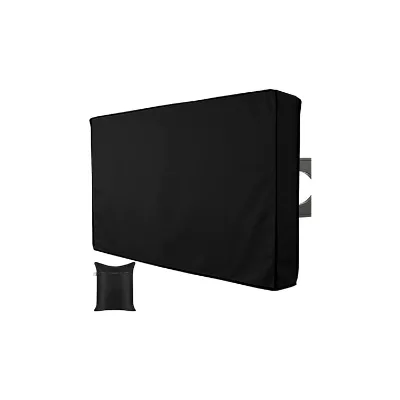
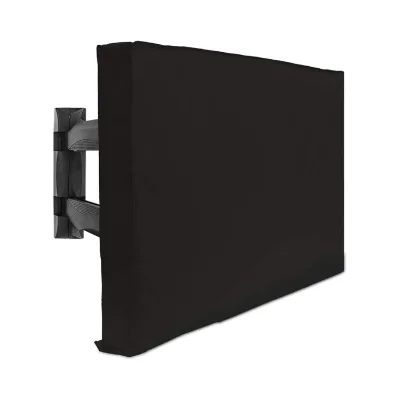
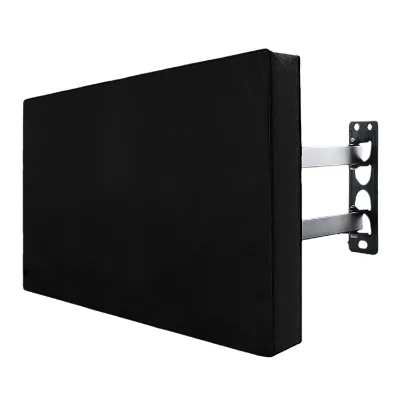
Furniture covers and TV covers serve distinct but overlapping functional requirements based on their application environment. The primary application identified is for furniture covers, which are designed to protect outdoor seating, tables, and other items from the elements. These covers must be water-proof, dust-proof, and moisture-proof to prevent damage from rain, humidity, and airborne particles. The feature set often includes recyclability, aligning with sustainability goals. For indoor applications, such as TV covers, the focus shifts slightly towards dust protection and aesthetic integration. These covers may be transparent to allow visibility of the screen while still offering protection, or they may be opaque to match room decor.
The versatility of these products is highlighted by their ability to be customized for specific models. For example, a "Garden Swing Cover" requires a specific size and shape to fit the contours of the swing, while a "Furniture cover-11" or "Furniture cover-13" may refer to specific dimensions tailored for different furniture types. The size is often customized to ensure a snug fit, preventing wind from lifting the cover and exposing the furniture. The structure of the product, whether it is a simple sheet or a complex assembly with straps, determines its suitability for the intended use. For outdoor applications, the ability to withstand temperatures ranging from -35°C to +70°C is critical. The product must also be robust enough to handle the mechanical stress of being secured and unsecured repeatedly.
Supplier Evaluation and Operational Capabilities
Evaluating potential suppliers requires a thorough assessment of their operational capabilities, geographic location, and production capacity. The supply chain for these products is predominantly centered in China, with specific manufacturing hubs in Shandong and Hangzhou. These regions are known for their textile and plastic processing industries, offering a concentration of expertise in fabric production and blow molding. When selecting a supplier, buyers should verify the origin of the product to ensure it aligns with their sourcing strategy. The supplier's ability to handle customization is a key indicator of their flexibility. Features such as OEM (Original Equipment Manufacturer) services and the ability to produce custom logos suggest a supplier capable of meeting unique client requirements.
The production model and lead time are critical factors in supplier selection. A standard lead time of 30 days after the deposit is received is common, but buyers should confirm this timeline to ensure it fits their project schedule. The sample availability is another important metric; a sample lead time of 5-7 days allows buyers to evaluate the quality of the product before committing to a large order. The packaging details, such as the use of cartons and straps, indicate the supplier's attention to logistics and product protection during transit. Buyers should also inquire about the supplier's quality control processes, particularly regarding the consistency of the 600D standard and the accuracy of the fireproof ratings. A supplier with a proven track record in handling large orders, such as those with an MOQ of 10,000 pieces, is likely to have the infrastructure to maintain quality at scale.
Quality Control and Long-Term Procurement Strategy
Implementing a robust quality control (QC) strategy is essential for mitigating risks associated with bulk procurement. Buyers should establish clear acceptance criteria based on the observed specifications, such as the yarn count, webbing width, and color consistency. Regular inspections during the production process can help identify defects early, reducing the likelihood of receiving substandard goods. For products with fireproof or eco-friendly claims, third-party testing may be necessary to verify compliance. The buyer should request test reports or certificates of analysis to confirm that the product meets the claimed standards, such as B1, B2, or Reach compliance.
Long-term procurement considerations involve building a sustainable relationship with suppliers who can adapt to changing market demands. The ability to offer customization, such as changing patterns from plain to printed or adjusting the size, is a valuable asset for future orders. Buyers should also consider the environmental impact of their procurement choices, prioritizing suppliers who offer recyclable materials and eco-friendly certifications. The payment terms, typically a 30% deposit, should be negotiated to balance cash flow needs with supplier security. By maintaining a clear understanding of the product specifications, compliance requirements, and cost drivers, buyers can make informed decisions that ensure the delivery of high-quality furniture and TV covers that meet their specific operational needs.
FAQs
What material is used for durable furniture covers?
The primary material is Oxford fabric, often structured as yarn form with a 600d*6000d yarn count. This high-denier construction ensures the cover can withstand significant mechanical stress and provides excellent durability for outdoor applications.
Can I customize the logo and color of the cover?
Yes, customization is available for both the logo and the color. Buyers can select from standard grey options or request fully customized colors to match their brand identity or specific design requirements for the furniture cover.
What is the minimum order quantity for these covers?
The minimum order quantity varies significantly depending on the specific product model. Some items have an MOQ as low as 100 pieces, while others may require a minimum order of 10,000 pieces to proceed with production.
How long does it take to receive the order after deposit?
The standard delivery detail is 30 days later after the deposit is received. This lead time applies to the production and shipping process once the initial payment terms, such as a 30% T/T deposit, are fulfilled.
Which fireproof standards are available for these covers?
Several fireproof ratings are optional, including B1, B2, M1, M2, and Nfpa701. Buyers should verify which specific certification is required for their region and request the appropriate optional rating during the sourcing process.
What is the temperature range for weather resistance?
The product is weather resistant within a temperature range of -35°C to +70°C. This wide operational window ensures the cover remains functional and protective in both extreme cold and high heat conditions.