Source Furnace Molybdenum Disilicide Heating Rod for sintering, annealing, and melting
Find 30 listings for Furnace Molybdenum Disilicide Heating Rod suitable for zirconia sintering, industrial heating processes, and high-temperature applications. Buyers can compare specifications, working temperatures, and customization options from verified Chinese manufacturers.
Key considerations
Products List

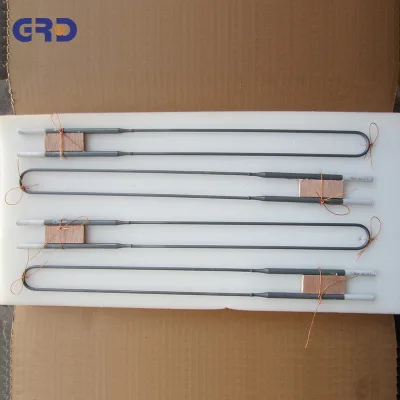


Customized Mosi2 Heating Element Molybdenum Disilicide Heating Rod for Furnace
$10.00 - $20.00
MOQ: 10 Pieces


U Type Molybdenum Disilicide Heating Element Mosi2 Heating Rod for Furnace
$30.00 - $60.00
MOQ: 10 Pieces

High Temperature Molybdenum Disilicide Mosi2 Heater Rod for Ceramic Sintering Furnace
$10.00 - $200.00
MOQ: 10 Pieces


Mosi2 Heating Element Molybdenum Disilicide Rod for Electric Sintering Furnace Kiln
$30.00 - $60.00
MOQ: 10 Pieces


High Temperature Mosi2 Heating Elements Molybdenum Disilicide Heater Rod
$1.00 - $100.00
MOQ: 2 Pieces

Molybdenum Disilicide Heating Element Mosi2 Rod Laboratory Furnace Using
$1.00 - $100.00
MOQ: 2 Pieces


Comprehensive Sourcing Guide
Strategic Sourcing Guide for Furnace Molybdenum Disilicide Heating Rods
Understanding the Core Technology and Material Composition
Molybdenum disilicide (MoSi₂) heating elements represent a critical class of high-temperature industrial components, distinguished by their unique ability to operate in oxidizing atmospheres at extreme temperatures. The fundamental material composition of these rods is molybdenum disilicide, a ceramic-metallic compound that forms a protective silica (SiO₂) glass layer on its surface when heated. This self-healing oxide layer prevents further oxidation of the underlying metal, allowing the element to function reliably in air environments where other materials would degrade rapidly.
The physical form of these elements varies based on application requirements. Common configurations include tubular shapes and U-shaped designs, which facilitate specific furnace geometries and heat distribution patterns. The rods are typically grey in color and are engineered to withstand thermal cycling without significant structural failure. When sourcing these components, buyers must recognize that the "rod" designation often refers to the heating element's structural profile, which may be straight or bent into a U-shape to fit within specific furnace chambers. The material's inherent properties make it suitable for applications requiring temperatures ranging from 1300°C to 1800°C, with some specifications indicating a broader operational window of 800°C to 1800°C depending on the specific alloy formulation and furnace atmosphere.
Technical Specifications and Operational Parameters
Selecting the correct technical specifications is paramount for ensuring compatibility with existing furnace infrastructure and achieving desired process outcomes. The dimensional parameters of MoSi₂ elements are highly customizable, with standard diameter options often cited as 3/6mm, 4/9mm, or 6/12mm. These dimensions directly influence the electrical resistance and the resulting heat output. The length and overall dimensions (length × width × height) are frequently tailored to the specific internal volume of the furnace, ensuring optimal placement and thermal efficiency.
Electrical characteristics are another critical specification. These elements operate on electric power sources, with voltage ratings typically ranging up to 380V. The power output is a function of the element's geometry and the applied voltage; for instance, specific models may be rated at 500W, though industrial applications often require higher wattage densities. The working temperature range is a defining feature, with the material capable of sustaining high-temperature environments essential for processes like sintering. Buyers should verify the specific "Used Temperature" range for their application, as some elements are optimized for 1700°C or 1800°C operations, while others may have a lower threshold.
The following table summarizes key technical attributes observed in the market for these heating elements:
| Attribute | Typical Specification Range | Notes for Verification |
|---|---|---|
| Material | Molybdenum Disilicide (MoSi₂) | Ensure purity and structure material consistency. |
| Shape | Tubular, U-shape, Rod | Verify fit within furnace chamber geometry. |
| Temperature Range | 800°C – 1800°C | Confirm max operating temp for specific process. |
| Diameter | 3mm, 4mm, 6mm, 9mm, 12mm | Check compatibility with existing holders. |
| Voltage | Up to 380V | Match with facility power supply capabilities. |
| Power Source | Electric | Standard for all industrial MoSi₂ elements. |
| Color | Grey | Visual indicator of material composition. |
Compliance, Certification, and Quality Standards
In the B2B procurement of industrial heating components, compliance with international standards and certifications is non-negotiable for safety and liability reasons. The most frequently observed certification for these elements is the CE mark, indicating conformity with health, safety, and environmental protection standards for products sold within the European Economic Area. Additionally, ISO 9001 certification is a common quality management standard held by reputable manufacturers, signifying a commitment to consistent quality control processes.
Buyers must verify that the supplier can provide valid documentation for these certifications. It is important to note that while "CE" and "ISO9001" are standard claims, the specific validity and scope of these certifications should be confirmed through official certificates rather than relying solely on product descriptions. Furthermore, the production standards for MoSi₂ elements are often defined as "as per customer's request," meaning that specific industry standards or custom technical requirements may be negotiated. The "prod_standard" field often references the MoSi₂ heater element specification itself, but buyers should explicitly request the detailed technical standard document (e.g., ASTM, DIN, or GB standards) relevant to their region and industry.
Cost Drivers and Economic Factors
The pricing of molybdenum disilicide heating elements is influenced by several variable factors, resulting in a wide observed price range from $1 to $350 USD. This variance is not indicative of quality differences alone but reflects the complexity of the order. Key cost drivers include the customizability of the element, the specific dimensions required, and the total quantity ordered. Elements with non-standard diameters or lengths often incur higher costs due to the specialized manufacturing processes involved.
The Minimum Order Quantity (MOQ) is another significant economic factor, with observed ranges typically between 1 and 12 units. This flexibility allows small-scale laboratories or pilot plants to procure single items, while larger industrial facilities may negotiate better rates for bulk orders. The "Selling Units" are often listed as single items, but the unit price usually decreases as the order volume increases. Additionally, the packaging method, such as wooden cases with foam sponge or protective material inside, adds to the overall cost but is essential for preventing damage during transit. Buyers should also consider the "Short lead time" as a potential value-add that may reduce inventory holding costs, though this should be weighed against the urgency of the procurement need.
Typical Applications and Industry Use Cases
Molybdenum disilicide heating elements are engineered for high-performance industrial applications where reliability at extreme temperatures is essential. A primary use case is in the sintering of advanced ceramics, particularly zirconia sintering for dental furnaces. The ability of MoSi₂ to maintain structural integrity and resist oxidation makes it ideal for these precision processes. Beyond dental applications, these elements are widely used in general industry heating processes, including the firing of ceramics, glass melting, and heat treatment of metals.
The "Heating capacity" of these elements is described as excellent, making them suitable for furnaces requiring rapid heating cycles and stable temperature maintenance. The "Usage" field often highlights specific applications like "zirconia sintering dental furnace," but the broader "Application" category encompasses any process requiring high-temperature heating. The "Key selling points" often include "Eco-Friendly" and "Environment-friendly" attributes, suggesting that these elements contribute to energy efficiency and reduced environmental impact compared to older heating technologies. The "Service" options, including ODM (Original Design Manufacturer) and OEM (Original Equipment Manufacturer), indicate that suppliers can tailor elements to specific furnace designs, further expanding their applicability across diverse industrial sectors.
Supplier Evaluation and Geographic Considerations
When evaluating potential suppliers for MoSi₂ heating elements, geographic origin plays a significant role in logistics and supply chain reliability. The majority of these products originate from China, with specific regions like Henan (Mainland) being prominent manufacturing hubs. This concentration of production allows for a robust supply chain but requires buyers to conduct thorough due diligence on individual suppliers. The "Brand name" associated with these elements can vary, with "GRD" being a notable example, though many suppliers operate under generic or private labels.
Buyers should prioritize suppliers who offer customization services and have a proven track record of meeting specific technical requirements. The "Advantage" of short lead times is a critical differentiator in the market, allowing for quicker project completion. However, the "Warranty" period, typically listed as 1 Year, serves as a baseline for quality assurance. It is essential to verify the warranty terms, including what constitutes a defect and the process for claims. Additionally, the "Core components" being listed as "Other" suggests that the internal structure may vary, and buyers should request detailed schematics or material breakdowns to ensure the element meets their specific performance criteria.
Quality Control and Long-Term Procurement Strategy
Implementing a robust quality control strategy is essential for the long-term success of procurement involving high-temperature heating elements. The "Feature" of being environment-friendly and the "Advantage" of short lead times are positive indicators, but they must be backed by rigorous testing. Buyers should request test results or performance data that validate the element's ability to withstand the specified temperature range and thermal cycling. The "Heat Transfer Surface" being a "Rod" implies a specific thermal profile that should be verified against the furnace's thermal simulation or historical performance data.
For long-term procurement, establishing a relationship with a supplier that offers ODM and OEM services is beneficial. This allows for the continuous improvement of the heating elements based on operational feedback. The "Product name" variations, such as "Mosi2 Heating Element" or "Furnace Heating Element," should be standardized in procurement documents to avoid confusion. Finally, the "Product packing" must be evaluated for its ability to protect the elements during shipping, as damage to these brittle ceramic rods can render them unusable. By focusing on these quality and logistical aspects, buyers can ensure a reliable supply of high-performance heating elements for their industrial operations.
FAQs
What is the working temperature range for these heating rods?
The working temperature range is 800 to 1800 degrees Celsius. This capability allows the elements to function reliably in high-temperature industrial processes like zirconia sintering and general furnace heating applications.
Which certifications do the molybdenum disilicide elements hold?
The elements typically hold CE and ISO9001 certifications. These certifications indicate conformity with safety standards and a commitment to quality management processes for the manufacturing of these high-temperature components.
Can I request custom dimensions for the heating rods?
Yes, customization is available for dimensions and specifications. Buyers can request specific diameters such as 3/6mm or 4/9mm, and the product standard can be adjusted to meet customer requirements.
How are the heating elements packaged for shipping?
The elements are packed in wooden cases with protective materials inside. This packaging often includes foam sponge or other protective material to prevent damage to the brittle ceramic rods during transit.
What is the typical lead time for these products?
A short lead time is a key advantage offered by suppliers. This efficiency helps reduce inventory holding costs and allows for quicker project completion in industrial heating process applications.
Which voltage ratings are supported by these electric heaters?
The voltage rating for these electric power source heaters is up to 380V. This specification ensures compatibility with standard industrial power supplies used in furnace operations.
What is the warranty period for the heating elements?
The standard warranty period provided is one year. This warranty serves as a baseline for quality assurance, covering defects in the molybdenum disilicide material and structure.