Source Furniture Magnetic Door Catch for hotels, apartments, and homes
Explore 30 verified listings for Furniture Magnetic Door Catch options featuring fixed or customized designs. Buyers can compare specifications, materials like iron and plastic, and installation methods for various residential and commercial applications.
Key considerations
Products List


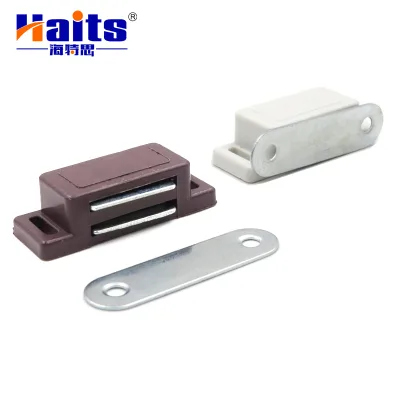


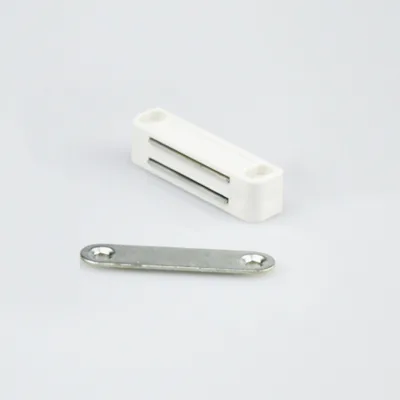


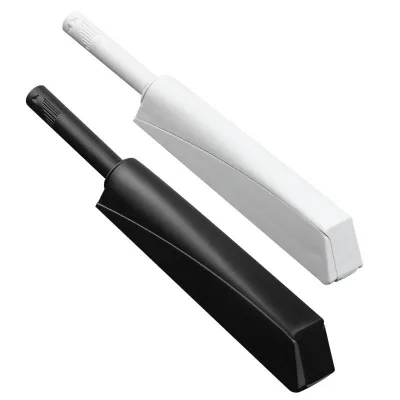


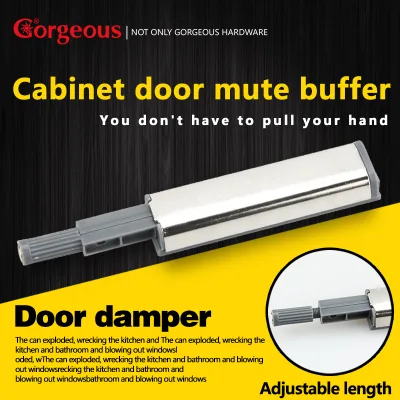

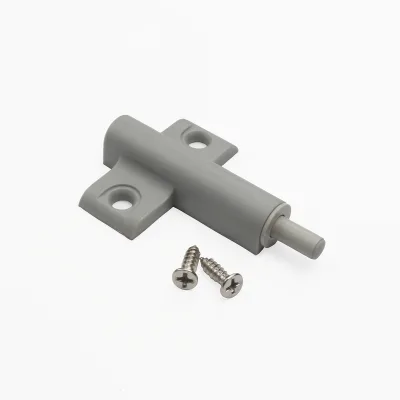


ABS Cover Durable Furniture Cabinet Application Strong Magnetic Door Catch
$0.09 - $2.59
MOQ: 100 Pieces

Comprehensive Sourcing Guide
Strategic Sourcing Guide for Furniture Magnetic Door Catches
Understanding Technical Specifications and Material Composition
When sourcing furniture magnetic door catches, the primary objective is to align product specifications with the intended application environment. The market offers a diverse range of configurations, but the core technical parameters must be scrutinized to ensure compatibility with specific furniture types. Based on observed product data, the material composition is a critical differentiator. Some units are constructed from a composite of plastic and steel, while others utilize iron or an iron-plastic hybrid. The choice between these materials directly influences the durability, weight, and corrosion resistance of the final assembly. For high-traffic areas such as hotel corridors or commercial office spaces, the iron-based variants often provide the necessary structural integrity, whereas plastic-reinforced models may suffice for lighter residential cabinetry.
The physical dimensions of the catch are equally vital. Specifications indicate that unit sizes can vary significantly, with observed dimensions ranging from compact 36mm and 45mm variants to larger assemblies measuring 38.5cm by 19.5cm by 22cm. This variance suggests that buyers must distinguish between small-scale cabinet latches and larger floor-mounted door stops. The single package size and gross weight are also key logistical indicators; for instance, a unit with a gross weight of 19.7 kg implies a heavy-duty industrial component, whereas a 15.6g unit is clearly designed for lightweight interior doors or cabinet doors. The working principle is consistently identified as permanent magnetic, which ensures a silent, non-mechanical locking action without the need for external power sources.
The finish and color options further define the aesthetic integration of the product. Available finishes include brown, white, grey, and black, with some products offering a specific "AB" finish. The design style is predominantly modern, catering to contemporary interior design trends. However, the application scope is broad, covering hotel rooms, apartments, bathrooms, home offices, bedrooms, and living rooms. Buyers must verify that the specific model's dimensions and mounting style match the furniture they are equipping. For example, a floor-mounted installation requires a different footprint and structural support compared to a surface-mounted cabinet catch. The control mechanism is typically manual, relying on the magnetic force to hold the door in place until sufficient force is applied to disengage it.
Compliance, Certification, and Safety Standards
In the B2B procurement of hardware components, compliance with safety and quality standards is non-negotiable, particularly for products installed in public or semi-public spaces like hotels and offices. While specific certification documents were not explicitly detailed in the provided product attributes, the "Project Solution Capability" and "Graphic Design" services offered by suppliers suggest a level of professionalism that often accompanies adherence to international standards. Buyers should verify that the manufacturer complies with relevant regional safety regulations, such as fire safety codes for fire doors, which are explicitly mentioned as a usage category.
The structural integrity of the door catch is paramount. The "Structure of Electromagnetic Door Stop" is described as "Normalized," indicating a standard manufacturing process, but this term should be validated against specific industry norms. For fire doors, the magnetic catch must maintain its holding power under thermal stress and ensure the door closes securely in an emergency. The force range is a critical compliance metric; observed data indicates a working force between 50N and 200N. This range is significant because it dictates the ease of opening for occupants while ensuring the door remains closed against drafts or minor impacts. Buyers must confirm that the specific unit selected meets the local building code requirements for door holding force.
Furthermore, the "After-sale Service" offering, which includes online technical support and onsite installation, serves as an indirect indicator of the supplier's commitment to quality and compliance. A supplier willing to provide onsite installation support is likely more familiar with the regulatory requirements of the installation site. However, buyers should not assume compliance based solely on service offerings. It is essential to request specific test reports or certification documents that verify the product's performance under stress, its fire rating, and its material safety. The "Warranty" period of two years is a strong indicator of the manufacturer's confidence in their product's longevity, but this warranty should be reviewed for specific exclusions related to misuse or improper installation.
Cost Drivers and Pricing Dynamics
The pricing of furniture magnetic door catches is influenced by a complex interplay of material costs, manufacturing complexity, and order volume. The observed price range in the market spans from $0.03 to $2.59 USD, reflecting the vast difference between basic, small-scale cabinet catches and heavy-duty, floor-mounted door stops. The lower end of this spectrum typically corresponds to smaller, plastic-heavy components with simpler manufacturing processes, while the higher end is associated with iron-based, heavy-duty units that require more robust machining and finishing.
Order volume is a primary driver of unit cost. The Minimum Order Quantity (MOQ) varies significantly across suppliers, with observed ranges from 1,000 pieces to 20,000 pieces. Suppliers offering an MOQ of 20,000 pieces often provide a lower per-unit price due to economies of scale, whereas those with an MOQ of 1,000 pieces may charge a premium for smaller batch flexibility. The packaging method also impacts cost; standard export packing in carton boxes is common, but custom packaging solutions, such as the 1,200 pieces per carton configuration, may incur additional fees. Buyers must balance the cost savings of bulk ordering against the inventory holding costs and the flexibility required for their specific project needs.
Additional cost factors include the customization options available. The "Customized" attribute and "Customization: Available" status indicate that buyers can request specific dimensions, colors, or finishes. While customization adds value, it inevitably increases the unit cost and may extend the lead time. The "Project Solution Capability," including graphic design services, suggests that suppliers may offer bundled solutions that could affect the overall procurement budget. Buyers should request detailed quotes that break down the costs of materials, labor, customization, and logistics to ensure transparency. It is also crucial to consider the total cost of ownership, which includes installation labor, maintenance, and the potential cost of replacement if the product fails to meet performance expectations.
Typical Applications and Installation Requirements
The versatility of magnetic door catches allows them to be deployed across a wide array of applications, from residential to commercial settings. The "Usage" attribute highlights their suitability for cabinet doors, normal doors, fire doors, and glass doors. In residential contexts, such as bedrooms and living rooms, these catches provide a clean, modern aesthetic with a silent operation that enhances the user experience. The "Design Style: Modern" aligns well with contemporary interior design trends, making them a preferred choice for new construction and renovation projects.
In commercial environments, the requirements are more stringent. Hotels and apartments demand high durability and reliability, as these products are subjected to frequent use. The "Installation: Floor Mount" and "Installation: Floor Mounted" attributes indicate that certain models are designed for heavy-duty applications where the catch is integrated into the floor or a heavy threshold. This is particularly relevant for fire doors, where the catch must ensure the door remains closed to prevent the spread of smoke and fire. The "Working Principle: Permanent Magnetic" is ideal for these applications as it eliminates the risk of mechanical failure associated with spring-loaded mechanisms.
Installation complexity varies based on the product type. While some units are designed for easy installation, others may require professional onsite support, as indicated by the "After-sale Service: Onsite Installation" attribute. The "Single package size" and "Carton size" provide essential data for logistics planning, ensuring that the products can be transported and stored efficiently. Buyers must assess the installation requirements of their specific project, considering factors such as the type of door, the mounting surface, and the available space. For glass doors, the magnetic force must be calibrated to hold the glass securely without causing stress fractures. The "Feature: Easy Installation, Durable" suggests that many products are designed to minimize installation time while maintaining long-term performance, but verification of the specific installation instructions is necessary for each model.
Supplier Evaluation and Quality Control Protocols
Selecting the right supplier is a critical step in the procurement process. The "Brand Name: Haits" is one example of a supplier in the market, but buyers should evaluate suppliers based on a comprehensive set of criteria rather than brand recognition alone. Key evaluation factors include the supplier's production capacity, quality control processes, and ability to meet customization requests. The "Customized" and "Customization: Available" attributes suggest that the supplier has the flexibility to adapt products to specific buyer needs, which is a valuable capability for large-scale projects.
Quality control should be a central focus during the supplier evaluation. Buyers should inquire about the supplier's internal quality assurance processes, including material inspection, in-process testing, and final product verification. The "Warranty: 2 Years" is a positive indicator, but it should be backed by a robust quality control system that minimizes the risk of defects. The "Feature: Durable" claim should be substantiated by test data or third-party certifications. Buyers should also assess the supplier's ability to handle large orders, as indicated by the "MOQ: 20000PCS" and "MOQ: 1000PCS" ranges. A supplier with a high production capacity is better equipped to handle urgent orders and scale production as needed.
Logistics and packaging are also important considerations. The "Package: 1200PCS/CTN" and "Packing: Carton Boxes" details provide insight into the supplier's packaging standards. Buyers should ensure that the packaging is robust enough to protect the products during transit, especially for heavy-duty units with a gross weight of 19.7 kg. The "Place of Origin: Guangdong, China" and "prod_origin: China" indicate that the products are manufactured in a major industrial hub, which can offer advantages in terms of supply chain efficiency and cost competitiveness. However, buyers should verify the supplier's logistics capabilities to ensure timely delivery and reliable shipping.
Long-Term Procurement and Relationship Management
Building a long-term relationship with a reliable supplier is essential for consistent product quality and supply chain stability. The "After-sale Service: Online Technical Support, Onsite Installation" attribute highlights the importance of post-purchase support. A supplier that offers comprehensive after-sales service demonstrates a commitment to customer satisfaction and product performance. Buyers should prioritize suppliers who are willing to provide ongoing technical support and assistance with installation issues.
The "Project Solution Capability: graphic design" suggests that some suppliers offer value-added services that can help buyers streamline their procurement process. These services can include product customization, packaging design, and technical consultation. By leveraging these capabilities, buyers can reduce the complexity of their procurement process and ensure that the products meet their specific requirements. Long-term procurement also involves monitoring market trends and technological advancements. The "Design Style: Modern" and "Finish: Brown/White" trends indicate that the market is evolving, and buyers should stay informed about new developments to ensure their products remain competitive.
Finally, buyers should establish clear communication channels and performance metrics with their suppliers. Regular reviews of product quality, delivery times, and customer service can help identify areas for improvement and ensure that the partnership remains mutually beneficial. The "Warranty: 2 Years" provides a baseline for product reliability, but ongoing performance monitoring is necessary to maintain high standards. By focusing on long-term relationship management, buyers can secure a steady supply of high-quality magnetic door catches that meet their evolving needs.
FAQs
What materials are used for furniture magnetic door catches?
These catches are constructed from plastic combined with steel or iron. Some models utilize an iron and plastic hybrid to balance durability with weight. The material choice depends on whether the application requires heavy-duty support for commercial spaces or lighter options for residential cabinetry.
Which installation types are available for these magnetic catches?
Available installation methods include floor mount and floor mounted configurations. These units are designed for permanent magnetic holding without external power. Buyers must verify that the specific mounting style matches their door or cabinet requirements before ordering.
Can buyers request customized dimensions for these door catches?
Yes, customization is available for specific project needs. Suppliers offer options to modify dimensions, colors, and finishes like brown or white. Custom orders may affect the minimum order quantity and lead time, so buyers should confirm details with the manufacturer.
How does the working principle of these catches function?
The working principle relies on permanent magnetic force to hold doors securely. This mechanism ensures silent operation and eliminates mechanical failure risks associated with springs. It is suitable for normal doors, fire doors, and glass doors in various environments.
What is the typical warranty period for these products?
The standard warranty period for these items is two years. This coverage indicates the manufacturer's confidence in product durability and performance. Buyers should review warranty terms for specific exclusions related to misuse or improper installation conditions.
Which applications are suitable for these magnetic door catches?
These catches are designed for use in hotels, apartments, bathrooms, and home offices. They function effectively on cabinet doors, normal doors, and fire doors. The modern design style fits well in bedrooms and living rooms requiring clean aesthetics.
What is the minimum order quantity for bulk purchases?
Minimum order quantities vary, with observed ranges starting from 1,000 pieces up to 20,000 pieces. Higher volumes often result in lower per-unit costs due to economies of scale. Buyers should check specific supplier requirements as MOQs depend on customization and packaging needs.