Source Furniture Protection Moving Blanket for Home, Hospital, Hotel
Compare 30 listings for Furniture Protection Moving Blanket options featuring anti-slip, waterproof, and soundproof properties. Buyers can evaluate specifications like thickness, material, and customization availability from verified Chinese manufacturers.
Key considerations
Products List


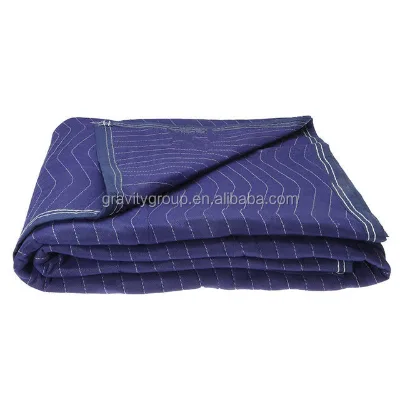


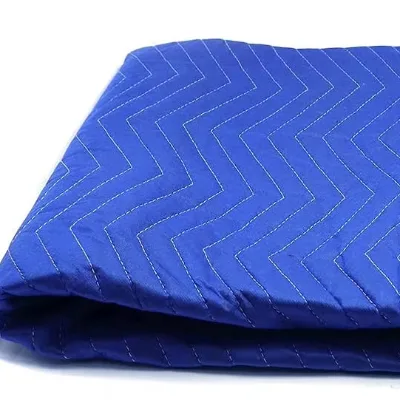
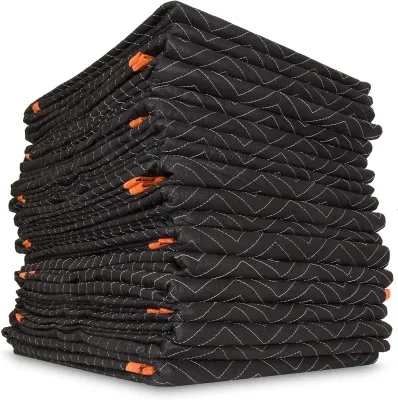
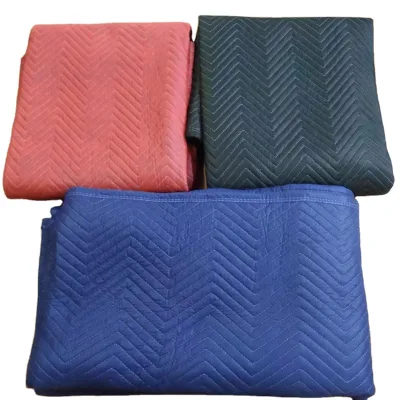
durable common size 35lbs 12 pack furniture moving pads storage removal blanket
$2.97 - $3.50
MOQ: 2000 pieces
Comprehensive Sourcing Guide
Furniture Protection Moving Blanket Sourcing Guide
Sourcing furniture protection moving blankets requires a clear understanding of the dual nature of these products, which serve both as protective packaging materials and, in some configurations, as sound-dampening or thermal insulation tools. The market offers a wide variety of options ranging from basic nonwoven felts to quilted polyester-cotton blends, each suited for different logistical needs. Buyers must distinguish between simple dust covers and heavy-duty moving blankets designed to withstand the rigors of transport, storage, and handling. The decision often hinges on the specific weight of the items being protected, the frequency of reuse, and the environmental conditions of the storage or transit environment.
This guide focuses on the procurement of high-quality moving blankets, emphasizing the verification of material composition, structural integrity, and functional features such as anti-static and anti-tear properties. By aligning product specifications with actual use cases—whether for residential moves, commercial logistics, or hospital equipment transport—procurement teams can avoid costly mismatches between product capabilities and operational demands. The following sections provide a structured approach to evaluating suppliers, verifying technical claims, and establishing long-term supply chain reliability for these essential protective goods.
Product Scope and Observed Listing Signals
The current market landscape for furniture protection moving blankets reveals a diverse range of product forms, primarily categorized by their material composition and structural design. Observed listings indicate a strong presence of nonwoven felt products, often made from polyester or polyester-cotton blends, which are marketed for their affordability and single-use or limited-reuse capabilities. These products frequently feature quilted designs to enhance durability and provide a degree of soundproofing, making them suitable for protecting delicate furniture surfaces during transit. Additionally, there are specialized variants designed for specific applications, such as moving blankets that double as soundproofing materials for home or commercial use, highlighting the versatility of this product category.
Listing signals also point to significant customization options available from suppliers, including the ability to accept custom logos and designs, which is crucial for branding purposes in commercial logistics or rental services. The observed product range includes various thicknesses and weights, with some products specifying a weight range of 250-860 GSM/M2, indicating a spectrum from lightweight dust covers to heavy-duty protective blankets. Buyers should note that while many products are marketed as "eco-friendly" or "anti-static," these attributes are often specific to certain models or material grades, such as Grade A polyester, and require careful verification against the specific needs of the shipment or storage environment.
Technical Specifications to Verify
When evaluating moving blankets, the material composition is the primary technical factor that determines durability, protection level, and cost. Buyers should verify whether the blanket is made from 100% polyester, a polyester-cotton blend, or a chemical fiber nonwoven material, as each offers different levels of tear resistance and moisture management. For instance, polyester-cotton blends may offer better breathability and softness, reducing the risk of scratching delicate finishes, while pure polyester nonwovens might provide superior water resistance and lower cost for single-use scenarios. It is essential to confirm the fabric grade, such as Grade A, which often implies a higher density of fibers and better overall quality compared to lower-grade alternatives.
Structural specifications, including thickness, weight, and dimensions, are equally critical for ensuring adequate protection. Buyers must verify the GSM (grams per square meter) to understand the blanket's density and protective capacity, with heavier GSM values generally offering better cushioning and tear resistance. Standard dimensions such as 72"x80" or 72"x40" should be confirmed to ensure compatibility with the furniture sizes being protected. Additionally, features like anti-static, anti-bacterial, and anti-tear properties should be validated through supplier documentation, as these attributes can significantly impact the safety of sensitive electronics or medical equipment during transport.
Compliance and Safety Documentation
Safety and compliance documentation are vital for moving blankets, especially when they are used in environments with strict hygiene or fire safety regulations, such as hospitals or hotels. Buyers should request evidence of any relevant certifications, particularly if the product is marketed as anti-bacterial or eco-friendly, to ensure that these claims are substantiated by recognized testing standards. While specific certification names may vary by region, buyers should inquire about compliance with local fire retardancy standards, as many moving blankets are required to meet specific flame resistance criteria to prevent the spread of fire during storage or transit.
Furthermore, documentation regarding the chemical composition of the materials used in the blanket is essential, particularly if the product is intended for use in sensitive environments or if it will be in direct contact with food-grade or medical equipment. Buyers should verify that the materials do not contain harmful substances that could off-gas or contaminate protected items. Requesting a material safety data sheet (MSDS) or a declaration of conformity can help ensure that the moving blankets meet all necessary health and safety requirements, providing peace of mind for end-users and regulatory compliance for the procurement team.
Cost Drivers and Commercial Terms
The cost of moving blankets is influenced by several key factors, including material quality, thickness, and the level of customization required. Higher GSM values and premium materials like polyester-cotton blends typically command higher prices due to increased material costs and manufacturing complexity. Buyers should also consider the impact of customization, such as printed logos or specific color requirements, which may incur additional setup fees or minimum order quantity (MOQ) requirements. Understanding these cost drivers allows procurement teams to balance budget constraints with the need for adequate protection and durability.
Commercial terms, including MOQs and packaging details, play a significant role in the overall procurement strategy. Observed MOQs can range from 50 to 2000 pieces, depending on the supplier and the level of customization, so buyers should negotiate terms that align with their inventory needs and cash flow. Packaging is another critical aspect, with products often supplied in bales or cartons, and buyers should verify the packaging details to ensure efficient storage and handling. Additionally, lead times and port of dispatch options, such as Shanghai or Ningbo, should be discussed to ensure timely delivery and minimize logistical disruptions.
Supplier Qualification and Quality Control
Supplier qualification is a critical step in ensuring the reliability and consistency of moving blanket supplies. Buyers should assess suppliers based on their production capacity, quality control processes, and ability to meet specific technical requirements. Suppliers with a proven track record in producing high-quality nonwoven or quilted blankets, and those who offer customization services, are often better equipped to meet diverse procurement needs. It is also important to verify the supplier's location and origin, as this can impact shipping costs and lead times, with many suppliers operating out of regions like Zhejiang, China, known for their textile manufacturing capabilities.
Quality control measures should be clearly defined and agreed upon before placing orders. Buyers should request samples to evaluate the physical properties of the blankets, such as tear resistance, softness, and dimensional stability. Establishing clear acceptance criteria for defects, such as uneven stitching or material inconsistencies, is essential for maintaining quality standards. Additionally, buyers should inquire about the supplier's ability to provide batch-to-batch consistency and their process for handling quality issues, ensuring that any discrepancies can be resolved promptly and effectively.
Long-Term Procurement Checks
Long-term procurement success depends on establishing a robust relationship with suppliers and implementing continuous improvement processes. Buyers should regularly review supplier performance metrics, including on-time delivery rates, product quality consistency, and responsiveness to issues. This ongoing evaluation helps identify potential risks and opportunities for improvement, allowing procurement teams to make informed decisions about supplier partnerships. Additionally, staying informed about market trends and technological advancements in moving blanket materials can help buyers identify new opportunities for cost savings or enhanced product performance.
It is also important to maintain open communication with suppliers regarding future needs and potential changes in product specifications. This proactive approach ensures that suppliers are prepared to meet evolving demands and can provide valuable insights into new materials or designs that may better suit the buyer's requirements. By fostering a collaborative relationship with suppliers, buyers can benefit from priority treatment, better pricing, and access to innovative solutions, ultimately enhancing the efficiency and effectiveness of their procurement operations for furniture protection moving blankets.
FAQs
What customization options are available for these moving blankets?
Customization is available for these furniture protection moving blankets. Buyers can request specific designs, logos, and dimensions to match their needs. The product supports customer designs and allows for customized logos on the packaging or the blanket itself.
Which materials are used to make these soundproof moving blankets?
These blankets are primarily made from 100% polyester or a blend of polyester and cotton. Some variants use chemical fiber with a needle-punched or nonwoven technics. The material grade is specified as Grade A to ensure durability and soundproofing performance.
How thick are the standard furniture protection moving blankets?
The standard thickness for these moving blankets is 8mm. This dimension provides adequate cushioning for furniture during transport. The product is designed to be anti-tear and waterproof while maintaining this specific thickness profile.
Can I order these blankets with a minimum quantity of 50 pieces?
Yes, the minimum order quantity is 50 pieces for certain models. This low MOQ allows buyers to test the market before placing larger orders. The supply ability supports up to 120,000 pieces per month for larger volume requirements.
What features do these blankets offer for home and commercial use?
These blankets feature anti-slip, anti-static, anti-bacterial, and eco-friendly properties. They are suitable for home, commercial, hospital, and hotel environments. The design is modern with plain or solid patterns to fit various interior styles.
Where are these furniture protection blankets manufactured and shipped from?
The products originate from Zhejiang, China, with dispatch ports in Shanghai or Ningbo. The standard size is 72 inches by 80 inches, though other dimensions like 72 by 40 inches are available. Packaging is typically done in bales or cartons.