Source Galvanized Ringlock Rosetto for Building, Repair, and Maintenance
Compare 30 listings for Galvanized Ringlock Rosetto scaffolding systems featuring steel grades Q355 and Q235. Buyers can evaluate tube sizes, surface treatments, delivery times, and component options from verified Chinese manufacturers to find the best fit for their specific project requirements.
Updated
Key considerations
Products List


Scaffolding Ringlock System Rosette 48mm Spigot Q235 Layher Round Ring Collar Base
$2.99 - $9.99
MOQ: 5000 Pieces
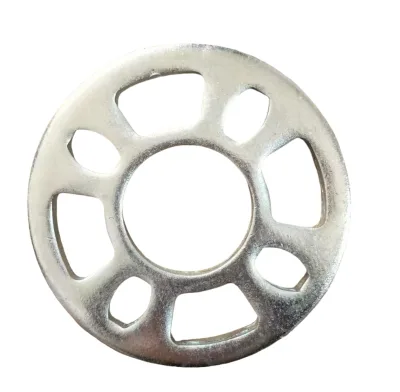
Hot Selling Galvanized Ringlock Rosette Ringlock Scaffolding Accessories
$0.79 - $0.89
MOQ: 500 pieces


Scaffolding Components Ringlock Rosette/Standard/Ledger/ for Scaffold System
$900.00 - $1500.00
MOQ: 1 Tons


Self Color Multidirectional Ringlock Modular Scaffolding Accessories Rosette
$0.50 - $1.50
MOQ: 5000 Pieces


Comprehensive Sourcing Guide
Galvanized Ringlock Rosetto Sourcing Guide
Product Scope and Observed Listing Signals
The Galvanized Ringlock Rosetto system represents a versatile modular scaffolding solution widely available from Chinese manufacturers, with observed listings indicating a broad spectrum of configurations. Buyers encounter products described as combined scaffolding, mobile units, and fixed structures, often constructed from metal materials such as steel with specific grades like Q355, Q235, or Q195b welded tubes. The observed price range spans from $0.1 to $1500, reflecting the diversity of components available, from individual rosettes to complete system packages. This variability requires careful evaluation to ensure that the quoted price aligns with the specific structural requirements and component quality expected for the project.
Listing signals reveal that customization is generally available, allowing buyers to tailor ledger lengths, tube sizes, and accessory components to specific site needs. Common specifications include tube sizes of 48.3mm and 60.3mm with varying wall thicknesses, and ledger lengths ranging from 0.6m to 3.0m. The observed minimum order quantities (MOQ) vary significantly, ranging from 1 ton to 20 tons, which impacts procurement planning for smaller versus large-scale construction projects. Understanding these listing signals helps buyers identify suppliers who can meet their specific volume and customization requirements without overcommitting to excessive inventory.
Technical Specifications to Verify
Verifying technical specifications is critical when sourcing ringlock scaffolding, as the system relies on precise dimensional accuracy for structural integrity. Buyers should confirm the standard tube dimensions, typically 48.3mm or 60.3mm in diameter, and ensure the wall thickness matches the required load-bearing capacity, with observed options including 2.75mm, 3.2mm, and 3.25mm. The rosetto design, which facilitates rapid assembly, must be compatible with the selected system, whether it is the 48mm or 60mm system. Additionally, the steel grade, such as Q355 or Q235, must be verified to ensure it meets the mechanical properties required for the intended application, whether for internal or external erection.
Component completeness is another vital technical aspect, as the system includes standard poles, ledgers, braces, brackets, toe boards, and base plates. Buyers should verify that all necessary parts, such as base collars, catwalks, and staircases, are included or available as add-ons. The surface treatment, typically hot-dip galvanized, provides corrosion resistance and durability, which is essential for long-term use in various environmental conditions. Ensuring that the welding technology and manufacturing processes adhere to consistent quality standards will prevent structural failures and ensure the scaffolding system performs reliably under load.
Compliance and Safety Documentation
Compliance with safety standards is paramount in scaffolding procurement, as the system supports workers and materials at height. Buyers should request documentation confirming adherence to relevant safety standards, such as EN 12811-1 or EN 74-1, although specific certification status should be verified directly with the supplier. The factory’s quality management system, potentially certified under ISO 9001, indicates a commitment to consistent manufacturing processes. Additionally, certifications like BSCI or CE may be relevant depending on the destination market and client requirements, ensuring that the product meets international safety and ethical manufacturing norms.
Safety documentation should also include test reports and load-bearing capacity certifications for the specific components being purchased. Buyers must ensure that the scaffolding system is designed and tested for the intended use, whether as a mobile unit, fixed structure, or projecting scaffolding. The inclusion of safety accessories, such as toe boards and guardrails, is essential for preventing falls and ensuring worker safety. Verifying that the supplier provides comprehensive safety manuals and installation guidelines helps ensure that the scaffolding is erected correctly, minimizing the risk of accidents on site.
Cost Drivers and Commercial Terms
Cost drivers for galvanized ringlock scaffolding include material prices, manufacturing complexity, and surface treatment processes. The choice of steel grade, tube thickness, and galvanization quality significantly impacts the final price. Buyers should consider the total cost of ownership, including transportation and installation, rather than just the unit price. Observed delivery times range from 20 to 30 days after confirmation, which affects project scheduling and cash flow. Understanding these cost drivers helps buyers negotiate better terms and select suppliers who offer the best value for their specific project needs.
Commercial terms, such as payment methods and packaging, also influence the overall procurement cost. Typical payment terms include T/T, and packaging options range from woven bags with pallets to steel pallets, which affect handling and storage costs. Buyers should clarify the MOQ and any additional charges for customization or expedited delivery. Clear communication regarding these terms prevents unexpected costs and ensures that the procurement process runs smoothly. Evaluating the supplier’s flexibility in accommodating specific commercial requirements can lead to more favorable agreements and better project outcomes.
Supplier Qualification and Quality Control
Supplier qualification involves assessing the manufacturer’s production capabilities, quality control processes, and track record. Buyers should verify the supplier’s factory certifications and inspect their quality control procedures to ensure consistent product quality. The origin of the products, often from regions like Rizhao, Shandong, can provide insights into the supplier’s industrial base and expertise. Requesting samples or visiting the factory, if possible, allows buyers to evaluate the manufacturing process and product quality firsthand. This due diligence helps mitigate the risk of receiving substandard products that could compromise safety and project timelines.
Quality control checks should include visual inspections for surface defects, dimensional accuracy, and proper galvanization. Buyers should establish clear acceptance criteria and inspection protocols before production begins. Regular communication with the supplier during the manufacturing process helps identify and address any issues early. Additionally, third-party inspection services can provide an objective assessment of the product quality before shipment. Implementing robust quality control measures ensures that the scaffolding system meets the required specifications and performs reliably in the field.
Long-Term Procurement Checks
Long-term procurement checks focus on maintaining supplier performance and product quality over time. Buyers should conduct regular audits and performance reviews to ensure that the supplier continues to meet quality and delivery standards. Monitoring market trends and material price fluctuations helps buyers anticipate cost changes and adjust procurement strategies accordingly. Building a strong relationship with the supplier can lead to better pricing, priority production, and improved support during critical project phases. Continuous evaluation of the supplier’s capabilities ensures that the procurement process remains efficient and effective.
Feedback from site personnel on the scaffolding system’s performance and ease of use is valuable for future procurement decisions. Buyers should document any issues or improvements needed and share this feedback with the supplier. This collaborative approach helps refine product specifications and enhances the overall quality of the scaffolding system. Additionally, staying informed about industry advancements and new technologies allows buyers to adopt innovative solutions that improve safety and efficiency. Long-term procurement checks ensure that the scaffolding system continues to meet the evolving needs of the construction projects.
FAQs
What materials are used for Galvanized Ringlock Rosetto scaffolding?
Galvanized Ringlock Rosetto scaffolding is primarily constructed from metal, specifically steel grades such as Q355, Q235, and Q195b welded tubes. The raw material often includes Q345 steel to ensure structural integrity. These components undergo a hot-dip galvanizing process to provide durable surface protection against corrosion, ensuring longevity in various construction environments.
What are the standard tube sizes for ringlock scaffolding systems?
Standard tube sizes for ringlock scaffolding systems include 48.3*3.2mm, 48.3*2.75mm, and 60.3*3.2mm. These dimensions correspond to the 48mm and 60mm system standards. The wall thickness options typically range from 0.9mm to 3.0mm, allowing for flexibility in load-bearing requirements and specific project structural needs across different scaffolding configurations.
What is the typical lead time for delivery of scaffolding components?
The typical delivery time for scaffolding components is approximately 20 to 30 days after confirmation. This timeframe allows for production and quality assurance processes. Buyers should note that specific lead times may vary based on order volume and customization requirements, so early planning is recommended to align with project schedules and ensure timely site availability.
How are ringlock scaffolding components packaged for shipment?
Ringlock scaffolding components are packaged using steel pallets, steel strips, or woven bags with pallets. This method ensures secure transport and prevents damage during logistics. The packaging is designed to protect the hot-dip galvanized surface and maintain the integrity of the standard, ledger, brace, and bracket components, facilitating efficient handling and storage upon arrival at the construction site.
What customization options are available for scaffolding systems?
Customization is available for scaffolding systems, including ledger lengths such as 0.6m, 0.9m, 1.2m, 1.5m, and 1.8m, or as per request. Buyers can also specify vertical tube sizes ranging from 0.5m to 3m. Additional components like base collars, catwalks, and staircases can be tailored to meet specific project requirements and structural configurations.
What is the minimum order quantity for scaffolding products?
The minimum order quantity for scaffolding products varies, with some listings requiring 1 ton and others specifying 20 tons. This range allows flexibility for different project scales. Buyers should verify the specific MOQ with suppliers, as it depends on the product type, packaging method, and current inventory status, ensuring alignment with procurement budgets and logistical capabilities.