anti-slip step aluminum alloy ladder Suppliers and Manufacturers
Compare 27 verified suppliers offering anti-slip step aluminum alloy ladders with details on lead times, response times, and certifications. Review product specifications like load capacity and material grades to select the right factory for your needs; review the available evidence before requesting comparable quotations from suitable candidates.
Updated
Suppliers List
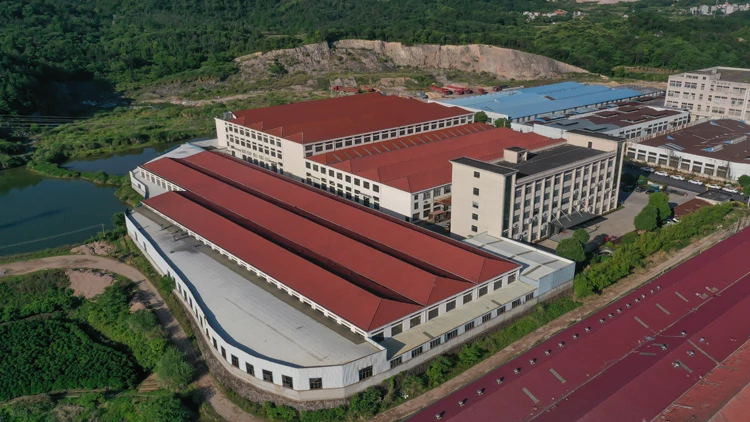
- Trading Company
- Zhejiang, China
- Lead time45 days
- Avg. response≤ 15h
Main productsLadders, Tools, Home Storage
Main marketsWestern Europe(35.00%), Northern Europe(27.00%), North America(10.00%), Eastern Europe(10.00%), South America(5.00%), Mid East(5.00%), Southern Europe(3.00%), South Asia(1.00%), Oceania(1.00%), Eastern Asia(1.00%), Central America(1.00%), Southeast Asia(1.00%)
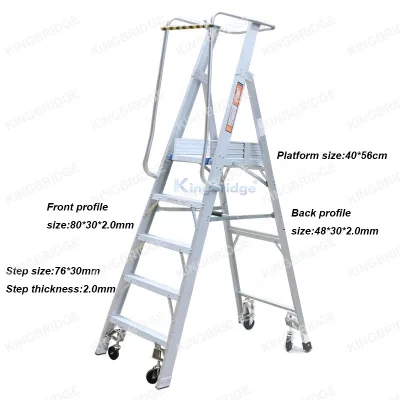
Foshan Kingbridge Building Materials Co., Ltd.
- Verified by Intertek
- Trading Company
- Lead time25 days
- Avg. response≤ 3h
Main productsAluminum Scaffolding, Fiberglass Ladder, Aluminum Ladder, Aluminum Plank, Aluminum Marina Platform and Bridge
Main marketsMid East(25%), Eastern Europe(20%), Oceania(20%)

Yongkang Fushi Household Products Co., Ltd.
- Combined
- China Zhejiang
- Lead time30 days
- Avg. response≤ 4h
Main productsLadder, Single Straight Telescopic Ladder, Roof Top Tent Ladder, a Type Used Ladder, Multi-Purpose Ladder, Little Giant Ladder, Household Ladder, Magic Folding Ladder, Double Used Ladder, Fast Foling Ladder
Main marketsEast Asia(Japan/ South Korea),Australia,North America

Hunan Hua-Alu Machinery Technology Co., Ltd.
- Verified by TUVRHEINLAND
- Combined
- China Hunan
- Lead time60 days
- Avg. response≤ 22h
Main productsAluminium Step Ladder, Aluminum Work Platforms, Aluminum Pallets, Aluminum Fence, Aluminum Structure, Aircraft Docking, Helicopter Docking, Aluminum Maintenance Platforms
Main marketsSoutheast Asia/ Mideast,East Asia(Japan/ South Korea),Europe,Australia,North America

Qingdao Zeruida Industry & Trade Co., Ltd.
- Trading Company,Manufacturer/Factory
- China Shandong
- Lead time15 days
- Avg. response≤ 5h
Main productsFiberglass Ladder, Aluminum Ramp, Aluminum Ladder, Steel Ramp, Aluminum Hand Truck, Special Hand Cart, Customized Service, Garden Cart
Main marketsSouth America,Eastern Europe,Mid East,North America,Southeast Asia,Eastern Asia,Oceania,Western Europe,Africa
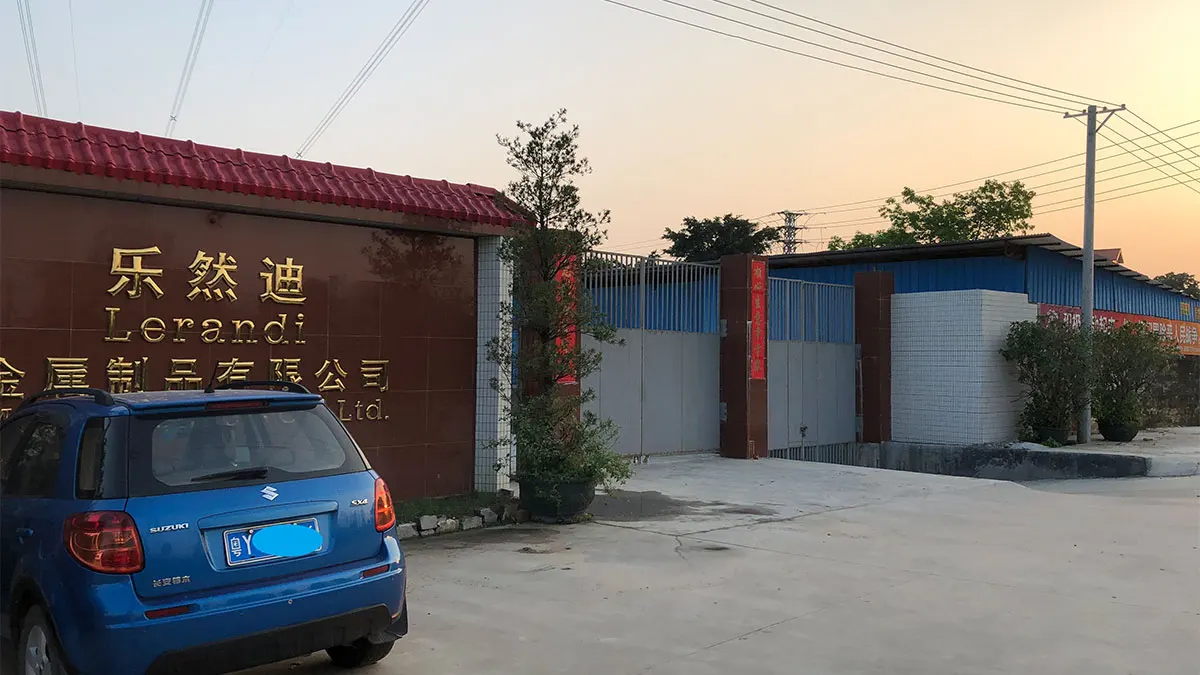
Foshan Lerandi Metal Products Co., Ltd.
- Manufacturer
- Guangdong, China
- Lead time30 days
- Avg. response≤ 2h
Main productsladder,hardware,CNC machining,outdoor products
Main marketsCentral America(10.00%), Western Europe(10.00%), Eastern Asia(10.00%), Mid East(10.00%), Oceania(10.00%), Africa(10.00%), Southeast Asia(10.00%), Eastern Europe(10.00%), South America(10.00%), North America(10.00%)

- Manufacturer
- China Zhejiang
- Lead time0 days
- Avg. response≤ 5h
Main productsLadder, Multi-Purpose Ladder, Telescopic Ladder, Householder Ladder, Work Platfrom, Scaffolding Ladder, Multi-Functional Ladder, Steel Ladder, Aluminum Ladder, Step Ladder
Hebei Heiniu Electric Power Fitting Co., Ltd.
- Verified by TüVRheinland
- Manufacturer, Trading Company
- Lead time30 days
- Avg. response≤ 2h
Main productsElectrical Equipment, Electrical Fittings, Optical Cable Fittings, Electric Power Construction Tools, Electrical Safety Equipment
Main marketsDomestic Market(95%), Southeast Asia(2%), South Asia(2%)

Hangzhou Justry Technology Co., Ltd.
- Trading Company
- Zhejiang, China
- Lead time30 days
- Avg. response≤ 7h
Main productsOutdoor bench & table,Bike rack,Speed bump,Expandable barrier,Street bollard
Main marketsOceania(54.95%), Western Europe(40.11%), North America(4.94%)
Bazhou Baigedandun Furniture Co., Ltd.
- Manufacturer, Trading Company
- Hebei, China
- Lead time0 days
- Avg. response≤ 2h
Main productsStorage Racks, Household Ladders, Engineering Ladders
Main marketsDomestic Market(50.00%), Eastern Asia(10.00%), Mid East(10.00%), Southeast Asia(10.00%), North America(5.00%), South America(5.00%), Africa(5.00%), Eastern Europe(5.00%)
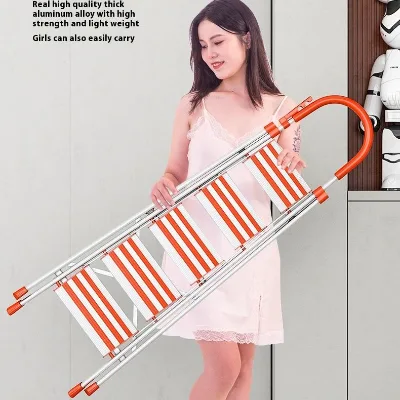
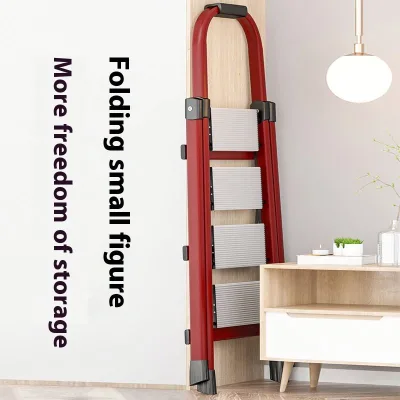
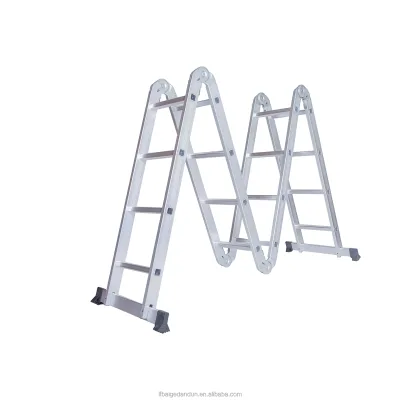
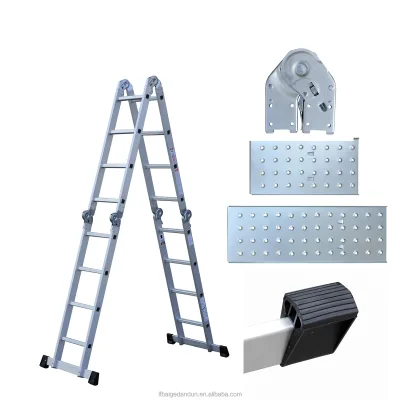
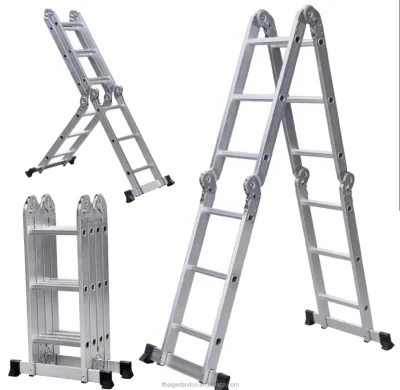
Escaleras De Aluminio Plegables Escada 4*3 Step Ladders Aluminum 330lbs Multi-purpose Ladder
$23.0638 - $24.7977
MOQ: 105 pieces
Guangzhou Jinisi Metal Products Co., Ltd.
- Trading Company
- Guangdong, China
- Lead time0 days
- Avg. response≤ 1h
Main productsscaffold,ladder,stool,climb form,insulation
Main marketsDomestic Market(55.00%), Southeast Asia(20.00%), South America(5.00%), Mid East(5.00%), Northern Europe(3.00%), Central America(2.00%), North America(2.00%), South Asia(2.00%), Africa(2.00%), Western Europe(1.00%), Eastern Europe(1.00%), Southern Europe(1.00%), Oceania(1.00%)
Dongguan City Alliance Hardware Products Co., Ltd.
- Manufacturer
- Guangdong, China
- Lead time30 days
- Avg. response≤ 1h
Main productsAluminum ladder,Folding Ladder,little giant,platform ladder,extension plank
Main marketsMid East(20.00%), Central America(10.00%), North America(10.00%), Oceania(10.00%), Africa(10.00%), Southeast Asia(10.00%), Eastern Europe(10.00%), South America(10.00%), Eastern Asia(5.00%), Western Europe(5.00%)
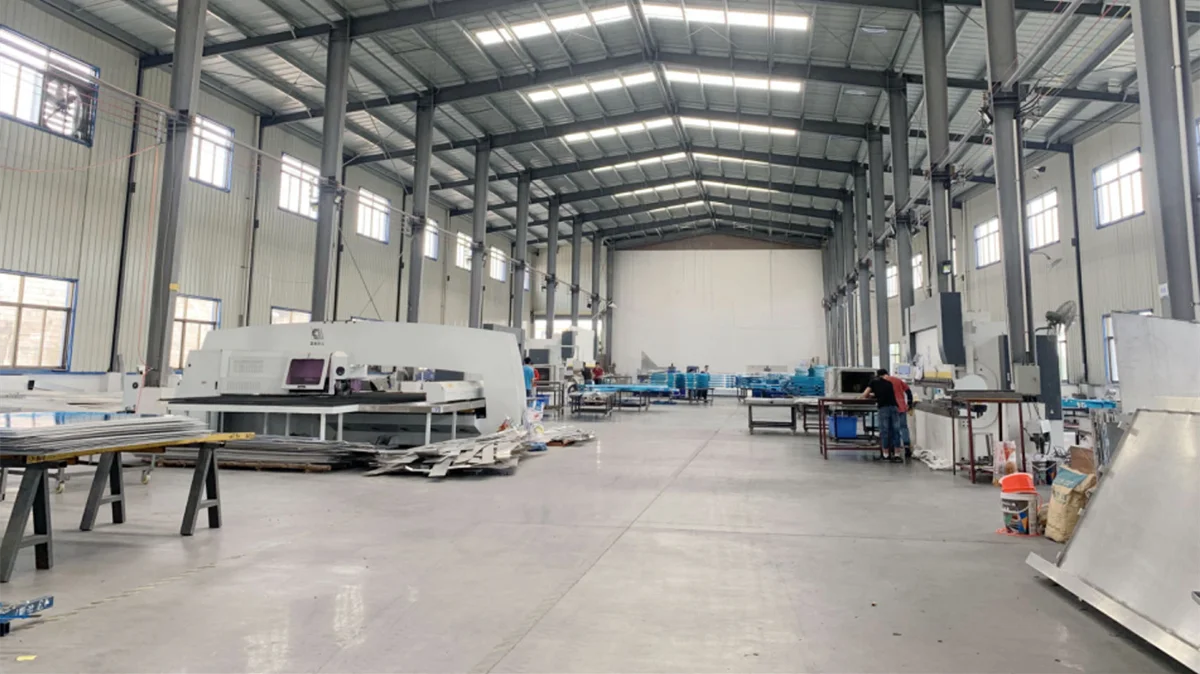
Foshan Lvzhibao Aluminium Co., Ltd.
- Trading Company
- Guangdong, China
- Lead time20 days
- Avg. response≤ 5h
Main productsAluminum Facade Panel,Aluminum AC cover,Aluminum Ceiling,Aluminum cladding,Aluminum wall panel
Main marketsWestern Europe(15.00%), Southeast Asia(15.00%), Mid East(15.00%), North America(12.00%), Africa(10.00%), Domestic Market(10.00%), South Asia(8.00%), South America(8.00%), Oceania(7.00%)

Zhejiang Leader Industry&Trade Co., Ltd.
- Verified by BV
- Combined
- China Zhejiang
- Lead time30 days
- Avg. response≤ 3h
Main marketsSouth America,Others(foreignTradeCapacity.exportBusinessCapacityMarketOther),Southeast Asia/ Mideast,Europe,North America
Jiangxi Mide Industrial Co., Ltd.
- Verified by TüVRheinland
- Trading Company
- Lead time40 days
- Avg. response≤ 4h
Main productsElectric Scaffolding, Electric Hoist, Cranes, Electric Forkift, Lift Platform
Main marketsEastern Asia(30%), South America(20%), North America(10%)
Hehui General Equipment Co.,ltd
- Verified by SGS Group
- Trading Company
- Lead time20 days
- Avg. response≤ 3h
Main productsIndustrial Aluminum Profile, Aluminum Windows & Doors , Automotive Aluminum Profile, Aluminum Fabricated Products , Aluminum Solar Mounting
Main marketsNorth America(30%), South America(20%), Western Europe(20%)
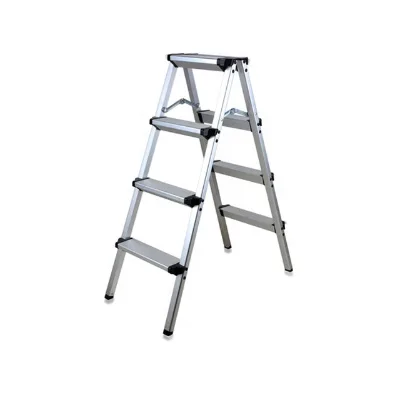
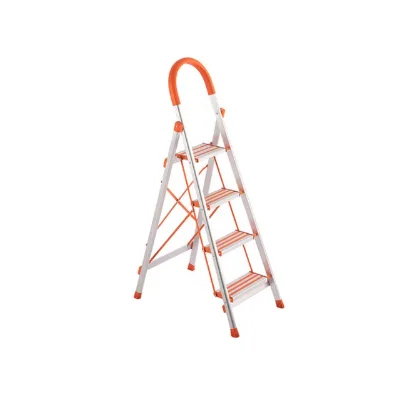
Wholesale New Design Folding Step Extension Aluminum Ladder with Retractable Stabilizer bar
$20.5356 - $21.5633
MOQ: 50 pieces
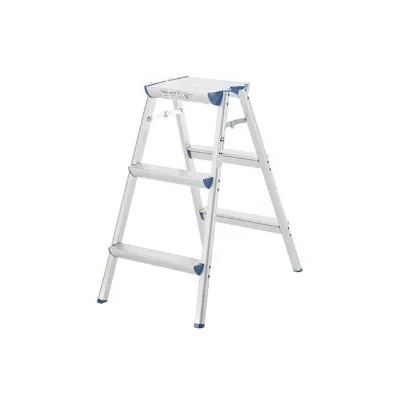
Wholesale Hot Selling High Quality Scaffolding Multi Functional Aluminum Steps Ladder with Safety
$68.00 - $88.00
MOQ: 10 pieces

Qingdao Marink Enterprise Co., Ltd.
- Combined
- China Shandong
- Lead time15 days
- Avg. response≤ 11h
Main productsFarrowing Crates, Crush, Panels for Sheep, Troughs, Cattle Yard Gates, Panels for Cattle, Cattle Forcing Yard, Hay Feder, Chainlink Fence, Welded Mesh Fence
Main marketsSouth America,Africa,Southeast Asia/ Mideast,East Asia(Japan/ South Korea),Europe,Australia,North America

Aluminum Multipurpose Foldable Step Ladder Multifunction Folding Ladder
$38.00 - $41.00
MOQ: 1000 Pieces


Hebei Qisheng Metal Products Co., Ltd.
- Verified by SGS
- Combined
- China Hebei
- Lead time15 days
- Avg. response≤ 5h
Main productsScaffolding, Forwork, Construction, Frame, Buiding Materials, Steel Prop, Hardware, Fastener, Ladder, Tool
Main marketsDomestic
Foshan Gaobu Aluminum Ladder Co., Ltd.
- Verified by SGS Group
- Manufacturer, Trading Company
- Lead time20 days
- Avg. response≤ 3h
Main productsWelding tripod gardening ladder, Aluminum fruit ladder, Aluminum tower, Fiberglass insulated platform ladder, Fiberglass Insulated ladder
Main marketsDomestic Market(50%), South America(20%), Western Europe(10%)
Tianjin Huaruitai International Trading Co., Ltd.
- Verified by Intertek
- Trading Company
- Lead time15 days
- Avg. response≤ 2h
Main productsGalvanized Steel Pipe, Square Steel Tube, Steel Prop, Angle Steel Bar, Galvanized Steel Sheet
Main marketsSoutheast Asia(25%), Africa(23%), Mid East(18%)
Linyi Kehan Hardware Products Co., Ltd.
- Manufacturer, Trading Company
- Shandong, China
- Lead time10 days
- Avg. response≤ 4h
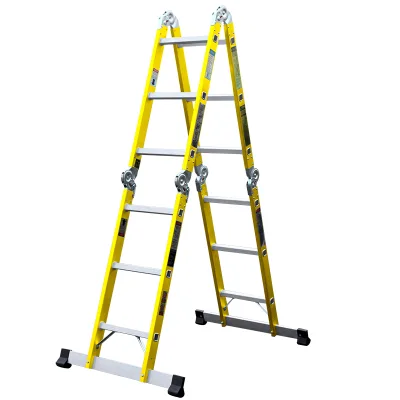
Main productsAluminum Alloy Herringbone Ladder,Hinged Herringbone Ladder,Multi Purpose Folding Aluminum Ladder,Iron Aluminum Hinge Folding Ladder,Multifunctional Hinged Ladder
Main marketsDomestic Market(52.00%), Eastern Asia(10.00%), Mid East(8.00%), Eastern Europe(7.00%), Southeast Asia(4.00%), Oceania(4.00%), Africa(4.00%), Southern Europe(2.00%), Central America(2.00%), Western Europe(2.00%), South America(2.00%), South Asia(1.00%), North America(1.00%), Northern Europe(1.00%)
Guangxi Nanning Jianzhian Integrated Housing Co., Ltd.
- Verified by Intertek
- Trading Company
- Lead time5 days
- Avg. response≤ 2h
Main productsContainer Houses, Portable Toilet, Sandwich Panel, Guard House, Storage Shelves
Main marketsSoutheast Asia(45%), Oceania(30%), South America(25%)
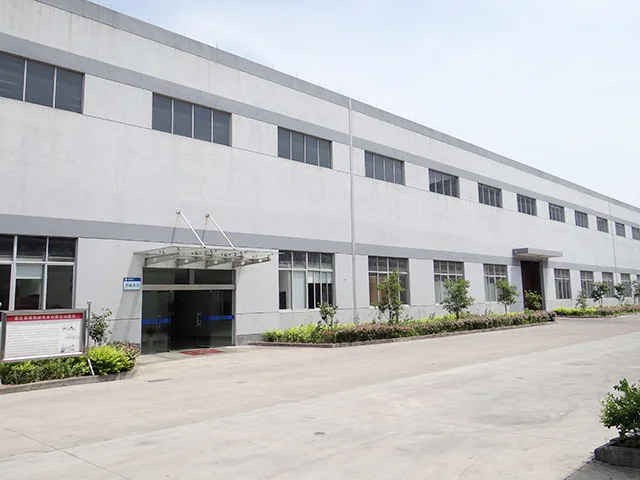
Guangzhou Lanxinwang Technology Co.,Ltd
- Manufacturer, Trading Company, Distributor/Wholesaler
- GuangDong, China
- Lead time20 days
- Avg. response≤ 3h
Main productsSheet Metal Fabrication,Metal Tube Bending Service,Metal Structure Fabrication,Custom Enclosures and Cabinets,Engineering Project
Main marketsNorth America(64.00%), Oceania(20.00%), Western Europe(5.00%), South America(3.00%), Mid East(2.00%), South Asia(1.00%), Northern Europe(1.00%), Central America(1.00%), Eastern Europe(1.00%), Africa(1.00%), Southeast Asia(1.00%)
Luoyang Sanjian Cabinet Co., Ltd.
- Manufacturer, Trading Company
- Henan, China
- Lead time20 days
- Avg. response≤ 2h
Main productsSteel Office Furniture,Steel Locker,Matel Cabinet,Mass Shelf,School Furniture
Main marketsDomestic Market(80.00%), Africa(15.00%), Southeast Asia(3.00%), Mid East(2.00%)

Zhejiang Wenli Hardware Tools Co., Ltd.
- Verified by TUVRHEINLAND
- Combined
- China Zhejiang
- Lead time30 days
- Avg. response≤ 14h
Main productsFiberglass Extension Ladder, Fiberglass Platform Ladder, Fiberglass Single Step Ladder, Fiberglass Double Step Ladder, Fiberglass Multipurpose Ladder, Aluminium Extension Ladder, Aluminium Little Giant Ladder, Aluminium Orchard Ladder, Aluminium Telescopic Ladder, Aluminium Combination Ladder
Main marketsSouth America,Others(foreignTradeCapacity.exportBusinessCapacityMarketOther)


Multi Position En131 Standard Step Folding Aluminum Multipurpose Ladder
$33.45 - $42.68
MOQ: 50 Pieces
Hebei Zhuozhuo Metal Products Co., Ltd.
- Manufacturer
- Hebei, China
- Lead time15 days
- Avg. response≤ 6h
Main productsLadders & Scaffoldings,folding ladder,aluminum ladders,telescoping ladders,steel ladder
Main marketsDomestic Market(10.00%), South Asia(10.00%), Northern Europe(10.00%), Central America(10.00%), Western Europe(10.00%), Africa(10.00%), Southeast Asia(10.00%), Eastern Europe(10.00%), South America(10.00%), North America(10.00%)
Tianjin Friend Import & Export Co., Ltd.
- Trading Company
- Tianjin, China
- Lead time0 days
- Avg. response≤ 2h
Main productsScaffolding Prop,Steel Plank,Scaffolding Pipe,Galvanized Steel Plank,GI Pipe
Main marketsSoutheast Asia(45.00%), Western Europe(30.00%), Domestic Market(6.00%), Mid East(6.00%), North America(6.00%), South Asia(3.00%), Africa(2.00%), South America(2.00%)






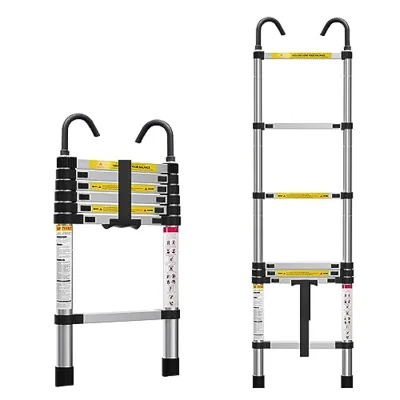
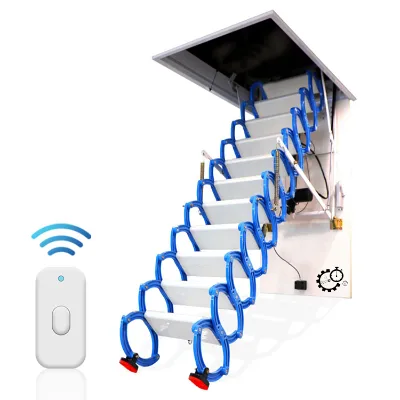


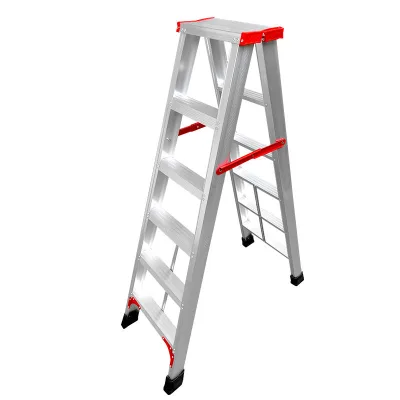
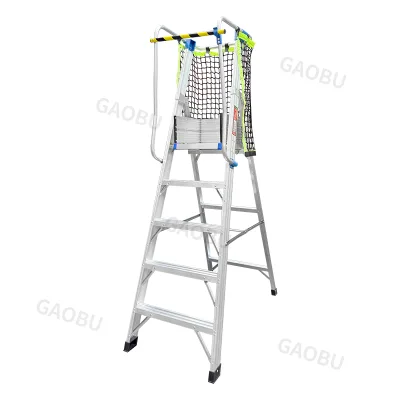
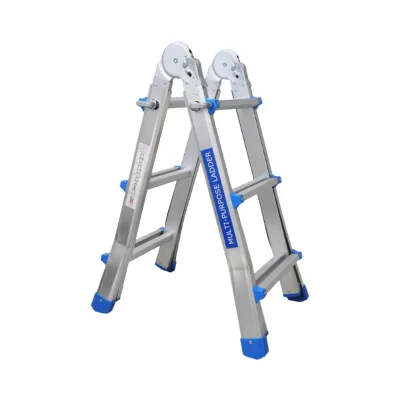
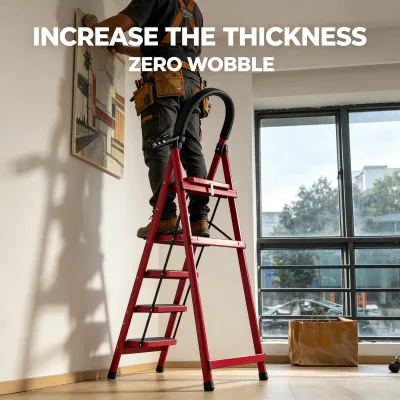
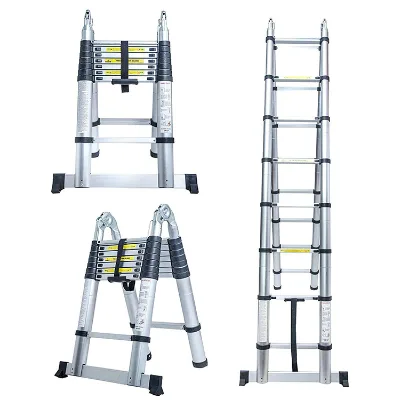
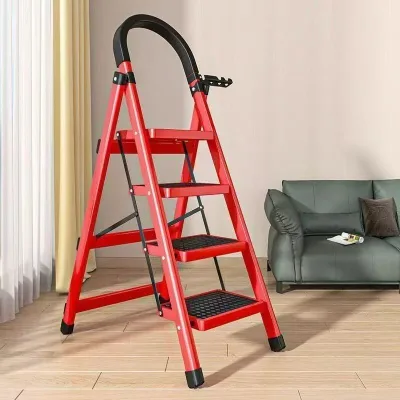
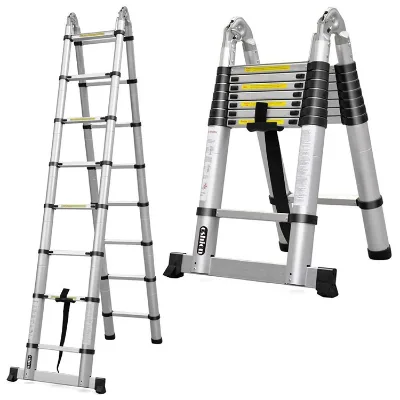
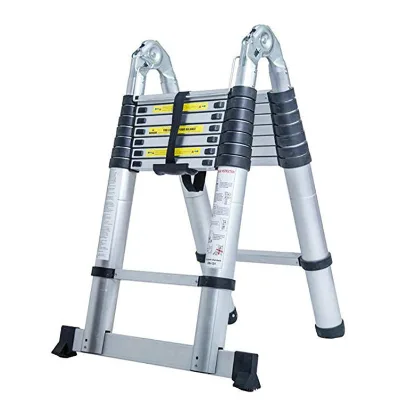
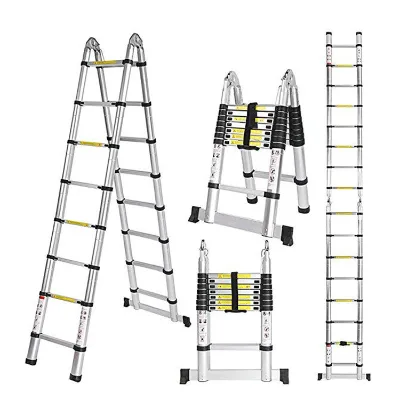
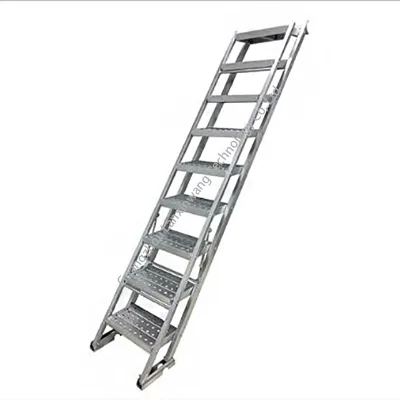
Comprehensive Sourcing Guide
Anti-Slip Step Aluminum Alloy Ladder Supplier Concentration and Factory Types
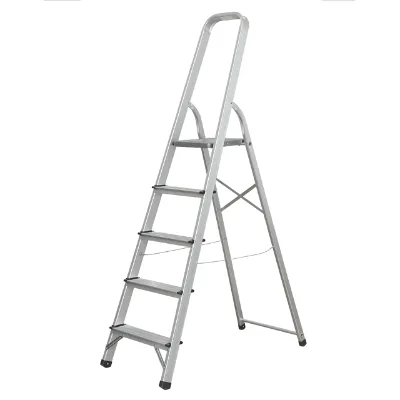
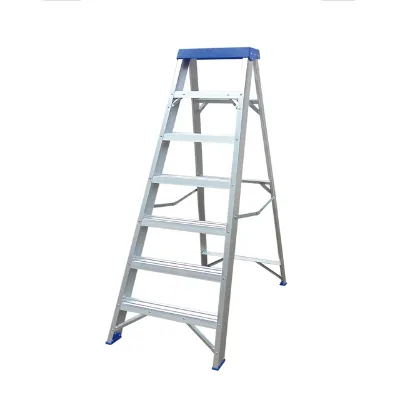
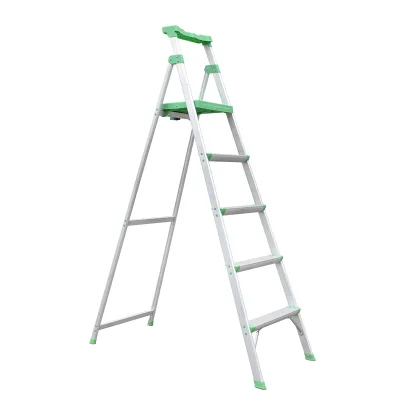
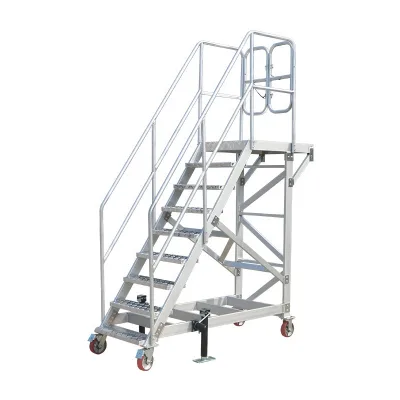
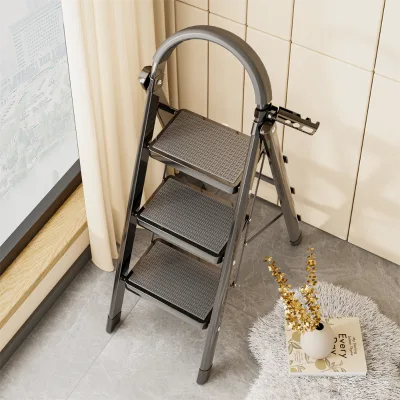
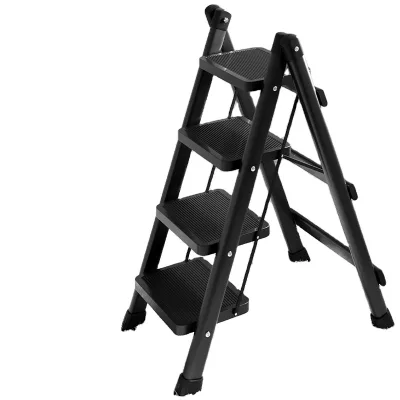
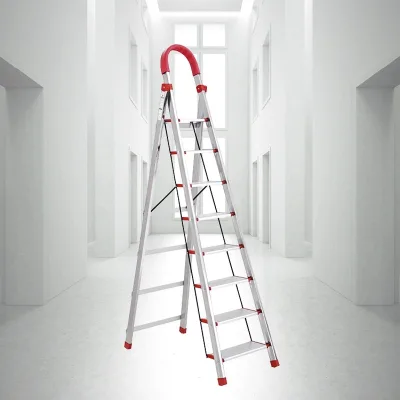
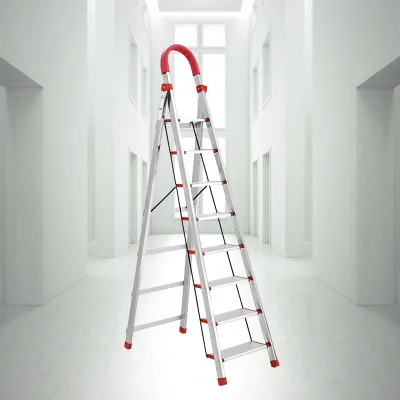
The sourcing landscape for anti-slip step aluminum alloy ladders reveals distinct manufacturing clusters and varied company structures that influence procurement strategy. Evidence indicates that suppliers are concentrated in specific regions of China, with Zhejiang and Guangdong identified as key production hubs. Factories in Zhejiang often specialize in products like the 5-step and 6+1 aluminum step ladders, leveraging local supply chains for aluminum extrusion and assembly. These facilities typically operate as trading companies or manufacturers with strong export capabilities, offering a range of home and industrial storage solutions alongside their primary ladder products. The presence of established industrial zones in these provinces allows for efficient raw material sourcing, particularly for aluminum alloys such as T6061, which is commonly used for ladder steps due to its strength and corrosion resistance. Buyers should recognize that while Zhejiang is a verified location for certain suppliers, other manufacturers may operate from different regions, requiring careful verification of the place of origin for each specific product listing. Understanding this geographic distribution helps in assessing logistics costs and lead times, as proximity to ports like Guangzhou or Shenzhen can impact shipping efficiency for heavy items like scaffolding and large platform ladders.
Company types vary significantly across the supplier base, ranging from pure trading companies to integrated manufacturing plants with in-house R&D capabilities. Trading companies often provide a broader catalog, including ladders, tools, and home storage items, acting as a single point of contact for diverse procurement needs. In contrast, specialized manufacturers may focus exclusively on aluminum scaffolding, fiberglass ladders, and marine platforms, offering deeper technical expertise in structural integrity and safety standards. Some suppliers display capabilities in sample processing and graphic customization, indicating a flexibility to adapt products for private labeling or specific project requirements. The distinction between these entity types is crucial for buyers evaluating quality control processes and communication efficiency. Manufacturers with direct control over the extrusion and anodizing processes may offer more consistent quality for anti-slip features, while trading companies might provide better price flexibility through aggregated orders. Buyers must assess whether their priority lies in product specialization and technical support or in catalog breadth and logistical convenience, as this choice directly affects the supplier's ability to meet specific commercial and technical demands.
How to Verify Anti-Slip Step Aluminum Alloy Ladder Suppliers
Verifying the legitimacy and capability of anti-slip step aluminum alloy ladder suppliers requires a multi-layered approach that goes beyond basic profile reviews. Buyers should prioritize suppliers who have undergone third-party verification processes, such as Intertek certification, which provides an independent assessment of factory audits and product quality. This verification status serves as a critical indicator of operational transparency and adherence to international business standards. Additionally, examining the supplier's system certifications is essential for ensuring that their manufacturing processes meet rigorous safety and quality benchmarks. Certifications such as ISO 9001, AS 1892, AS/NZS 1577, EN 12811, EN 1004, EN 131, ANSI/ASC A14, CE, and GPSR demonstrate a commitment to standardized quality management and compliance with regional safety regulations. These credentials are particularly important for industrial and commercial ladder applications where liability and safety performance are paramount. Buyers should request copies of these certificates and verify their validity through the issuing bodies, ensuring that the certifications are current and applicable to the specific product lines being sourced.
Beyond certifications, assessing the supplier's responsiveness and track record provides valuable insights into their reliability as a business partner. A quick response time, such as within three to fifteen hours, often correlates with efficient internal communication and a customer-centric approach. Buyers should test this responsiveness by submitting detailed inquiries and evaluating the speed and quality of the replies. Furthermore, examining the supplier's main product focus helps determine their expertise level; suppliers specializing in ladders, scaffolding, and related hardware are likely to have more refined production lines and technical knowledge than generalist traders. It is also advisable to review the supplier's capacity for customization, including support for custom logos and graphic design services, which indicates a mature production workflow. Buyers should verify the supplier's ability to provide samples, as this allows for physical inspection of the anti-slip features, material thickness, and overall build quality before committing to large orders. This due diligence process minimizes the risk of partnering with unreliable entities and ensures a foundation of trust for long-term collaboration.
What to Compare Across Anti-Slip Step Aluminum Alloy Ladder Suppliers
When evaluating multiple suppliers for anti-slip step aluminum alloy ladders, buyers must systematically compare key operational metrics to identify the most suitable partner. One critical dimension is the minimum order quantity (MOQ), which varies significantly based on product complexity and customization requirements. For standard models, such as the 5-step aluminum ladder, the MOQ may be set at 100 pieces, making it accessible for smaller buyers or initial trial orders. However, for customized features like branded logos, the MOQ often increases substantially, potentially to 1000 pieces, to justify the setup costs for printing or molding. Buyers should also consider suppliers offering bulk material orders, where MOQs are defined by weight, such as 1000 kg for aluminum step profiles, which suits large-scale construction projects or component manufacturing. Comparing these thresholds helps buyers align their procurement volumes with supplier expectations, avoiding unnecessary costs or order rejections. Additionally, evaluating the supply ability, such as 20,000 pieces per month, provides insight into the supplier's capacity to handle large or urgent orders without compromising delivery schedules.
Price and lead time are equally vital factors in the comparison process, directly impacting the total cost of ownership and project timelines. Unit prices for aluminum ladders can range from approximately $18.58 to $26.50 for standard step ladders, while specialized items like double-sided step ladders or industrial platform ladders may command higher prices, such as $66.00 per unit. Buyers should analyze these price points in the context of the product's specifications, including material grade, thickness, and load capacity, to ensure value for money. Lead times also vary, with some suppliers offering rapid turnaround times of 25 days, while others may require up to 45 days for production and preparation. This difference can be decisive for projects with tight deadlines. Furthermore, comparing payment terms, such as L/C, T/T, or D/P, allows buyers to manage cash flow and financial risk effectively. By synthesizing data on MOQ, pricing, lead times, and payment flexibility, buyers can create a weighted scoring matrix to objectively rank suppliers and select the one that best balances cost, speed, and reliability for their specific sourcing needs.
Common Anti-Slip Step Aluminum Alloy Ladder Sourcing Risks
Sourcing anti-slip step aluminum alloy ladders involves several inherent risks that buyers must proactively manage to ensure product quality and supply chain stability. One significant risk is the variability in material quality, particularly regarding the aluminum alloy grade and thickness. While suppliers may claim the use of high-strength alloys like T6061, the actual thickness of the steps and rails can vary, affecting the ladder's load-bearing capacity and durability. For instance, some products specify a step thickness of 1.2mm, while others may use thinner materials that do not meet industrial safety standards. Buyers must verify these specifications through detailed product attributes and, if possible, third-party testing reports. Another risk is the inconsistency in anti-slip features, such as the depth and pattern of anodized grains or rubber inserts. If these features are not properly engineered, they may wear out quickly or fail to provide adequate traction, leading to safety hazards and potential liability issues. This risk is exacerbated when sourcing from suppliers with limited quality control processes or those who prioritize cost reduction over material integrity.
Logistical and compliance risks also pose challenges in the sourcing process, particularly when dealing with international shipments and varying regulatory standards. Aluminum ladders are bulky and heavy, leading to high shipping costs and potential damage during transit if not packaged correctly. Suppliers using inadequate packaging, such as simple PE covers without shrink wrap, may result in product scratches or structural damage upon arrival. Additionally, buyers must ensure that the ladders comply with the safety standards of their target market, such as EN 131 in Europe or ANSI/ASC A14 in the United States. Failure to meet these standards can result in customs delays, product recalls, or legal penalties. Another risk is the reliability of after-sales service, with some suppliers offering only online technical support while others provide on-site installation and training. Buyers should assess the supplier's warranty terms, such as a one-year warranty, and their ability to handle defects or replacements efficiently. By identifying and mitigating these risks through rigorous supplier vetting and clear contractual agreements, buyers can protect their interests and ensure a smooth sourcing experience.
Anti-Slip Step Aluminum Alloy Ladder Regional Sourcing and Logistics
Regional sourcing strategies for anti-slip step aluminum alloy ladders are heavily influenced by the geographic location of manufacturing clusters and their proximity to major shipping ports. Suppliers located in Zhejiang and Guangdong provinces benefit from established industrial ecosystems and efficient logistics networks. Zhejiang, in particular, is a hub for aluminum product manufacturing, offering access to raw materials and specialized processing services. Guangdong, with its major ports like Guangzhou and Shenzhen, provides excellent connectivity for international shipping, reducing transit times and freight costs for buyers in North America, Europe, and other global markets. Buyers should consider the port of dispatch when evaluating suppliers, as this factor directly impacts the efficiency of the supply chain. For example, suppliers dispatching from Guangzhou or Shenzhen may offer faster shipping options and more frequent sailings compared to those in inland regions. Additionally, the local infrastructure in these provinces supports advanced manufacturing techniques, such as precision extrusion and anodizing, which are critical for producing high-quality anti-slip steps.
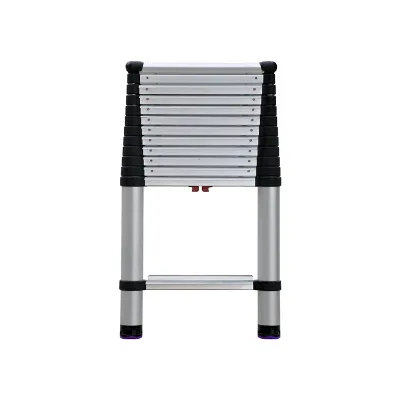
Logistics planning must also account for the physical characteristics of the products, including their dimensions and weight, which affect packaging and container utilization. Aluminum ladders are often designed to be foldable or telescopic to minimize shipping volume, but their single package sizes can still be substantial. For instance, a 5-step ladder may have a single package size of 178x11.7x37 cm, while a 6+1 step ladder can measure 43x15.5x197.5 cm. Buyers need to calculate the cubic meter volume and gross weight to optimize container loading and reduce per-unit shipping costs. Suppliers providing detailed packaging details, such as PE covers and shrink wrap, help protect the products during transit, but buyers should verify that the packaging is robust enough to withstand long-haul shipping. Furthermore, understanding the lead times associated with regional production is crucial for inventory management. Suppliers with shorter lead times, such as 25 days, allow for more agile supply chain responses, while those with longer lead times of 45 days require earlier planning. By aligning regional sourcing choices with logistical capabilities, buyers can enhance supply chain resilience and cost efficiency.
Anti-Slip Step Aluminum Alloy Ladder Commercial Terms and Order Planning
Effective commercial terms and order planning are essential for successful procurement of anti-slip step aluminum alloy ladders, requiring careful negotiation and strategic foresight. Buyers should prioritize suppliers who offer flexible payment terms, such as L/C, T/T, or D/P, to align with their financial policies and risk tolerance. For new relationships, using secure payment methods like escrow can provide an additional layer of protection, ensuring that funds are released only upon satisfactory delivery and inspection. It is also important to clarify the warranty terms, with many suppliers offering a one-year warranty on their products. Buyers should understand the scope of this warranty, including coverage
FAQs
What is the typical lead time for aluminum step ladders?
Manufacturers generally require 25 to 45 days to produce and ship orders. This timeframe depends on order volume and customization needs. Buyers should confirm specific delivery schedules with suppliers before finalizing contracts to ensure timely project completion.
What is the minimum order quantity for custom logos?
Standard ladders often have a minimum order quantity of 100 pieces. However, custom logo printing typically requires a higher threshold of 1000 pieces. Buyers seeking branding should verify these thresholds early to plan inventory and budgeting effectively.
Which safety certifications are available for these ladders?
Suppliers offer various certifications including ISO 9001, EN 131, ANSI/ASC A14, and CE. These standards ensure compliance with international safety requirements. Buyers should request valid certificates to verify that products meet specific regional regulatory standards for workplace safety.
What is the price range for aluminum step ladders?
Prices typically range from $5.00 to $66.00 per unit depending on specifications. Basic components start around $5.00, while complex platform ladders cost more. Buyers should compare quotes based on material thickness, step count, and load capacity for accurate pricing.
How quickly do suppliers respond to inquiries?
Response times vary between 3 and 15 hours for most suppliers. Faster responses indicate active sales teams ready to assist with technical questions. Buyers should prioritize suppliers with quicker response times to streamline communication and accelerate the sourcing process efficiently.
What is the maximum load capacity for these ladders?
Many models support a maximum load of 150 kilograms or 300 pounds. This capacity ensures safety for industrial and DIY users. Buyers must verify the specific load rating for each model to ensure it meets the weight requirements of intended applications.