Source Galvanized Q235B Steel H Beam for Workshops and Bridges
Find 30 Galvanized Q235B Steel H Beam options from Chinese suppliers. Compare specifications like thickness, web width, and flange width for structural applications including steel workshops, platforms, and bridges. Verify standards such as GB and ASTM; compare the available evidence and request quotations based on your requirements.
Updated
Key considerations
Products List


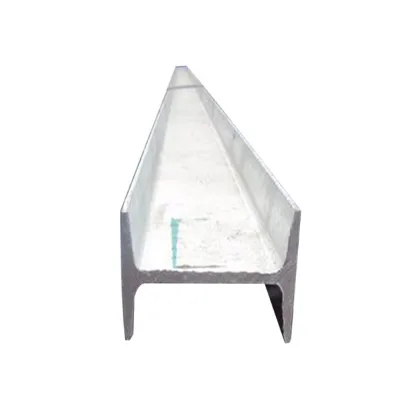


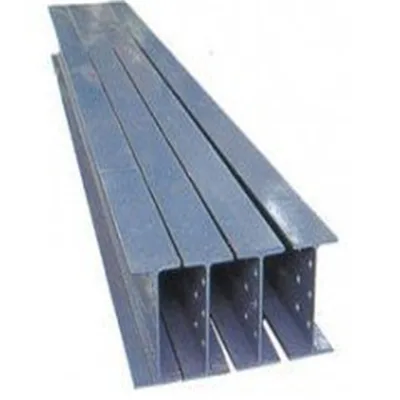
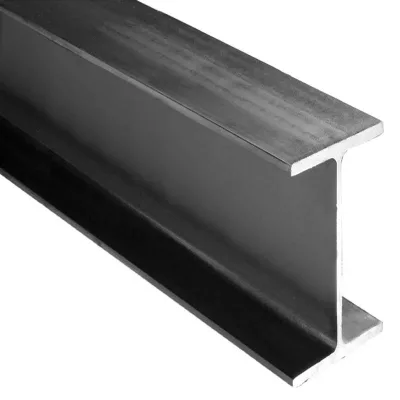


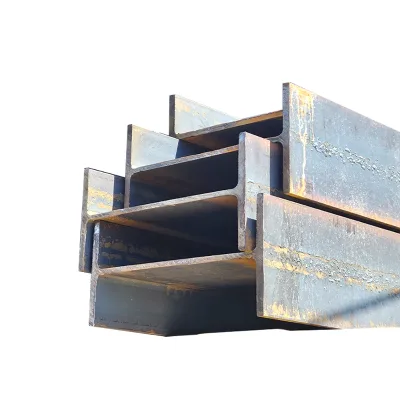
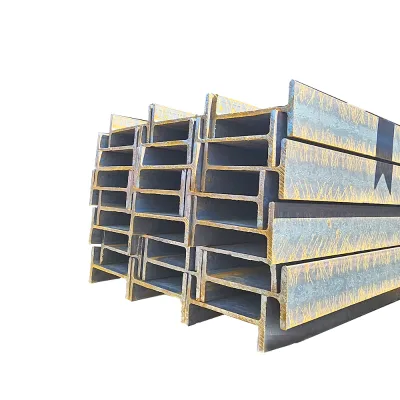
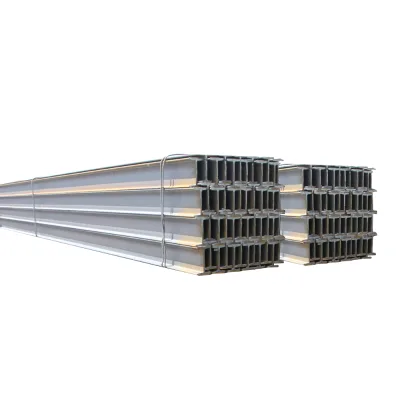
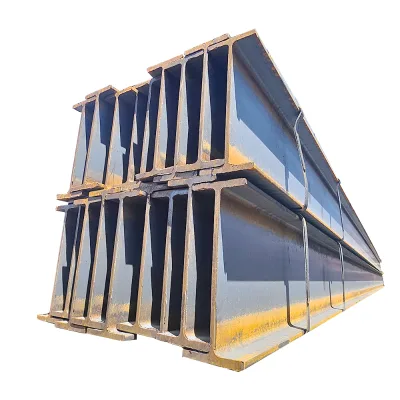
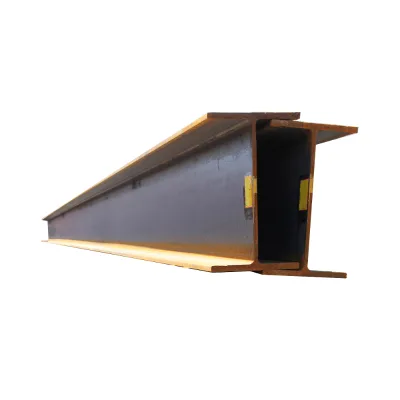
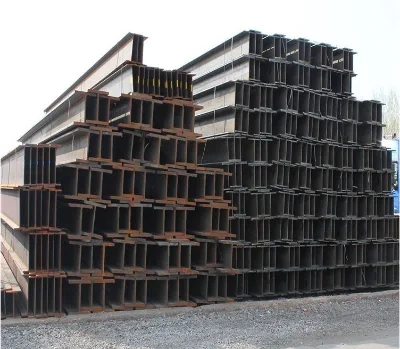
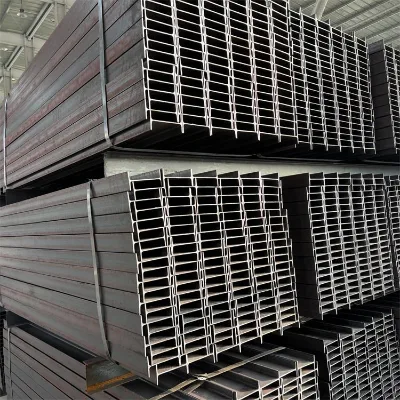
Comprehensive Sourcing Guide
Galvanized Q235B Steel H Beam Sourcing Guide
Procuring galvanized Q235B steel H beams requires a precise understanding of structural steel classifications and surface treatment protocols. Buyers must distinguish between the base material grade, typically Q235B carbon structural steel, and the protective coating applied to enhance corrosion resistance. The term "galvanized" often refers to a surface treatment process, while the core material remains a high-strength carbon steel suitable for heavy-duty applications. Understanding this distinction is critical for ensuring the beam meets both structural integrity requirements and environmental durability standards.
The sourcing landscape for these beams is diverse, with manufacturers offering various customization options to suit specific project needs. Key attributes such as hot-rolled forming techniques and welded connection forms are common in the market. Buyers should verify whether the product is a standard H-section steel or a custom-fabricated member, as this impacts lead times and pricing. The availability of customization allows for tailored solutions, but it also necessitates rigorous verification of manufacturing processes to ensure consistency across large orders.
Product Scope and Observed Listing Signals
The observed market for galvanized Q235B steel H beams reveals a wide range of specifications and pricing structures. Listings indicate a price range from 199 to 1000 USD, reflecting variations in size, thickness, and surface treatment quality. Minimum order quantities (MOQ) typically range from 1 to 25 tons, suggesting that suppliers cater to both small-scale custom projects and large industrial contracts. Buyers should analyze these signals to determine if the supplier’s volume requirements align with their project scale and budget constraints.
Product attributes frequently highlight dimensions such as web widths from 100 to 900mm and flange widths from 100 to 408mm. Thicknesses are commonly observed between 5 and 28mm, with some listings extending up to 40mm. These dimensional ranges allow for versatile applications in steel workshops, platforms, and fabricated houses. Buyers must cross-reference these observed specifications with their engineering drawings to ensure compatibility, as deviations in web or flange dimensions can compromise structural performance in critical load-bearing scenarios.
Technical Specifications to Verify
Verifying technical specifications is paramount when sourcing H beams, particularly regarding material grade and dimensional accuracy. The core material is often identified as Q235B carbon structural steel, which must comply with standards such as GB, ASTM, DIN, JIS, AISI, or BS. Buyers should request mill certificates to confirm the chemical composition and mechanical properties of the steel. Ensuring the grade matches the project’s structural requirements is essential for maintaining safety and compliance with local building codes.
Dimensional verification extends beyond basic width and thickness to include length and connection forms. Standard lengths are often 12 meters, but custom lengths are available to reduce waste on site. The forming process is typically hot-rolled, which affects the internal stress distribution and mechanical strength of the beam. Buyers should also verify the surface treatment, whether it is galvanized, coated, or custom, to ensure it meets the environmental exposure requirements of the installation site.
Compliance and Safety Documentation
Compliance with international standards is a non-negotiable aspect of sourcing structural steel. Products are often certified under standards such as GB, ASTM, AISI, and BS, with some listings mentioning SGS or ABS certifications. Buyers must ensure that the supplier provides valid certification documents that correspond to the specific order. These certifications validate that the steel meets the required mechanical properties and manufacturing tolerances, providing a legal and technical basis for acceptance.
Safety documentation also includes material safety data sheets and quality control reports. While some listings mention RoHS or ISO 9001, these should be treated as background information rather than guaranteed attributes. Buyers should explicitly request test results for tensile strength, yield point, and elongation. Verifying these documents ensures that the steel beams will perform as expected under load, reducing the risk of structural failure and ensuring the safety of the final construction project.
Cost Drivers and Commercial Terms
Several factors influence the final cost of galvanized Q235B steel H beams, including raw material prices, processing complexity, and surface treatment. The choice between standard and custom dimensions significantly impacts pricing, as custom sizes often incur additional manufacturing costs. Buyers should also consider the cost of surface treatments, such as galvanizing, which adds value but increases the initial price. Understanding these cost drivers helps in budgeting accurately and negotiating favorable terms with suppliers.
Commercial terms such as MOQ and lead times are critical for project planning. While observed MOQs range from 1 to 25 tons, some suppliers may require a minimum of 10 tons. Lead times can vary based on the complexity of the order and the supplier’s production capacity. Buyers should clarify payment terms, shipping methods, and packaging details, such as bulk shipment or steel strip packing, to avoid unexpected costs. Clear communication of these terms ensures a smooth procurement process and minimizes disruptions.
Supplier Qualification and Quality Control
Evaluating supplier qualification is essential to ensure the reliability of the steel H beam supply chain. Buyers should assess the supplier’s manufacturing capabilities, including their ability to produce hot-rolled beams with consistent quality. Suppliers located in major industrial hubs like Shanghai or Qingdao often have established logistics networks, but buyers should verify their production facilities and quality control processes. A robust quality control system ensures that every batch of beams meets the specified standards.
Quality control measures should include visual inspections, dimensional checks, and material testing. Buyers should request samples or conduct third-party inspections before finalizing large orders. Verifying the supplier’s ability to provide customization and handle complex orders is also important. A qualified supplier will have the expertise to address technical queries and provide timely support, ensuring that the procurement process runs smoothly and the final product meets all project requirements.
Long-Term Procurement Checks
Long-term procurement success depends on establishing a reliable supply chain and maintaining consistent quality over time. Buyers should conduct periodic audits of their suppliers to ensure ongoing compliance with standards and specifications. Building a relationship with a trusted supplier can lead to better pricing, priority production, and improved service levels. Regular communication and feedback loops help in identifying and resolving issues before they impact the project timeline.
Monitoring market trends and material price fluctuations is also crucial for long-term cost management. Buyers should stay informed about changes in steel prices and availability to make informed purchasing decisions. Additionally, reviewing the performance of the installed beams in service can provide valuable insights for future procurement. By maintaining a proactive approach to supplier management and market analysis, buyers can ensure the continued success and safety of their structural steel projects.
FAQs
What is the standard thickness range for galvanized Q235B steel H beams?
The standard thickness ranges from 5 to 28 millimeters for web thickness and 6 to 40 millimeters for general specifications. These dimensions ensure structural integrity for various building applications while meeting GB, ASTM, and DIN standards.
Can I customize the length and surface treatment of these steel beams?
Yes, customization is available for both length and surface treatment. You can select lengths of 12 meters or custom sizes, and choose from galvanized, coated, or custom surface treatments to suit specific environmental and structural requirements.
Which certifications apply to Galvanized Q235B Steel H Beam products?
Products comply with standards such as GB, ASTM, AISI, BS, DIN, and JIS. Certifications like ABS, RoHS, and SGS are also available, ensuring the steel meets international quality and safety requirements for structural applications.
What are the typical flange and web width dimensions for these beams?
Flange widths typically range from 100 to 408 millimeters, while web widths span from 100 to 900 millimeters. These dimensions support diverse structural needs in workshops, platforms, and fabricated houses across various global markets.
How is the Galvanized Q235B Steel H Beam packed for shipment?
Packing options include bulk shipment or packing by steel strips for big and small orders. This ensures safe transport and protection of the structural steel beams during international logistics to destinations like Shanghai or Qingdao.
What is the minimum order quantity for purchasing these steel beams?
The minimum order quantity varies, with some listings requiring 10 tons while others allow orders as low as 1 unit. Buyers should verify specific supplier requirements to align with their project scale and budget constraints.
Which applications are suitable for galvanized Q235B steel H beams?
These beams are ideal for steel workshops, structural roofing, platforms, and fabricated houses. They serve as frame parts and walkways, providing high-strength support for bridges and general building structures in various industrial settings.