Find Garden Solar LED Aluminum Profile for Street, Garden, Park
Source 30 verified options for Garden Solar LED Aluminum Profile designed for street, garden, and park applications. Buyers can compare specifications including IP65 waterproof ratings, LED chip types, and customizable power levels from suppliers in China.
Key considerations
Products List


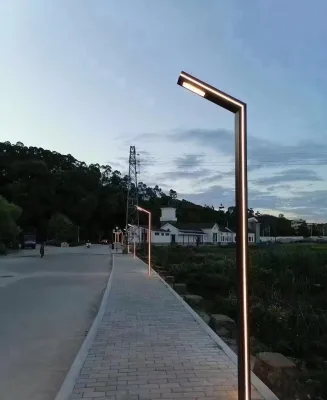
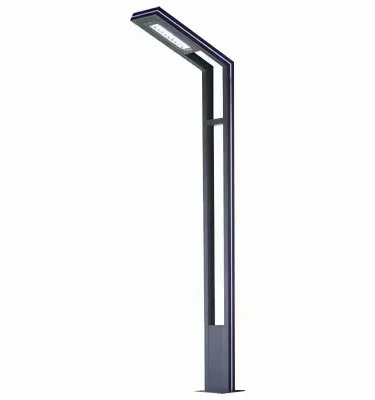
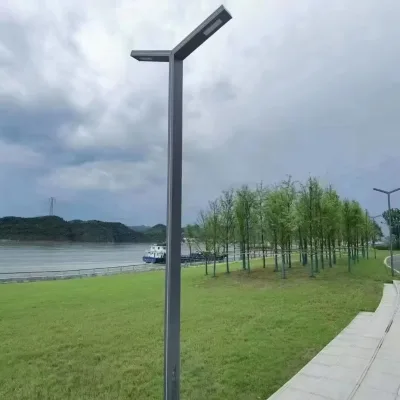
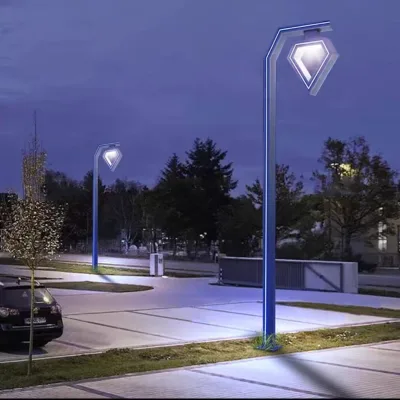


LED Aluminum Profile Aluminium Window Profile Aluminum Profiles for Architecture
$3100.00 - $3300.00
MOQ: 25 Tons

Comprehensive Sourcing Guide
Strategic Sourcing Guide for Garden Solar LED Aluminum Profile Systems
Procuring outdoor lighting solutions that combine solar energy efficiency with durable aluminum construction requires a rigorous understanding of technical specifications, material integrity, and supply chain reliability. The core keyword "Garden Solar LED Aluminum Profile" points to a specific segment of the outdoor lighting market where the structural housing, light distribution, and energy harvesting capabilities must align perfectly. For B2B buyers, the objective is to secure products that meet environmental demands while adhering to strict safety and performance standards. This guide outlines the critical factors for evaluating these systems, drawing on observed market data and verified product attributes to inform procurement decisions.
Technical Architecture and Material Specifications
The foundation of a reliable garden solar LED system lies in its physical construction and electrical architecture. Based on observed product data, the lamp body material is predominantly aluminum, a choice driven by its superior thermal conductivity and resistance to corrosion in outdoor environments. Aluminum profiles serve not only as the structural housing but also as a heat sink, which is essential for maintaining the longevity of the LED chips. The thickness of these aluminum components is a critical variable; specific observations indicate a thickness of 2mm for certain models, a dimension that suggests a balance between structural rigidity and weight management. Buyers must verify that the aluminum profile thickness meets the specific load-bearing requirements of the installation site, particularly for pole-mounted units.
The light source technology is another pivotal specification. The market data confirms the use of LED lamps, specifically utilizing SMD 3030 chips and Bridgelux chips in various configurations. These chip types are known for high luminous efficacy and consistent color rendering. The color temperature is observed to range from Cool White to specific Kelvin values such as 3000K, 4000K, and 6000K, allowing buyers to tailor the ambiance of the garden space. Furthermore, the integration of solar technology implies a need for efficient charging mechanisms. Observed attributes indicate charging times and illumination durations, with some models citing an illumination time of 12 hours, which suggests a robust battery capacity and efficient solar panel design. The voltage requirements vary, with observations of 12/24V DC systems for solar applications and 85-265V AC or 220V for grid-connected variants, necessitating a clear distinction between pure solar units and hybrid systems during the sourcing process.
Compliance, Certification, and Safety Standards
Navigating the regulatory landscape is essential for international procurement. The product data highlights several key certifications that serve as indicators of compliance and safety. Commonly observed certifications include RoHS (Restriction of Hazardous Substances) and CE (Conformité Européenne), which are critical for market access in Europe and many other regions. Some product listings also reference CCC (China Compulsory Certification), indicating compliance with Chinese domestic standards. Buyers should verify that the specific batch of products being sourced carries valid, up-to-date certification documents that match the intended market of sale.
Beyond general certifications, specific safety ratings are vital for outdoor installations. The IP (Ingress Protection) rating is a primary metric for weather resistance. Data indicates an IP65 rating for waterproofing, which ensures protection against water jets from any direction, making the units suitable for rain and snow. Additionally, the IK rating, observed as IK08 in some specifications, measures resistance to mechanical impacts. An IK08 rating implies the product can withstand impacts equivalent to a 5kg mass dropped from 40cm, a crucial specification for public gardens or areas with high foot traffic. Buyers must ensure that the aluminum profile design does not compromise these ratings, particularly around seams and joints where water ingress could occur.
Cost Drivers and Pricing Dynamics
Understanding the cost structure of Garden Solar LED Aluminum Profile systems helps in budgeting and negotiation. The observed price range in the market spans from approximately $0.92 to $3,300, a wide variance that reflects differences in power output, material quality, and customization levels. The lower end of the spectrum likely corresponds to smaller, lower-wattage units or basic components, while the higher end encompasses high-power systems (e.g., 100W+) with advanced features like customizable heights ranging from 5 to 12 meters.
Several factors drive these costs. First, the power rating is a significant determinant; units with power outputs exceeding 100W generally command higher prices due to the increased cost of solar panels, larger batteries, and more robust aluminum structures. Second, customization plays a major role. Attributes such as customizable colors, specific dimensions (e.g., flange sizes of 24010), and tailored heights add to the manufacturing complexity and cost. Third, the quality of the LED chips and the driver components influences the final price. While some products use standard SMD chips, others may specify premium brands like Bridgelux, which can affect the unit cost. Finally, packaging requirements, such as the use of woven bags for lamp poles versus specific box dimensions (e.g., 760660*220), impact logistics costs, which are often factored into the final FOB or CIF price.
Typical Applications and Usage Scenarios
The versatility of Garden Solar LED Aluminum Profile systems allows for deployment across various outdoor environments. The primary usage categories identified in the data include street lighting and garden illumination. For street applications, the systems often feature higher power outputs (30W to 120W) and taller poles, with customizable heights to ensure adequate coverage of roadways and pathways. The modern style observed in product listings suggests these units are designed to blend seamlessly with contemporary urban and residential landscapes.
In garden settings, the focus shifts to aesthetic integration and localized lighting. Products with lower wattage and specific color temperatures (such as 3000K for warm, inviting light) are preferred here. The waterproof rating of IP65 ensures these units can withstand the elements in garden beds, near ponds, or along walkways. The solar aspect is particularly advantageous in these scenarios, as it eliminates the need for trenching and wiring, reducing installation costs and environmental disruption. Furthermore, the customizable nature of these products allows for tailored solutions, such as specific flange dimensions (130853000 or 1601603000) to match existing infrastructure or unique design requirements.
Supplier Evaluation and Quality Assurance
Selecting the right supplier is as critical as selecting the product itself. Buyers should prioritize suppliers who demonstrate transparency in their manufacturing processes and provide clear documentation of their product attributes. The origin of the products is noted as China, a major hub for LED and solar lighting manufacturing. However, the country of origin does not guarantee quality; therefore, due diligence is required. Key evaluation criteria include the supplier's ability to provide samples that match the observed specifications, such as the 2mm aluminum thickness and specific IP ratings.
Quality control measures should be a central part of the procurement strategy. Buyers must verify that the supplier conducts rigorous testing for waterproofing, impact resistance, and electrical safety. The presence of certifications like CE and RoHS should be validated through third-party testing reports rather than relying solely on supplier declarations. Additionally, the warranty period is a strong indicator of supplier confidence; observed warranties of 3 years suggest a commitment to product durability. Buyers should also assess the supplier's capacity for customization, as many products offer options for color, size, and power, requiring a flexible manufacturing process.
Long-Term Procurement Considerations and Maintenance
Sourcing Garden Solar LED Aluminum Profile systems is not a one-time transaction but a long-term investment. Buyers must consider the lifecycle costs, including maintenance and potential replacement of components. The solar charging time and illumination duration are critical for ensuring consistent performance over the years. A system that fails to charge fully or provides insufficient illumination will require frequent intervention, increasing operational costs.
The modular nature of these systems, with distinct components like the lamp body, solar panel, and battery, allows for easier maintenance. However, the integration of these parts must be robust to prevent degradation. The aluminum profile's resistance to corrosion is a long-term factor; while aluminum is naturally resistant, the quality of the anodizing or powder coating process determines its lifespan in harsh weather conditions. Buyers should inquire about the specific surface treatment used on the aluminum profiles to ensure long-term durability. Furthermore, the availability of spare parts, such as LED drivers or batteries, should be confirmed to minimize downtime. The customizable nature of the products also means that future expansions or modifications should be feasible without requiring a complete system overhaul.
Comparative Analysis of Product Attributes
To facilitate informed decision-making, the following table summarizes key attributes observed in the market for Garden Solar LED Aluminum Profile systems. This comparison highlights the variability in specifications that buyers must navigate.
| Attribute | Observation Range / Specific Values | Procurement Implication |
|---|---|---|
| Lamp Body Material | Aluminum | Essential for heat dissipation and corrosion resistance. |
| Thickness | 2mm (Observed) | Verify structural integrity for pole-mounted units. |
| IP Rating | IP65 (Observed) | Ensures protection against water jets; critical for outdoor use. |
| IK Rating | IK08 (Observed) | Indicates resistance to mechanical impact; suitable for public areas. |
| Light Source | LED (SMD 3030, Bridgelux) | High efficiency; verify chip brand for longevity. |
| Color Temperature | 3000K, 4000K, 6000K, Cool White | Select based on desired ambiance and safety requirements. |
| Voltage | 12/24V (Solar), 220V/85-265V (Grid) | Ensure compatibility with local power infrastructure or solar setup. |
| Power Output | 30W to 120W+ | Higher power for street use; lower for garden accent lighting. |
| Certifications | CE, RoHS, CCC | Mandatory for market compliance; verify validity. |
| Warranty | 3 Years (Observed) | Indicator of manufacturer confidence and product durability. |
| Customization | Available (Height, Color, Power) | Allows tailoring to specific project requirements. |
| Origin | China | Major manufacturing hub; verify quality control standards. |
Conclusion
Sourcing Garden Solar LED Aluminum Profile systems requires a meticulous approach that balances technical performance, regulatory compliance, and cost efficiency. The observed data reveals a market rich in options, from basic garden lights to high-power street lighting solutions, all leveraging aluminum construction and solar technology. Buyers must carefully evaluate the specific attributes of each product, paying close attention to material thickness, IP and IK ratings, and the quality of the LED components. By adhering to rigorous supplier evaluation criteria and understanding the long-term implications of their procurement choices, B2B buyers can secure lighting solutions that are not only aesthetically pleasing but also durable and reliable. The customization options available in this sector further enhance the ability to meet diverse project needs, ensuring that the final installation aligns perfectly with the intended environment and operational goals.
FAQs
What material is used for the lamp body in these systems?
The lamp body is constructed from aluminum to ensure durability and heat dissipation. This material provides resistance to corrosion in outdoor environments and supports the structural integrity required for street and garden applications.
Which certifications are typically available for these products?
Common certifications include RoHS, CE, and CCC to ensure regulatory compliance. Buyers should verify that specific batches carry valid documents matching their intended market, as these indicate adherence to safety and environmental standards.
How is the waterproof rating defined for outdoor units?
The units typically feature an IP65 waterproof rating to protect against water jets from any direction. This specification ensures the system remains functional during rain or snow, making it suitable for unprotected garden and street installations.
Can the product height and power be customized for projects?
Yes, customization is available for height ranging from 5 to 12 meters and power from 30 to 120 watts. This flexibility allows buyers to tailor the system to specific lighting requirements and installation site constraints.
What is the standard warranty period for these LED lights?
The standard warranty period observed for these products is three years. This duration reflects the manufacturer's confidence in the product's durability and the quality of the aluminum profile and LED components used.
Which LED chip types are commonly used in these lights?
The lights utilize SMD 3030 chips and Bridgelux chips for high luminous efficacy. These specific chip types are selected to ensure consistent color rendering and long operational life in various outdoor lighting scenarios.
What voltage options are available for solar and grid systems?
Solar systems typically operate on 12 or 24 volts, while grid-connected variants may use 220 volts or 85-265 volts. Buyers must distinguish between these types to ensure compatibility with their local power infrastructure or solar setup.