Source Gas Boiler Flame Ignitor for Water Heaters, Stoves, Furnaces
Find 30 Gas Boiler Flame Ignitor options for water heaters, stoves, and furnaces. Compare models like Ie-02 and YN-C010 with varying certifications and specifications to match your industrial or residential needs.
Key considerations
Products List


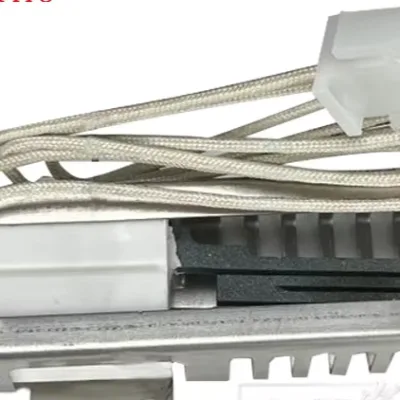
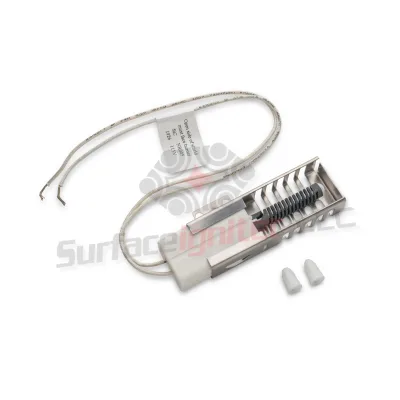
Gas Boiler Ceramic Ignition Needle Gas Boiler Parts Original Ignition Needle
$4.10 - $4.90
MOQ: 100 Pieces




Comprehensive Sourcing Guide
Strategic Sourcing Guide for Gas Boiler Flame Ignitors
Understanding Technical Specifications and Component Variability
When sourcing a Gas Boiler Flame Ignitor, buyers must navigate a landscape of diverse technical configurations that directly impact system compatibility and performance. The core component, often referred to as an ignition pin or metal rod, serves as the critical interface for initiating combustion in gas-fired heating systems. Based on observed market data, these components are not monolithic; they exhibit significant variation in material composition, physical dimensions, and electrical characteristics.
A primary technical differentiator is the material used for the metal rod. High-performance ignitors typically utilize alloys such as Ni80cr20, Cr27al7mo2, or 0cr25al5. These specific metallurgical formulations are selected for their ability to withstand extreme thermal cycling and resist oxidation within the combustion chamber. The diameter of these rods is equally critical, with observed specifications ranging from 2mm to 5mm, including specific increments of 2.5mm, 3mm, 3.5mm, and 4mm. Selecting the incorrect diameter can lead to improper spark gap formation or mechanical failure within the burner assembly.
Furthermore, the physical geometry of the ignitor varies to suit different boiler designs. Market observations indicate that shapes can be round, square, or configured with three pins. This geometric diversity is not merely aesthetic but is engineered to match the specific airflow and fuel distribution patterns of the target boiler model. For instance, a three-pin configuration may be required for specific industrial burners, while a simple round or square pin might suffice for residential units. Buyers must verify that the physical shape and pin count align precisely with the existing mounting hardware and burner port specifications of their equipment.
The electrical and thermal ratings also play a pivotal role in selection. Some units are rated for specific firepower ranges, such as 3kw to 3.99kw, which dictates the energy output required to sustain the ignition sequence. Additionally, the finish of the ceramic insulator is a key specification; a glazed finish is often observed to provide necessary electrical isolation and thermal protection. Without a proper glazed finish, the ceramic component may degrade rapidly under high-temperature conditions, leading to short circuits or grounding issues.
Compliance and Certification Verification
Ensuring that gas boiler flame ignitors meet international and regional safety standards is a non-negotiable aspect of B2B procurement. The reliability of an ignition system is directly tied to the safety of the entire heating apparatus, making certification a primary filter for supplier evaluation. Buyers should prioritize components that carry recognized certifications, which serve as third-party validation of manufacturing quality and safety compliance.
Observed market data highlights several key certifications associated with these components. The CE mark is a frequent indicator of compliance with European health, safety, and environmental protection standards. Additionally, the RoHS (Restriction of Hazardous Substances) directive is critical, ensuring that the materials used, particularly in the metal alloys and ceramic components, do not contain restricted hazardous substances. For markets in China, the CCC (China Compulsory Certification) is a mandatory requirement for many electrical and heating components.
Beyond these specific marks, the ISOCB (International Certification Organization for Boilers) certification is noted in certain product listings. This suggests a specialized level of scrutiny regarding the component's suitability for boiler applications. When evaluating potential suppliers, procurement teams must request valid certification documents rather than relying on marketing claims. It is essential to verify that the certifications listed on the product page or datasheet are current and applicable to the specific model number being sourced. For example, a model designated as "Ie-02" or "IE-V02" should have documentation explicitly linking that model to the claimed certifications.
Buyers must also be aware that certification status can vary by manufacturing location. Products originating from regions like Henan or Zhongshan in China may adhere to different local regulatory frameworks before achieving international recognition. Therefore, the presence of a certification should be cross-referenced with the product's origin to ensure that the supply chain is transparent and compliant with the destination market's import regulations.
Cost Drivers and Pricing Dynamics
The pricing structure for gas boiler flame ignitors is influenced by a complex interplay of material costs, manufacturing complexity, and order volume. The observed price range in the market is exceptionally broad, spanning from $0.10 to over $56,000 USD. This vast disparity indicates that the unit price is not a fixed metric but is highly dependent on the specific configuration, customization level, and the scale of the purchase.
The primary cost driver is the material composition. Components utilizing high-grade alloys like Ni80cr20 or specialized ceramic formulations with glazed finishes will inherently command a higher price point than those made from standard plastics or lower-grade metals. The complexity of the manufacturing process also affects cost; for instance, a "Packaged Boiler" ignition system or one requiring a "Fully Automatic Control" interface involves more intricate engineering than a basic standalone pin.
Order volume is another significant factor. The Minimum Order Quantity (MOQ) observed in the market ranges from 1 unit to 10,000 units. Suppliers often offer tiered pricing structures where the per-unit cost decreases as the order quantity increases. A buyer purchasing a single unit for a prototype or repair may face a price at the higher end of the spectrum, while a bulk procurement of 10,000 units could access significantly lower rates. The packaging method also contributes to cost; units shipped in individual cartons or custom packaging may incur higher logistics and material expenses compared to bulk packaging.
Customization is a major variable in pricing. The availability of customization allows buyers to tailor the ignitor to specific boiler models, but this service typically incurs additional costs. Standard models like "Ie-01" or "YN-C010" may be priced differently than fully customized solutions where the diameter, shape, or material is altered to meet unique specifications. Buyers should request detailed quotes that break down the base unit cost, customization fees, and packaging charges to understand the true cost drivers.
Typical Applications and Operational Context
Gas boiler flame ignitors are integral to a wide array of applications, ranging from residential heating to large-scale industrial processing. Understanding the specific application context is crucial for selecting the correct component, as the operational demands vary significantly across different sectors.
In the residential and light commercial sectors, these ignitors are commonly found in gas water heaters and domestic gas boilers. Applications here often involve "Natural Circulation" systems where the combustion process is relatively contained. The "Bingo" brand, for instance, is associated with ignition pins used in such contexts, often featuring a "High-Quality Materials" attribute to ensure longevity in home environments. The fuel type in these applications is typically Natural Gas or Liquefied Gas, requiring ignitors that can handle specific pressure and flow characteristics.
In the industrial sector, the requirements become more rigorous. Ignitors are deployed in "Steam Boilers" used for "Food Processing," "Beverage," "Textile," and "Dyeing" industries. These applications often involve "Low Pressure" systems with rated evaporation capacities ranging from 0.3 Ton to 20 Ton. The "WNS-Steam" model, for example, is designed for such industrial capacities. In these environments, the ignitor must withstand continuous operation, high thermal loads, and potentially harsh chemical environments. The "Fire Tube" structure and "Chamber Combustion" style of these industrial boilers dictate that the ignitor must be robust enough to handle "Fully Automatic Control" cycles without failure.
The "Drum Placement" of the boiler, whether horizontal or vertical, also influences the installation requirements. A "Horizontal Boiler" may require a specific mounting orientation for the ignitor to ensure optimal spark placement. Additionally, the "Media" being heated, such as steam, dictates the thermal stress the component must endure. Buyers must match the ignitor's "Manufacturing Level," often rated as "A" for high-performance units, to the demands of their specific application to prevent premature failure and ensure operational continuity.
Supplier Evaluation and Manufacturing Standards
Evaluating suppliers for gas boiler flame ignitors requires a deep dive into their manufacturing capabilities, quality control processes, and supply chain transparency. The "Manufacturing Level" is a key indicator of a supplier's capability, with "Level A" suggesting a high degree of standardization and quality assurance. Buyers should verify that the supplier has the infrastructure to produce components with the precise material compositions and dimensional tolerances required.
The origin of the product is another critical factor in supplier evaluation. Many of the observed products originate from China, with specific hubs like Henan and Zhongshan noted as production centers. While these regions are known for manufacturing expertise, buyers must ensure that the specific factory meets international quality standards. The "prod_standard" attribute, which can range from fixed dimensions like "15X8X5cm" to "Depend on boiler capacity" or "CUSTOMIZED," indicates the flexibility of the supplier's production line. A supplier offering "CUSTOMIZED" standards demonstrates the ability to adapt to unique buyer requirements, which is essential for specialized industrial applications.
Quality control is paramount, particularly given the safety implications of ignition systems. Buyers should inquire about the supplier's testing protocols, including checks for material purity, dimensional accuracy, and electrical performance. The "Warranty" period, often observed as "1 Year," serves as a baseline indicator of the supplier's confidence in their product. However, a warranty is only as good as the supplier's ability to honor it. Buyers should assess the supplier's track record for after-sales support and their capacity to handle returns or replacements in case of defects.
Furthermore, the "Product Packing" method, whether "0.25kg" units or "Carton" shipments, reflects the supplier's attention to detail in logistics and protection. Proper packaging ensures that the fragile ceramic and metal components arrive in pristine condition. A supplier that offers robust packaging solutions is more likely to maintain the integrity of the product throughout the supply chain, reducing the risk of damage during transit.
Quality Control and Long-Term Procurement Considerations
Implementing a rigorous quality control (QC) strategy is essential for mitigating risks associated with Gas Boiler Flame Ignitor procurement. Given the critical role these components play in safety and efficiency, buyers should establish clear acceptance criteria before placing orders. This includes verifying the "Material of Metal Rod" against the specified alloys and confirming the "Finish of Ceramic" is properly glazed. Dimensional checks should be performed to ensure the "Diameter of Metal Rod" matches the required specifications, such as the 2mm to 5mm range.
Long-term procurement considerations extend beyond the initial purchase to include supply chain resilience and lifecycle management. The "Rated Evaporation Capacity" of the boiler system dictates the lifespan of the ignitor; high-capacity industrial systems may require more frequent replacement or higher-grade components. Buyers should consider the "Operation" mode, such as "Fully Automatic Control," which may subject the ignitor to more frequent cycling and thus higher wear.
To ensure long-term success, buyers should maintain a relationship with suppliers who offer consistent quality and reliable lead times. The "MOQ" flexibility, ranging from 1 to 10,000 units, allows buyers to adjust their inventory levels based on demand fluctuations. However, maintaining a strategic stock of critical components can prevent production downtime in the event of supply chain disruptions.
Finally, buyers should monitor the "Application" trends in their industry. As industries like "Food Processing" and "Textile" evolve, the requirements for heating systems may change, necessitating upgrades to ignition technology. Staying informed about new standards and technological advancements ensures that the procurement strategy remains aligned with future operational needs. By focusing on these quality and strategic factors, buyers can secure a reliable supply of gas boiler flame ignitors that meet both current and future demands.
Comparative Analysis of Component Specifications
To facilitate informed decision-making, the following table summarizes key specifications observed in the market for gas boiler flame ignitors. This comparison highlights the variability in models, materials, and applications, aiding buyers in matching components to their specific needs.
| Feature Category | Observation 1 | Observation 2 | Observation 3 |
|---|---|---|---|
| Model Designation | Ie-02 | IE-V02 | YN-C010 |
| Material Composition | Ni80cr20, Cr27al7mo2 | 0cr25al5 | Plastic (Insulator) |
| Rod Diameter | 2mm - 5mm (Various) | 2.5mm, 3mm | Customized |
| Shape Configuration | Round, Square, Three Pins | Round | Three Pins |
| Primary Application | Gas Boiler, Gas Water Heater | Industrial Steam Boiler | Heat Pump Water Heater |
| Fuel Type | Natural Gas, Liquefied Gas | Natural Gas | Liquefied Gas |
| Certification | CE, RoHS, CCC, ISOCB | CE | RoHS, CCC |
| Packaging | 0.25kg, Carton | Carton | Customized |
| Origin | China (Henan, Zhongshan) | China | China |
| Warranty | 1 Year | 1 Year | 1 Year |
This table underscores the importance of precise specification matching. While all listed components serve the general purpose of ignition, the specific alloy, diameter, and certification requirements vary significantly. Buyers must use this data as a reference point for verification rather than assuming interchangeability between models. The diversity in "prod_standard" and "prod_packing" further emphasizes the need for detailed communication with suppliers to ensure the selected component aligns perfectly with the target boiler system.
FAQs
What materials are used for the metal rod in gas boiler flame ignitors?
High-performance ignitors typically utilize alloys such as Ni80cr20, Cr27al7mo2, or 0cr25al5. These specific metallurgical formulations are selected for their ability to withstand extreme thermal cycling and resist oxidation within the combustion chamber.
Which certifications should buyers verify for gas boiler flame ignitors?
Buyers should prioritize components carrying CE, RoHS, CCC, and ISOCB certifications. These marks serve as third-party validation of manufacturing quality and safety compliance for European, Chinese, and international boiler applications.
How does the diameter of the metal rod affect ignitor selection?
The diameter ranges from 2mm to 5mm, including specific increments like 2.5mm and 3.5mm. Selecting the incorrect diameter can lead to improper spark gap formation or mechanical failure within the burner assembly.
Can buyers request customization for Gas Boiler Flame Ignitor specifications?
Yes, customization is available for specific boiler models and requirements. This service allows buyers to tailor the ignitor to unique specifications, though it typically incurs additional costs compared to standard models.
What is the typical warranty period for gas boiler flame ignitors?
The observed warranty period is typically 1 Year. This serves as a baseline indicator of the supplier's confidence in their product quality and their capacity to handle returns or replacements in case of defects.
Which fuel types are compatible with these gas boiler flame ignitors?
These ignitors are compatible with Natural Gas and Liquefied Gas fuel types. The specific configuration must align with the fuel pressure and flow characteristics of the target boiler model to ensure safe ignition.