Source Gas Stove for Built-in, Outdoor, and Commercial Use
Find and compare 30 Gas Stove options for built-in kitchens, outdoor cooking, and commercial applications. Explore stainless steel and cast iron models with various burner configurations and certifications to meet your sourcing needs.
Key considerations
Products List




Comprehensive Sourcing Guide
Gas Stove Sourcing Guide
The global market for gas stoves presents a diverse range of options, from built-in residential units to specialized outdoor cooking equipment, each requiring distinct verification protocols. Buyers must navigate a landscape where product attributes vary significantly, including fuel types ranging from liquefied gas to propane, and structural designs that span horizontal and vertical configurations. Understanding these fundamental differences is the first step in aligning procurement with specific operational needs, whether for a commercial kitchen, a residential renovation, or an outdoor event setup.
Sourcing decisions should be grounded in the observed listing signals that define the current supply chain reality. Data indicates a wide price spectrum, with observed listings ranging from 5 to 910 USD, reflecting the disparity between basic portable burners and complex built-in systems with integrated steam ovens and grills. This variance necessitates a clear definition of requirements before engaging suppliers, as the presence of features like pulse-jet ignition or cast iron pan supports will directly influence the unit's cost and suitability for the intended application.
Product Scope and Observed Listing Signals
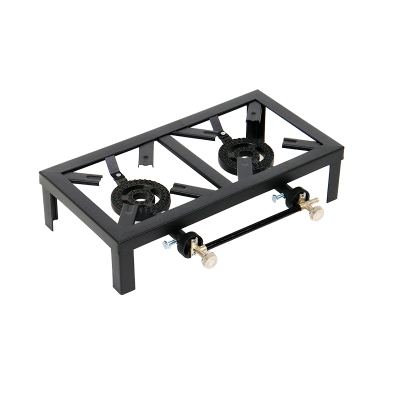
Buyers must first distinguish between the primary categories of gas stoves available, as the product scope includes both built-in cookers and standalone heating equipment. The market features built-in gas cookers with front controls, available in configurations with three or five burners, alongside portable outdoor stoves designed for applications like seafood boiling. These distinct categories serve different user needs; the built-in models often integrate with kitchen cabinetry and offer advanced functions like self-cleaning, while outdoor units prioritize portability and high heat output for specific culinary tasks.
The material composition and structural design are critical signals that indicate the intended durability and installation method of the unit. Stainless steel is a prevalent material for both the body and cooktop, often paired with tempered glass panels or cast iron supports to ensure stability and heat resistance. In contrast, some outdoor or specialized units utilize iron-based materials or cast iron components, which may offer different thermal properties. Buyers should verify the specific material claims against the product model, such as the HM-3100 series for built-in units or portable models with specific dimensions like 4832.511.5cm, to ensure the physical attributes match the installation space or usage environment.
Technical Specifications to Verify
Technical verification begins with the ignition system and burner configuration, which are central to the stove's operational reliability. The observed data highlights pulse-jet ignition as a specific feature for certain models, a mechanism that offers consistent lighting without the need for manual matches. Buyers must confirm the number of burners, as listings show distinct models with either three or five burners, and verify the burner type, which can range from single burners for portable units to multi-burner arrays for built-in cookers. Ensuring the ignition mode matches the user's preference for convenience and safety is essential before finalizing a purchase order.
Fuel compatibility and power output are equally critical technical parameters that must be validated against the supplier's specifications. While some units are designed for liquefied gas, others specifically support propane gas, and the power source is consistently listed as gas across the board. Buyers should check the heat power ratings, noting that portable outdoor stoves may offer outputs around 5KW, while built-in models with additional functions like steam ovens will have different energy requirements. The inclusion of accessories such as hoses and regulators is also a key specification to verify, ensuring the unit is ready for immediate installation without the need for additional component sourcing.
Compliance and Safety Documentation
Safety compliance is a non-negotiable aspect of Gas Stove procurement, requiring verification of multiple international and regional certification standards. The supply chain data indicates that products often carry certifications such as CB, CE, RoHS, Saso, UL, and Ur, which signal adherence to specific safety and environmental regulations. Buyers must request valid certification documents for the specific model they intend to purchase, as the presence of these marks does not automatically guarantee that every unit in a batch meets the same rigorous standards. Confirming that the certification applies to the exact product model, such as the HM-59004 or HM-59022, prevents the risk of receiving non-compliant equipment.
In addition to product certifications, buyers should verify the manufacturing standards and quality control processes employed by the supplier. The observed listings reference standards like CE, BV, and SGS, which suggest a commitment to quality assurance during production. It is vital to ensure that the supplier can provide test reports or quality certificates that align with these standards, particularly for products intended for markets with strict safety regulations. The origin of the product, often listed as Guangdong or Ningbo in China, should be cross-referenced with the certification body to ensure the documentation is legitimate and issued by an accredited entity.
Cost Drivers and Commercial Terms
The cost of gas stoves is driven by a complex interplay of material quality, functional complexity, and production volume. The observed price range of 5 to 910 USD reflects the difference between simple portable burners and sophisticated built-in units with features like self-cleaning and steam ovens. Buyers should analyze the cost structure based on the specific features required, understanding that stainless steel bodies, tempered glass panels, and advanced ignition systems will command higher prices than basic iron-based models. This analysis helps in setting a realistic budget that balances performance requirements with financial constraints.
Commercial terms, including Minimum Order Quantity (MOQ) and packaging standards, significantly impact the total cost of ownership and logistics planning. The market shows an MOQ range from 1 to 1000 pieces, with some specific models requiring orders of 500 pieces, which can influence the unit price through economies of scale. Packaging is another cost factor, with export standard cartons and foam protection being common, though some listings mention specific packing codes like 3A. Buyers must negotiate these terms carefully, considering the lead time and the potential for customization, which is noted as available for many models, to ensure the final delivered cost aligns with the project budget.
Supplier Qualification and Quality Control
Supplier qualification requires a thorough assessment of the manufacturer's capabilities, particularly regarding their ability to handle OEM and ODM requests. The data indicates that many suppliers operate under OEM/ODM brand names, suggesting flexibility in customization and branding. Buyers should verify the supplier's production capacity and their experience with the specific product models, such as the Double-mouth stove or the HM series, to ensure they can meet volume demands without compromising quality. The availability of SKD/CKD (Semi-Knocked Down/Completely Knocked Down) options is also a key indicator of a supplier's logistical flexibility and experience in international trade.
Quality control processes must be rigorously defined and agreed upon before production begins to mitigate the risk of defects. Given the critical nature of gas appliances, buyers should insist on pre-shipment inspections that verify the structural integrity, ignition performance, and material quality of the units. The supplier's place of origin, whether in Hunan, Guangdong, or Zhejiang, may influence the local supply chain and quality control culture, but the ultimate responsibility lies with the buyer to define clear acceptance criteria. Establishing a robust quality control protocol that includes random sampling and functional testing is essential to ensure that the delivered products meet the specified technical and safety standards.
Long-Term Procurement Checks
Long-term procurement success depends on establishing a reliable supply chain that can adapt to changing market demands and regulatory updates. Buyers should maintain regular communication with suppliers to stay informed about any changes in certification requirements or material standards that could affect the product. The availability of customization and the supplier's willingness to accommodate specific requests, such as different burner configurations or fuel types, are indicators of a partner's long-term viability. Building a relationship based on transparency and mutual benefit ensures that the supply chain remains resilient against disruptions.
Continuous performance monitoring is essential to ensure that the gas stoves continue to meet safety and efficiency standards over time. Buyers should implement a system for tracking product performance in the field, including any feedback on ignition reliability, fuel consumption, and durability. This data can be used to refine future procurement specifications and to hold suppliers accountable for maintaining quality. By treating product attributes as observations rather than absolute claims, buyers can proactively address any issues that arise, ensuring that the long-term procurement strategy remains effective and aligned with the evolving needs of the market.
FAQs
What ignition mode do these gas stoves use?
These gas stoves utilize pulse-jet ignition for reliable startup. This feature is standard across the built-in gas cooker models listed, ensuring efficient operation without the need for manual lighting or external power sources for the ignition system.
Which certifications are available for these gas cookers?
The products hold multiple international certifications including CB, CE, RoHS, Saso, UL, and Ur. These standards verify safety and compliance for various global markets, making the stainless steel bodies and built-in units suitable for export to regions requiring strict regulatory adherence.
Can I customize the Gas Stove specifications?
Yes, customization is available for these Gas Stove units. Buyers can request specific configurations such as the number of burners, ranging from three to five, or choose between built-in and slide-in installation types to match their kitchen layout requirements.
What is the minimum order quantity for these stoves?
The minimum order quantity varies by product, ranging from one piece to one thousand pieces. Specific models like the portable outdoor Gas Stove have an MOQ of 500 pieces, while other built-in units may accept smaller initial orders depending on the supplier agreement.
Where are these gas stoves manufactured?
These gas stoves are primarily manufactured in Guangdong and Zhejiang provinces in China. Some specific models originate from Hunan, China, ensuring a diverse supply base while maintaining consistent quality standards for stainless steel and cast iron components used in the construction.
What fuel types are compatible with these stoves?
The stoves are designed to operate on liquefied gas and propane gas. This versatility allows them to be used in various settings, from indoor built-in kitchens to outdoor cooking applications, provided the correct hose and regulator accessories are included with the unit.