Source Gas Swiss Roll Baking Machine for Bakery Factory
Compare 30 Gas Swiss Roll Baking Machine listings from verified Chinese suppliers. Evaluate specifications like capacity, fuel type, and tray sizes for bakery factories, food factories, and baking shops.
Key considerations
Products List


Fully Automatic Multifunctional Swiss Roll Layer Cake Baking Machine
$320000.00 - $550000.00
MOQ: 1 Sets

500kg/H Industrial Use Swiss Roll Cake Baking Machine with Gas Heating Tunnel Oven
$400000.00 - $420000.00
MOQ: 1 Sets


Bakery Machinery Fully Automatic Multifunctional Swiss Roll Layer Cake Baking Equipment
$320000.00 - $550000.00
MOQ: 1 Sets


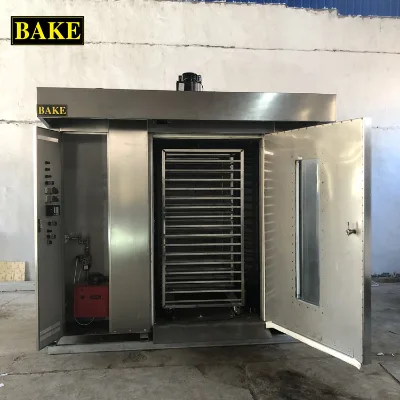


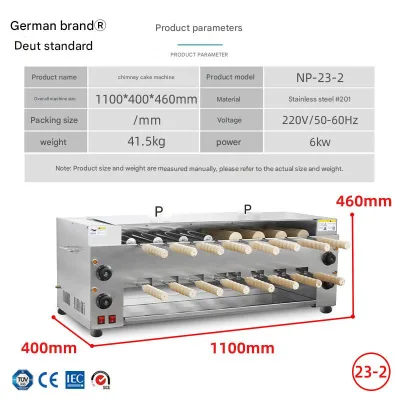
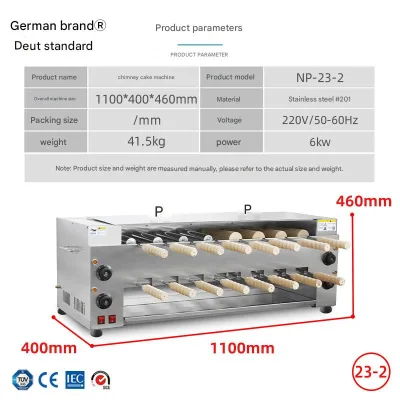
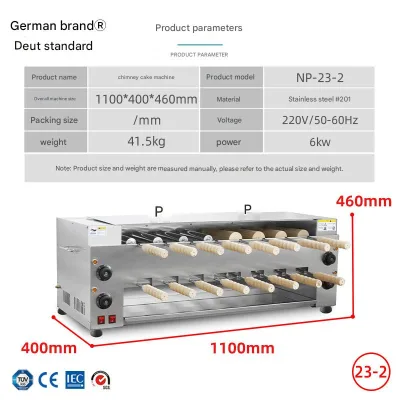
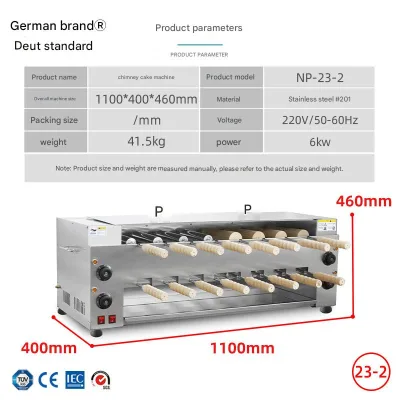
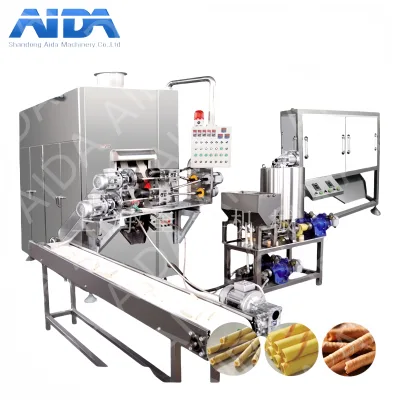

Automatic Rolled Sugar Cone Baking Machine Professional Machine Supplier
$3500.00 - $7000.00
MOQ: 1 Sets

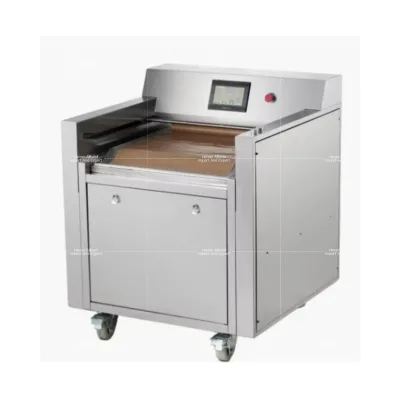
Bakery Equipment Large Capacity Swiss Roll Cake Manufacturing Machine
$20000.00 - $100000.00
MOQ: 1 Sets

Comprehensive Sourcing Guide
Strategic Sourcing Guide for Gas Swiss Roll Baking Machines
Understanding Core Technical Specifications and Operational Capacity
When sourcing a Gas Swiss Roll Baking Machine, buyers must first distinguish between the specific operational requirements of their production line and the broad capabilities of available machinery. The core keyword implies a machine designed for continuous or semi-continuous baking of rolled cakes, a process that demands precise thermal control and specific mechanical handling. Based on observed market data, these units often feature dual power source capabilities, with configurations available for both electric and gas operations. This flexibility is critical for facilities where fuel availability or cost fluctuates, allowing operators to switch between electric, gas, or diesel oil inputs depending on immediate logistical needs.
The physical dimensions and throughput capacity are primary determinants of a machine's suitability. In the current market, observed capacity ranges vary significantly, with some high-volume industrial units boasting a capacity of 600 to 1200 kilograms per hour. This level of output is typical for large-scale food factories or centralized bakery operations. Conversely, other configurations may be defined by tray capacity, such as units designed to hold 16, 32, or 64 trays simultaneously. The tray dimensions themselves are a crucial specification, with standard sizes observed at 400600mm and 600800mm. Buyers must align these dimensions with their existing mold inventory to ensure seamless integration.
Mechanical specifications further define the machine's efficiency. A notable configuration involves a motorized rolled system with specific dimensions, such as 320*240mm, which facilitates the rolling process directly within the baking or cooling cycle. The number of rolling cores is another critical metric; some advanced models feature 24 rolling cores, while others may utilize a different arrangement of baking plates, such as 61 plates. The drive motor power is also a key indicator of performance, with observations of 2HP motors in specific automated grades. Additionally, the working requirement for these machines often includes a specific timing device, ensuring that the baking duration is consistent and programmable, which is essential for maintaining product uniformity across large batches.
Compliance, Certification, and Safety Standards
Navigating the regulatory landscape is a non-negotiable aspect of sourcing industrial baking equipment. The global market for food processing machinery is heavily regulated to ensure food safety and operational safety. Buyers should verify that the equipment carries recognized certifications. In the observed data, the CE mark is a frequent standard, indicating compliance with European health, safety, and environmental protection standards. Furthermore, specific industry standards such as HG-SRS800, HG-SRS1000, and HG-SRS1200 appear in product listings, suggesting a classification system based on model series or capacity tiers.
Material composition is intrinsically linked to compliance and food safety. The primary material observed for these machines is 304 Stainless Steel, often referred to as SS304. This grade of stainless steel is the industry standard for food contact surfaces due to its resistance to corrosion and ease of cleaning. The use of SS304 ensures that the machine does not leach harmful substances into the food product and can withstand the high temperatures and humidity associated with baking processes. Buyers must confirm that all surfaces touching the product, including baking plates and rolling mechanisms, are constructed from this specific material grade.
Beyond material and electrical safety, the operational environment must be considered. Some listings reference specific standards like ISOCE, which may relate to quality management systems or specific operational protocols. It is vital for buyers to request documentation proving that the machine meets the safety standards of their local jurisdiction, which may differ from the CE or ISO standards observed in the source data. The working requirements, such as compressed air consumption ranging from 0.8 to 1.0 cubic meters per hour, and water consumption of approximately 150kg per hour, must be factored into the facility's utility planning. Failure to verify these utility requirements can lead to installation delays or the need for costly retrofits to the factory infrastructure.
Cost Drivers and Total Cost of Ownership Analysis
The price range for gas Swiss roll baking machines is exceptionally wide, spanning from approximately $158.89 to $1,000,000. This vast disparity indicates that the base price is often a starting point for a highly configurable system rather than a fixed cost for a complete, ready-to-operate unit. Several factors drive these costs, primarily the level of automation, the capacity of the unit, and the complexity of the mechanical systems involved. High-capacity models with 600-1200kg/hour throughput and advanced timing devices naturally command higher prices than smaller, tray-based units.
Energy consumption is a significant long-term cost driver. While the initial purchase price is a one-time expense, the operational cost is recurring. Gas consumption varies by model, with observed ranges for LPG consumption between 31.5 and 40.5kg per hour for high-volume units, and specific consumption rates for LNG (17-19m3/hour) for others. Buyers must calculate the total cost of ownership (TCO) by estimating the fuel costs over the machine's lifespan. A machine with a lower upfront cost but higher gas consumption may be more expensive in the long run compared to a more efficient, albeit pricier, model.
Installation and packaging also contribute to the overall cost. The "Working Requirement" of 8, potentially referring to the number of operators or a specific setup parameter, can influence labor costs. Packaging standards vary from "Safe Packing" and "Water Proof Package" to "Standard Exp" and "Wooden Case." For international shipping, the choice of packaging affects freight costs and the risk of damage. The container capacity, noted as 6*40hq in some contexts, suggests that large orders or specific machine configurations may require multiple containers, further impacting logistics expenses. Buyers should request a detailed breakdown of costs, including shipping, installation, and commissioning, to avoid hidden expenses that inflate the effective price of the equipment.
Typical Applications and Production Versatility
Gas Swiss roll baking machines are designed for versatility, serving a broad spectrum of the food industry. The primary application fields identified include food factories, bakery factories, and bakery shops. This range suggests that the machinery is scalable, suitable for both large-scale industrial production and smaller commercial operations. The specific usage categories observed include cake, bread, pizza, biscuit, and even ice cream production. This versatility allows a single facility to produce a diverse product line using the same core equipment, provided the baking parameters can be adjusted.
The specific application of baking Swiss rolls requires precise control over the baking process to ensure the cake remains flexible enough to be rolled without cracking. The presence of a timing device is crucial here, allowing operators to fine-tune the baking duration for different recipes. The machine's ability to handle different raw materials, such as those requiring thermal processing, makes it adaptable to various dough formulations. Furthermore, the material of construction, specifically 304 Stainless Steel, ensures that the machine can handle the hygiene requirements of producing ice cream or other sensitive food items alongside traditional baked goods.
Capacity flexibility is another key aspect of application. While some units are fixed at 600-1200kg/hour, others offer customized capacity options. This allows buyers to select a machine that matches their current production volume with the ability to scale up in the future. The tray configurations, ranging from 16 to 64 trays, provide further granularity in matching the machine to the specific batch sizes required by the bakery's workflow. Whether the application is a high-volume factory producing thousands of units daily or a boutique shop producing smaller batches, the observed specifications indicate a wide range of solutions available to meet these diverse needs.
Supplier Evaluation and Quality Assurance Protocols
Evaluating suppliers for industrial baking equipment requires a rigorous approach to ensure reliability and long-term support. The origin of the machines is a significant factor, with Ningbo and Guangzhou in China identified as key manufacturing hubs. Buyers should verify the specific origin of the machine they are purchasing, as this can impact shipping logistics and lead times. The "prod_origin" field indicates that while the general origin is China, specific cities may offer different levels of expertise or supply chain advantages.
Quality assurance should be a central part of the supplier evaluation process. Buyers must request evidence of the "Automatic Grade" of the machine, as this indicates the level of automation and consistency in production. The "prod_packing" standards, such as "Stainless Steel" or "Wooden Case," should be verified to ensure the machine arrives in good condition. Additionally, the "Installation Power" of 55kw and the "Power" rating of 45 (likely referring to a specific component or motor rating) must be confirmed against the supplier's technical data sheets.
Supplier reliability is also measured by their ability to provide clear documentation on standards and models. The observed models, such as DR-C1200, HG-SSR1200, and HG-SSR, suggest a standardized naming convention that buyers can use to track specific product lines. Buyers should ensure that the supplier provides a comprehensive manual detailing the "Working Requirement" and "Compressed Air Consumption" to facilitate proper installation. Furthermore, the "Certification" status, such as ISOCE or CE, should be validated with original certificates rather than relying solely on marketing claims. A reputable supplier will be transparent about these details and willing to provide third-party verification if requested.
Long-Term Procurement and Maintenance Considerations
Procuring a Gas Swiss Roll Baking Machine is not a one-time transaction but the beginning of a long-term operational relationship. Maintenance and spare parts availability are critical considerations that can determine the machine's lifespan and productivity. The "Raw Material" of 304 Stainless Steel is durable, but the mechanical components, such as the "Drive Motor" and "Rolling Cores," are subject to wear and tear. Buyers should inquire about the availability of spare parts, particularly for the "Motorized Rolled System" and "Baking Plates," which are high-use components.
Energy efficiency remains a long-term concern. As fuel prices fluctuate, the ability to optimize gas consumption becomes a competitive advantage. The observed "Appox Gas Consumption" figures provide a baseline, but buyers should ask suppliers for real-world efficiency data under various load conditions. The "Timing Device" and automation features should be evaluated for their potential to reduce waste and energy usage over time.
Finally, the "Standard Exp" and "Water Proof Package" indicate that the machine is designed for longevity, but proper storage and maintenance are essential. Buyers should establish a maintenance schedule that includes regular cleaning of the "Rolling Stations" and inspection of the "Drive Motor." The "Application Fields" suggest that the machine will be used in demanding environments, so a robust maintenance plan is necessary to prevent downtime. By focusing on these long-term factors, buyers can ensure that their investment in a Gas Swiss Roll Baking Machine delivers consistent value and operational efficiency for years to come.
Comparative Analysis of Key Machine Attributes
To assist buyers in making informed decisions, the following table summarizes the key attributes observed in the market for gas Swiss roll baking machines. This comparison highlights the variability in specifications and helps identify the features most relevant to different production needs.
| Attribute | High-Volume Industrial Model | Standard Commercial Model | Customizable/Small Batch Model |
|---|---|---|---|
| Capacity | 600-1200 kgs/Hour | 16-64 Trays | Customized |
| Power Source | Electric / Gas / Diesel | Electric / Gas | Electric / Gas |
| Material | 304 Stainless Steel (SS304) | Stainless Steel | SS304 |
| Model Series | DR-C1200, HG-SSR1200 | HG-SSR | Various Sizes |
| Gas Consumption | 31.5-40.5 kg/H (LPG) | 11-13 kg/H (LPG) | Variable |
| Certification | CE, ISOCE | CE | CE |
| Origin | Ningbo, China | Guangzhou, China | China |
| Packing | Water Proof, Wooden Case | Safe Packing | Standard Exp |
| Automation | Automatic Grade | Automatic | Semi-Automatic |
This table illustrates that while the core function remains the same, the specifications vary significantly based on the intended scale of operation. Buyers should use this framework to match their specific production requirements with the appropriate machine configuration, ensuring that they select a unit that balances capacity, efficiency, and cost effectively.
FAQs
What power sources are available for gas swiss roll baking machines?
These machines typically support electric, gas, and diesel oil power sources. Buyers can select configurations based on fuel availability, with specific models offering dual power capabilities to ensure operational flexibility during production.
Which certifications are standard for industrial baking ovens?
The CE mark is a frequent standard observed in the market for these units. Some listings also reference specific industry standards like HG-SRS800 or ISOCE, indicating compliance with safety and quality protocols for food processing equipment.
How much capacity can high-volume gas swiss roll baking machines produce?
High-volume industrial units can produce between 600 to 1200 kilograms per hour. Smaller configurations may instead be defined by tray capacity, such as holding 16, 32, or 64 trays simultaneously depending on the specific model selected.
What material is used for food contact surfaces in these ovens?
The primary material observed for food contact surfaces is 304 Stainless Steel. This grade ensures resistance to corrosion and ease of cleaning, meeting hygiene requirements for baking cakes, bread, and other sensitive food items.
Can buyers find customized capacity options for baking machines?
Yes, customized capacity options are available for many models in the current market. While some units are fixed at specific throughput rates, others allow buyers to select configurations that match their current production volume and future scaling needs.
What is the typical gas consumption for high-volume baking units?
Observed LPG consumption ranges between 31.5 and 40.5 kilograms per hour for high-volume units. Specific models may also list LNG consumption rates, requiring buyers to calculate total fuel costs based on their local energy pricing.