Source Gasifier Systems for Power Plants, Factories, and Mines
Find 30 Gasifier models including updraft, downdraft, and circulating fluidized bed types. Compare specifications for biomass and coal applications, noting power ratings from 500kW to 1200kW and varying gas purification systems to match your industrial energy needs; compare the available evidence and request quotations based on your requirements.
Key considerations
Products List


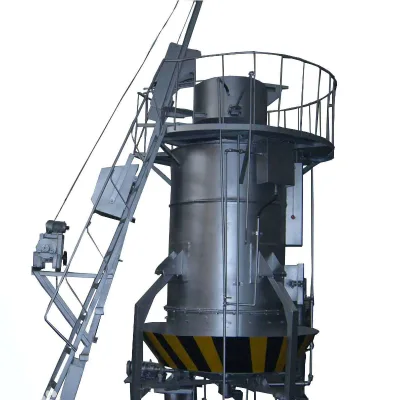


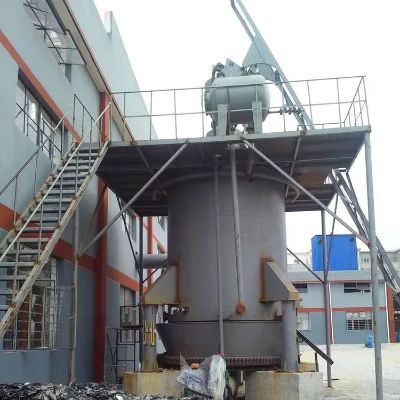

Single Stage Gasifier Gas Supply Manufacturing Producer by Chinese Supplier
$200000.00 - $300000.00
MOQ: 1 Sets

The Industrial-Grade High-Efficiency Two-Stage Gasifier with an Extremely Low Tar Content
$100000.00 - $1800000.00
MOQ: 1 Pieces


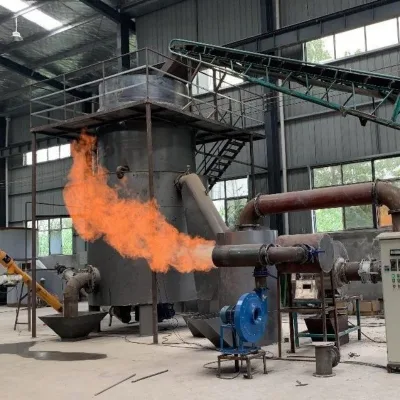
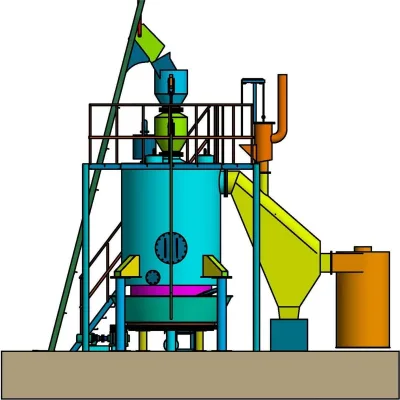


Comprehensive Sourcing Guide
Gasifier Sourcing Guide
Procuring industrial gasifiers requires a precise understanding of the distinct feedstock capabilities available in the current market, ranging from biomass to various coal types. Buyers must first distinguish between updraft fixed bed systems designed for biomass and circulating fluidized bed units optimized for coal, as these technologies dictate the entire downstream process. The observed listings indicate specific models like the UFBG and Coalwatt-DF1000, which serve different operational needs in medium factories and mines.
Selection depends heavily on matching the machine's rated power and gas output to the facility's actual energy demand. The data shows units ranging from 500 kW to 1200 kW, with gas production capacities varying significantly based on the fuel source. A buyer must verify if the specific model supports the required frequency and voltage standards for their local grid, ensuring the electrical interface matches the 220V to 13800V range observed in the supply chain.
Product Scope and Observed Listing Signals
The market presents a diverse array of gasification technologies, including updraft, downdraft, and circulating fluidized bed configurations, each tailored to specific fuel characteristics. Listings reveal that biomass gasifiers typically require moisture content below 20-35%, whereas coal units are engineered for specific coal ranks like meager, lean, or long flame coal. This distinction is critical because using the wrong fuel type can lead to operational failure or inefficient gas composition, making the initial product categorization a primary decision point.
Buyers should also note the variation in gas purification systems, with dry type gas cleaning being a common feature across the observed inventory. The physical footprint and ash discharge mechanisms, whether wet or dry, vary by model and directly impact the installation layout and maintenance requirements. Understanding these physical constraints is essential for facilities with limited floor space, as some units require up to 330 square meters of area for safe and efficient operation.
Technical Specifications to Verify
Technical due diligence must begin with the rated power and gas output metrics, which define the system's capacity to meet energy demands. The observed data highlights units with rated powers of 500 kW, 1000 kW, and 1200 kW, producing gas volumes between 1800 and 3600 Nm³/H. Buyers must confirm that the specific model's output aligns with their peak load requirements, ensuring the gas composition, such as the CO and H2 percentages, meets the efficiency standards of their intended application.
Feedstock specifications are equally critical, as the physical dimensions and moisture content of the fuel directly influence the Gasifier's performance. Biomass units generally require particle sizes between 20mm and 80mm with moisture levels under 16-35%, while coal gasifiers accept sizes ranging from 13mm to 50mm. Verifying these input parameters against the supplier's technical sheet prevents operational bottlenecks and ensures the heat value of the produced gas remains within the expected range of 1100 to 1300 kcal/Nm³.
Compliance and Safety Documentation
Safety and regulatory compliance are non-negotiable when sourcing industrial gasification equipment, particularly given the high-pressure and high-temperature nature of the process. The available listings frequently cite ISO and CE certifications, which serve as baseline indicators that the manufacturer adheres to international safety and quality management standards. Buyers must request current certification documents to verify that the specific unit model has been tested and approved for the intended industrial environment.
Beyond general certifications, documentation regarding the electrical safety and mechanical integrity of the Gasifier is essential for risk mitigation. The equipment operates at various voltage levels, from 220V up to 13800V, requiring strict adherence to local electrical codes and standards. Procurement teams should ensure that the supplier provides comprehensive manuals detailing the ash discharge systems and gas purification protocols to maintain a safe working environment for plant operators.
Cost Drivers and Commercial Terms
The pricing structure for gasifiers is heavily influenced by the rated power, feedstock type, and the complexity of the gas purification system included. Observed price ranges are vast, extending from approximately $986 to $1,800,000, reflecting the difference between smaller units and large-scale industrial installations. Buyers must analyze the total cost of ownership, considering that higher-rated power units and those with advanced dry gas cleaning systems command a premium price.
Commercial terms such as Minimum Order Quantity (MOQ) and packaging requirements also play a significant role in the final procurement cost. The data indicates an MOQ of 1 unit for most listings, offering flexibility for single-unit purchases, while packaging varies between wooden crates and ISO containers. These logistical factors affect shipping costs and insurance premiums, so buyers should negotiate clear terms regarding delivery, including the origin location, which is typically China or Jiangsu, to accurately calculate the landed cost.
Supplier Qualification and Quality Control
Evaluating supplier qualifications involves verifying their manufacturing history and their ability to provide consistent product quality across different Gasifier models. The presence of specific model numbers like UFBG and Coalwatt-DF1000 suggests a specialized production line, but buyers must confirm the supplier's track record in delivering these specific configurations. Quality control processes should be transparent, with the supplier willing to share details on how they manage the assembly of critical components like valves and air purification parts.
Customization availability is a key differentiator among suppliers, allowing buyers to tailor the Gasifier to their specific site conditions. The observed listings confirm that customization options are available, which is vital for adapting the equipment to unique fuel sources or space constraints. Buyers should engage suppliers early in the process to define these custom parameters, ensuring that the final product meets the precise operational requirements of the facility before production begins.
Long-Term Procurement Checks
Sustainable procurement requires establishing a framework for long-term performance monitoring and maintenance support. Buyers should verify the availability of spare parts and the supplier's commitment to after-sales service, as the continuous operation of gasifiers depends on the timely replacement of wear items like ash discharge mechanisms. A robust support network ensures that the equipment maintains its rated power and gas output efficiency over years of operation.
Finally, buyers must plan for periodic re-evaluation of the Gasifier's performance against the original specifications to detect any degradation in efficiency. Regular audits of the gas composition and heat value will help identify issues early, allowing for corrective actions before they impact production. Establishing a clear communication channel with the supplier for technical support and updates ensures that the gasification system remains a reliable asset for the facility's energy needs.
FAQs
What Gasifier models are available for biomass processing?
Available models include UFBG, Coalwatt-DF1000, and DFBG. These units support updraft, circulating fluidized bed, and downdraft fixed bed configurations. They handle biomass with moisture under 35% and sizes between 20-80mm. Each model offers specific gas production rates and ash discharge options for diverse industrial applications.
Can the Gasifier be customized for specific factory needs?
Yes, customization is available for various industrial requirements. The system supports rated powers from 500kW to 1200kW and multiple voltage options. Buyers can select between dry or wet ash discharge types. The purification system is designed as a dry type gas purification system to ensure efficient operation.
What certifications do the Gasifier units hold?
The Gasifier units hold ISO and CE certifications. These standards ensure compliance with international safety and quality requirements. The equipment is manufactured in China, with specific origins in Jiangsu. These certifications validate the reliability of the gas production and purification components for global sourcing.
How much biomass can the 1200kW model process?
The 1200kW model processes 1200-2400kg of biomass per hour. It produces 3000-3600 Nm3 of gas hourly. The unit requires biomass with moisture less than or equal to 35%. This capacity supports medium factories and mines, providing a stable heat value of at least 1100-1200kcal/Nm3 for consistent energy output.
What is the packaging method for shipping the Gasifier?
Packaging methods include wooden crates and ISO containers. The choice depends on the specific model and shipping requirements. This ensures safe transport of the Gasifier components. The packaging protects the equipment during transit from the origin in China to the destination, maintaining the condition of the new units.