Source Gasoline Concrete Power Trowel with 1530mm Disc for Leveling, Finishing, and Compacting
Find and compare 30 Gasoline Concrete Power Trowel with 1530mm Disc options from verified suppliers. Evaluate models like CRT30H and DMR100D based on engine type, rotor structure, and productivity rates to select the right equipment for your construction projects.
Key considerations
Products List


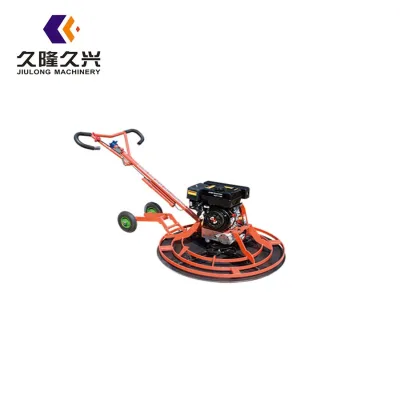

Gasoline Concrete Power Trowel Concrete Electric Hand Held Power Trowel
$300.00 - $1000.00
MOQ: 1 Pieces

Hand-Held Concrete Road Power Trowel Gasoline Diesel Concrete Power Trowel on Sale
$300.00 - $1000.00
MOQ: 1 Pieces


High Performance Ride-on Power Trowel with 10 Blades for Concrete Grinding
$8395.00 - $11075.00
MOQ: 1 Pieces


Comprehensive Sourcing Guide
Gasoline Concrete Power Trowel with 1530mm Disc Sourcing Guide
When sourcing a gasoline concrete power trowel equipped with a 1530mm disc, buyers must navigate a market characterized by diverse engine configurations and structural variations. The core keyword highlights a specific disc diameter that significantly influences the machine’s coverage area and operational efficiency on large-scale concrete projects. Procurement teams should recognize that while the disc size is a fixed physical attribute, the surrounding components such as the engine brand, gearbox type, and blade configuration vary widely across suppliers. This guide provides a structured approach to evaluating these machines based on observed market data and standard industry practices, ensuring that procurement decisions are grounded in verifiable technical and commercial realities.
The primary objective in sourcing this equipment is to align the machine’s capabilities with the specific demands of the construction site, particularly regarding concrete pavement leveling and surface compaction. Buyers must understand that a 1530mm disc suggests a heavy-duty application, likely requiring robust power transmission and stable handling under load. The following sections detail the critical verification steps, compliance requirements, and commercial considerations necessary to secure a reliable unit. By focusing on evidence-based selection criteria, procurement professionals can mitigate risks associated with performance inconsistencies and after-sales support gaps.
Product Scope and Observed Listing Signals
The observed market for concrete power trowels reveals a wide range of specifications, with listed prices spanning from $105 to $11,075 USD and minimum order quantities (MOQ) typically ranging from 1 to 10 units. This broad price spectrum indicates significant variation in build quality, engine origin, and included accessories. Buyers should note that lower price points may correspond to basic models with standard engines, while higher-end listings often feature premium brands like Honda, Briggs & Stratton, or Vanguard, along with advanced features such as hydraulic adjustment mechanisms. Understanding this range helps in setting realistic budget expectations and identifying suppliers who offer value rather than just low cost.
Observed product attributes highlight key differentiators such as engine type, structure, and operational mode. Common engine options include Briggs & Stratton, Lifan, Honda, Loncin, and Vanguard, with power ratings often cited around 5.0 to 6.5 HP. The structure of the trowel is frequently described as rotor type or spiral type, which affects the cutting action and finish quality. Additionally, the condition is consistently listed as "New," and customization is available for certain models, allowing buyers to tailor the machine to specific site requirements. These signals provide a baseline for comparing supplier offerings and identifying machines that meet the core functional needs of concrete leveling and smoothing.
Technical Specifications to Verify
Verifying the technical specifications of a gasoline concrete power trowel is critical to ensuring it meets the operational demands of the project. Buyers should confirm the exact disc diameter, as the core keyword specifies 1530mm, but observed listings show variations such as 980mm or 1020mm. It is essential to ensure that the machine’s working diameter matches the required coverage area to avoid inefficiencies on large slabs. Additionally, the blade speed, often observed in the range of 120-140 RPM or 70-130 RPM, should be verified to ensure it provides adequate finishing speed without damaging the concrete surface. Mismatched speeds can lead to poor finish quality or excessive wear on the blades.
The engine type and power output are another crucial area for verification. While many listings mention compatible engines like Honda or Lifan, buyers must confirm the specific model and horsepower to ensure sufficient power for the 1530mm disc load. The feeding height, observed at 1400mm in some listings, and the vibrating amplitude, noted at 0.8mm, also impact the machine’s stability and finish quality. Buyers should request detailed technical drawings or specification sheets to confirm these dimensions and ensure compatibility with existing site equipment. Furthermore, the operation method, whether manual or automatic, should be clearly defined to align with the labor resources available on the construction site.
Compliance and Safety Documentation
Compliance with safety and environmental standards is a non-negotiable aspect of sourcing construction machinery. Buyers must verify that the power trowel holds relevant certifications, such as CE and ISO9001, which are commonly observed in the market. These certifications indicate that the manufacturer adheres to specific quality management and safety standards, reducing the risk of mechanical failure or safety hazards during operation. It is important to request copies of these certificates and verify their validity with the issuing bodies to ensure they are current and applicable to the specific model being purchased.
In addition to certifications, buyers should ensure that the machine comes with comprehensive safety documentation, including operator manuals and maintenance guides. These documents should provide clear instructions on safe operation, emergency shutdown procedures, and routine maintenance tasks. For gasoline-powered equipment, it is also important to verify compliance with local emissions regulations, especially if the machine will be used in urban or environmentally sensitive areas. Buyers should inquire about the availability of spare parts and technical support to ensure long-term compliance with safety and operational standards.
Cost Drivers and Commercial Terms
The cost of a gasoline concrete power trowel is influenced by several factors, including the engine brand, disc size, and additional features such as hydraulic adjustment or custom packaging. Buyers should analyze the price range of $105 to $11,075 USD to understand the value proposition of different suppliers. Higher prices often correlate with premium engines, robust construction, and better after-sales support, while lower prices may indicate basic models with limited features. It is essential to compare the total cost of ownership, including maintenance, spare parts, and potential downtime, rather than focusing solely on the initial purchase price.
Commercial terms such as MOQ, lead time, and payment conditions also play a significant role in the procurement process. Observed MOQs range from 1 to 10 units, offering flexibility for both single-unit purchases and bulk orders. Buyers should negotiate favorable payment terms, such as partial upfront payment and balance upon delivery, to mitigate financial risk. Additionally, it is important to clarify the shipping and packaging details, as observed packing methods include wooden cases, cartons, and custom options. Proper packaging is crucial to prevent damage during transit, especially for heavy machinery with delicate components like the disc and engine.
Supplier Qualification and Quality Control
Selecting a qualified supplier is critical to ensuring the reliability and performance of the gasoline concrete power trowel. Buyers should verify the supplier’s manufacturing capabilities, including their production facilities, quality control processes, and after-sales service infrastructure. Suppliers with a proven track record in producing construction machinery are more likely to deliver high-quality products that meet the specified technical requirements. It is advisable to request references or case studies from previous clients to assess the supplier’s reputation and reliability in the market.
Quality control measures should be clearly defined and agreed upon before placing the order. Buyers should inquire about the testing procedures used to verify the machine’s performance, including engine start-up tests, disc balance checks, and operational stress tests. Additionally, it is important to confirm the availability of spare parts and technical support to ensure long-term operational efficiency. Suppliers that offer online support or on-site assistance can provide valuable assistance in troubleshooting issues and performing routine maintenance. By prioritizing suppliers with robust quality control and support systems, buyers can minimize the risk of operational disruptions and ensure a smooth procurement process.
Long-Term Procurement Checks
Long-term procurement success depends on establishing a sustainable relationship with the supplier and ensuring the ongoing availability of spare parts and support. Buyers should develop a maintenance plan that includes regular inspections, lubrication, and blade replacements to extend the life of the power trowel. It is important to keep detailed records of maintenance activities and any issues encountered during operation to facilitate timely troubleshooting and repairs. Suppliers that provide comprehensive maintenance guides and readily available spare parts can significantly reduce downtime and operational costs.
Furthermore, buyers should periodically review the supplier’s product offerings and market trends to stay informed about new technologies and improvements in power trowel design. This proactive approach allows procurement teams to make informed decisions about future purchases and upgrades. By maintaining open communication with the supplier and staying engaged with industry developments, buyers can ensure that their equipment remains competitive and efficient. Long-term procurement checks also involve evaluating the supplier’s responsiveness to feedback and their ability to adapt to changing market conditions, ensuring a reliable partnership over time.
FAQs
What engine options are available for this trowel?
The machine supports multiple engine brands including Briggs and Stratton, Lifan, Honda, Loncin, Vanguard, and Robin. You can select a gasoline engine based on your power needs, with options ranging from 5.0 to 6.5 HP for efficient operation.
Can I customize the packaging for this equipment?
Yes, customization is available for the packaging of this construction machinery. Options include wooden cases, cartons, or custom solutions to ensure safe transport and storage of the concrete pavement leveling tool during international shipping.
Which certifications does this product hold?
The equipment holds CE and ISO9001 certifications, ensuring compliance with international safety and quality standards. These certifications apply to various color options like blue, red, and yellow, confirming the reliability of the manufacturing process.
How is the working diameter specified for this model?
The working diameter is specified as 980mm for certain models like the DMR100D, while others may differ. This dimension determines the coverage area per pass, which is critical for efficient concrete ground surface compaction and smoothing tasks.
What is the productivity rate of this machine?
The productivity rate reaches up to 240 cubic meters per hour for specific shotcrete applications. This high output makes the machine suitable for large-scale concrete pavement leveling projects requiring rapid and consistent surface finishing.
Can I get online support for after-sales service?
Yes, online support is provided as part of the after-sales service package for this machinery. This ensures you receive technical assistance and troubleshooting guidance remotely, helping to minimize downtime during your concrete construction operations.