Source USDA Organic Soybean Daidzein Powder for Health Care, Food, and Medicine
Find 30 verified suppliers of USDA Organic Soybean Daidzein Powder for health care, food, and medicine applications. Buyers can compare specifications, certifications, and prices for natural soybean extracts in powder form; compare the available evidence and request quotations based on your requirements.
Key considerations
Products List


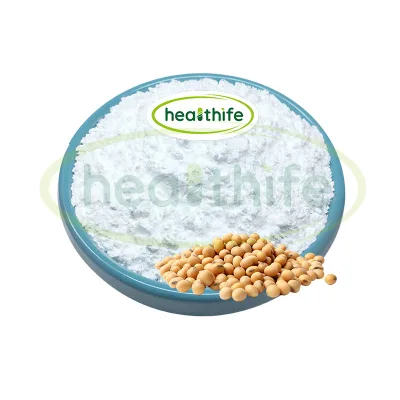


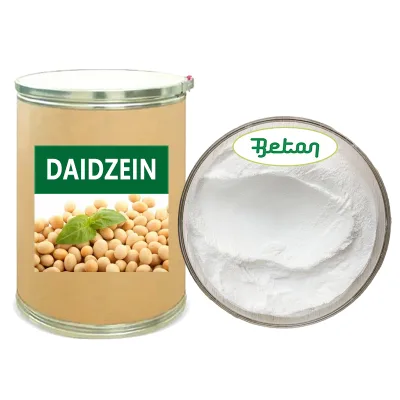
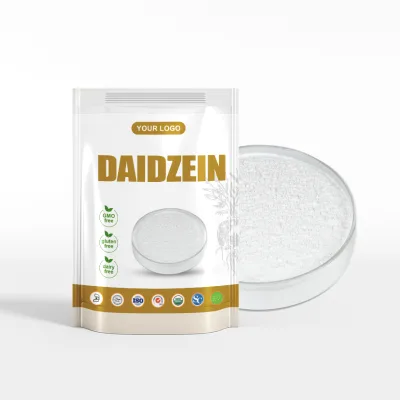
Factory Supply Soybean Extract Daidzein Seed Extract Powder 95-98% Daidzein
$92.68 - $154.46
MOQ: 1 Minimum



Comprehensive Sourcing Guide
USDA Organic Soybean Daidzein Powder Sourcing Guide
Procuring USDA Organic Soybean Daidzein Powder requires distinguishing between standard herbal extracts and those meeting specific organic certification standards. While the market offers various soybean extracts with CAS No. 486-66-8, buyers must verify that the "Natural EU Organic" or equivalent organic claims are backed by valid documentation rather than generic marketing terms. The observed listings indicate a wide range of purity levels, from 98% to 99%, which directly impacts the suitability of the material for high-end pharmaceutical or cosmetic applications.
Buyers should carefully evaluate the cultivation method listed in product specifications, as the supply chain facts confirm "Artificial Planting" is a common attribute for these extracts. This distinction is critical because organic certification typically mandates specific agricultural practices that differ from standard artificial planting methods. Sourcing teams must request explicit proof of organic status for the soybean source material to ensure the final powder aligns with USDA Organic requirements, rather than assuming all herbal extracts labeled as soybean-derived meet these strict criteria.
Product Scope and Observed Listing Signals
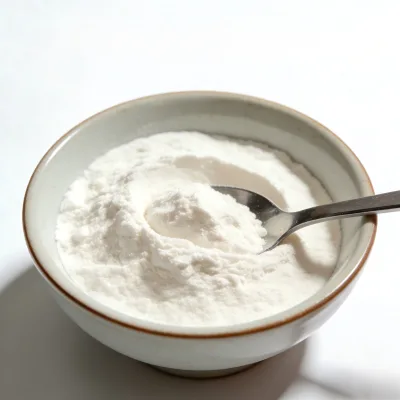
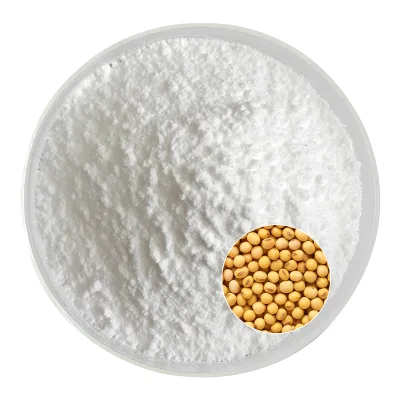
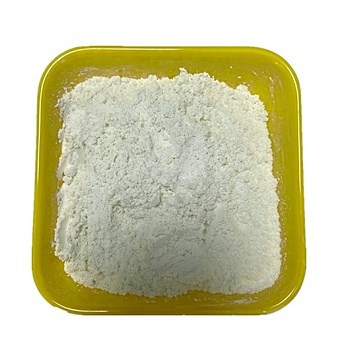
The product scope for Daidzein powder in the current market spans multiple physical forms and application categories, primarily appearing as light yellow or white crystalline powders. Listings frequently specify the part used as the leaf, though some variations exist, and the extraction type is predominantly solvent extraction. Buyers must scrutinize the appearance descriptions, as the observed data includes both "Light Yellow Powder" and "White Crystalline Powder," indicating potential differences in processing or purity that affect the final product's visual and functional properties.
Application signals in the listings reveal a broad utility across health care products, food, and medicine, with specific forms including capsules, tablets, pastes, and lotions. The functional claims extend to moisturizing, anti-aging, and acne treatment, suggesting a strong presence in the cosmetic sector alongside traditional health supplements. Procurement teams should verify that the specific application form they intend to use is supported by the supplier's tested data, as the observed application forms vary significantly between generic food-grade products and specialized pharmaceutical-grade extracts.
Technical Specifications to Verify
Technical verification begins with the assay method, as the observed data lists HPLC, UV, GPC, and HPLC-MS as common testing protocols. Buyers must confirm which specific method was used to determine the purity, as HPLC is generally preferred for high-precision quantification of Daidzein compared to UV methods. The observed purity specifications range from 98% to 99%, and the standard often mirrors these percentages, but buyers should not assume all listed products meet the higher 99% threshold without reviewing the specific Certificate of Analysis for each batch.
Storage and shelf life parameters are equally critical for maintaining the integrity of the extract, with observed data indicating a shelf life of 24 months or two years. The recommended storage conditions vary between "Cool Dry Place" and "Normal Temperature," requiring buyers to align their logistics and warehousing capabilities with the supplier's specific storage requirements. Additionally, the packaging formats, ranging from 1kg bags to 25kg drums, must be selected based on the intended application scale and the need for moisture protection, such as aluminum foil bags or cardboard buckets.
Compliance and Safety Documentation
Compliance verification requires a rigorous review of the certification landscape, as observed listings include FDA, ISO, GMP, HACCP, BRC, and RoHS certifications. However, the presence of these certifications does not automatically guarantee USDA Organic status, which is a distinct regulatory requirement for organic claims. Buyers must explicitly request the organic certificate and cross-reference it with the supplier's production records to ensure the soybean source material was grown and processed according to organic standards, rather than relying solely on general food-grade or pharmaceutical certifications.
Safety documentation must also address the specific chemical identifiers and regulatory numbers associated with the product. The observed data confirms the CAS No. 486-66-8 and EINECS No. 207-635-4, which are essential for regulatory filings in various jurisdictions. Procurement teams should ensure that the supplier provides a comprehensive safety data sheet (SDS) that aligns with these identifiers and details any potential impurities or residual solvents from the extraction process, ensuring the product meets the safety thresholds for its intended end-use in food or medicine.
Cost Drivers and Commercial Terms
Cost drivers in the Daidzein market are heavily influenced by the purity level, certification status, and the complexity of the extraction process. The observed price range of 1 to 845 USD suggests significant variance based on these factors, with higher purity grades and organic certifications commanding premium prices. Buyers should analyze the cost per unit of active ingredient rather than the total price per kilogram, as a lower-priced product with 98% purity may be more cost-effective than a higher-priced 99% product depending on the required dosage in the final formulation.
Commercial terms such as Minimum Order Quantity (MOQ) and lead times are variable, with observed MOQs ranging from 1 to 10,000 units. The standard pricing structure often depends on the quantity of goods ordered, as noted in the observed specifications, meaning larger orders may yield better unit economics. Buyers must negotiate clear terms regarding payment schedules, shipping responsibilities, and the handling of samples, which are noted as being in stock, to ensure a smooth transition from sampling to full-scale procurement without unexpected delays or cost overruns.
Supplier Qualification and Quality Control
Supplier qualification should focus on the consistency of their quality control processes and their ability to provide batch-specific testing data. The observed data indicates that suppliers utilize various assay methods, and a qualified supplier must demonstrate proficiency in the specific method required for the buyer's application, such as HPLC for high-precision purity verification. Buyers should request a detailed quality control plan that outlines how the supplier manages the transition from raw soybean leaves to the final powder, ensuring that the "Artificial Planting" method does not introduce contaminants that would violate organic or food-grade standards.
Quality control checks must also include a review of the supplier's track record regarding the "Quality Guarantee Period," which is observed to be two years in several listings. This guarantee period implies a commitment to product stability and performance over time, but buyers must verify the specific conditions under which this guarantee applies, including storage temperature and humidity limits. Establishing a robust supplier relationship involves regular audits of their production facilities and testing laboratories to ensure that the observed attributes like "White Crystalline Powder" appearance and "98%" purity are consistently maintained across all production batches.
Long-Term Procurement Checks
Long-term procurement strategies require ongoing monitoring of supply chain stability and the potential for regulatory changes affecting organic certifications. As the market for soybean extracts evolves, buyers must stay informed about updates to USDA Organic standards and how they might impact the availability of certified raw materials. Regular re-verification of the supplier's certification status is essential, as certifications like FDA, ISO, and GMP may require renewal or may be subject to changes in regulatory oversight that could affect the product's marketability.
Buyers should also implement a system for periodic re-testing of incoming shipments to ensure that the product specifications, such as the 98% or 99% purity and the specific assay results, remain consistent over time. This proactive approach helps mitigate the risk of supply chain disruptions or quality degradation that could arise from changes in the supplier's extraction methods or storage conditions. By maintaining a close relationship with the supplier and conducting regular quality audits, procurement teams can ensure a reliable supply of high-quality Daidzein powder that meets the rigorous demands of the health care and cosmetic industries.
FAQs
What is the purity specification for soybean daidzein powder?
The product is available in 98% and 99% purity grades. These specifications are verified using HPLC and UV assay methods. Buyers can select the specific model number based on their required concentration levels for health care or food applications.
Which certifications are provided for this herbal extract?
Certifications include FDA, ISO, GMP, HACCP, BRC, and RoHS. These documents ensure compliance with international safety and quality standards. The product meets food grade requirements and supports manufacturing in regulated environments for supplements and cosmetics.
How is the daidzein powder packaged for shipment?
Packaging options include 1kg aluminum foil bags, 25kg drums, and cardboard buckets. These methods protect the light yellow or white crystalline powder during transit. Proper sealing ensures the product remains stable when stored in cool, dry places at normal temperatures.
Can the product be customized for specific applications?
Yes, customization is available for various application forms. The extract can be processed into capsules, tablets, pastes, lotions, or injections. This flexibility allows manufacturers to integrate the ingredient directly into their existing production lines for health care or cosmetic products.
What is the shelf life and storage requirement?
The shelf life is two years or 24 months. The powder must be stored in a cool, dry place at normal temperature. This storage method preserves the integrity of the soybean extract and prevents degradation of the active daidzein compound over time.
What is the minimum order quantity for this extract?
The MOQ ranges from 1 to 10,000 units. This wide range accommodates both sample testing and bulk industrial procurement. Buyers can order small quantities for quality verification before committing to larger drum or bag shipments for commercial manufacturing purposes.