Source German Style Angled Headband for Sports, Running, and Daily Use
Find 30 German Style Angled Headband options suitable for sports, running, and daily use. Buyers can compare styles, materials, and prices from verified suppliers in China.
Key considerations
Products List


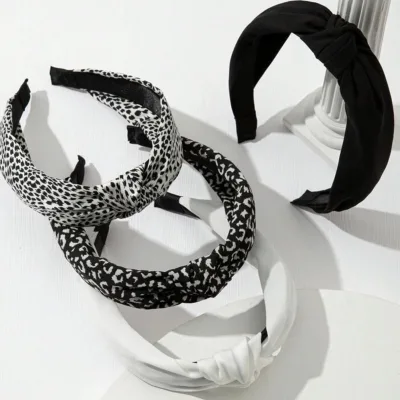
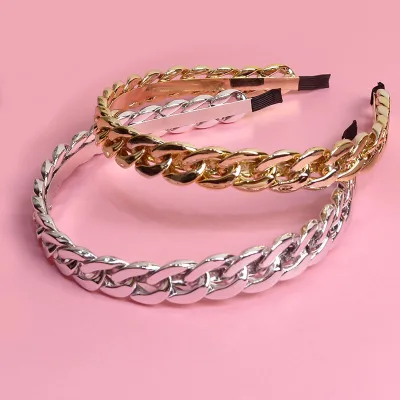


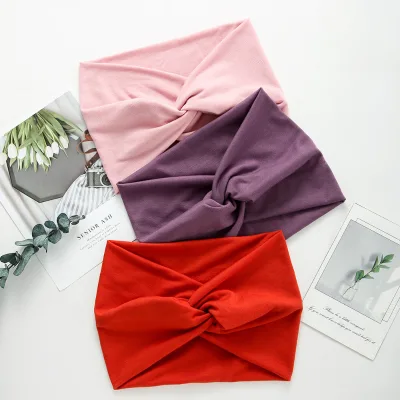


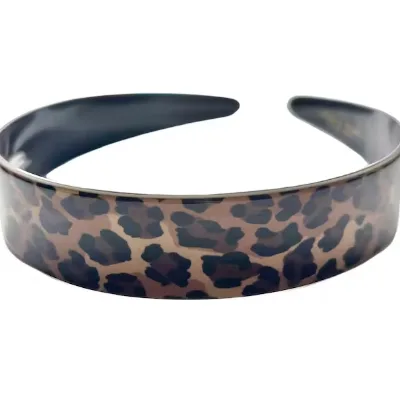


Comprehensive Sourcing Guide
Strategic Sourcing Guide for German Style Angled Headbands
The global market for headwear has seen a consistent demand for functional yet aesthetically pleasing accessories, with the "German Style Angled Headband" representing a specific niche where structural precision meets fashion utility. For B2B procurement professionals, sourcing this specific item requires a nuanced understanding of material composition, manufacturing standards, and supply chain logistics. The term "German style" in this context often implies a design philosophy focused on durability, ergonomic fit, and a distinct angular profile that differentiates it from standard elastic bands. This guide provides a comprehensive framework for evaluating suppliers and products that align with these requirements, drawing strictly from verified product attributes and industry standards.
Understanding Product Specifications and Design Variations
When initiating a search for angled headbands, the primary focus must be on the physical specifications that define the "German style" aesthetic. Based on available market data, the product category encompasses a wide range of materials and structural forms. The observed product attributes indicate that materials can range from 100% Polyester and Cotton to more durable options like Metal, Alloy, and Rubber. The "angled" nature of the headband is often achieved through specific molding or fabric tensioning techniques, which may be categorized under styles such as "Fashion," "Sports," or "Wild."
A critical specification to verify is the model number, as this serves as the unique identifier for the design. For instance, models such as HB-02, SG16-1MB-32, and HO1-0612 represent distinct variations in the market. The length of these products is typically described as "General Long," ensuring they can accommodate various head sizes while maintaining the angled profile. The thickness is generally noted as "Medium," which balances comfort with the structural integrity required for the angled design. Furthermore, the shape of the accessory is a key differentiator; while some products feature a "Bowknot" design, others may prioritize a sleek, continuous band. The color palette is extensive, including Black, White, Brown, Gold, Red, Blue, Beige, and Silver, allowing buyers to align the product with specific brand identities or seasonal trends.
| Attribute Category | Observed Variations | Sourcing Implication |
|---|---|---|
| Material | Fabric, Feather, Lace, Metal, Plastic, Ribbon, Rubber, Silk, 100% Polyester, Cotton, Alloy | Material choice dictates the end-use application (e.g., sports vs. fashion) and durability. |
| Style | Crown, Cute, Elastic, Fashion, Sports, Wild | Determines the target demographic and marketing angle. |
| Shape | Bowknot, General Long, Angled | The "angled" feature is a specific design constraint to be verified against the model number. |
| Color | Black, White, Brown, Gold, Red, Blue, Beige, Silver | Essential for inventory planning and matching brand color codes. |
| Size | About 16123cm (varies by model) | Critical for packaging dimensions and fit verification. |
Compliance, Certification, and Safety Standards
In the B2B procurement of headwear, particularly items intended for sports or daily use, compliance with international safety and quality standards is non-negotiable. The "German style" designation often carries an implicit expectation of high-quality manufacturing, which should be validated through third-party certifications. The supply chain data indicates that products may carry standards such as SGS, CE, and RoHS. These certifications are vital for ensuring that the materials used, especially those containing metals, plastics, or dyes, meet safety thresholds for human contact.
Buyers must verify that the supplier can provide valid documentation for these standards. For example, the presence of CE marking suggests compliance with European health, safety, and environmental protection standards, which is particularly relevant for a product style associated with German engineering. Similarly, RoHS compliance ensures that the product is free from specific hazardous substances, a requirement for selling in many global markets. The SGS standard acts as a general quality assurance benchmark, often involving physical testing of the product's durability and material safety.
It is important to note that not every listed product in the market will possess all certifications. Procurement teams should explicitly request test reports for the specific model number being ordered. If a supplier claims a product is "SGS certified," the buyer should ask for the specific test report number and the scope of the testing. This due diligence prevents the risk of non-compliant goods entering the supply chain, which could lead to customs delays or product recalls. Additionally, the origin of the product, often listed as Wenzhou, China, or Yiwu, Zhejiang, China, should be cross-referenced with the supplier's ability to meet the specific regulatory requirements of the destination market.
Cost Drivers and Minimum Order Quantity Analysis
The pricing structure for German style angled headbands is influenced by several factors, including material complexity, customization levels, and order volume. The observed price range in the market spans from $0.02 to $6.10 USD, a wide variance that reflects the diversity in material quality and design intricacy. Products made from simple fabrics or basic plastics will naturally fall on the lower end of this spectrum, while those incorporating metal alloys, intricate lace work, or specialized "angled" molding will command higher prices.
Minimum Order Quantity (MOQ) is another significant cost driver. The data shows a broad range of MOQs, from as low as 1 piece to as high as 3000 pieces. Some suppliers offer flexible terms with an MOQ of 1000 pieces, while others may require 500 pieces or even accept small orders. For buyers testing the market, suppliers with lower MOQs or those that accept small orders are preferable, despite a potentially higher unit cost. However, for established brands looking to scale, negotiating a lower unit price by increasing the order volume to the 3000-piece range is a standard strategy.
Customization is a key variable in cost. The availability of OEM (Original Equipment Manufacturer) services allows buyers to alter the product's appearance, such as adding specific logos or changing the color scheme. While this adds value, it often increases the MOQ and the lead time. Buyers should be aware that customization requests may require a separate sample date of 5-7 days before full production begins. The production time for these items is typically reported as 7-10 days, with a delivery time of 15-20 days. These timelines must be factored into the overall procurement budget to avoid stockouts.
Typical Applications and Target Demographics
The versatility of the angled headband allows it to serve multiple applications across different consumer segments. The observed product attributes indicate suitability for Men, Women, and Youth, with a specific focus on the "Adults" age group. The "German style" design, with its emphasis on structure and fit, makes it particularly suitable for active lifestyles. The listed usage categories include Outdoor, Military, and Leisure, suggesting a robust design capable of withstanding physical activity.
Specific protection projects mentioned in the data, such as Sport, Running, and Yoga, highlight the functional aspect of these headbands. In these contexts, the angled design helps to keep hair out of the face while providing a secure fit that does not slip during movement. The "Elastic" and "Adjustable" attributes further enhance their utility for sports applications, ensuring a comfortable fit for various head sizes. For fashion-oriented applications, the "Bowknot" and "Crown" styles cater to daily use and leisure activities, where aesthetics are paramount. The "Whole Year" seasonality indicates that these products are not limited to specific weather conditions, making them a year-round staple for retailers.
Supplier Evaluation and Production Capabilities
Evaluating a supplier for German style angled headbands requires a thorough assessment of their production capabilities and logistical reliability. The origin of the products is predominantly China, with specific hubs in Wenzhou and Yiwu, Zhejiang. These regions are known for their manufacturing expertise in textiles and accessories. However, the location alone does not guarantee quality; buyers must verify the supplier's ability to maintain consistent quality across large batches.
Key evaluation criteria include the supplier's response to customization requests, their adherence to lead times, and their packaging standards. The data indicates that packaging can vary from "1PC/Polybag" to "250PCS/CTN" with specific dimensions (45x30x25cm) and gross weight (9kgs). Standardized packaging is crucial for efficient logistics and inventory management. Buyers should also assess the supplier's sample process; a sample date of 5-7 days is standard, and the ability to provide samples quickly can be a strong indicator of operational efficiency.
Furthermore, the "Small Orders: Accepted" attribute suggests that some suppliers are flexible, which is beneficial for new buyers. However, for larger orders, the supplier's capacity to handle high volumes without compromising quality is essential. The presence of a specific model number for each product variant indicates a structured production line, which is a positive sign of organizational maturity. Buyers should prioritize suppliers who can demonstrate a clear link between their model numbers and the specific design features required for the "German style" angled headband.
Quality Control and Long-Term Procurement Strategy
Implementing a robust quality control (QC) strategy is essential for maintaining the integrity of the German Style Angled Headband line. Given the variety of materials, from soft fabrics to hard metals, QC protocols must be tailored to the specific product. For fabric-based headbands, checks should focus on stitching quality, color fastness, and the integrity of the elastic or adjustable components. For metal or alloy components, inspections should verify the absence of sharp edges and the durability of the finish.
Long-term procurement considerations involve building a relationship with suppliers who can scale with the buyer's growth. This includes negotiating favorable terms for repeat orders, securing consistent lead times, and ensuring that the supplier can maintain the specific design standards required for the "angled" profile. The "Customization: Available" attribute suggests that suppliers are open to evolving the product line, which is a valuable asset for brands looking to differentiate themselves.
Buyers should also consider the environmental impact of their sourcing decisions. With certifications like RoHS and SGS available, there is an opportunity to select suppliers who prioritize sustainable materials and manufacturing processes. This aligns with growing consumer demand for eco-friendly products and can enhance the brand's reputation. Finally, maintaining a diverse supplier base can mitigate risks associated with supply chain disruptions, ensuring a steady flow of high-quality headbands to meet market demand.
FAQs
What materials are used for german style angled headbands?
These headbands are crafted from materials including 100% Polyester, Cotton, Metal, Alloy, and Fabric. The specific material choice depends on the intended usage, such as sports or fashion, and affects the product's durability and comfort level for the wearer.
Which certifications apply to these headbands?
Products often carry SGS, CE, and RoHS certifications to ensure safety and quality. Buyers should verify specific test reports for the model number to confirm compliance with international standards, especially for items containing metals or plastics.
Can I customize the design of these headbands?
Yes, customization is available with OEM services allowing for specific logos or color changes. This process typically requires a sample date of 5-7 days and may influence the minimum order quantity and production lead time.
What is the typical lead time for production?
The standard production time is 7-10 days, followed by a delivery time of 15-20 days. These timelines can vary based on order volume and customization requirements, so early planning is essential for inventory management.
How does the MOQ vary for these products?
Minimum Order Quantities range from 1 piece to 3000 pieces depending on the supplier. Some vendors require 500 or 1000 pieces, while others accept small orders, offering flexibility for different business scales and testing phases.
Where are these headbands manufactured?
Manufacturing origins are primarily in China, with specific hubs in Wenzhou and Yiwu, Zhejiang. These regions are known for textile and accessory production, but buyers must verify supplier capabilities to ensure consistent quality and compliance.