Source Gesture Stunt RC Toy Car for Retail, Gifts, and Events
Compare 30 Gesture Stunt RC Toy Car listings from verified suppliers in China. Buyers can evaluate remote control features, battery types, and packaging options to find suitable models for retail, gifts, and events; compare the available evidence and request quotations based on your requirements.
Key considerations
Products List


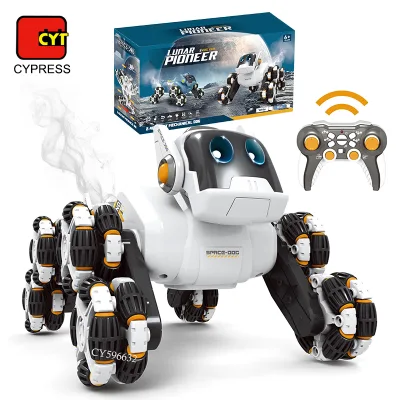


Gesture Sensing RC Stunt Car Hand Controlled All-Terrain Twisted RC Cars Outdoor
$5.40 - $10.99
MOQ: 10 Pieces


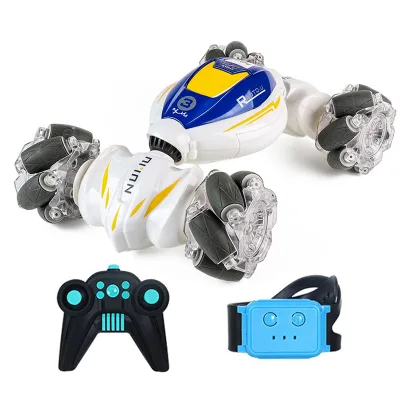
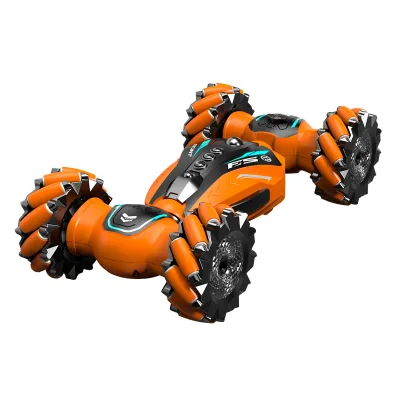
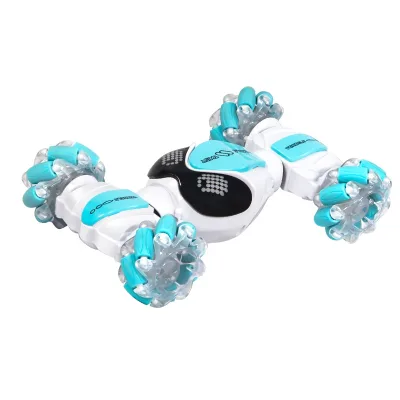


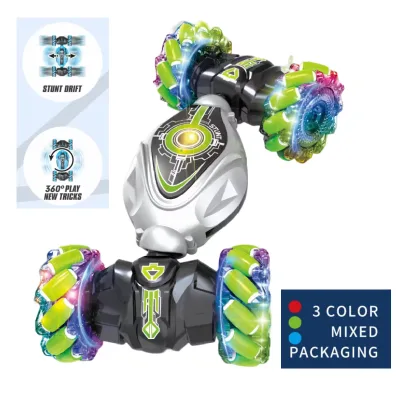

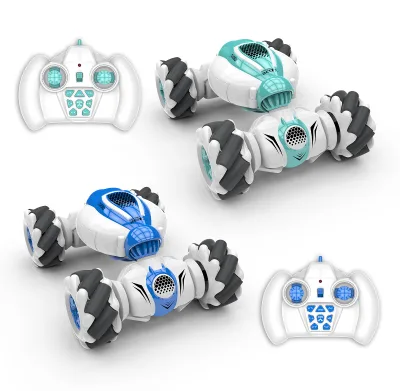
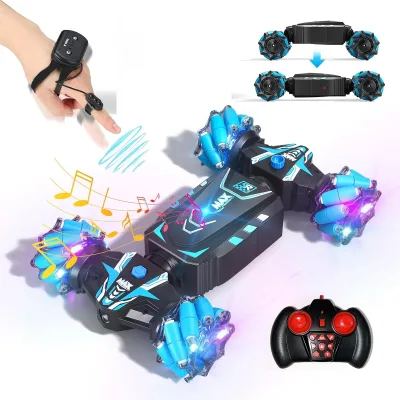
Comprehensive Sourcing Guide
Gesture Stunt RC Toy Car Sourcing Guide
Sourcing gesture-controlled stunt RC cars requires balancing advanced sensor technology with robust mechanical durability. These vehicles utilize accelerometers and gyroscopes to interpret hand movements, allowing for intuitive control without traditional remote transmitters. Buyers must prioritize models that offer responsive latency and accurate gesture recognition to ensure a premium user experience. The integration of 360-degree rotation capabilities and stunt functions adds significant value, appealing to children who enjoy dynamic play patterns. Understanding the underlying technology helps in selecting products that meet modern expectations for interactive toys.
The market for these toys is concentrated in specific manufacturing hubs, with Shantou and Guangdong regions in China being primary sources. These areas have established supply chains for plastic injection molding and electronic component assembly, which are critical for this product type. Buyers should verify the origin of components, as the quality of the plastic chassis and the sensitivity of the gesture sensors directly impact performance. Additionally, the power source is typically electric, driven by rechargeable batteries, which necessitates careful consideration of charging safety and battery life. Evaluating these foundational elements ensures that the sourced products are both functional and safe for end-users.
Product Scope and Observed Listing Signals
Current market listings indicate a diverse range of models, with specific identifiers such as RFD316880 and RFD331075 appearing in supplier catalogs. These model numbers often correspond to distinct packaging sizes and internal configurations, reflecting variations in feature sets. For instance, some listings specify dimensions like 15.91516.9cm, while others offer larger formats up to 40.511.531cm. This variance suggests that buyers can choose between compact, portable units and larger, feature-rich stunt cars. The presence of multiple model numbers indicates a mature product line with options for different price points and target demographics.
Observed price ranges span from 3 to 68 USD, reflecting significant differences in material quality, electronic complexity, and packaging. Minimum order quantities (MOQ) vary widely from 1 to 200 units, offering flexibility for both small retailers and large distributors. Some suppliers offer customization options, including customized packaging and specific product standards, which can be crucial for branding purposes. The availability of "almost ready" assembly states suggests that some units may require minimal final assembly, reducing labor costs for the buyer. Understanding these signals helps in aligning procurement strategies with specific business needs and inventory capacities.
Technical Specifications to Verify
Key technical attributes include the control mechanism, power source, and vehicle type. While many gesture cars are electric-driven, some listings also mention battery-powered options, requiring clarification on whether the battery is included or sold separately. The scale of these vehicles often ranges from 1:24, providing a realistic size for indoor and outdoor use. Buyers should verify the remote distance, with some models supporting up to 25 meters, ensuring adequate control range for stunt performances. Additionally, the number of control channels, such as 5 channels, can influence the precision of movement and stunt execution.
Packaging and physical dimensions are critical for logistics and retail display. Standard packing sizes like 32.2x17x10.5cm or 38.810.825.6cm impact shipping costs and storage efficiency. The gross weight and net weight, such as 17.5/16.3KGS for carton loads, must be calculated to determine freight expenses. Furthermore, the number of pieces per carton, like 18 PCS, affects handling and inventory management. Buyers should also check for included accessories, such as USB cables for charging, which add value and convenience for the end consumer. Verifying these specifications ensures accurate cost forecasting and operational planning.
Compliance and Safety Documentation
Safety certifications are paramount for toy imports, particularly for electronic devices intended for children. The EN71 certification is a critical standard to verify, ensuring that the toy meets European safety requirements for mechanical, physical, and chemical properties. Buyers must request valid test reports from accredited laboratories to confirm compliance. Additionally, while CE marking is often associated with these products, it is not a standalone certification but rather a declaration of conformity. Understanding the specific requirements of the target market is essential to avoid customs delays or product recalls.
Age appropriateness is another crucial compliance factor. Listings often specify age ranges such as 3-8 years, 2 to 4 years, or 6+, which must align with the product's design and safety features. Small parts or accessible batteries may pose choking hazards for younger children, necessitating clear labeling and age warnings. The material composition, primarily plastic, should be non-toxic and durable. Buyers should also verify that the packaging includes all necessary safety warnings and instructions in the local language. Ensuring comprehensive documentation protects the brand from liability and builds trust with consumers.
Cost Drivers and Commercial Terms
Several factors influence the final cost of gesture stunt RC cars, including customization, packaging, and order volume. Customized packaging is available from many suppliers, which can enhance brand visibility but may increase unit costs due to setup fees and lower economies of scale. The choice between standard color boxes and custom designs impacts both aesthetics and protection during transit. Additionally, the inclusion of accessories like USB cables or extra batteries can add to the overall cost but may justify a higher retail price. Buyers should negotiate clearly on what is included in the base price to avoid hidden charges.
Commercial terms such as MOQ and lead times vary significantly among suppliers. Lower MOQs of 1-200 units allow for testing the market with minimal risk, while larger orders may secure better pricing. However, larger orders often come with longer lead times, which must be factored into inventory planning. The state of assembly, such as "almost ready," can reduce labor costs but may require additional quality checks before shipping. Buyers should establish clear agreements on payment terms, shipping responsibilities, and return policies to mitigate financial risks. Understanding these commercial dynamics is key to maintaining healthy profit margins.
Supplier Qualification and Quality Control
Evaluating supplier reliability is essential for consistent product quality. Buyers should prioritize suppliers with a proven track record in producing electronic toys, particularly those located in established manufacturing hubs like Shantou and Zhejiang. Verifying the supplier's production capacity and quality control processes is crucial. Suppliers should have standardized testing procedures for gesture sensitivity, battery safety, and structural integrity. Requesting samples before placing bulk orders allows buyers to assess the actual performance and build quality of the products. This step helps identify potential issues with sensor accuracy or durability.
Communication and responsiveness are also key indicators of supplier professionalism. A qualified supplier should provide detailed product specifications, compliance documents, and clear answers to technical questions. They should be willing to accommodate customization requests while maintaining quality standards. Buyers should also inquire about the supplier's after-sales support, including warranty policies and handling of defective units. Establishing a strong relationship with a reliable supplier ensures a steady supply of high-quality products and facilitates smoother transactions. Due diligence in supplier selection minimizes operational disruptions and enhances brand reputation.
Long-Term Procurement Checks
Continuous monitoring of product performance and market trends is vital for long-term success. Buyers should gather feedback from end-users to identify any recurring issues with gesture recognition or battery life. This feedback can inform future purchasing decisions and negotiations with suppliers. Additionally, staying updated on regulatory changes in target markets ensures ongoing compliance. For example, new safety standards or environmental regulations may require adjustments in product design or materials. Proactive compliance management prevents legal issues and maintains market access.
Inventory management and supply chain resilience are also critical considerations. Buyers should diversify their supplier base to mitigate risks associated with production delays or quality inconsistencies. Regular audits of supplier performance and product quality help maintain high standards. Furthermore, exploring new technologies and features in gesture-controlled toys can provide a competitive edge. By continuously evaluating and adapting procurement strategies, buyers can ensure sustained growth and customer satisfaction in the dynamic toy market. Long-term planning involves balancing cost, quality, and innovation to meet evolving consumer demands.
FAQs
What customization options are available for Gesture Stunt RC Toy Car packages?
Customized package options are available for this product line. Buyers can request specific packaging configurations to meet branding needs. The standard offering includes color boxes, while custom packaging is also supported for bulk orders. This flexibility allows suppliers to tailor the presentation of the remote control cars to different market requirements.
Which age groups are suitable for the Gesture Stunt RC Toy Car models?
These toys are designed for a wide range of ages from 3 to 14 years and up. Specific models target groups such as 3-8 years, 5-7 years, and 8-13 years. Some units are suitable for children aged 6 and older. The electric-driven power source ensures safe operation across these different developmental stages for young users.
Can buyers find Gesture Stunt RC Toy Car suppliers with EN71 certification?
Yes, suppliers offering these products provide EN71 certification for safety compliance. This standard ensures the toys meet specific European safety requirements for children. The product listings confirm that the plastic material and electric components adhere to these safety protocols. Buyers can verify this certification when sourcing from verified manufacturers in the region.
What is the remote control distance for the Gesture Stunt RC Toy Car?
The remote control distance for these vehicles is up to 25 meters. This range allows for effective play in both indoor and outdoor environments. The 5-channel control system provides precise maneuvering within this distance. Users can operate the car effectively without signal loss in typical open spaces.
How does the power source work for the Gesture Stunt RC Toy Car?
The vehicle operates on an electric power source using a battery. The controller requires AA batteries to function properly. The car itself is electric-driven, enabling stunt capabilities and remote operation. This setup ensures reliable performance for the 1:24 scale off-road vehicle during play sessions.
Which specifications define the size of the Gesture Stunt RC Toy Car models?
Product sizes vary by model, with dimensions ranging from approximately 13.3cm to 44.5cm in length. Specific models have standard sizes like 16x15.5x7.5cm or 40.5x11.5x31cm. The packing size is also documented, such as 32.2x17x10.5cm for certain units. These dimensions help buyers plan storage and shipping logistics effectively.
What is the minimum order quantity for Gesture Stunt RC Toy Car sourcing?
The minimum order quantity ranges from 1 to 200 units depending on the supplier. Some listings indicate a single item selling unit, while others may require bulk purchases. Buyers should check specific supplier terms for exact MOQ values. This flexibility accommodates both small trial orders and large commercial procurement needs.