Source Germany Polishing Machine for Marble Granite Concrete
Compare 30 listings for Germany Polishing Machine from verified suppliers in China. Buyers can evaluate specifications, pricing, and certifications for applications including marble, granite, and concrete curb finishing.
Key considerations
Products List
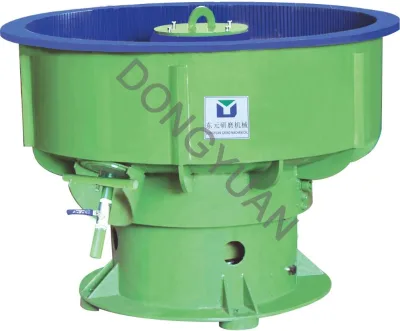

$20000.00 - $30000.00
MOQ: 1 Pieces


Automatic Line Polisher for India, Popular Stone Polishing Machine
$65000.00 - $70000.00
MOQ: 1 Pieces


$70000.00 - $75000.00
MOQ: 1 Pieces


Fine Grinding and Polishing Machine for Surface Processing of Ceramics
$30000.00 - $50000.00
MOQ: 1 Pieces

High Efficiency and High Precision Double-Sided Grinding and Polishing Machine
$30000.00 - $50000.00
MOQ: 1 Pieces


Comprehensive Sourcing Guide
Strategic Sourcing Guide for Industrial Polishing Machinery
Understanding the Technical Landscape of Polishing Equipment
When sourcing industrial polishing machinery, buyers must first distinguish between the specific application requirements and the underlying mechanical architecture. The market offers a diverse array of equipment, ranging from surface grinding machines to specialized vibration polishing units. A critical observation in the current supply chain is the variation in core component configurations. High-performance units often integrate a gearbox, pressure vessel, gear, and engine as fundamental operating elements. These components dictate the machine's ability to handle heavy-duty tasks such as deburring, finishing, and polishing across various material substrates.
The classification of these machines is equally vital for procurement accuracy. Buyers may encounter listings labeled as "Universal Cylindrical Grinder," "Surface Grinding Machine," or "Stone Polishing Machine." These distinctions are not merely semantic; they define the operational envelope. For instance, a machine designated for stone polishing is engineered to handle applications involving marble, granite, concrete curb, cement brick, jadestone, glass, and ceramics. In contrast, vibration polishing machines are typically optimized for smaller component finishing where high efficiency and ease of operation are paramount. The power requirements also vary significantly, with observed configurations ranging from 0.76 kW to 550 kW, necessitating a careful review of the facility's electrical infrastructure before finalizing a purchase.
Compliance, Certification, and Regulatory Standards
Navigating the regulatory landscape is a non-negotiable aspect of international procurement, particularly when sourcing from major manufacturing hubs in China. The documentation provided by suppliers often lists a broad spectrum of certifications, including CE, ISO, GB, GOST, SONCAP, CCC, and API. While the presence of these marks suggests a commitment to quality, buyers must verify that the specific model they intend to purchase holds the valid certification for their target market. For example, a machine intended for the European market must strictly adhere to CE standards, while those destined for other regions may require GOST or SONCAP compliance.
The supply chain data indicates that machinery is often produced in accordance with specific standards such as GB and ISO, with some units carrying the "ISO Condition: New" designation. However, the mere listing of a certification does not guarantee that the specific unit shipped will be compliant. Buyers should request the actual machinery test report, which is frequently provided by suppliers, to validate performance claims. Furthermore, the origin of the machinery plays a role in regulatory alignment. Production sites located in Guangdong, Wuxi, and Suzhou represent different industrial clusters, each with varying levels of adherence to international quality benchmarks. It is essential to confirm that the "Place of Origin" listed on the commercial invoice matches the location where the certification was issued.
Cost Drivers and Pricing Dynamics
The pricing structure for industrial polishing machines is influenced by a complex matrix of factors, including power output, automation level, and material specifications. The observed price range in the market is exceptionally wide, spanning from $1 to $1,000,000. This variance is not arbitrary but reflects the difference between entry-level units and heavy industrial systems. A machine with a motor power of 550W and a net weight of 60 kg will naturally command a different price point than a unit weighing 400 kg with a 0.76 kW motor and advanced automation features.
Beyond the base unit cost, buyers must account for packaging and logistics. The standard export packaging often includes wooden cases or cartons, but for larger or more sensitive units, water-proof plastic bubble wrapping and steel wire reinforcement are utilized. These packaging standards, while necessary for protection, add to the overall landed cost. Additionally, the "Selling Units" metric indicates that many suppliers operate on a single-item basis, which can impact the economies of scale for bulk procurement. The weight of the machinery, ranging from 60 kg to 400 kg, directly influences shipping freight costs, which can be a significant portion of the total investment for international buyers.
Typical Applications and Operational Capabilities
The versatility of modern polishing machines is a key driver for their adoption across multiple industries. The core applications identified in the market data include polishing, finishing, and deburring. These processes are essential for preparing surfaces in the construction, automotive, and manufacturing sectors. Specific machine types are tailored for distinct material challenges. For example, stone polishing machines are explicitly designed for hard materials like marble, granite, and concrete curbs, utilizing specific grinding methods such as dry grind.
Automation levels also dictate the suitability of a machine for a specific application. The market features both automatic and CNC-controlled units. A CNC-controlled machine offers precision and repeatability, making it ideal for high-precision tasks where tolerances are tight. In contrast, units described as "Easy To Operate" may be better suited for smaller workshops or applications requiring frequent changeovers. The "High Efficiency" advantage noted in many listings suggests that these machines are optimized for throughput, reducing cycle times for finishing operations. Buyers should align the machine's application capabilities with their production volume and material mix to ensure a return on investment.
Supplier Evaluation and Product Verification
Evaluating a supplier requires a rigorous examination of their product attributes and operational transparency. Key selling points such as "High Efficiency" and "Easy To Operate" are common marketing claims, but they must be substantiated by technical data. Buyers should verify the "Model Number" and "Product Model" against the supplier's catalog to ensure consistency. For instance, models like VB, JBLAP-1000, GP-1A, and LXM-16/20 represent different configurations with unique specifications.
The "Condition" of the machinery is another critical factor. While most listings specify "New," buyers must confirm the age of the inventory and the status of the warranty. A standard warranty period of 1 Year is common, but the scope of coverage should be clearly defined. Additionally, the availability of OEM and ODM services indicates a supplier's flexibility in customizing machinery to meet specific client needs. This is particularly relevant for buyers with unique production requirements that standard models cannot satisfy. The "Customization" availability should be discussed early in the negotiation process to avoid delays in the procurement timeline.
Quality Control and Long-Term Procurement Considerations
Ensuring long-term reliability involves a proactive approach to quality control. The "Machinery Test Report" is a vital document that provides empirical evidence of the machine's performance under load. Buyers should request this report prior to shipment to verify that the core components, such as the gearbox and engine, meet the specified operational parameters. The "Precision" rating, often listed as "High Precision," should be validated through on-site testing or third-party inspection to ensure it meets the buyer's tolerance requirements.
Long-term procurement considerations also include the availability of spare parts and technical support. The "Motor" type, whether industrial electricity or specific voltage configurations, impacts the ease of maintenance. Buyers operating in regions with different voltage standards (e.g., 110V/220V) must ensure the machine's power supply is compatible with local infrastructure. Furthermore, the "Automatic Grade" of the machine affects the complexity of maintenance; fully automatic systems may require specialized training for operators and technicians. Establishing a clear maintenance protocol and securing a supply chain for critical components like gears and grinding wheels will mitigate downtime risks and extend the operational life of the equipment.
Comparative Analysis of Machine Specifications
To facilitate informed decision-making, the following table summarizes key specifications observed across different product listings. This comparison highlights the diversity in power, weight, and application focus, aiding buyers in selecting the most appropriate unit for their specific needs.
| Specification Category | Unit A (General Polisher) | Unit B (Stone Polisher) | Unit C (Vibration Polisher) |
|---|---|---|---|
| Model Number | VB | GP-1A | LXM-16/20 |
| Product Name | Vibratory polishing machine | Stone Polishing Machine | Vibration Polishing Machine |
| Motor Power | 0.76 kW | 550W | Variable |
| Net Weight | 400 KG | 60 Kg | Variable |
| Application | Polishing, Finishing, Deburring | Marble, Granite, Concrete | General Finishing |
| Automation | Automatic | Automatic | Automatic |
| Control Type | Manual/Basic | CNC | CNC |
| Certification | ISO, CE | CE, ISO, GOST, API | CE, ISO |
| Origin | Guangdong, China | Suzhou, China | China |
| Warranty | 1 Year | 1 Year | 1 Year |
This comparative view underscores the importance of matching the machine's technical specifications to the buyer's operational requirements. A unit with a 400 kg weight and 0.76 kW motor may be ideal for heavy-duty deburring, while a 60 kg unit with 550W power might be better suited for precision stone finishing. Buyers must carefully weigh these factors against their production goals and facility constraints.
Final Procurement Recommendations
In conclusion, sourcing industrial polishing machinery requires a methodical approach that balances technical specifications, regulatory compliance, and cost considerations. Buyers should prioritize verifying the authenticity of certifications and the validity of machinery test reports to ensure the equipment meets international standards. The wide range of available models, from universal cylindrical grinders to specialized stone polishers, offers significant flexibility but demands a clear understanding of the specific application needs. By focusing on core components, power requirements, and automation levels, procurement teams can select machinery that delivers high efficiency and long-term reliability. Ultimately, a successful procurement strategy hinges on thorough due diligence, clear communication with suppliers regarding customization and warranty terms, and a commitment to rigorous quality control measures.
FAQs
What certifications do these polishing machines hold?
These machines hold CE, ISO, GB, GOST, SONCAP, CCC, and API certifications. Buyers must verify that the specific model holds valid certification for their target market before purchase.
Can I customize the machine for specific needs?
Yes, customization is available for these units. Buyers should discuss specific requirements early in the negotiation process to ensure the supplier can meet unique production needs.
How efficient are these vibration polishing machines?
These machines are designed with high efficiency as a key advantage. They are optimized for throughput to reduce cycle times for finishing operations across various material substrates.
What is the warranty period for this equipment?
The standard warranty period is 1 Year. Buyers should confirm the scope of coverage and verify the condition of the inventory to ensure the warranty is valid upon shipment.
Which materials can the stone polishing machine handle?
The stone polishing machine handles marble, granite, concrete curb, cement brick, jadestone, glass, and ceramics. It utilizes specific grinding methods like dry grind for these hard materials.
What core components are included in the machinery?
Core components include a gearbox, pressure vessel, gear, and engine. These elements dictate the machine's ability to handle heavy-duty tasks such as deburring and finishing.