Source German Membrane Biogas Upgrading Plant for Energy, Waste, and Agriculture
Compare 30 German Membrane Biogas Upgrading Plant options for energy generation, waste management, and agricultural applications. These units feature hollow fiber membranes, high CO2 removal efficiency, and modular configurations for biogas upgrading.
Key considerations
Products List
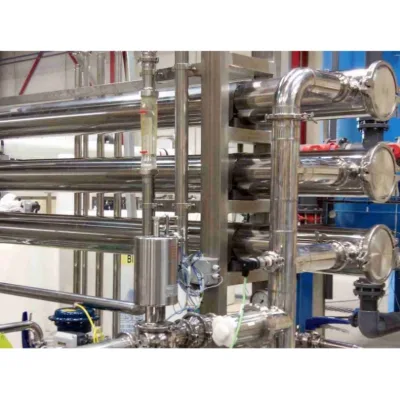
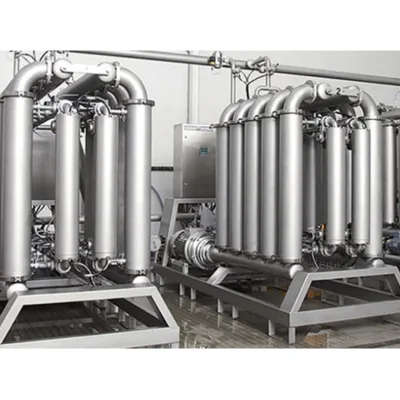
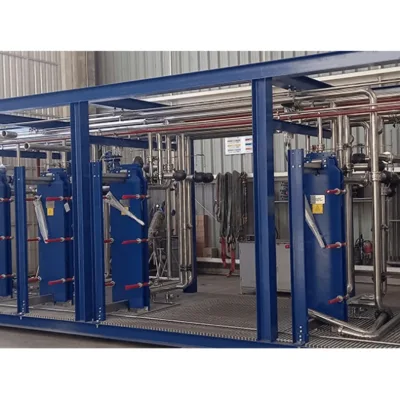
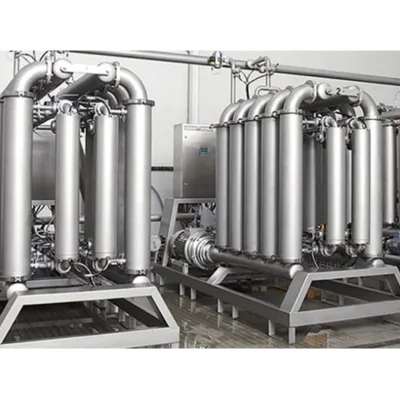
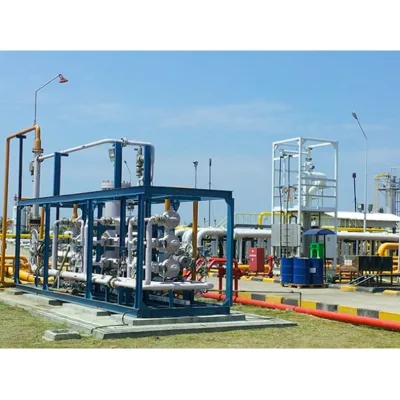
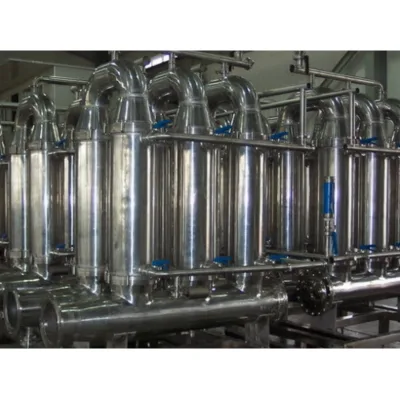

Modular Biogas Upgrading Membrane for Flexible Biogas Plant Configuration
$1500.00 - $2000.00
MOQ: 1 Pieces

Containerized Biogas Upgrading Membrane Systems for Rapid Deployment
$1500.00 - $2000.00
MOQ: 1 Pieces


Green Technology Biogas Upgrading Membranes for Carbon-Negative Biomethane
$1500.00 - $2000.00
MOQ: 1 Pieces

Advanced Biogas Upgrading Membrane Module for Boost Methane Concentration
$1500.00 - $2000.00
MOQ: 1 Pieces

Low-Opex Hollow Fiber Membrane Systems for Cost-Effective Biogas Upgrading
$2600.00 - $5000.00
MOQ: 1 Pieces


Integrated and Flexible Double Membrane Gas Tank for Biogas Project
$20000.00 - $150000.00
MOQ: 1 Pieces

Integrated and Flexible Double Membrane Gas Tank for Biogas Project
$20000.00 - $150000.00
MOQ: 1 Sets


Advanced Membrane Technology for Efficient Biogas Purification Solutions
$10000.00 - $10000000.00
MOQ: 1 Sets


Comprehensive Sourcing Guide
Strategic Sourcing Guide for German-Style Membrane Biogas Upgrading Plants
Understanding the Technical Architecture of Membrane Separation Systems
When sourcing a membrane biogas upgrading plant, particularly one aligned with German engineering standards, the primary focus must be on the specific configuration of the gas-permeable membrane technology. The core mechanism relies on the differential permeation rates of gases through a selective barrier. In the context of the available market data, the separation target is explicitly defined as CO2/CH4 separation, utilizing a hollow fiber membrane type constructed from polysulfone materials. This material choice is critical for maintaining structural integrity under the specific operating conditions required for biogas upgrading.
The system is designed to handle feed gas pressures up to 13.8 MPa, a significant parameter that dictates the robustness of the pressure vessels and the sealing mechanisms within the skid. The production capacity is highly scalable, ranging from 10 to 540,000 Nm³/h, which allows for deployment in facilities ranging from small agricultural digesters to large-scale industrial waste treatment plants. A key performance observation is the system's ability to handle high concentrations of CO2, specifically greater than 60%, without compromising the separation efficiency. This capability ensures that the plant can process raw biogas directly after pretreatment, provided the CO2 load is within the specified operational envelope.
The output quality is a primary driver for procurement decisions. The target product gas CO2 content is specified as less than 2%, which aligns with the requirements for grid injection or vehicle fuel standards. The associated CO2 removal efficiency is observed to be greater than 90%, while the hydrocarbon recovery rate exceeds 98%. These metrics indicate a high-yield process where methane loss is minimized. The system operates on a continuous basis, utilizing a modular, skid-ready, and container-ready configuration. This modularity suggests that the plant can be assembled in a factory environment and shipped as a complete unit, reducing on-site construction time and complexity. The operating temperature range extends down to -20 °C, indicating that the system is engineered to withstand cold climates, a common requirement for installations in Northern Europe or regions with harsh winters.
Compliance, Certification, and Regulatory Alignment
For buyers seeking equipment that meets German or European standards, verifying certification and adherence to international norms is a non-negotiable step in the sourcing process. The available data indicates that the equipment carries ISO certification, which serves as a baseline for quality management systems. However, for a "German-style" plant, buyers must look beyond the generic ISO mark to ensure compliance with specific European directives regarding pressure equipment and gas safety.
The machinery test report is noted as not available in the current product listings, which presents a significant verification gap. In a rigorous procurement process, the absence of a third-party machinery test report requires the buyer to demand alternative proof of performance, such as factory acceptance test (FAT) protocols or detailed engineering drawings validated by a certified third party. The standard for the product is listed as ≤ 1 m³ in certain contexts, but this likely refers to a specific component or packaging metric rather than the overall plant capacity, necessitating a clarification of what "standard" applies to the specific configuration being purchased.
Furthermore, the installation type is specified as horizontal, which impacts the civil engineering requirements of the site. Buyers must verify that the plant's design complies with local building codes and safety regulations regarding the installation of high-pressure gas systems. The warranty period is listed as one year, which is a standard baseline but may be insufficient for critical infrastructure. Procurement teams should negotiate extended warranty terms or service level agreements that cover the specific operational lifespan of the membrane modules, as membrane degradation is a primary long-term cost driver. The condition of the equipment is listed as new, but buyers must verify the age of the membrane modules and the shelf life of the potting materials, which are specified as epoxy.
Cost Drivers and Economic Evaluation Metrics
The economic evaluation of a membrane biogas upgrading plant involves analyzing both capital expenditure (CAPEX) and operational expenditure (OPEX). The observed price range in the market spans from 1,000 to 10,000,000 USD, reflecting the vast difference in scale between small pilot units and large industrial plants. The minimum order quantity (MOQ) is consistently 1, indicating that suppliers are willing to sell single units, which is advantageous for pilot projects or smaller facilities. However, the unit price will vary drastically based on the production rate and the specific configuration of the membrane modules.
A significant cost driver is the power consumption of the system. The power rating is specified as 190KW/T, which provides a baseline for estimating energy costs. Buyers must calculate the total energy consumption based on the expected throughput and the local cost of electricity. The system utilizes a voltage of 380V/200V at 50HZ, which is standard for industrial applications in many regions, but buyers must ensure compatibility with their local grid infrastructure. The weight of the equipment is listed as 1,000 KG, and the single package size is substantial at 1000.00 x 1000.00 x 4000.00 cm. These dimensions and weights directly impact logistics costs, including shipping, handling, and on-site crane requirements.
The packaging is described as a wooden case, box, or crate, with a specific mention of "seaworthy" packing. This is crucial for international procurement, as the cost of specialized packaging and the risk of damage during transit must be factored into the total landed cost. The selling units are listed as single items, suggesting that the pricing model is per unit rather than per batch, which simplifies budgeting for single-plant acquisitions. Buyers should also consider the cost of customization, which is listed as available. Customization can increase the initial cost but may reduce long-term OPEX by optimizing the plant for specific feed gas compositions or site constraints.
Typical Applications and Operational Scenarios
The primary application for this technology is biogas upgrading, where raw biogas is converted into biomethane suitable for injection into the natural gas grid or use as vehicle fuel. The system is designed to handle feed gas with high CO2 concentrations, making it ideal for digesters that produce gas with significant impurities. The core components include an absorption tower, flue gas washing tower, and circulating water pump, indicating that the system integrates pretreatment and separation functions. This integration is essential for removing hydrogen sulfide and moisture before the gas reaches the membrane modules, which are sensitive to contaminants.
The separation mode is described as a filter type, and the operating type is continuous, which allows for uninterrupted operation. This is particularly important for biogas plants that operate 24/7 to maximize energy recovery. The system is configured to be skid-ready and container-ready, which facilitates rapid deployment at remote or decentralized locations. The modular nature of the plant allows for scalability; as the biogas production increases, additional modules can be added to the system without replacing the entire infrastructure.
The application extends to various sectors, including agricultural waste management, municipal solid waste treatment, and wastewater treatment facilities. The ability to handle high CO2 concentrations makes the system versatile for different feedstocks, from manure to food waste. The product gas CO2 content of less than 2% ensures that the upgraded biogas meets the stringent quality requirements for grid injection in many European countries. The hydrocarbon recovery rate of greater than 98% ensures that the economic value of the methane is maximized, reducing waste and improving the overall efficiency of the biogas plant.
Supplier Evaluation and Quality Assurance Protocols
Evaluating a supplier for a membrane biogas upgrading plant requires a multi-faceted approach that goes beyond price comparisons. The brand name "wobo" is observed in the listings, but buyers should not rely solely on brand recognition. Instead, they must conduct a thorough due diligence process that includes verifying the supplier's manufacturing capabilities, quality control procedures, and after-sales support. The presence of a video outgoing-inspection service is a positive indicator, as it allows buyers to visually verify the condition and assembly of the equipment before shipment.
Buyers should request detailed documentation regarding the core components, including the absorption tower, flue gas washing tower, and circulating water pump. The material specifications, such as the polysulfone hollow fiber and epoxy potting materials, should be verified against the supplier's technical data sheets. The absence of a machinery test report is a red flag that requires immediate attention; buyers should insist on a comprehensive test protocol that includes pressure testing, leak detection, and performance validation under simulated operating conditions.
The customization options available from the supplier should be evaluated based on the specific needs of the project. A supplier that offers flexible configuration options, such as modular or container-ready designs, demonstrates a higher level of engineering capability. Buyers should also assess the supplier's ability to provide technical support during the installation and commissioning phases. The warranty period of one year is a starting point, but buyers should negotiate terms that cover the critical components and membrane modules for a longer duration.
Long-Term Procurement and Lifecycle Management
Long-term procurement considerations for a membrane biogas upgrading plant focus on the lifecycle of the equipment and the sustainability of the supply chain. The membrane modules are the heart of the system, and their lifespan is a critical factor in the total cost of ownership. Buyers should inquire about the expected service life of the polysulfone hollow fibers and the conditions under which they degrade. The operating temperature range of -20 °C suggests that the system is designed for durability, but buyers must verify the thermal stability of the epoxy potting materials over time.
Maintenance requirements are another key consideration. The system includes core components such as the circulating water pump and flue gas washing tower, which will require regular maintenance and potential replacement. Buyers should ensure that the supplier provides a comprehensive maintenance manual and access to spare parts. The customization options should be evaluated for their impact on future scalability; a modular design allows for easy expansion, whereas a fixed design may require a complete system replacement if capacity needs increase.
The environmental impact of the plant is also a long-term consideration. The high hydrocarbon recovery rate and CO2 removal efficiency contribute to the plant's sustainability profile. Buyers should verify that the plant's operation aligns with their organization's carbon reduction goals. The use of renewable energy sources, such as solar or wind, to power the system can further enhance the sustainability profile. Finally, buyers should consider the end-of-life disposal of the equipment, particularly the membrane modules and other components, to ensure compliance with environmental regulations and waste management standards.
Comparative Analysis of System Configurations
To assist buyers in making informed decisions, the following table compares key attributes of the observed system configurations based on the provided data. This comparison highlights the variability in specifications and helps identify the most suitable option for specific project requirements.
| Feature | Configuration A (Standard) | Configuration B (Customized) | Configuration C (Modular) |
|---|---|---|---|
| Model Number | MCH-3032A | Customized | MCH-4140A |
| Production Rate | 10 ~ 540,000 Nm³/h | Customized | 10 ~ 540,000 Nm³/h |
| Membrane Type | Hollow Fiber | Hollow Fiber | Hollow Fiber |
| Material | Polysulfone | Polysulfone | Polysulfone |
| CO2 Removal | > 90% | Customized | > 90% |
| Product Purity | 98% | Customized | 98% |
| Packaging | Wooden Case | Seaworthy | Standard Export Package |
| Installation | Horizontal | Customized | Horizontal |
| Warranty | 1 Year | Customized | 1 Year |
| Test Report | Not Available | Customized | Not Available |
This table illustrates that while the core technology remains consistent across configurations, the level of customization and packaging varies. Buyers should carefully evaluate these differences against their specific project constraints, such as site conditions, budget, and timeline. The "Customized" option offers flexibility but may introduce additional risks regarding lead times and quality assurance. The "Standard" and "Modular" options provide a more predictable framework but may require additional engineering work to fit specific site requirements.
In conclusion, sourcing a German-style membrane biogas upgrading plant requires a meticulous approach that balances technical specifications, compliance requirements, and economic factors. By focusing on the core attributes of the membrane technology, verifying certifications, and engaging in thorough supplier evaluation, buyers can secure a system that meets their operational needs and long-term sustainability goals. The availability of modular and customizable options provides the flexibility needed to adapt to diverse biogas production scenarios, ensuring that the investment delivers maximum value over its lifecycle.
FAQs
What is the maximum feed gas pressure this plant handles?
The plant handles feed gas pressures up to 13.8 MPa. This high-pressure capability ensures robust operation for industrial-scale biogas upgrading without requiring excessive pre-compression.
How much methane is recovered during the separation process?
The hydrocarbon recovery rate is greater than 98 percent. This high efficiency minimizes methane loss while ensuring the product gas meets strict purity standards for grid injection.
Can the system operate in cold climates like Northern Europe?
Yes, the system operates at temperatures down to -20 degrees Celsius. This design ensures reliable performance in harsh winter conditions common in Northern European installations.
What is the typical CO2 content in the final product gas?
The product gas CO2 content is less than 2 percent. This low impurity level aligns with international standards for biomethane suitable for vehicle fuel or natural gas grid injection.
Which certifications does the equipment currently hold?
The equipment carries ISO certification as a baseline quality standard. Buyers should verify additional compliance with European pressure equipment directives for specific regional safety requirements.
What is the minimum order quantity for purchasing this plant?
The minimum order quantity is one single item. This allows buyers to acquire a complete unit for pilot projects or smaller facilities without bulk purchasing constraints.
How is the equipment packaged for international shipping?
The equipment is packed in wooden cases or crates described as seaworthy. This robust packaging protects the skid-ready units during long-distance transport to global destinations.