Find Gift Charm Pendant for Children for Girls, Boys, and Seniors
Source 30 unique Gift Charm Pendant for Children options featuring alloy and silver materials in various styles. Buyers can compare specifications like length, color, and customization availability from verified Chinese manufacturers.
Key considerations
Products List
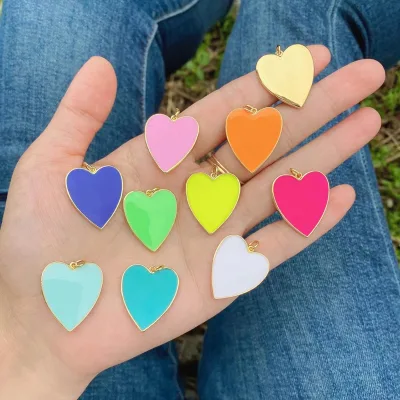
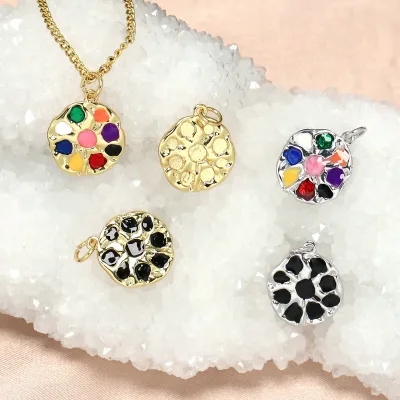
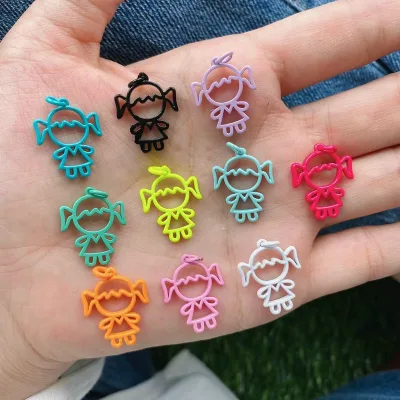
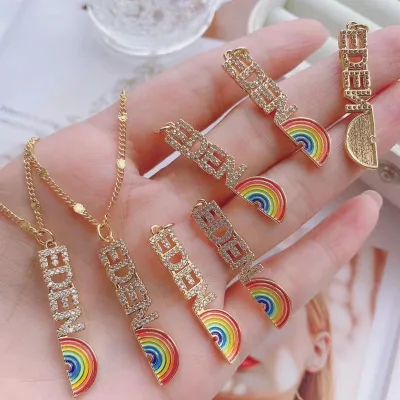
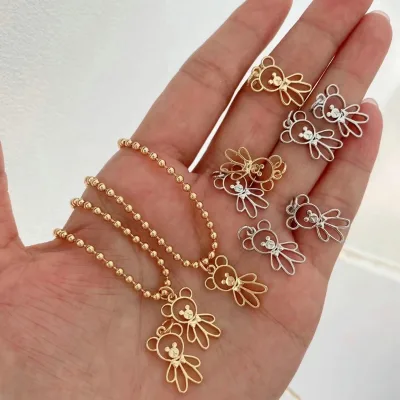
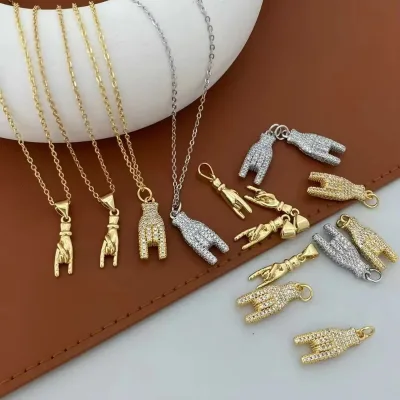


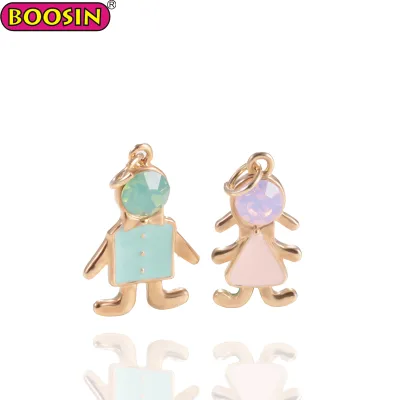
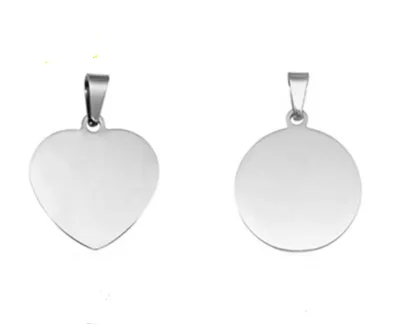
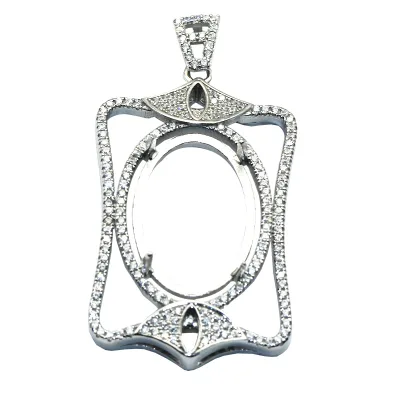
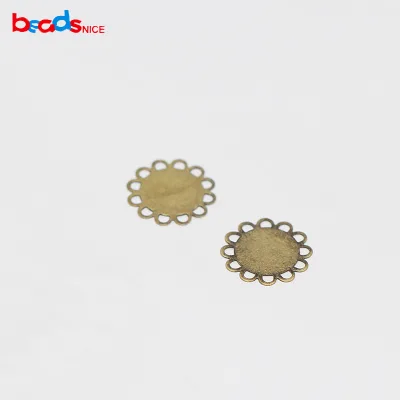
Beadsnice TRENDY Animal Charms Necklace Cute Style for Children's Jewelry
$0.09 - $0.10
MOQ: 9000 Minimum

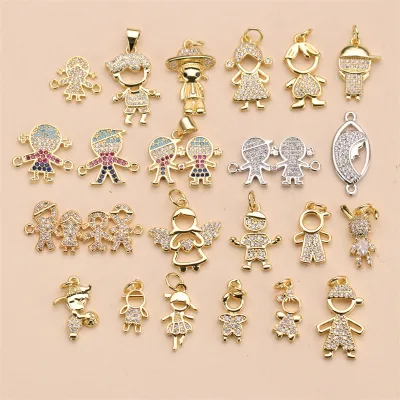
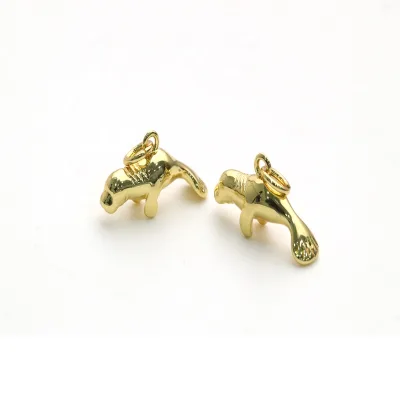
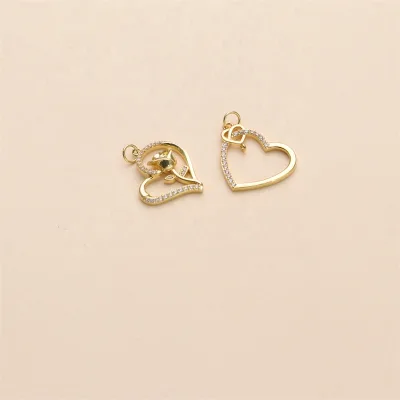
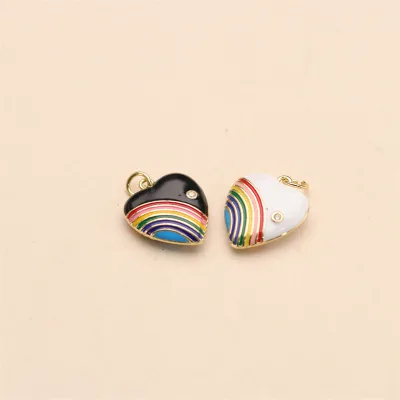


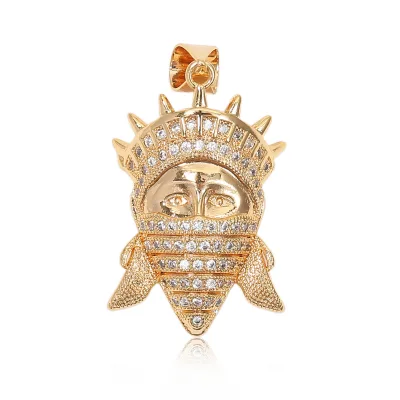
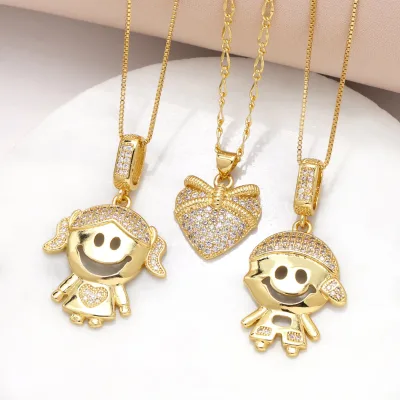


Comprehensive Sourcing Guide
Strategic Sourcing Guide for Children's Gift Charm Pendants
The global market for children's jewelry and gift accessories has expanded significantly, driven by the demand for personalized, safe, and aesthetically pleasing items. For procurement professionals seeking "Gift Charm Pendant for Children," the supply chain offers a diverse array of options ranging from high-end sterling silver pieces to durable, colorful plastic toys. Sourcing this category requires a nuanced understanding of material safety, design versatility, and the specific regulatory landscapes governing children's products. This guide synthesizes available product attributes and industry standards to provide a structured approach for evaluating suppliers and selecting the right inventory for retail or promotional needs.
Material Composition and Safety Considerations
The foundation of any successful procurement strategy for children's items lies in the material composition. The observed product landscape reveals a distinct bifurcation between precious metal jewelry and synthetic toy-based charms. On one end of the spectrum, suppliers offer pendants crafted from 925 Sterling Silver and Alloy. These materials are often associated with higher perceived value and are frequently marketed with attributes such as "Elegant," "Vintage," and "Classic" designs. The presence of Silver as a primary material suggests a target demographic that may include gift-giving occasions for older children or collectors. Conversely, the market also features products made from Plastic and Eco Friendly ABS (Acrylonitrile Butadiene Styrene). These materials are characterized by their durability and vibrant color options, often appearing in "Cartoon Toy" or "Animal" shaped pendants suitable for the 3-8 Years age bracket.
When evaluating material safety, the distinction between "Alloy" and "Sterling Silver" is critical. While 925 Sterling Silver is generally recognized for its hypoallergenic properties, alloy components can vary widely in their metal content, potentially including nickel or other allergens. For children's products, the Eco Friendly ABS material stands out as a preferred choice for plastic-based charms due to its robustness and safety profile. Buyers must verify that any alloy components used in children's jewelry meet specific heavy metal restrictions. The supply data indicates that Plastic is a common material type, and procurement teams should ensure that the specific plastic formulation used does not contain harmful phthalates or BPA, which are common concerns in children's toys.
Design Aesthetics and Functional Attributes
Design plays a pivotal role in the marketability of charm pendants for children. The available product data highlights a wide range of stylistic approaches, from Fashion and Elegant designs to Cartoon Toy and Animal shapes. The Animal shape attribute, combined with the Funny and Recreation usage tags, suggests a strong segment of the market dedicated to playful, interactive accessories. These items often feature Pad Print logo applications or Simple Color imprints, which are cost-effective methods for adding branding without compromising the toy-like aesthetic.
In contrast, the Charm Pendants designed for older children or as gifts often utilize Silver or Alloy with Vintage or Classic design elements. The Color attributes observed include Gold, Silver, White, Black, and a vast array of numbered color options (NO.1 through NO.22), indicating a high degree of customization potential. The Design attribute "Charms" appears alongside specific model numbers like 25100305 and ID31125, suggesting that suppliers maintain distinct catalogs for different design lines. For buyers, the choice between a "Cartoon Toy" style and a "Classic" style depends heavily on the intended recipient's age group and the specific occasion, such as a birthday gift or a holiday present.
Technical Specifications and Customization Capabilities
Understanding the technical specifications is essential for ensuring that the products meet logistical and functional requirements. The supply data provides specific measurements and packaging standards that influence procurement decisions. For instance, one observed specification lists a Length of 45cm, which likely refers to the chain or cord length rather than the pendant itself, a critical dimension for ensuring the jewelry fits children of various ages. Another specification notes a Standard size of 8*10cm, which may refer to the packaging dimensions or the physical footprint of the product.
Customization is a significant driver in this sector. The attribute OEM/ODM/Custom: Warmly Welcome indicates that many suppliers are prepared to tailor products to specific buyer requirements. This includes Customized logo printing, which can be achieved through Pad Print or other imprinting methods. The Customization attribute is listed as "Available," and the Logo attribute mentions Eco Friendly ABS, suggesting that branding can be integrated into the material itself or applied as a surface treatment. Buyers should note that the Production Time for these customized orders is typically About 20 Days, or it may vary according to the order quantity. This lead time must be factored into the supply chain planning, especially for seasonal gift items.
Compliance, Certification, and Regulatory Verification
Navigating the regulatory landscape for children's products is perhaps the most critical aspect of sourcing. While the provided data mentions EN71-3 and ASTM F963 as background standards, these are not explicitly confirmed as certifications for every listed product. EN71-3 is a European standard concerning the migration of certain elements from toys, and ASTM F963 is the U.S. standard for toy safety. For a buyer, the absence of a guaranteed certification status in the product listing means that verification is mandatory.
Buyers must explicitly request test reports from suppliers to confirm compliance with these standards. The Certification attribute in the data is listed as "ENCustomized," which implies that certification status may be dependent on the specific order or customization. It is not safe to assume that all Plastic or Alloy products automatically meet these rigorous safety thresholds. For products intended for the Female, Children, Elderly or Female, Male, Children demographics, the safety requirements are even more stringent. Procurement teams should demand third-party laboratory test results that specifically address heavy metals, flammability, and small parts hazards, ensuring that the Eco Friendly ABS or Alloy materials used are safe for the intended age group.
Cost Drivers and Pricing Structures
The pricing for children's gift charm pendants varies significantly based on material, design complexity, and order volume. The observed price range in the market spans from 0.09 USD to 29.9 USD. This wide disparity reflects the difference between mass-produced Plastic or ABS toys and premium 925 Sterling Silver or Alloy jewelry. The lower end of the spectrum, likely around 0.09 USD, corresponds to simple Cartoon Toy items or basic Plastic charms with minimal packaging. The higher end, approaching 29.9 USD, is associated with Vintage or Classic designs made from precious metals, often featuring intricate Charm Pendants and higher-quality packaging.
The MOQ (Minimum Order Quantity) is another key cost driver, with observed ranges from 5 to 9000 units. Suppliers with a MOQ of 5 are ideal for small businesses or those testing new designs, while those requiring 9000 units are better suited for large-scale retail distribution. The Price Terms are typically listed as Fob Shenzhen, which means the buyer is responsible for shipping costs from the port of Shenzhen onwards. This term affects the total landed cost and should be calculated carefully against the unit price. Additionally, the Packing methods, such as OPP Bag + Bubble Bag + Carton or Each in a Poly Bag; Inner Box; Export Carton, will influence the final cost, as more protective packaging adds to the unit price but reduces the risk of damage during transit.
Supplier Evaluation and Quality Control Protocols
Evaluating suppliers requires a focus on their ability to maintain consistency and quality across large orders. The Place of Origin for many products is listed as Guangdong, China, a region known for its robust manufacturing capabilities in jewelry and toys. However, the presence of a specific origin does not guarantee quality; buyers must assess the supplier's internal quality control processes. The Production Time of About 20 Days suggests a standard manufacturing cycle, but buyers should verify if this timeline includes quality assurance checks or if it is purely production-focused.
Quality control should extend to the Packing stage. The data indicates various packing methods, from simple OPP Bags to more robust Carton Box solutions. For children's products, the integrity of the packaging is vital to prevent damage and ensure the product arrives in pristine condition. Buyers should request samples to inspect the Logo Print quality, the finish of the Alloy or Silver components, and the durability of the Plastic or ABS materials. Furthermore, the Design attributes, such as Fashion or Animal shapes, should be verified against the actual sample to ensure that the final product matches the visual representation provided by the supplier.
Long-Term Procurement and Market Trends
Sourcing children's gift charm pendants is not a one-time transaction but a strategic relationship that requires long-term planning. The Customization capabilities of suppliers allow for the development of exclusive product lines, which can help buyers differentiate themselves in a competitive market. The ability to customize Logo and Design ensures that the products can evolve with market trends, such as the shift towards Eco Friendly materials. As environmental awareness grows, the demand for Eco Friendly ABS and sustainably sourced metals is likely to increase.
Buyers should also consider the Occasion attributes, such as Gift, which suggests that these products are often purchased for specific events. Understanding the seasonal fluctuations in demand for gifts can help in planning inventory levels and negotiating better pricing terms. The Suitable for attributes, including Female, Children, Elderly, indicate a broad market appeal, but targeting specific demographics can optimize marketing efforts. By maintaining a diverse portfolio that includes both Vintage and Cartoon Toy styles, buyers can cater to a wider range of customer preferences and ensure a steady flow of sales throughout the year.
Comparative Analysis of Product Categories
To facilitate decision-making, it is helpful to compare the key attributes of the different product categories available in the market. The following table summarizes the distinctions between the primary material types and their associated characteristics.
| Feature | Sterling Silver / Alloy Pendants | Plastic / ABS Toy Pendants |
|---|---|---|
| Primary Material | 925 Sterling Silver, Alloy | Eco Friendly ABS, Plastic |
| Target Age Group | Older Children, Collectors | 3-8 Years |
| Design Style | Vintage, Classic, Elegant | Cartoon Toy, Animal, Funny |
| Price Range | Higher (up to $29.9) | Lower (starting at $0.09) |
| Packaging | OPP Bag + Bubble Bag + Carton | Poly Bag + Inner Box + Export Carton |
| Customization | High (OEM/ODM Welcome) | High (Logo Print Available) |
| Safety Focus | Heavy metal restrictions, Hypoallergenic | Phthalate-free, Non-toxic |
This comparison highlights that the choice between these categories depends largely on the intended use case and budget constraints. While Sterling Silver and Alloy pendants offer a premium feel suitable for special occasions, Plastic and ABS options provide a durable and affordable solution for everyday play or mass-market gifting.
In conclusion, sourcing gift charm pendants for children requires a balanced approach that considers material safety, design appeal, and regulatory compliance. By leveraging the available product attributes and maintaining rigorous quality control standards, buyers can build a reliable supply chain that meets the evolving needs of the market. The flexibility of suppliers to offer Customized solutions and the wide range of Color and Design options ensure that there is a product to fit every procurement requirement.
FAQs
What materials are used for children's gift charm pendants?
These pendants are crafted from 925 Sterling Silver, Alloy, Plastic, and Eco Friendly ABS. The choice depends on the target age group and design style, with metal options often featuring Vintage or Classic aesthetics while plastic variants suit younger children aged 3 to 8 years.
Can suppliers customize the logo and design of these pendants?
Yes, customization is available and warmly welcomed for OEM and ODM requests. Buyers can request specific logo prints via Pad Print or Simple Color methods, and production time is typically about 20 days depending on the order quantity and customization complexity.
Which certifications should I verify for children's toy charms?
You must explicitly request test reports for EN71-3 and ASTM F963 as these are not automatically guaranteed for all listed items. While some products mention ENCustomized, you should verify third-party lab results for heavy metals and small parts hazards before purchasing for children.
What is the typical price range for these charm pendants?
The observed price range spans from 0.09 USD to 29.9 USD based on material and design. Lower costs apply to basic Plastic or ABS toys, while higher prices reflect 925 Sterling Silver or Alloy pieces with Vintage or Elegant designs and protective packaging.
How do I determine the minimum order quantity for these items?
The minimum order quantity ranges from 5 to 9000 units depending on the supplier and product type. Small businesses can start with low MOQs of 5 units, whereas large retail distribution often requires orders closer to 9000 units to secure optimal pricing terms.
Where are these products typically manufactured and shipped from?
Most products originate from Guangdong, China, with shipping terms often listed as Fob Shenzhen. Buyers should account for the 20-day production time and verify the specific packing methods, such as OPP Bag or Carton Box, to ensure safe transit of the fragile items.
Which age groups are suitable for these charm pendants?
These items are suitable for Female, Male, Children, and Elderly demographics, with specific designs targeting ages 3 to 8 years. The product attributes indicate options for recreation and gifts, ensuring there are choices for both playful toy styles and elegant jewelry for older recipients.