Source Gift Paper Tube for Gifts, Cosmetics, and Crafts
Find 30 verified suppliers offering customizable Gift Paper Tube solutions. Compare specifications, materials like kraft and cardboard, and printing options for jewelry, cosmetics, and arts and crafts packaging needs; compare the available evidence and request quotations based on your requirements.
Updated
Key considerations
Products List

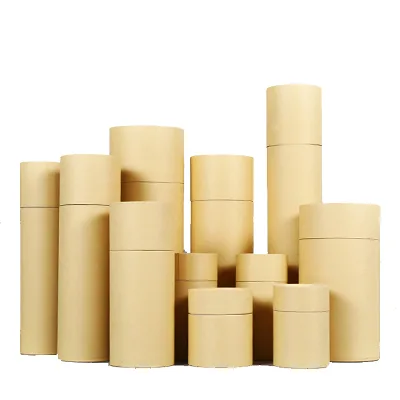


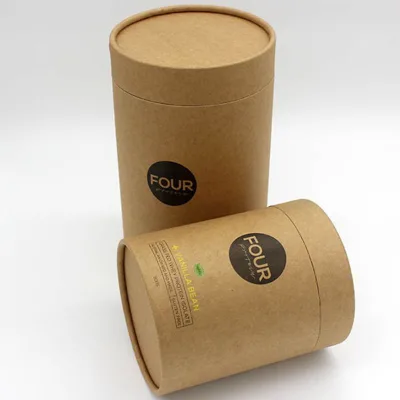
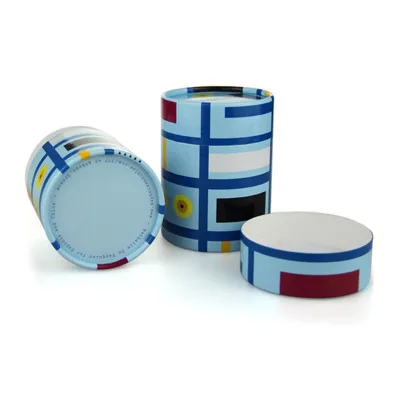
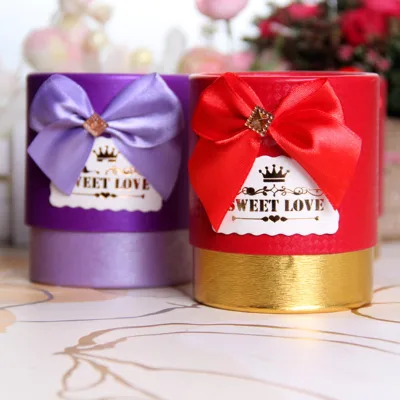
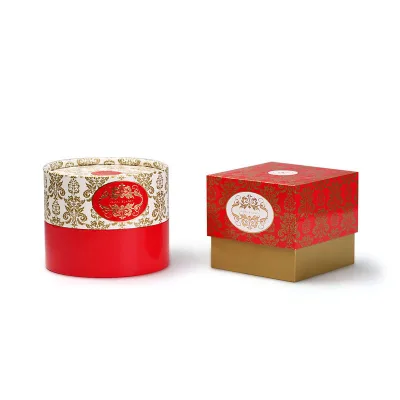
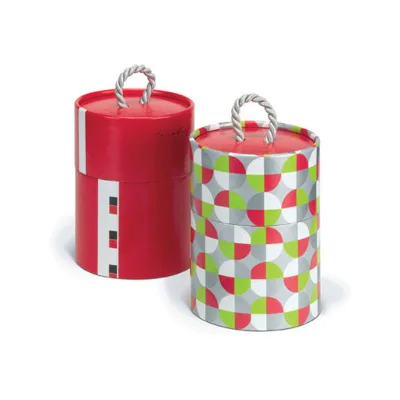
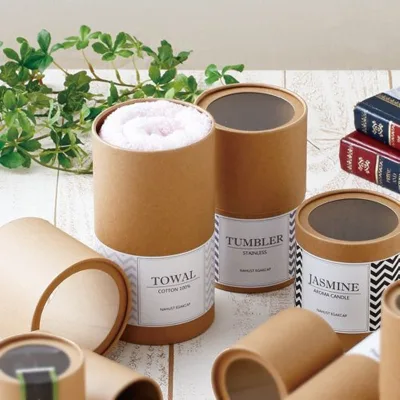
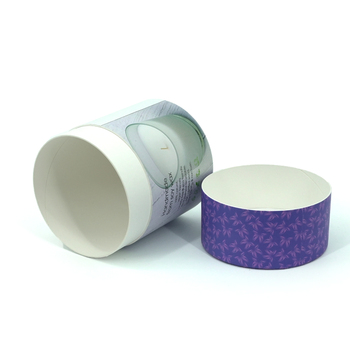

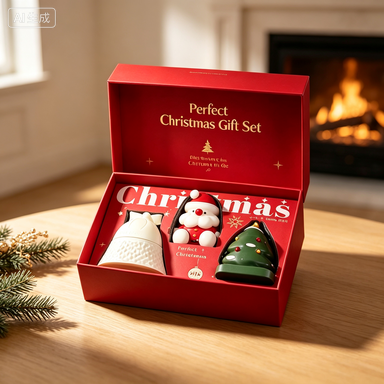
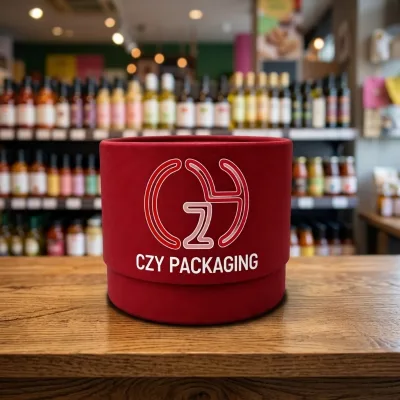



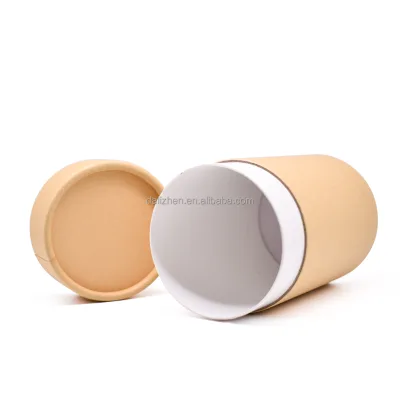
Paper Tube Cardboard Round Box Cylinder Cardboard Gift Paper Tube Packaging
$0.22 - $0.45
MOQ: 1000 Pieces



Comprehensive Sourcing Guide
Gift Paper Tube Sourcing Guide
Sourcing gift paper tubes requires a clear understanding of the diverse manufacturing capabilities available in major production hubs like Shenzhen and Guangdong, China. Buyers must navigate a landscape where customization is not just an option but a standard expectation, with suppliers offering OEM and ODM services to meet specific branding needs. The market presents a wide array of material choices, including kraft paper, art paper, and special papers, allowing for tailored aesthetic and functional outcomes. Understanding these foundational options is the first step in defining a successful procurement strategy that aligns with both budget constraints and brand identity goals.
The procurement process is heavily influenced by the ability to customize dimensions, shapes, and surface finishes to suit unique packaging requirements. Suppliers frequently offer cylindrical, round, or even dumpling-type shapes, alongside various printing techniques such as offset, UV, foil stamping, and embossing. This flexibility enables brands to create distinctive unboxing experiences that enhance product value. However, this level of customization also introduces complexity in quality control and lead time management, requiring buyers to establish precise specifications early in the engagement to avoid delays or miscommunication during the production phase.
Product Scope and Observed Listing Signals
The observed market signals indicate a broad spectrum of product types, ranging from standard cylindrical tubes to specialized shapes like dumpling types and boxes. Listings frequently highlight features such as waterproof capabilities, biodegradable materials, and single-open designs, suggesting a focus on both durability and environmental consciousness. The presence of mixed colors and custom color options, including CMYK or PMS printing, underscores the importance of visual branding in this category. Buyers should note that while some products are described as having partial hardness, others may offer different structural integrity levels, necessitating careful review of individual product attributes rather than assuming uniformity across all listings.
Usage scenarios span household items, professional applications, camping and travel needs, as well as arts and crafts, electronics, jewelry, and cosmetics. This versatility indicates that gift paper tubes are not limited to a single industry but serve as a flexible packaging solution for various sectors. The inclusion of logos and four-color printing options further emphasizes the role of these tubes in promotional and gift-giving contexts. Buyers must carefully match these observed features with their specific product requirements, ensuring that the chosen tube type aligns with the physical dimensions and protective needs of the items being packaged, while also considering the aesthetic expectations of the end consumer.
Technical Specifications to Verify
Verifying technical specifications is critical to ensuring that the selected paper tubes meet both functional and aesthetic requirements. Buyers should confirm the exact paper type, whether it is kraft, art, or special paper, and ensure that the weight and thickness are appropriate for the product’s protection needs. The model numbers, such as CB-001 or 008, and single package sizes like 10x10x10 cm, provide reference points, but custom sizes are often available. It is essential to verify the single gross weight, which can vary significantly, to ensure accurate shipping cost calculations and storage planning. Misalignment in these specifications can lead to product damage or inefficient packaging, so precise communication with suppliers is paramount.
Surface handling techniques, including embossing, UV coating, and foil stamping, add value but also introduce potential points of failure if not properly specified. Buyers must confirm the durability of these finishes, especially for products that may be handled frequently or exposed to varying environmental conditions. The hardness of the tube, described as partial hard in some listings, should be tested against the weight and fragility of the contents. Additionally, the shape, whether cylindrical, round, or customized, must be validated to ensure compatibility with existing packaging lines or retail displays. Clear technical drawings and physical samples are recommended to finalize these details before mass production begins.
Compliance and Safety Documentation
While specific certification statuses like FSC are mentioned in background contexts, buyers must independently verify the compliance of all materials with relevant environmental and safety standards. The claim of environmentally friendly and biodegradable materials requires substantiation through recognized certifications to ensure marketing claims are accurate and defensible. Buyers should request documentation proving the source of the paper and the adhesives used, particularly if the tubes are intended for food-grade or cosmetic applications. Ensuring that the manufacturing process adheres to local and international regulations is crucial for maintaining brand integrity and avoiding legal liabilities associated with non-compliant packaging materials.
Safety documentation should also cover the chemical composition of inks and coatings, especially when using CMYK or PMS colors for branding. Buyers must ensure that these materials are non-toxic and safe for consumer contact, particularly for products like jewelry, cosmetics, or health care items. Requesting Material Safety Data Sheets (MSDS) for all components can provide clarity on potential hazards. Furthermore, verifying that the supplier follows good manufacturing practices (GMP) can help ensure consistent quality and safety across production batches. Proactive engagement on these fronts helps mitigate risks and builds trust with end consumers who are increasingly conscious of product safety and environmental impact.
Cost Drivers and Commercial Terms
Cost drivers for gift paper tubes include material selection, customization complexity, printing techniques, and order volume. The observed MOQ range of 100 to 5000 units significantly impacts unit pricing, with lower volumes typically incurring higher per-unit costs due to setup fees and material waste. Custom shapes, special paper types, and intricate surface handling like embossing or foil stamping add to the production cost. Buyers should analyze the trade-off between aesthetic enhancements and budget constraints, considering whether premium finishes are necessary for their target market. Understanding these variables allows for more accurate budgeting and negotiation with suppliers.
Commercial terms such as bulk production time, shipping methods, and payment conditions also influence the total cost of ownership. A typical bulk production time of 15 working days should be factored into supply chain planning to avoid stockouts. Shipping options, including sea, air, and express, offer flexibility but vary in cost and speed. Buyers should negotiate clear terms regarding defects, returns, and quality guarantees to protect their investment. Additionally, considering the single gross weight and package dimensions is essential for optimizing logistics costs. Transparent communication about these commercial aspects ensures a smoother procurement process and prevents unexpected expenses.
Supplier Qualification and Quality Control
Supplier qualification involves assessing their manufacturing capabilities, quality control processes, and track record in producing customized packaging. Buyers should verify the supplier’s experience with OEM and ODM projects, particularly in the gift and promotional sectors. Requesting references or case studies can provide insight into their reliability and ability to meet deadlines. Quality control measures, such as in-process inspections and final random inspections, are crucial for ensuring consistency. Buyers should establish clear acceptance criteria for defects, such as misalignment in printing or structural weaknesses, and ensure these are documented in the purchase agreement.
Effective quality control also requires regular communication and sample approvals before mass production. Buyers should insist on pre-production samples to verify dimensions, colors, and finishes against their specifications. During production, periodic updates or third-party inspections can help identify and address issues early. The supplier’s location in regions like Guangdong, China, may offer logistical advantages but also requires careful management of communication barriers and time zones. Establishing a robust quality assurance framework helps minimize risks and ensures that the final product meets the brand’s standards for quality and presentation.
Long-Term Procurement Checks
Long-term procurement success depends on continuous evaluation of supplier performance, market trends, and evolving consumer preferences. Buyers should regularly review supplier metrics such as on-time delivery rates, defect rates, and responsiveness to issues. Building a strong relationship with reliable suppliers can lead to better pricing, priority production, and collaborative innovation in packaging design. Staying informed about new materials, such as more sustainable paper options or advanced printing techniques, can provide competitive advantages. Regular audits and feedback loops help maintain high standards and drive continuous improvement in the supply chain.
Additionally, buyers should monitor regulatory changes and sustainability trends that may impact packaging requirements. As consumers become more environmentally conscious, the demand for biodegradable and eco-friendly packaging is likely to grow. Proactively adapting to these trends by sourcing suppliers with strong environmental credentials can enhance brand reputation. Long-term contracts with clear performance clauses can provide stability and predictability in supply. By maintaining a strategic approach to supplier management and market analysis, buyers can ensure a resilient and efficient procurement process for gift paper tubes over time.
FAQs
Can gift paper tubes be customized with specific logos?
Yes, customization is available for gift paper tubes, including logo printing. Suppliers offer options such as CMYK or PMS printing, offset printing, and surface handling techniques like embossing or foil stamping. This allows brands to create unique packaging that aligns with their identity while maintaining the structural integrity of the cylindrical design.
What materials are used to make gift paper tubes?
Gift paper tubes are typically crafted from kraft paper, art paper, or special paper types. These materials are chosen for their durability and eco-friendly properties. The tubes can be made from cardboard or craft paper, ensuring they are biodegradable and suitable for various applications, from jewelry to cosmetics, while offering a premium feel.
What is the typical MOQ for ordering gift paper tubes?
The minimum order quantity for gift paper tubes generally ranges from 500 to 5000 units, depending on the supplier and customization requirements. Some providers offer low MOQ options to accommodate smaller businesses. Buyers should verify specific MOQs with manufacturers, as custom sizes or complex printing processes may influence the minimum order thresholds.
How long does bulk production take for gift paper tubes?
Bulk production time for gift paper tubes is typically around 15 working days. This timeline applies to standard orders with custom materials and sizes. Buyers should account for additional time if complex printing, such as UV or foil stamping, is required. Shipping methods like sea, air, or express can further affect overall delivery schedules.
Are gift paper tubes waterproof and durable?
Yes, many gift paper tubes are designed to be waterproof and durable. They are often made from high-quality cardboard or craft paper, ensuring they can protect contents like cosmetics or jewelry. The partial hardness and cylindrical shape provide structural stability, making them suitable for household, professional, and travel use while maintaining an elegant appearance.
What printing options are available for gift paper tubes?
Gift paper tubes support various printing options, including CMYK and PMS colors, offset printing, and surface handling like embossing or foil stamping. Buyers can choose from single open features or custom shapes. These options allow for detailed branding, ensuring the packaging stands out while meeting specific aesthetic and functional requirements for different product categories.