Source Gift Ribbon for Garment, Gift, and Decoration
Source 30 gift ribbon options including polyester grosgrain and polypropylene styles. Compare woven and printed varieties in solid colors and plaid patterns for garment accessories, gift packing, and decoration applications; compare the available evidence and request quotations based on your requirements.
Key considerations
Products List




Comprehensive Sourcing Guide
Gift Ribbon Sourcing Guide
Buyers must first distinguish between the diverse material compositions observed in current listings, as the supply chain offers both 100% polyester and polypropylene options for similar decorative applications. The product data indicates a primary focus on woven grosgrain structures, yet some entries list plastic or polypropylene materials, requiring immediate clarification on the intended tactile feel and durability for the specific end-use. This distinction is critical because polyester generally offers better dye retention and a structured drape, whereas polypropylene may be preferred for cost-sensitive, single-use gift wrapping scenarios where stiffness is acceptable.
Procurement teams should also scrutinize the listed width specifications, which range significantly from narrow 1/8-inch strips to broader 1-1/2-inch bands, alongside standard lengths like 40 yards or 100 yards. The observed listing signals reveal that some suppliers offer customized dimensions, such as 4cm by 20 yards, while others adhere to fixed standards like 5cm by 100 yards. Buyers need to align these physical dimensions with their packaging machinery capabilities or manual assembly requirements, ensuring that the selected width supports the intended application, whether it is for garment accessories, cake tying, or general gift packing.
Product Scope and Observed Listing Signals
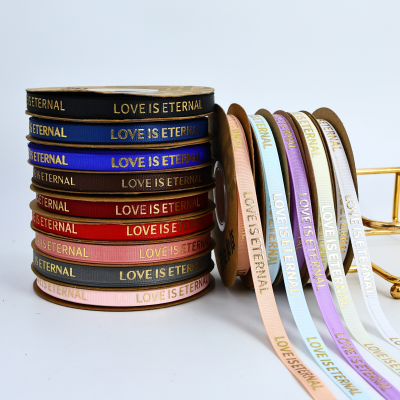
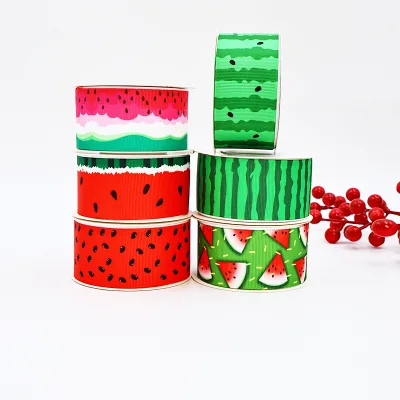
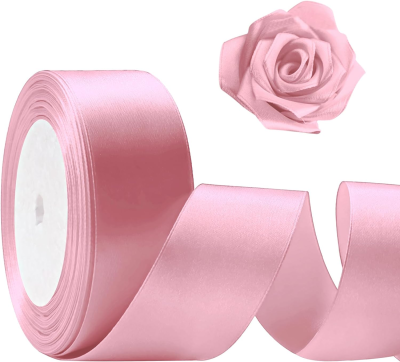
The market for gift ribbons currently displays a wide array of visual styles, including solid colors, plaid patterns, and metallic finishes, which cater to distinct seasonal and thematic needs. Data points confirm the availability of specific hues such as wine-red, dusty pink, and royal blue, alongside versatile neutrals like beige and black, allowing buyers to source cohesive color palettes for large-scale events. However, the presence of "easy to deform" as a listed feature suggests that some products may lack structural rigidity, necessitating a careful review of sample quality to ensure the ribbon maintains its shape during the wrapping process.
Commercial listings also highlight significant variability in customization capabilities, with many suppliers explicitly accepting OEM and ODM requests for logos and specific packaging formats. While some entries mention a "ribbed love" style or specific model numbers like "pull bow," the core product type remains consistent as woven or printed ribbons intended for decoration. Buyers should verify if the "fashionable" or "warm" style descriptors align with their target demographic, as these subjective terms often mask underlying differences in weave density and finish quality that are not immediately apparent from the product title alone.
Technical Specifications to Verify
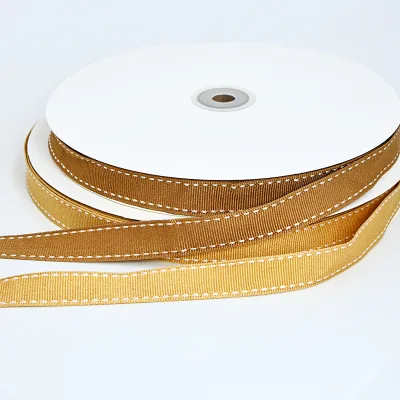
Technical due diligence requires a rigorous verification of the fabric type and construction method, as the supply data lists both woven and printed techniques for similar product categories. Buyers must confirm whether the grosgrain structure is consistent across all color options, as the "woven" attribute is explicitly linked to polyester materials in some records but may vary for polypropylene variants. It is essential to request physical samples to validate the weave tightness and surface texture, ensuring that the ribbon does not fray easily and that the printed designs, if applicable, are resistant to smudging during handling.
Dimensional accuracy is another critical technical parameter, given the observed range of widths from 1/8 inch to 2-1/2 inches and varying length standards. Procurement teams should verify the single package size and gross weight, which are listed as 8x8x5 cm and 0.500 kg respectively, to calculate accurate shipping costs and storage requirements. Furthermore, the standard length specifications, such as 3cm by 100 yards or 5cm by 1000 meters, must be cross-referenced with the actual product received, as discrepancies in length can significantly impact the cost-per-unit and the total yield for large packaging projects.
Compliance and Safety Documentation
While the provided data does not explicitly confirm specific certification statuses like Oeko-Tex, buyers must proactively request safety documentation to ensure the ribbons meet international standards for children's products and food contact if used for cake tying. The material composition, whether polyester or polypropylene, should be verified against relevant chemical safety regulations to rule out the presence of harmful substances or heavy metals that could leach onto gift items or packaging. It is advisable to ask suppliers for a Declaration of Conformity or a Material Safety Data Sheet (MSDS) to validate that the dyes and finishes used in the "fashionable" or "metallic" styles are non-toxic and safe for general consumer use.
Documentation regarding the origin of the materials is equally important, as the listings indicate production in regions such as Shandong and Dongguan, China. Buyers should ensure that the supplier can provide traceability for the raw materials, particularly if the ribbons are intended for export to markets with strict environmental or labor compliance requirements. Although specific standards are not listed in the product attributes, verifying that the manufacturing process adheres to general industry safety norms is essential to mitigate the risk of product recalls or regulatory penalties in the destination market.
Cost Drivers and Commercial Terms
The cost structure for gift ribbons is heavily influenced by the material choice, with polyester typically commanding a higher price point than polypropylene due to its superior durability and aesthetic qualities. Buyers should analyze the observed price range of 0 to 89 USD to understand the variance between basic solid colors and specialized styles like metallic or customized logo ribbons. It is crucial to request a detailed breakdown of costs to determine if the price includes the customization fees for logos or the additional charges for specific packaging formats, as these factors can significantly alter the final landed cost per unit.
Commercial terms also vary widely, with Minimum Order Quantities (MOQ) ranging from a single roll to 10,000 units, and sample lead times generally supported within seven days. Procurement teams must negotiate these terms based on their inventory strategy, balancing the need for flexibility with the economies of scale offered by larger orders. Additionally, the packing method, whether in bags, boxes, or cartons, impacts the overall cost and should be factored into the total budget, as specialized packaging for customized orders often incurs extra charges that are not always immediately visible in the base product price.
Supplier Qualification and Quality Control
Supplier qualification should begin with a thorough assessment of their production capabilities, specifically their ability to handle both woven and printed techniques as indicated in the product attributes. Buyers must verify the supplier's capacity to maintain consistency across different color runs and width specifications, ensuring that the "ribbed" texture and "solid color" patterns remain uniform throughout the order. It is recommended to conduct a factory audit or request a video tour to confirm that the machinery and quality control processes are capable of meeting the specific technical requirements of the requested ribbon styles.
Quality control protocols must be established to address the observed feature of "easy to deform," which suggests potential issues with structural integrity in certain product lines. Buyers should implement a strict inspection regime that includes testing the tensile strength and color fastness of the ribbons before final acceptance. Establishing clear acceptance criteria for defects such as uneven weaving, color bleeding, or incorrect dimensions is essential to ensure that the final product meets the high standards required for garment accessories and premium gift packaging applications.
Long-Term Procurement Checks
Sustainable procurement practices require ongoing monitoring of the supplier's ability to maintain consistent quality and material composition over time. Buyers should schedule regular performance reviews to ensure that the polyester or polypropylene materials continue to meet the specified standards and that the "fashionable" or "warm" style attributes do not drift due to changes in raw material sourcing. It is also important to track the supplier's adherence to the agreed-upon lead times and packaging standards, as delays or deviations can disrupt the supply chain for time-sensitive gift and decoration projects.
Long-term relationships should be built on transparent communication regarding customization requests and order volume fluctuations. Buyers must ensure that the supplier remains flexible enough to accommodate changes in design, such as new color palettes or logo updates, without compromising on quality or delivery schedules. Regularly reviewing the supplier's compliance with safety standards and their ability to provide updated documentation will help mitigate risks and ensure a stable, reliable supply of high-quality gift ribbons for future business needs.
FAQs
What materials are used for gift ribbons?
Gift ribbons are commonly made from 100% polyester, polypropylene, or plastic. Polyester offers a woven grosgrain texture suitable for fashion and garment accessories. Polypropylene and plastic variants provide durable options for gift wrapping and cake tying. These materials ensure the ribbon holds its shape while remaining flexible for decorative applications.
Can I customize the logo on gift ribbons?
Yes, customized logos are available for gift ribbons. Suppliers accept OEM and ODM requests to tailor branding to your needs. You can specify unique designs or text to be printed or woven into the ribbon. This customization supports distinct branding for corporate gifts, wedding favors, or retail packaging requirements.
What is the typical MOQ for gift ribbons?
The minimum order quantity for gift ribbons ranges from 1 roll to 10,000 units. Some suppliers offer a low MOQ of just one roll for sampling or small batches. Higher volumes may be required for specific customizations or bulk pricing tiers. Buyers should verify the exact MOQ with the supplier before placing an order.
How long does sample order lead time take?
Sample orders for gift ribbons typically require a lead time of 7 days. This timeframe allows suppliers to prepare and ship the requested samples for quality verification. Buyers can use this period to assess material quality, color accuracy, and print resolution before committing to larger production runs.
What widths are available for grosgrain ribbons?
Grosgrain ribbons are available in various widths including 1/8 inch, 1/4 inch, 5/8 inch, and 1.5 inches. Other sizes like 1.25 inches and 2.5 inches are also offered. These dimensions cater to different decorative needs, from delicate garment accents to wide gift wrapping bows. Select the width that best fits your specific application.
Where are gift ribbons typically manufactured?
Gift ribbons are primarily manufactured in China, with key production hubs in Shandong and Dongguan, Guangdong. These regions are known for their textile and ribbon manufacturing capabilities. Buyers sourcing from these locations benefit from established supply chains and competitive pricing. Origin details should be confirmed with the specific supplier for each order.