Source Glass Cosmetic Jar with ABS Cover for skincare, creams, and powders
Compare 30 Glass Cosmetic Jar with ABS Cover options from Chinese manufacturers. These containers feature child-resistant closures, various sizes, and customizable logos for storing serums, scrubs, and creams.
Key considerations
Products List


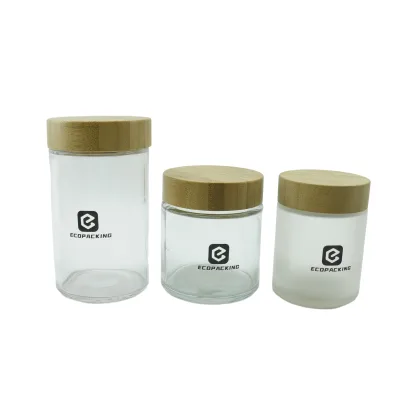


40ml Glass Cosmetic Jar Round Metallic Glass Cosmetic Jar with Metal Shoulder
$0.25 - $1.80
MOQ: 5000 Pieces


10g 15g Modern Empty Cosmetic Jar in Any Colour Option Glass Bottle Jar
$0.10 - $0.11
MOQ: 5000 Pieces


Comprehensive Sourcing Guide
Strategic Sourcing Guide for Glass Cosmetic Jars with ABS Covers
The global demand for sustainable and aesthetically pleasing packaging has elevated the glass cosmetic jar with an ABS (Acrylonitrile Butadiene Styrene) cover to a cornerstone of the beauty and personal care industry. This specific combination offers a unique value proposition: the chemical stability and premium feel of glass paired with the durability, lightweight nature, and design flexibility of ABS plastic. For procurement professionals, navigating this category requires a disciplined approach to verifying technical specifications, understanding cost drivers, and ensuring compliance with international standards. This guide provides a comprehensive framework for sourcing these containers effectively, grounded in observed market data and industry best practices.
Technical Specifications and Material Composition
Understanding the physical and chemical attributes of the product is the first step in any procurement strategy. The core component, the glass jar, typically originates from manufacturing hubs in China, specifically regions like Jiangsu and Xuzhou, which are known for their glass production capabilities. The glass itself is generally transparent and designed for a round shape, suitable for a wide array of cosmetic formulations.
The closure system is critical. While many listings indicate a "Metal Lid" or "Plastic Lid" as a general category, the specific requirement for an ABS cover implies a thermoplastic closure. ABS is favored for its impact resistance and ability to be molded into complex shapes, including child-resistant mechanisms. The sealing type is predominantly a screw cap or screw lid, ensuring a tight seal against air and moisture.
Capacity and volume standards vary significantly across suppliers. Observed data indicates a wide range of standard sizes, including 1oz, 2oz, 30ml, 6oz, 8oz, and up to 16oz. Some suppliers offer specific models like the SSL-3-7 or B-8-4, which may dictate specific dimensional constraints. The surface treatment of the glass is often customizable, allowing for bright, matte, frosted, or color-coated finishes. This customization extends to the lid color, with options ranging from standard black, white, and green to fully custom color matching.
Compliance, Certification, and Safety Standards
In the cosmetic industry, regulatory compliance is non-negotiable. Buyers must verify that the glass jars meet food-grade and cosmetic-grade safety standards. The glass material itself is generally inert, making it suitable for storing sensitive ingredients like serums, creams, and powders. However, the ABS cover must also be verified for food contact safety if the product is intended for cosmetic use that might involve skin contact or accidental ingestion risks.
Certification checks are a vital part of the due diligence process. While some suppliers list CE certification, this primarily indicates conformity with health, safety, and environmental protection standards for products sold within the European Economic Area. It is essential to distinguish between general CE marking and specific material certifications. For instance, while FSC certification is sometimes mentioned in broader packaging contexts, it applies to wood and paper products, not glass or plastic, and should not be assumed for this category without explicit documentation.
Safety features are increasingly demanded by the market. Many suppliers offer closures with "Child-Resistant" and "Smell Proof" attributes. These features are critical for products containing active ingredients or potent fragrances. The "Single Wall" construction is common, but buyers should verify if double-wall options are available for enhanced insulation or protection. The "Leak Proof" claim is a key performance indicator that must be validated through testing, as it directly impacts product integrity during shipping.
Cost Drivers and Pricing Dynamics
The pricing of glass cosmetic jars with ABS covers is influenced by several variable factors. The observed price range in the market spans from $0.05 to $1.80 per unit, a significant variance that reflects differences in volume, customization, and quality. Several key drivers influence where a specific order falls within this range.
First, the volume of the order is a primary determinant. The Minimum Order Quantity (MOQ) typically ranges from 100 to 50,000 units. Smaller quantities often incur a higher unit cost due to setup fees and production inefficiencies. Conversely, bulk orders can leverage economies of scale, significantly reducing the per-unit price. Some suppliers offer "Stocks" with lower MOQs, while others require a minimum of 5,000 pieces for custom runs.
Second, customization plays a major role. Standard, plain, transparent jars with basic screw caps are the most cost-effective. Adding custom colors, silk screen printing, hot stamping, or decals increases the cost. The complexity of the ABS mold also affects pricing; intricate designs or specific child-resistant mechanisms require more expensive tooling and longer production cycles.
Third, the origin and logistics impact the final landed cost. Products originating from Jiangsu or Xuzhou, China, benefit from established supply chains, but freight costs (sea or air) must be factored in. Sea freight is generally more economical for large volumes, while air freight is reserved for urgent, smaller shipments.
Typical Applications and Usage Scenarios
The versatility of glass jars with ABS covers makes them suitable for a broad spectrum of applications. The primary usage categories include skincare, haircare, and general storage. Specific applications identified in the market include creams, lotions, serums, scrubs, powders, and masks. The inert nature of glass ensures that the product inside does not react with the container, preserving the efficacy of active ingredients.
Beyond cosmetics, these jars are increasingly used for dry flowers, spices, and gummies. The "Smell Proof" and "Leak Proof" features make them ideal for products with strong fragrances or liquid contents that could spill. The "Eco-Friendly" attribute of glass, combined with the durability of ABS, appeals to brands looking to balance sustainability with functionality.
The following table outlines common applications and their corresponding jar requirements:
| Application Category | Recommended Volume | Key Feature Requirements | Typical Usage |
|---|---|---|---|
| Skincare Creams | 30ml - 100g | Child-Resistant, Leak Proof | Daily moisturizers, anti-aging creams |
| Serums & Lotions | 1oz - 6oz | Smell Proof, Screw Cap | Face serums, body lotions |
| Body Scrubs | 4oz - 8oz | Durable ABS, Wide Mouth | Exfoliating scrubs, sugar scrubs |
| Powders & Spices | 2oz - 12oz | Airtight Seal, Customizable | Facial powders, culinary spices |
| Dry Flowers | 6oz - 16oz | Transparent, Decorative | Botanical displays, gift sets |
Supplier Evaluation and Selection Criteria
Selecting the right supplier requires a rigorous evaluation process. Buyers should prioritize suppliers who demonstrate transparency in their production capabilities and quality control measures. The "Factory Directly Sale" and "Stable Production" advantages mentioned by some suppliers suggest a direct relationship with the manufacturing facility, which can reduce lead times and costs.
When evaluating potential partners, consider the following criteria:
- Customization Capability: Verify if the supplier can handle specific requests for logo printing (Silk Screen, Hot Stamping, Decal, Label) and surface treatments (Bright, Matte, Frosted).
- Sample Availability: While some suppliers offer free samples, others require contact for exact sample fees. Requesting samples is crucial to verify the fit of the ABS lid on the glass jar and the quality of the seal.
- Production Capacity: Assess the supplier's ability to meet your volume requirements. The observed MOQ range of 100 to 50,000 units indicates flexibility, but confirm if they can scale up for large orders without compromising quality.
- Logistics and Shipping: Understand the available freight options (Sea Freight, Air Freight) and the typical lead times. While specific lead times are not universally standardized, reliable suppliers should provide clear timelines.
Quality Control and Inspection Protocols
Quality control (QC) is essential to ensure that the final product meets the buyer's specifications. Given the fragility of glass and the precision required for the ABS closure, a multi-stage QC process is recommended.
Incoming Material Inspection: Verify that the glass is free from bubbles, cracks, or uneven thickness. The ABS lid should be checked for molding defects, such as flash or warping, which could compromise the seal.
Dimensional Accuracy: Measure the jar and lid dimensions to ensure compatibility. The screw thread must align perfectly to prevent cross-threading or leakage.
Seal Integrity Testing: Conduct leak tests on a random sample of the batch. This is particularly important for liquid products like serums and lotions. The "Leak Proof" claim must be substantiated through practical testing.
Visual Inspection: Check for consistent color, clear logo printing, and proper surface treatment. The "Transparent" color and "Round" shape should be uniform across the batch.
Packaging Verification: Ensure that the packaging (Carton / Pallet) is robust enough to protect the glass during transit. The "Pallet or Paper Carton" options should be evaluated based on the shipping method and destination.
Long-Term Procurement Considerations
Sourcing glass cosmetic jars with ABS covers is not just a one-time transaction but a long-term partnership. Buyers should consider the scalability of the supplier and their ability to adapt to changing market trends. The "Customization" and "Customized" attributes highlight the importance of flexibility in design and branding.
Sustainability is another long-term consideration. While glass is inherently recyclable, the ABS lid requires specific recycling streams. Buyers should inquire about the recyclability of the ABS material and the supplier's commitment to eco-friendly practices. The "Eco-Friendly" label on some products suggests a potential for sustainable sourcing, but this should be verified with specific data.
Finally, maintain open communication with the supplier regarding inventory management. The "Stocks" availability can be a significant advantage for rush orders, but for custom runs, planning ahead is essential. Establishing a reliable supply chain ensures that production lines are not disrupted by packaging shortages, allowing the brand to focus on growth and innovation.
In conclusion, sourcing glass cosmetic jars with ABS covers requires a balanced approach that considers technical specifications, compliance, cost, and supplier reliability. By adhering to these guidelines and maintaining a disciplined focus on quality and verification, buyers can secure high-quality packaging that enhances their brand value and meets the rigorous demands of the modern cosmetic market.
FAQs
What customization options are available for the glass cosmetic jar?
Customization is available for logo printing, surface treatment, and lid colors. Buyers can request silk screen, hot stamping, decals, or labels on bright, matte, frosted, or color-coated surfaces with black, white, green, or custom cap colors.
Which certifications do these glass jars typically hold?
The products listed carry CE certification, indicating conformity with health and safety standards. While some suppliers mention eco-friendly attributes, specific material certifications like FSC are not confirmed for glass or plastic components in the provided data.
How does the Minimum Order Quantity vary for these jars?
The Minimum Order Quantity ranges from 100 to 50,000 units depending on the supplier and stock availability. Some vendors offer stock items with lower MOQs, while custom orders may require a minimum of 5,000 pieces or more.
Can I get free samples of the glass cosmetic jars?
Sample availability varies by supplier, with some offering free samples and others requiring contact for exact fees. Buyers should verify sample costs before ordering to ensure they align with their budget and testing requirements.
What sealing types are used for these cosmetic containers?
The jars predominantly use screw cap or screw lid sealing types. Many models feature child-resistant closures that are also designed to be smell-proof and leak-proof to ensure product integrity during storage and shipping.
Where are these glass jars manufactured?
The products originate from manufacturing hubs in China, specifically Jiangsu and Xuzhou regions. These locations are known for their glass production capabilities and offer stable production advantages for bulk orders.
What packaging methods are used for shipping these jars?
Jars are typically packed in cartons or on pallets to ensure safe transit. The packaging options include paper cartons or palletized arrangements, chosen based on the shipping method and volume of the order.