Source Glass Cup for Office, Daily Use, and Wine Applications
Find 30 Glass Cup options from verified Chinese manufacturers. Buyers can compare specifications like capacity, material, and certifications including FDA and LFGB for office, daily use, and wine applications.
Key considerations
Products List


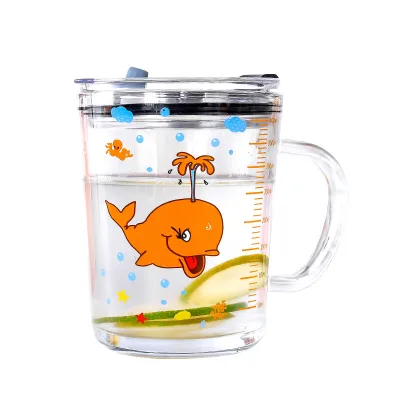


Manufacturers Direct Selling High Quality Glass Tea Cup Custom Glass Cups
$2.00 - $4.00
MOQ: 50 Pieces


Comprehensive Sourcing Guide
Glass Cup Sourcing Guide
Sourcing glass cups requires a nuanced understanding of manufacturing techniques, material integrity, and regulatory compliance to ensure the final product meets both functional and aesthetic requirements. The global market for glassware is diverse, ranging from mass-produced, machine-made items to artisanal, hand-blown pieces, each with distinct cost structures and quality implications. Buyers must navigate a landscape where attributes such as customization, decoration methods, and specific glass types significantly influence the suitability of a product for its intended application. This guide provides a structured approach to evaluating suppliers and products, focusing on the critical decision points that determine the success of a procurement project. By aligning technical specifications with commercial terms and compliance standards, buyers can mitigate risks associated with product failure, regulatory non-compliance, and supply chain disruptions.
The following sections detail the essential considerations for sourcing glass cups, drawing on observed market signals and trusted industry knowledge. We will explore the scope of available products, the technical parameters that define quality, the documentation required for safety and legal compliance, and the commercial factors that drive pricing. Additionally, we will examine supplier qualification processes and long-term procurement strategies to ensure sustainable sourcing relationships. This comprehensive framework is designed to empower procurement professionals to make informed decisions, ensuring that the selected glass cups meet the specific needs of their brand, whether for daily use, specialized beverages, or promotional purposes.
Product Scope and Observed Listing Signals
The current market for glass cups exhibits a wide range of product variations, characterized by distinct styles, materials, and functional attributes. Observed listings indicate a strong presence of double-wall glass cups, which are often marketed for their aesthetic appeal and thermal insulation properties. These products frequently feature creative designs and are available in a variety of colors, including blue, green, pink, amber, yellow, and black, catering to diverse branding and aesthetic preferences. The glass type is predominantly clear or high-clear glass, with some listings specifying melt glass, which suggests a focus on transparency and visual clarity. Additionally, the presence of both handled and handle-less options indicates that the market serves both traditional and modern usage patterns, allowing buyers to select products that align with their target consumer's habits.
Customization is a significant driver in the Glass Cup market, with many suppliers offering decal decoration and logo acceptance to support brand identity. This flexibility extends to product models and standard sizes, with observed specifications including capacities such as 480ml and 500ml, as well as wall thicknesses ranging from 8mm to 14mm. The production techniques vary, with some products being handmade and mouth-blown, which often commands a premium due to the artisanal nature of the process, while others may be produced using more standardized methods. The origin of these products is primarily China, a major hub for glassware manufacturing, which offers a broad spectrum of options from high-volume commercial items to specialized, low-MOQ designs. Buyers should carefully review the specific attributes of each listing, as the combination of features such as double-wall construction, color options, and decoration methods will significantly impact the final product's suitability and cost.
Technical Specifications to Verify
When evaluating glass cups, buyers must verify key technical specifications to ensure the product meets functional and durability requirements. The type of glass is a critical factor, with clear glass and high-clear glass being common choices for their transparency and ability to showcase the beverage's color. The construction method, whether double-wall or single-wall, affects both the thermal performance and the structural integrity of the cup. Double-wall cups, for instance, offer better insulation and a modern aesthetic, but they require careful inspection to ensure there are no defects in the seal between the walls. Additionally, the presence or absence of a handle is a functional consideration that should align with the intended use, such as hot beverages for handled cups or cocktails for handle-less designs. Buyers should request detailed specifications regarding wall thickness, as observed ranges include 8mm, 10mm, 12mm, and 14mm, which can influence the cup's weight, durability, and perceived quality.
Capacity and dimensions are essential for ensuring the product fits within existing packaging and distribution systems. Observed standards include capacities of 480ml and 500ml, as well as specific models like JN00024 and JNG202305251, which may have unique dimensional profiles. Buyers should verify the exact dimensions, including height and diameter, to ensure compatibility with shelving, storage, and consumer expectations. The material composition should also be confirmed, with high-clear glass being a preferred choice for its clarity and resistance to clouding over time. Furthermore, the production process, whether handmade, mouth-blown, or machine-made, impacts the consistency and finish of the product. Handmade items may have slight variations, which can be desirable for artisanal brands but require careful quality control for mass-market products. Buyers should request samples to physically assess these technical attributes, ensuring that the product meets their specific requirements for durability, aesthetics, and functionality.
Compliance and Safety Documentation
Compliance with safety and regulatory standards is paramount when sourcing glass cups, particularly for products intended for food and beverage contact. Buyers must verify that suppliers hold relevant certifications, such as FDA, CE, EU, LFGB, CIQ, RoHS, and REACH, which indicate adherence to strict safety and environmental regulations. These certifications ensure that the glass material is free from harmful substances and is safe for repeated use with various types of beverages, including water, juice, and alcohol. The presence of these certifications is a strong indicator of a supplier's commitment to quality and regulatory compliance, reducing the risk of product recalls or legal issues in the buyer's market. Buyers should request copies of these certifications and verify their validity with the issuing bodies, ensuring that they are current and applicable to the specific products being sourced.
In addition to certifications, buyers should inquire about the product's safety features, such as its compatibility with microwaves, dishwashers, ovens, and freezers. These attributes are crucial for consumer convenience and product longevity, and they should be clearly stated in the product specifications. The non-disposable nature of the glass cups also implies a focus on durability and reusability, which aligns with growing consumer preferences for sustainable products. Buyers should verify that the glass is tempered or otherwise treated to withstand thermal shock and mechanical stress, reducing the risk of breakage during use. Furthermore, the packaging should be designed to protect the glass cups during transit, with options such as carton and pallet packaging observed in the market. Proper packaging is essential to minimize damage and ensure that the products arrive in pristine condition, maintaining their aesthetic and functional integrity.
Cost Drivers and Commercial Terms
The cost of glass cups is influenced by a variety of factors, including material quality, production complexity, customization requirements, and order volume. Handmade and mouth-blown glass cups typically command higher prices due to the labor-intensive nature of the production process and the unique characteristics of each piece. In contrast, machine-made products may offer lower unit costs, especially for large order volumes, but may lack the artisanal appeal of handmade items. Customization, such as decal decoration and logo printing, adds to the cost, as it requires additional processing steps and quality control measures. Buyers should carefully evaluate the trade-offs between cost and customization, ensuring that the added expense aligns with the brand's value proposition and target market expectations.
Commercial terms, including minimum order quantities (MOQs), payment methods, and sample availability, also play a significant role in the procurement process. Observed MOQs range from 2 to 75,000 units, providing flexibility for both small-scale and large-scale buyers. Payment terms such as T/T are common, and buyers should negotiate favorable terms based on their relationship with the supplier and the order volume. The availability of free samples is a valuable resource for evaluating product quality before committing to a large order, allowing buyers to assess the physical attributes, packaging, and overall finish of the glass cups. Buyers should also consider the total cost of ownership, including shipping, duties, and potential returns, to ensure that the final cost aligns with their budget and pricing strategy. Clear communication of these commercial terms with suppliers is essential to avoid misunderstandings and ensure a smooth procurement process.
Supplier Qualification and Quality Control
Supplier qualification is a critical step in the sourcing process, requiring a thorough assessment of the supplier's capabilities, reputation, and quality management systems. Buyers should verify the supplier's production capacity, lead times, and ability to meet specific customization requirements. The origin of the products, primarily China, offers access to a wide range of suppliers, but buyers must conduct due diligence to identify reliable partners with a track record of quality and consistency. This may involve reviewing the supplier's certifications, such as ISO 9001 and ISO 14001, which indicate adherence to international standards for quality and environmental management. Buyers should also request references or case studies from other clients to gain insight into the supplier's performance and reliability.
Quality control measures are essential to ensure that the glass cups meet the specified standards and requirements. Buyers should establish clear quality criteria, including visual inspection for defects, dimensional accuracy, and functional testing for durability and safety. Regular audits and inspections of the supplier's production facilities can help identify potential issues early in the process, allowing for corrective actions before the products are shipped. Buyers should also implement incoming quality control checks upon receipt of the products, verifying that the items match the approved samples and specifications. Establishing a robust quality control process, in collaboration with the supplier, is crucial for maintaining product consistency and customer satisfaction, reducing the risk of defects and returns.
Long-Term Procurement Checks
Long-term procurement success depends on building sustainable relationships with suppliers and continuously monitoring performance to ensure ongoing quality and reliability. Buyers should establish regular communication channels with their suppliers to discuss performance metrics, address any issues, and explore opportunities for improvement. This may include periodic reviews of quality data, delivery performance, and customer feedback to identify trends and areas for enhancement. By fostering a collaborative relationship, buyers can work with suppliers to implement process improvements, reduce costs, and innovate new product offerings that meet evolving market demands.
Additionally, buyers should stay informed about changes in regulatory requirements, market trends, and technological advancements in glassware manufacturing. This proactive approach allows buyers to anticipate potential challenges and adapt their sourcing strategies accordingly. For example, increasing consumer demand for sustainable products may drive the need for eco-friendly materials and packaging solutions. Buyers should also consider diversifying their supplier base to mitigate risks associated with supply chain disruptions, geopolitical factors, or changes in supplier capabilities. By maintaining a flexible and responsive sourcing strategy, buyers can ensure the long-term success of their Glass Cup procurement projects, delivering high-quality products that meet the needs of their customers and support their brand's growth.
FAQs
What certifications are available for these glass cups?
The glass cups come with multiple safety certifications including CE, EU, LFGB, CIQ, RoHS, REACH, FDA, and ISO. These credentials ensure compliance with international food safety standards, making them suitable for commercial and industrial use across different regions without regulatory concerns.
Can I customize the logo on the glass cups?
Yes, logo customization is acceptable for these glass cups. The products support OEM services and feature decal decoration techniques. Buyers can request specific branding or designs to be applied to the clear or colored glass surfaces to meet their corporate or retail identity requirements.
What is the minimum order quantity for these glass cups?
The minimum order quantity ranges from 2 to 75,000 units depending on the specific product model and customization needs. This flexible MOQ allows both small trial orders and large-scale bulk purchases, accommodating various business sizes and inventory strategies for Glass Cup procurement.
Are these glass cups safe for microwave and dishwasher use?
Yes, the glass cups are safe for microwave, dishwasher, oven, and freezer use. Made from high clear glass or melt glass, they are designed for daily use and can withstand temperature changes. This durability ensures convenience for consumers and reduces breakage risks during cleaning.
What glass types and styles are offered for these cups?
The collection includes clear glass, melt glass, and double wall types in creative styles. Options range from cups with handles to those without, available in colors like blue, green, pink, amber, yellow, and black. This variety supports diverse applications from juice and water to cocktails.
How are the glass cups packaged for shipping?
The glass cups are packaged in cartons, paper cartons, or pallet packages. Some items use carton and pallet combinations for stability. This secure packaging method protects the fragile glass items during transit, ensuring they arrive in good condition regardless of the shipping distance or method used.