Source Glass Disc Cap Inspection Machine for Cosmetics, Drinks, Dairy
Find 30 glass disc cap inspection machines from verified Chinese suppliers. Compare specifications for bottle cap appearance inspection, sealing accuracy, and automated filling capabilities across cosmetics, drinks, and dairy applications; compare the available evidence and request quotations based on your requirements.
Key considerations
Products List

$5000.00 - $30000.00
MOQ: 1 Pieces


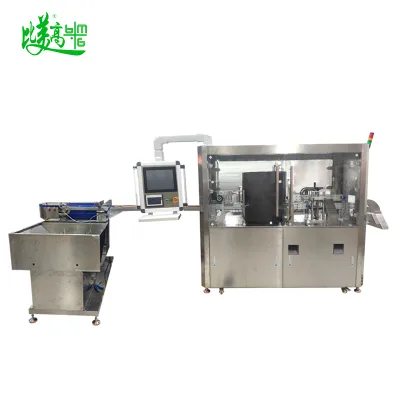

Glass Filling Capping Machine Capping Machine Glass Jar Cap Crimping Machine
$19000.00 - $60000.00
MOQ: 1 Pieces


Comprehensive Sourcing Guide
Glass Disc Cap Inspection Machine Sourcing Guide
Procuring automated vision systems for glass disc cap inspection requires a precise understanding of how optical sensors integrate with high-speed packaging lines. Buyers must evaluate whether the system supports the specific geometry of disc caps, ensuring that the camera resolution and lighting configuration can detect micro-defects such as cracks, chips, or contamination on the sealing surface. The integration of these machines into existing production environments demands careful assessment of mechanical interfaces, particularly regarding conveyor synchronization and pneumatic rejection mechanisms.
The decision to invest in such technology hinges on balancing throughput requirements with defect detection accuracy. Modern inspection units often utilize multi-angle imaging to capture the complex topography of disc caps, which may include embossed logos or textured sealing rings. Procurement teams should prioritize systems that offer real-time data logging and statistical process control features, enabling quality managers to trace defects back to specific production batches. This level of traceability is critical for maintaining compliance in regulated industries where product integrity directly impacts consumer safety and brand reputation.
Product Scope and Observed Listing Signals
Market listings for cap inspection equipment frequently overlap with broader packaging machinery categories, including filling, sealing, and labeling systems. Buyers often encounter platforms where inspection units are bundled with piston filling machines or rotary sealing devices, suggesting a comprehensive solution for end-of-line quality assurance. Observed product attributes indicate that these systems are designed for versatile applications, handling various container shapes and materials, from plastic bottles to glass jars. This versatility allows manufacturers to deploy a single inspection platform across multiple product lines, reducing capital expenditure and simplifying maintenance protocols.
Specific listing signals reveal that many suppliers offer customization options, including OEM and ODM support, to tailor the inspection software to unique cap designs. The presence of automatic grade classifications and full automatic filling and sealing machine references suggests that these inspection units are often part of a larger automated workflow. Buyers should verify whether the inspection system operates independently or requires integration with upstream filling and downstream sealing equipment. Understanding this operational context is essential for determining the total cost of ownership and the complexity of system integration within the factory floor layout.
Technical Specifications to Verify
When evaluating technical specifications, the accuracy of defect detection is paramount, with many systems claiming precision levels around 0.01 mm for dimensional checks. Buyers must verify the resolution of the imaging sensors and the type of lighting used, such as coaxial or dome lighting, to ensure optimal contrast for disc cap features. The processing speed, often measured in parts per minute, must align with the maximum line speed of the filling and sealing machinery to prevent bottlenecks. Additionally, the rejection mechanism, whether pneumatic pushers or diverter arms, should be robust enough to remove defective caps without damaging adjacent good products.
Software capabilities are another critical technical aspect, requiring users to define acceptable quality limits and generate detailed reports on defect types. The system should support multiple language interfaces and offer remote diagnostic capabilities to minimize downtime during troubleshooting. Buyers should also assess the durability of the housing, with some units featuring IP67 protection classes to withstand harsh industrial environments involving moisture or cleaning agents. Confirming the compatibility of the inspection system with existing factory networks and data management systems ensures seamless integration and efficient data flow for quality control analysis.
Compliance and Safety Documentation
Ensuring that the inspection machine meets international safety and quality standards is a non-negotiable aspect of the procurement process. Buyers should request documentation confirming compliance with relevant electrical safety standards, such as CE marking, which indicates adherence to European health, safety, and environmental protection requirements. The presence of ISO 9001 certification for the manufacturer suggests a robust quality management system, reducing the risk of manufacturing defects in the inspection equipment itself. These certifications provide assurance that the machine has undergone rigorous testing and meets established industry benchmarks for performance and reliability.
Safety features must include emergency stop buttons, protective guarding, and interlock switches to prevent operator injury during maintenance or operation. Buyers should verify that the machine’s voltage and power requirements match the local electrical infrastructure, typically 380 V for industrial equipment, to avoid the need for costly transformers. Documentation should also include detailed user manuals, electrical schematics, and spare parts lists to facilitate ongoing maintenance and repair. Ensuring that all safety documentation is complete and up-to-date helps mitigate liability risks and ensures that operators can use the equipment safely and efficiently.
Cost Drivers and Commercial Terms
The total cost of a Glass Disc Cap Inspection Machine is influenced by several factors, including the complexity of the vision system, the number of cameras, and the level of customization required. Basic models with single-camera setups may offer lower initial costs, while advanced systems with multi-angle imaging and AI-driven defect classification command higher prices. Buyers should also consider the cost of integration, including software licensing, installation services, and training for operators and maintenance staff. These additional costs can significantly impact the overall budget and should be factored into the initial procurement decision.
Commercial terms such as warranty coverage, payment terms, and lead times are critical components of the negotiation process. A standard one-year warranty is common, but buyers may negotiate extended coverage for critical components like cameras and processors. Payment terms often involve a deposit upon order confirmation and the balance upon delivery or installation, depending on the supplier’s policies. Lead times can vary based on the level of customization and the supplier’s production capacity, so buyers should establish clear timelines to align with their production schedules and avoid delays in launching new products.
Supplier Qualification and Quality Control
Selecting a qualified supplier involves assessing their technical expertise, production capabilities, and after-sales support network. Buyers should verify the supplier’s experience in manufacturing inspection equipment for the packaging industry, particularly with glass or disc cap applications. Requesting references from existing clients and visiting the manufacturing facility, if possible, can provide valuable insights into the supplier’s quality control processes and production standards. A supplier with a strong track record of delivering reliable equipment and responsive support is more likely to meet the buyer’s long-term operational needs.
Quality control measures should include rigorous testing of each unit before shipment, with detailed test reports documenting performance metrics such as detection accuracy and speed. Buyers should inquire about the supplier’s policy for handling defects or malfunctions during the warranty period, including response times and replacement parts availability. Establishing a clear communication channel for technical support and troubleshooting is essential for minimizing downtime and ensuring the smooth operation of the inspection system. A proactive supplier will offer regular maintenance tips and software updates to keep the equipment performing at its best.
Long-Term Procurement Checks
Long-term success with glass disc cap inspection machines depends on continuous monitoring of performance metrics and adherence to maintenance schedules. Buyers should establish key performance indicators, such as false reject rates and missed defect rates, to evaluate the system’s effectiveness over time. Regular calibration of cameras and lighting systems is necessary to maintain detection accuracy, especially as environmental conditions or cap designs change. Implementing a preventive maintenance program can help identify potential issues before they lead to costly downtime or product quality failures.
Data analysis from the inspection system should be used to drive continuous improvement initiatives within the production process. By identifying recurring defect patterns, manufacturers can adjust upstream processes, such as molding or filling, to reduce the incidence of defects. Buyers should also stay informed about advancements in vision technology and software capabilities, considering upgrades or expansions as production needs evolve. Engaging with the supplier for periodic reviews and support ensures that the inspection system remains aligned with the company’s quality goals and operational efficiency targets.
FAQs
What customization options are available for sealing machines?
Customization is available for these packaging sealing machines to meet specific production needs. Buyers can request OEM and ODM support to tailor the equipment. The machines handle various container shapes and sealing types while maintaining high accuracy levels for different applications.
Which certifications do the sealing machines hold?
The sealing machines hold ISO 9001 and CE certifications to ensure quality and safety standards. These standards verify that the manufacturing processes meet international requirements. Buyers can rely on these certifications when selecting equipment for their production lines in various industries.
How is the accuracy of the filling machines defined?
The filling machines offer an accuracy of 0.01 for precise liquid dispensing operations. This high precision ensures consistent product volume across different batches. The equipment utilizes plunger dosing devices and multi-head filling valves to achieve these strict accuracy targets.
Can the machines handle different bottle shapes and sizes?
Yes, the machines accommodate round, square, and other container shapes with all kinds of mouths. They support various volumes and sealing types including all kinds of caps. This flexibility allows the equipment to process diverse products like drinks, cosmetics, and cleaning agents effectively.
What is the warranty period for the sealing equipment?
The sealing equipment comes with a standard one-year warranty to protect your investment. This coverage ensures support for any initial operational issues that may arise. Buyers should verify specific terms with suppliers to understand the full scope of the warranty coverage.
Where are these packaging machines manufactured?
These packaging machines are manufactured in Guangdong, China, which is a major industrial hub. The origin ensures access to established supply chains and manufacturing expertise. Buyers can expect competitive pricing and reliable logistics from this specific production location.
What voltage requirements do the machines have?
The machines operate on a 380 V voltage requirement suitable for industrial environments. This power specification ensures stable performance during continuous operation cycles. Users must ensure their facility power supply matches this voltage to prevent equipment damage.