Source Glass Door Power Distribution Box for High-rise Buildings, Power Plants, and Industrial Facilities
Explore 30 verified listings for the Glass Door Power Distribution Box suitable for high-rise buildings and power plants. Buyers can compare specifications like voltage levels, protection grades, and customization options from suppliers in China.
Key considerations
Products List




Comprehensive Sourcing Guide
Strategic Sourcing Guide for Glass Door Power Distribution Boxes
Understanding Product Definitions and Structural Variants
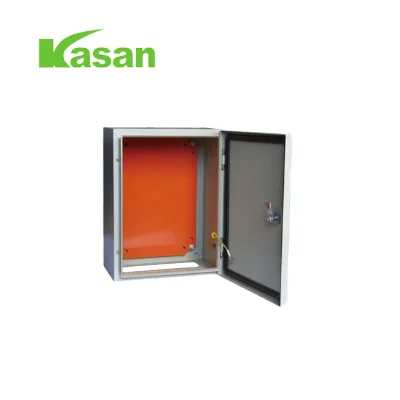
When sourcing a Glass Door Power Distribution Box, buyers must first distinguish between the various structural forms and application contexts available in the current market. The core keyword implies a specific aesthetic and functional requirement: a distribution metering box that integrates a transparent or semi-transparent door to allow for visual inspection of internal components without compromising safety. Based on observed product data, these units are frequently categorized by their form factor, such as "Partly-welded Type" or "All- packaged Type," which dictates the manufacturing process and the final structural integrity of the enclosure.
The physical structure of these boxes varies significantly depending on the intended installation environment. While some units are designed as "Wall-Mount" cabinets suitable for high-rise buildings, others are engineered as "Floorstanding" structures for power plants or industrial facilities. The shell material is a critical differentiator; observed listings indicate the use of "Steel Plate" for general applications and "Stainless Steel" for environments requiring higher corrosion resistance. The surface finish is typically "Powder Coating," often applied in specific color codes such as "Rail 7032/7035" to meet architectural or safety color standards.
It is essential to note that the "Glass Door" feature is often an optional customization rather than a standard baseline for all listed models. Buyers should verify if the supplier offers this specific modification as part of their "Customization" capabilities. The internal structure is generally described as a "Cabinet" or "Protection" unit, designed to house electrical components while providing a specific "Shell Protection Grade." Observed data points to protection grades ranging from IP30 to IP40, which indicates the level of protection against solid objects and water ingress. This variation means that a single search term can yield products with vastly different environmental ratings, necessitating a clear definition of the operational environment before procurement begins.
Technical Specifications and Operational Parameters
The technical specifications of a Glass Door Power Distribution Box are governed by voltage levels, phase configurations, and dimensional constraints. The market presents a dichotomy between "Low Voltage" and "Medium Voltage" units. Low voltage models are typically smaller, with dimensions observed in the range of "800x600x200" or "400300200," and are often used for general distribution metering. In contrast, medium voltage units, such as those rated at "12 Kv," are larger and more complex, often featuring "Sf6 Insulated" technology and advanced functions like "Automatic Control, Protection, Monitoring, Measure."
Dimensional specifications are highly variable. While some units are listed with a size of "1 Uint" or "3 Uint," others have precise physical dimensions like "80015002300." The thickness of the steel plate is another critical technical parameter, with observed values ranging from 1.0mm to 2.0mm. This thickness directly correlates to the mechanical strength and the ability of the box to withstand physical impact or fire exposure. Buyers must verify the exact thickness required for their specific load and safety requirements, as thinner gauges may not suffice for heavy-duty industrial applications.
Electrical parameters further define the suitability of a unit. The "Rated Voltage" can vary from standard low-voltage levels up to 12 Kv for medium-voltage applications. The "Phase" configuration is predominantly "Three," and the "Frequency" is typically "50Hz," aligning with standard grid frequencies in many regions. The "Operation Voltage" is generally low, but the internal components must be rated for the specific system voltage. Additionally, the "Lock" mechanism is often "Optional," allowing buyers to choose between standard latches and high-security locking mechanisms depending on the security requirements of the installation site. The "Installation Method" is usually "Fixed," ensuring stability, but the "Hole" configuration can be "Customized" to accommodate specific cable entry requirements.
Compliance, Certification, and Safety Standards
Navigating the compliance landscape for power distribution boxes requires a rigorous verification of certifications and adherence to international standards. The supplied data indicates that suppliers often claim compliance with a broad array of standards, including "CCC, ISO: 9001, CE, CQC, Ma.CNAS, IEC." However, buyers must treat these claims as observations of the supplier's portfolio rather than guaranteed attributes of every specific unit ordered. The presence of "ISOCurrent:AC" certification suggests that some units have undergone specific testing for alternating current operations, but this must be confirmed on a per-unit basis.
Safety and protection grades are paramount in electrical procurement. The "Shell Protection Grade" is a critical metric, with observed values of IP30 and IP40. IP30 generally protects against objects larger than 2.5mm, while IP40 offers protection against objects larger than 1.0mm. For applications in harsh environments or outdoor settings, buyers should verify if the supplier can provide higher IP ratings, as the standard listed values may not be sufficient for all use cases. Furthermore, the "Standard" column in product listings often references specific dimensions or material compositions, such as "80015002300" or "STEEL," which serve as baseline specifications but do not replace formal safety certifications.
It is crucial to distinguish between the product's design standards and its operational certifications. While some units are described as "Sf6 Gas Insulated Switch Protection System" models, others are simple "Distribution Metering Box" units. The certification requirements for these two categories differ significantly. Medium voltage systems often require more stringent testing and certification, such as those related to "Automatic Control" and "Protection" functions. Buyers should request specific test reports for the "Earthing Protection, Opening, Closing Protection" tasks to ensure the unit meets the safety protocols of their local jurisdiction. Relying solely on general claims like "OEM Available" or "Customizable" without verifying the underlying certification documentation can lead to compliance failures during installation or inspection.
Cost Drivers and Pricing Dynamics
The pricing of glass door power distribution boxes is influenced by a complex interplay of material costs, customization levels, and production complexity. The observed price range in the market is exceptionally wide, spanning from $0.36 to $10,000 USD. This vast disparity reflects the difference between small, low-voltage metering boxes and large, medium-voltage switchgear systems. The lower end of the spectrum likely corresponds to basic, off-the-shelf units with standard dimensions and minimal customization, while the upper end represents complex, custom-engineered systems with advanced insulation and control features.
Material composition is a primary cost driver. Units constructed from "Stainless Steel" will inherently cost more than those made from standard "Steel Plate" due to the raw material price and the additional processing required. Similarly, the thickness of the shell, ranging from 1.0mm to 2.0mm, directly impacts material usage and cost. Thicker gauges require more steel and more robust manufacturing processes, increasing the unit price. The "Powder Coating" finish also adds to the cost, particularly if specific color codes like "Rail 7032/7035" are requested or if special anti-corrosion treatments are applied.
Customization is another significant factor in pricing. While "Customization" is listed as available, the extent of this customization dictates the final cost. Requests for "Can Be Customized" holes, specific dimensions like "800x600x200," or specialized "Glass Door" configurations will incur additional engineering and manufacturing charges. The "OEM" capability of the supplier also plays a role; suppliers offering full OEM services may charge a premium for the design and branding work involved. Additionally, the "Packing" method, whether "Carton," "Carton Package," or "Plywood Case," affects the shipping cost and the overall landed price, especially for heavy or large units. Buyers should expect that any deviation from standard models will result in a higher price point, and they should request detailed cost breakdowns to understand the value proposition of each component.
Typical Applications and Installation Environments
The application range for glass door power distribution boxes is diverse, spanning from residential high-rise buildings to industrial power plants. The "Application Range" observed in the market includes "High-rise Buildings" and "Power Plants," indicating that these units are versatile enough for both urban infrastructure and heavy industrial use. In high-rise buildings, the "Wall-Mount" configuration is preferred for its space-saving design and ease of access for maintenance. The "Glass Door" feature is particularly valuable here, as it allows facility managers to visually inspect metering and distribution components without opening the cabinet, enhancing security and reducing maintenance downtime.
For power plants and industrial facilities, the requirements are more stringent. These environments often utilize "Floorstanding" units with "Medium Voltage" ratings, such as the "12 Kv" models. The "Sf6 Insulated" technology mentioned in the data is specifically suited for these high-voltage applications, providing superior insulation and safety. The "Automatic Control, Protection, Monitoring, Measure" functions are critical in these settings, ensuring that the distribution system operates efficiently and safely under varying load conditions. The "Structure" of these units is designed to be robust, often featuring "Protection" mechanisms to withstand harsh industrial conditions.
The "Installation Method" is another key consideration. While most units are "Fixed," the specific mounting requirements depend on the site layout. In some cases, the "Hole" configuration must be customized to accommodate existing cabling infrastructure. The "Color" of the unit, such as "Rail 7032/7035," may also be dictated by the site's aesthetic or safety standards. Buyers should carefully assess the environmental conditions of their installation site, including exposure to dust, moisture, and temperature fluctuations, to select a unit with the appropriate "Shell Protection Grade" and material composition.
Supplier Evaluation and Quality Control Protocols
Evaluating suppliers for glass door power distribution boxes requires a focus on their manufacturing capabilities, geographic location, and quality assurance processes. The "Place of Origin" for these products is predominantly "China," with specific hubs in "Wen Zhou," "Zhejiang Wenzhou," and "Foshan, Guangdong." These regions are known for their concentration of electrical equipment manufacturers, but buyers should verify the specific factory location to ensure it aligns with their logistical and quality expectations. The "Delivery Time" is typically listed as "7-20 Days," but this can vary based on the level of customization and the current production load.
Quality control is essential to ensure that the supplied units meet the required specifications. Buyers should request detailed information on the "Surface Finish" process, specifically the "Powder Coating" application, to ensure it meets durability and aesthetic standards. The "Shell Material" must be verified through material certificates to confirm the grade of steel or stainless steel used. Additionally, the "Certification" status should be validated against the specific standards claimed, such as "CCC, ISO: 9001, CE," to ensure the supplier has the necessary approvals for the intended market.
The "Packaging" method is also a critical aspect of quality control. Whether the unit is shipped in a "Carton," "Carton Package," or "Plywood Case," the packaging must be sufficient to protect the unit during transit, especially for heavy or large models. Buyers should inspect the packaging standards of the supplier to prevent damage during shipping. Furthermore, the "Customization" process should be clearly defined, with a clear understanding of the "Hole" customization and "Lock" options. A reputable supplier will provide detailed drawings and specifications before production begins to ensure the final product matches the buyer's requirements.
Long-Term Procurement and Lifecycle Management
Long-term procurement of glass door power distribution boxes involves considerations beyond the initial purchase price, focusing on lifecycle management, maintenance, and scalability. The "OEM" availability suggests that suppliers can support branding and customization needs, which is beneficial for buyers looking to standardize their equipment across multiple sites. However, buyers should also consider the availability of spare parts and the ease of maintenance. Units with "Optional" locks and "Customized" holes may require specific tools or procedures for maintenance, which should be factored into the total cost of ownership.
The "Function" of the unit, such as "Automatic Control, Protection, Monitoring, Measure," implies a need for ongoing support and potential software updates. For medium-voltage systems with "Sf6 Insulated" technology, the long-term reliability of the insulation system is critical. Buyers should inquire about the expected lifespan of the components and the availability of technical support from the supplier. The "Standard" compliance, including "IEC" and "ISO: 9001," provides a baseline for quality, but buyers should also consider the supplier's track record in delivering products that meet these standards over time.
Finally, the "Lead Time" and "MOQ" (Minimum Order Quantity) are important factors for long-term planning. The observed MOQ range of 1 to 500 units offers flexibility for both small and large projects. However, buyers should negotiate lead times that align with their project schedules, as the "7-20 Days" delivery window may vary for customized orders. By establishing a long-term relationship with a reliable supplier, buyers can ensure consistent quality, competitive pricing, and timely delivery for future procurement needs. This strategic approach minimizes the risk of supply chain disruptions and ensures that the power distribution infrastructure remains reliable and compliant with evolving standards.
FAQs
What materials are used for the shell of these boxes?
Shells are typically made from steel plate or stainless steel. Buyers should verify the specific material grade required for their environment, as stainless steel offers higher corrosion resistance than standard steel plate.
Can the installation method be customized for wall mounting?
Yes, wall-mount installation is available as a standard option. Some units also support floorstanding structures, and the hole configuration can be customized to fit specific cable entry requirements.
What is the typical delivery time for these distribution boxes?
The standard delivery time ranges from 7 to 20 days. This lead time applies to most standard models, though complex customizations or large orders may require additional processing time.
Which certifications are commonly associated with these units?
Common certifications include CCC, ISO 9001, CE, CQC, and IEC standards. Buyers must verify that the specific unit ordered carries the required certification for their local jurisdiction and safety protocols.
How does the shell protection grade vary between models?
Observed protection grades range from IP30 to IP40. IP30 protects against objects larger than 2.5mm, while IP40 offers protection against objects larger than 1.0mm, depending on the specific model selected.
What voltage levels are supported by these distribution boxes?
Units are available in both low voltage and medium voltage configurations. Medium voltage models can reach rated voltages of 12 Kv and often feature SF6 insulation for enhanced safety.
Is customization available for the color and surface finish?
Customization is available for colors like Rail 7032 or 7035 and powder coating finishes. Buyers should confirm specific color codes and surface treatment requirements with the supplier before ordering.