Source Glass Dropper for Medicine, Perfume, and Chemicals
Compare 30 Glass Dropper options for medicine, perfume, and chemical applications. Buyers can evaluate capacities like 1ml and 2ml, materials including glass and plastic, and customization features such as logo printing and color options from verified suppliers.
Key considerations
Products List
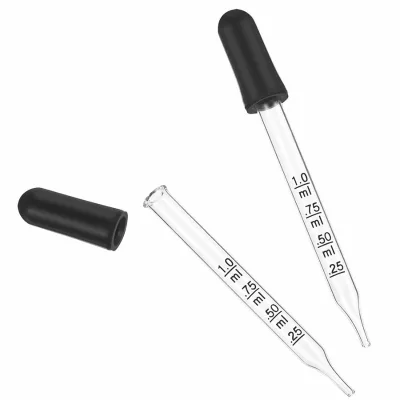


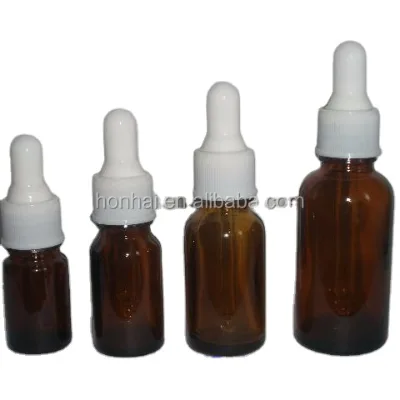


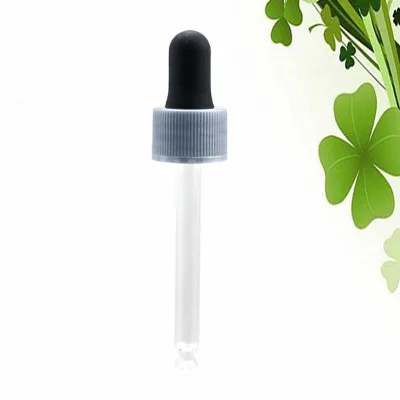
18mm 20mm 22mm 24mm Neck Size Glass Dropper with Rubber Cap of DBC-001
$0.07 - $0.10
MOQ: 30000 Minimum


Comprehensive Sourcing Guide
Strategic Sourcing Guide for Glass Dropper Procurement
Understanding Product Specifications and Material Integrity
When initiating a procurement strategy for glass droppers, the primary focus must be on aligning technical specifications with the intended application. The market offers a diverse array of configurations, ranging from straight to elbow shapes, which dictates the ergonomic suitability for specific dispensing tasks. A critical observation in the current supply landscape involves the material composition; while some listings specify glass for the main vessel, others indicate plastic alternatives or rubber components for the dropper bulb itself. Buyers must rigorously verify the "Collar Material" and "Glass Tubes" dimensions, as these directly impact the seal integrity and chemical resistance of the final assembly.
The dimensional specifications are equally vital for compatibility with existing packaging lines. Standardized neck sizes such as 18/400, 18/410, 18/415, 20/400, and 20/410 are prevalent in the industry. These thread specifications ensure that the dropper cap fits securely onto the intended bottle, preventing leakage during transport. Furthermore, the physical dimensions of the glass tubes, often observed in ranges like 48mm, 53mm, and 56mm, must be cross-referenced with the volume requirements of the product being packaged. While 1ml is a common capacity for high-precision applications, larger volumes such as 2ml, 10ml, 30ml, and 50ml are also available, requiring different tube lengths and bulb capacities.
The manufacturing technique, specifically "Bottle Blowing," influences the structural uniformity of the glass. This process determines the wall thickness and the consistency of the glass, which are crucial for preventing breakage during filling operations. Buyers should also note the availability of customization options, including logo printing and color variations, which can be "Any Colour" depending on the supplier's capabilities. However, the flexibility of the component is often described as "Hard," which is a characteristic of the glass material itself, distinguishing it from more pliable plastic alternatives. Understanding these granular details ensures that the selected dropper meets both functional and aesthetic requirements without compromising the integrity of the liquid extract or medicine it contains.
Compliance, Certification, and Regulatory Standards
In the medical and pharmaceutical sectors, compliance is not merely a formality but a prerequisite for market entry. When sourcing glass droppers, buyers must prioritize suppliers who can demonstrate adherence to recognized international standards. The supply data indicates the presence of certifications such as CE, ISO, and RoHS, which are essential for products intended for medical use or those entering regulated markets. The CE mark signifies conformity with health, safety, and environmental protection standards for products sold within the European Economic Area, while RoHS compliance ensures the restriction of specific hazardous materials in electrical and electronic equipment, though its relevance here pertains to the chemical composition of the glass and associated components.
Verification of these certifications requires more than a simple assertion on a product page. Buyers should request valid, up-to-date certification documents directly from the supplier to confirm that the specific batch of glass droppers meets the stated standards. The "Standard" field in product listings often references specific dimensions, such as DIA: 18/410, but true regulatory compliance involves third-party testing and validation. For instance, while some listings mention SGS standards, this refers to inspection and testing services rather than a product standard itself. It is the buyer's responsibility to ensure that the supplier's quality management system aligns with the rigorous demands of the medical industry.
Furthermore, the origin of the product plays a significant role in compliance. Products originating from regions like Shandong or Ningbo in China may have different regulatory oversight histories. Buyers must verify that the manufacturing facility holds the necessary local and international accreditations. The presence of "Recycled" material claims adds another layer of complexity; while sustainability is a growing priority, the use of recycled glass in medical applications requires strict validation to ensure no contaminants are introduced. Therefore, the procurement process must include a thorough audit of the supplier's quality assurance protocols and their ability to provide traceability for the raw materials used in the glass production.
Cost Drivers and Economic Considerations
The economics of sourcing glass droppers are influenced by a complex interplay of material costs, manufacturing complexity, and order volume. The observed price range in the market spans from $0.01 to $1500, a variance that reflects the difference between single-unit samples and bulk industrial orders. For large-scale procurement, the Minimum Order Quantity (MOQ) is a significant cost driver. Listings frequently cite an MOQ of 10,000 pieces, which can be a barrier for smaller buyers or those testing new product lines. However, some suppliers may offer lower thresholds, such as 1 piece, though this typically comes with a significantly higher unit price.
Logistics and packaging also contribute substantially to the total cost of ownership. The single package size, often listed as 56x42x42 cm, and the gross weight of 25.000 kg per carton, dictate shipping costs. Glass is a heavy and fragile material, necessitating robust packaging solutions like paper cartons to prevent breakage during transit. The "Supply Ability" of 100 cartons per month indicates that some suppliers may have limited capacity, potentially leading to higher costs due to scarcity or the need for expedited shipping. Conversely, suppliers with higher production volumes may offer more competitive pricing but might have longer lead times or stricter MOQ requirements.
Customization is another factor that impacts cost. Features such as logo printing, specific color matching, or unique bottle shapes often incur additional setup fees and higher per-unit costs. The "Sample Time" of 4-6 days and "Production Time" of 25-30 days after receiving a deposit are critical for cash flow planning. Buyers must account for the "Freight Collect" nature of samples, which can add unexpected expenses if not anticipated. Additionally, the "Industrial Use" classification, such as for medicine or essential oils, may require specialized packaging or handling, further influencing the final price. A comprehensive cost analysis must consider the total landed cost, including duties, insurance, and potential quality control expenses, rather than just the unit price.
Typical Applications and Functional Versatility
Glass droppers are integral components in a wide range of industries, primarily driven by their ability to dispense precise volumes of liquid. The "Usage" field often highlights "Extract liquid," making these droppers ideal for essential oils, herbal extracts, and tinctures. The "Function" attribute further expands their utility to include perfumes, medicines, and various chemicals. In the medical sector, the "Application" is strictly defined, requiring high precision and sterility. The "Industrial Use" classification as "Medicine" underscores the critical nature of these components in pharmaceutical packaging, where dosage accuracy is paramount.
The versatility of glass droppers is also evident in their adaptability to different product types. Whether used for "Essential Oil," "Perfume," or "Chemical" applications, the glass material offers superior chemical resistance compared to many plastics, ensuring that the integrity of the contents is maintained. The "Straight" and "Elbow" shapes provide options for different dispensing angles, catering to the ergonomic needs of the end-user. For instance, an elbow dropper might be preferred for dispensing from a narrow-necked bottle, while a straight dropper offers ease of use for larger containers.
The "Volume" capacity, ranging from 1ml to 50ml, allows for customization based on the concentration and intended dosage of the product. A 1ml dropper is often used for potent extracts where a single drop represents a significant dose, whereas larger volumes are suitable for general-purpose liquids. The "Easy-operation" feature is a key selling point, ensuring that the dropper is user-friendly and minimizes the risk of spillage. This functionality is particularly important in consumer-facing products like cosmetics and personal care items, where the user experience is a critical factor in brand loyalty.
Supplier Evaluation and Sourcing Strategy
Evaluating potential suppliers requires a multi-faceted approach that goes beyond price comparison. The "Place of Origin" is a key indicator of manufacturing capability, with regions like Shandong and Ningbo in China being prominent hubs for glass packaging. Buyers should assess the "Supply Ability" of the supplier, noting that a capacity of 100 cartons per month may be insufficient for large-scale projects. It is essential to verify the supplier's production capacity and their ability to scale operations to meet fluctuating demand.
The "Port of dispatch," including Shanghai, Qingdao, and Shenzhen, offers insight into the supplier's logistics network. Suppliers with multiple port options may provide more flexibility in shipping routes and costs. Additionally, the "Delivery" location, such as Shanghai, should be cross-referenced with the supplier's actual operational base to ensure consistency. The "Sample" policy, often "Freight Collect," indicates the supplier's willingness to provide product samples, which is a crucial step in the evaluation process. Buyers should request samples to physically inspect the quality, fit, and finish of the droppers before committing to a bulk order.
Quality control is another critical aspect of supplier evaluation. The "Standard" and "Certification" fields provide initial clues, but direct communication with the supplier is necessary to understand their internal quality assurance processes. Buyers should inquire about the "Technics" used, such as "Bottle Blowing," and request data on defect rates and rejection criteria. The "Flexibility" of the supplier in terms of customization, such as "Logo Printing" and "Color" options, is also a valuable metric. A supplier that can accommodate specific branding and design requirements is more likely to be a long-term partner.
Quality Control and Long-Term Procurement Considerations
Ensuring consistent quality in Glass Dropper procurement requires a robust quality control framework. The "Feature" of "High Quality" is a common claim, but it must be substantiated through rigorous testing. Buyers should implement incoming quality inspections that check for visual defects, dimensional accuracy, and seal integrity. The "Single gross weight" and "Single package size" are useful benchmarks for verifying that the received goods match the ordered specifications. Any deviation in these metrics could indicate issues with the manufacturing process or packaging.
Long-term procurement considerations involve building a sustainable relationship with suppliers who can consistently meet quality and delivery standards. The "Production Time" of 25-30 days after receiving a deposit highlights the need for careful planning and inventory management. Buyers should establish clear communication channels to track production progress and address any potential delays proactively. The "Recycled" aspect of the material also presents an opportunity for sustainability initiatives, provided that the quality and safety standards are maintained.
Furthermore, the "Customization" availability allows for continuous improvement and adaptation to market trends. As consumer preferences evolve, the ability to modify dropper designs, colors, and branding can provide a competitive advantage. However, frequent changes can disrupt production schedules and increase costs, so a balanced approach is necessary. Finally, the "Type" of dropper, whether "Die Cut Piece" or "Screw Cap," should be aligned with the overall packaging strategy to ensure seamless integration into the final product. By focusing on these long-term factors, buyers can secure a reliable supply chain that supports their business growth and maintains high standards of product quality.
FAQs
What materials are used for glass droppers?
Glass droppers are primarily made of glass for the tube and collar, with rubber used for the dropper bulb. Some listings also indicate plastic as an alternative material for specific components. Buyers should verify the exact material composition to ensure chemical resistance and safety for their intended use.
Which specifications are available for glass droppers?
Available specifications include neck sizes like 18/400, 18/410, 18/415, 20/400, and 20/410. Glass tube lengths often come in 48mm, 53mm, or 56mm variants. Capacities range from 1ml to 50ml, allowing selection based on precise dosage requirements for medicine or essential oils.
Can I customize the color and logo on glass droppers?
Yes, customization is available for both color and logo printing. Buyers can select any color, and the supplier offers logo printing services. These options allow for branding alignment, though they may affect the minimum order quantity and production timeline.
What is the minimum order quantity for glass droppers?
The standard minimum order quantity is 10,000 pieces for most suppliers. Some listings indicate an MOQ of 10,000 pcs, while others may offer lower thresholds for samples. Bulk orders typically require meeting this volume to access competitive pricing and standard production schedules.
How long does production take for glass droppers?
Production time is typically 25 to 30 days after receiving the deposit. Sample preparation takes 4 to 6 days. Buyers should plan their inventory accordingly, as the supply ability may be limited to 100 cartons per month for some manufacturers.
Where are glass droppers manufactured and shipped from?
Products originate from regions like Shandong and Ningbo in China. The port of dispatch includes Shanghai, Qingdao, and Shenzhen. Delivery locations are often listed as Shanghai, ensuring access to major logistics hubs for international shipping.
What certifications do Glass Dropper suppliers hold?
Suppliers may hold certifications such as CE, ISO, and RoHS. Some listings reference SGS standards for inspection and testing. Buyers should request valid documentation to confirm compliance with medical and safety regulations for pharmaceutical or cosmetic applications.