Source Glass Pharmaceutical Prefilled Syringe for Medicine, Cosmetics, Devices
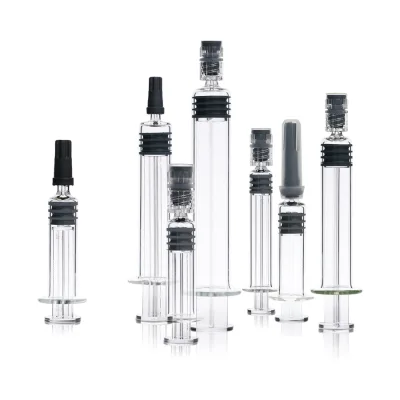
Find 30 options for Glass Pharmaceutical Prefilled Syringe with volumes from 1ml to 10ml. Buyers can compare customization, sterilization methods, and packaging types from suppliers in Shandong and Taian.
Key considerations
Products List



Comprehensive Sourcing Guide
Strategic Sourcing Guide for Glass Pharmaceutical Prefilled Syringes
The global pharmaceutical and medical device landscape relies heavily on the integrity of primary packaging, with glass pharmaceutical prefilled syringes representing a critical component in drug delivery systems. For procurement professionals, navigating the market for these specialized items requires a rigorous understanding of material science, regulatory compliance, and supply chain dynamics. The following guide synthesizes observed market data and technical attributes to provide a structured approach for sourcing high-quality glass prefilled syringes, ensuring that procurement decisions are grounded in verified facts rather than speculative claims.
Technical Specifications and Material Attributes
When evaluating glass pharmaceutical prefilled syringes, the primary focus must be on the material composition and physical specifications that ensure drug compatibility and user safety. The core material observed in the current market is glass, specifically selected for its inertness and ability to preserve the chemical stability of sensitive pharmaceutical formulations. Unlike plastic alternatives, glass offers superior barrier properties against moisture and oxygen, which is essential for long-term storage of biologics and injectable medications.
The technical profile of these devices often includes a hard flexibility rating, indicating a rigid structure that maintains dimensional stability during filling and administration. The syringes are typically designed with a rubber stopper sealing type, a standard configuration that ensures a hermetic seal to prevent contamination and leakage. This sealing mechanism is critical for maintaining the sterility of the product from the point of manufacture until the moment of injection.
Volume specifications vary significantly to accommodate different dosing requirements. Market observations indicate a wide range of available models, including 1ml, 2.25ml, 3ml, 5ml, and 10ml capacities. Some suppliers offer specialized configurations such as 2.25ml or 5ml specific models, while others provide a comprehensive range covering 1ml through 10ml. The physical dimensions of the packaging, such as the 785345590 mm carton size or the use of nest boxes, are also vital logistical considerations for storage and shipping efficiency.
| Attribute | Observed Specification | Relevance to Procurement |
|---|---|---|
| Material | Glass | Ensures chemical inertness and stability. |
| Sealing Type | Rubber Stopper | Critical for hermetic sealing and sterility. |
| Flexibility | Hard | Provides structural rigidity during handling. |
| Volume Range | 1ml, 2.25ml, 3ml, 5ml, 10ml | Matches diverse dosing needs. |
| Color | Clear | Allows for visual inspection of contents. |
| pH Range | 5.0-7.0 | Indicates compatibility with neutral pH drugs. |
Compliance, Certification, and Regulatory Standards
Navigating the regulatory landscape is perhaps the most critical aspect of sourcing glass prefilled syringes, particularly for medical applications. The products observed in the market are classified as Class III medical instruments, the highest risk category, which necessitates stringent quality control and regulatory oversight. Buyers must verify that suppliers possess valid Quality Certifications, with ISO9001 and ISO14001 being prominent standards observed in the sector. These certifications indicate a commitment to quality management systems and environmental management, respectively.
Furthermore, specific safety standards must be met to ensure the device is safe for human use. The GB15979-2002 standard is a specific safety benchmark observed in the supply chain, relating to the hygiene requirements for medical devices. While international standards like ISO 11040 are often referenced in broader industry contexts, procurement teams should prioritize verifying the specific standards listed in the supplier's documentation rather than assuming compliance based on general industry knowledge.
Sterilization is another non-negotiable compliance factor. Ethylene Oxide Sterilization is a widely utilized method for these devices, ensuring that the final product is free from viable microorganisms. Buyers should confirm that the sterilization process is validated and that the supplier provides appropriate documentation, such as sterilization certificates, to prove compliance with this requirement. Additionally, the products are often marked as disposable, which simplifies the disposal process but requires adherence to medical waste regulations in the destination country.
Cost Drivers and Pricing Dynamics
Understanding the cost structure of glass prefilled syringes is essential for budgeting and negotiation. The observed price range in the market spans from $0.20 to $5.80 USD per unit. This significant variance is driven by several factors, including the specific volume of the syringe, the complexity of the design, and the level of customization required. Smaller volumes, such as 1ml, may have different unit economics compared to larger 10ml syringes, though the exact correlation depends on the manufacturing process and material usage.
Minimum Order Quantity (MOQ) is a major determinant of the total cost of ownership. The market data indicates an MOQ range between 100 and 10,000 units. For smaller pharmaceutical startups or clinical trial programs, an MOQ of 100 units may be accessible, whereas large-scale commercial production often requires orders closer to the 10,000-unit threshold to achieve optimal pricing. Buyers must balance the need for inventory flexibility with the economic benefits of bulk purchasing.
Customization capabilities also influence pricing. While some suppliers offer products without logo printing to keep costs low, others provide customized logo printing services. The addition of branding, specific labeling options like blank labels, or unique packaging configurations can increase the unit cost. Furthermore, the origin of the product plays a role; suppliers located in regions like Taian or Shandong, China, may offer competitive pricing due to local manufacturing ecosystems, but logistics costs must be factored into the final landed cost.
Typical Applications and Functional Use Cases
Glass pharmaceutical prefilled syringes serve a diverse array of applications across the healthcare and beauty industries. The primary usage is in the administration of medicines and pharmaceuticals, where the precision of the syringe ensures accurate dosing. The Class III classification underscores their use in critical medical scenarios where failure is not an option.
Beyond traditional medicine, these devices are increasingly utilized in the cosmetics and aesthetics sector. Specific applications include aesthetics filling for the eye, lips, nose, and face. In this context, the syringes are often paired with active ingredients like hyaluronic acid, which is a common material observed in related product listings. The gender-neutral design allows for use on both female and male patients, expanding the market potential.
The "Fine/Deep/Sub-Q" model specifications indicate that these syringes are engineered for different tissue depths, allowing practitioners to target specific anatomical layers during aesthetic procedures. This versatility makes them suitable for a wide range of medical devices and cosmetic treatments. The disposable nature of the product ensures that cross-contamination risks are minimized, which is particularly important in multi-patient clinical environments.
Supplier Evaluation and Origin Verification
Selecting the right supplier requires a thorough evaluation of their capabilities, location, and operational history. The market data highlights suppliers originating from key manufacturing hubs in China, specifically Taian and Shandong. These regions are known for their concentration of medical device manufacturers and glass processing facilities. When evaluating a potential partner, buyers should verify the supplier's location to ensure it aligns with their logistical and compliance requirements.
The supply type offered by suppliers is another critical evaluation point. Many manufacturers provide OEM (Original Equipment Manufacturer) and ODM (Original Design Manufacturer) services, allowing buyers to customize the product to their specific brand and technical needs. This flexibility is essential for companies looking to differentiate their products in a competitive market.
Lead times and delivery capabilities are also vital for supply chain planning. Some suppliers indicate a delivery date of within 7 days, suggesting a high level of readiness and efficient logistics. However, buyers should treat such claims as observations and verify them against their specific order volume and shipping requirements. The quality guarantee period is typically one year, providing a baseline for warranty coverage and post-delivery support.
Quality Control and Long-Term Procurement Strategy
Implementing a robust quality control (QC) protocol is essential for mitigating risks associated with glass prefilled syringes. Given the Class III classification, buyers should insist on comprehensive testing protocols that include visual inspection, dimensional checks, and leak testing. The pH range of 5.0-7.0 observed in the market suggests a neutral environment, but buyers must verify that the specific batch meets the required pH specifications for their drug formulation to prevent adverse chemical reactions.
Shelf life is another critical parameter for long-term procurement planning. A typical shelf life of 2 years is observed, which allows for strategic inventory management. However, buyers must ensure that storage conditions align with the manufacturer's recommendations to maintain product integrity over this period.
For long-term success, procurement teams should establish a partnership model that emphasizes continuous improvement and communication. Regular audits of the supplier's manufacturing processes, review of quality certifications, and discussion of future product developments can help ensure a stable supply chain. The availability of customization options, such as logo printing and specific labeling, should be leveraged to build a strong brand identity while maintaining the high standards required for medical and cosmetic applications.
In conclusion, sourcing glass pharmaceutical prefilled syringes requires a meticulous approach that balances technical specifications, regulatory compliance, and cost efficiency. By focusing on verified attributes such as material composition, certification status, and supplier origin, buyers can make informed decisions that ensure the safety and efficacy of their products. The dynamic nature of the market, with its varying MOQs and customization options, demands a flexible yet disciplined procurement strategy to navigate successfully.
FAQs
What material is used for these glass pharmaceutical prefilled syringes?
The syringes are manufactured from glass to ensure chemical inertness and stability. This material provides superior barrier properties against moisture and oxygen, which is essential for preserving sensitive pharmaceutical formulations during long-term storage.
Which certifications do the manufacturers typically hold for these devices?
Manufacturers often hold ISO9001 and ISO14001 quality certifications. These standards indicate a commitment to quality management systems and environmental management, ensuring the products meet rigorous safety and production requirements for medical use.
Can these syringes be customized with a logo or specific branding?
Yes, customization options include both customized logo printing and blank label options. Suppliers offer these services to allow buyers to differentiate their products while maintaining the high standards required for medical and cosmetic applications.
How long is the shelf life of the glass prefilled syringes?
The typical shelf life for these products is two years. This duration allows for strategic inventory management, provided that storage conditions align with the manufacturer's recommendations to maintain product integrity over the period.
What is the minimum order quantity for purchasing these syringes?
The minimum order quantity ranges from 100 to 10,000 units depending on the supplier. Smaller volumes may suit clinical trials, while large-scale commercial production often requires orders closer to the higher threshold to achieve optimal pricing.
Which sterilization method is applied to ensure the syringes are safe?
Ethylene Oxide Sterilization is the widely utilized method for these devices. This process ensures the final product is free from viable microorganisms, maintaining sterility from the point of manufacture until the moment of injection.
What specifications are available for the syringe volume and capacity?
Available models include 1ml, 2.25ml, 3ml, 5ml, and 10ml capacities. This wide range of volumes accommodates diverse dosing requirements for different pharmaceutical formulations and medical device applications.