Source Glossy Finish Tongue and Groove Portable Dance Floor for Weddings Events
Compare 30 options for the Glossy Finish Tongue and Groove Portable Dance Floor suitable for weddings, stage performances, and outdoor parties. Buyers can evaluate specifications like IP ratings, LED configurations, and control modes to find the right unit for their event needs.
Key considerations
Products List


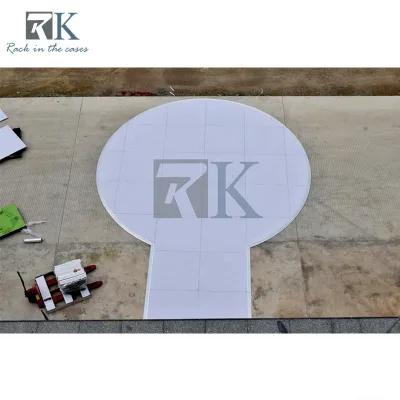
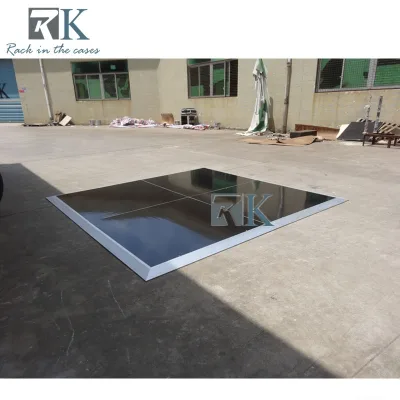
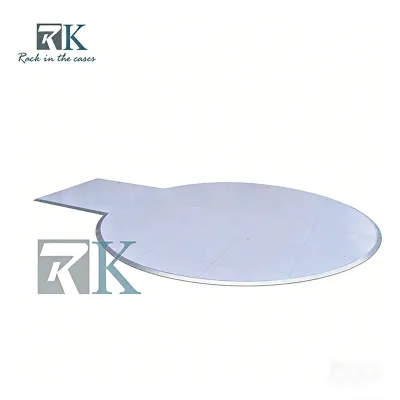

$54.00 - $56.00
MOQ: 5 Square Meters


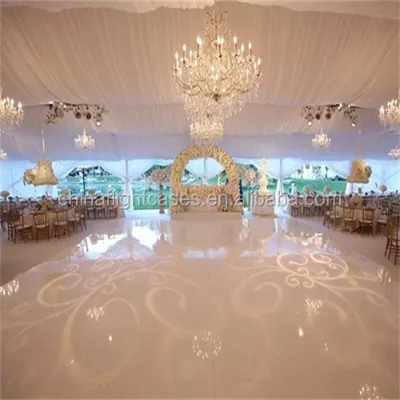
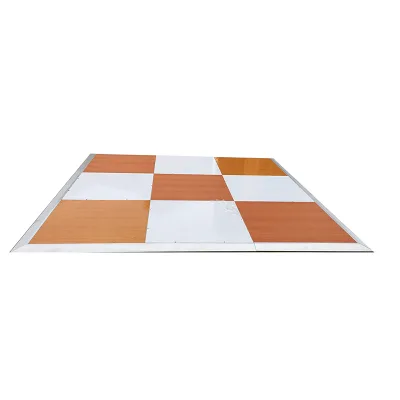
Dance Floor Construction Portable Checked Dance Floor Wooden Dance Floors
$60.30 - $75.32
MOQ: 20 pieces
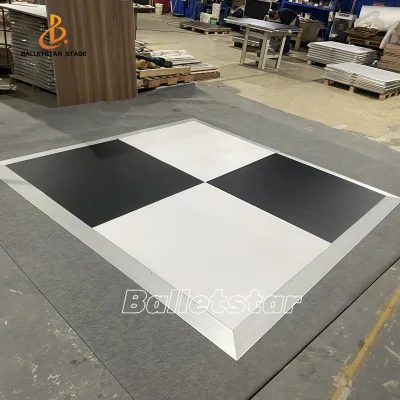
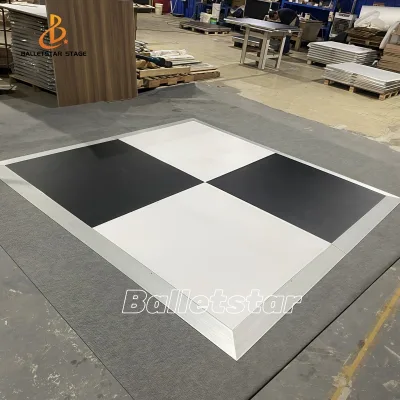
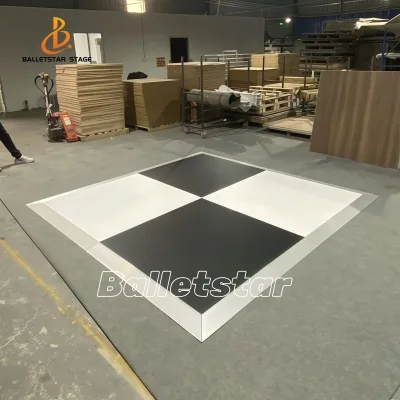


Midcentury Style Black White Portable Composite Wooden Dance Wood Floors Sheet
$0.98 - $2.26
MOQ: 100 Square Meters
Comprehensive Sourcing Guide
Sourcing Guide for Glossy Finish Tongue and Groove Portable Dance Floors
Understanding Technical Specifications and Construction Materials
When sourcing a Glossy Finish Tongue and Groove Portable Dance Floor, buyers must first distinguish between the structural requirements of the flooring system and the optical properties of the light-emitting surface. The core keyword implies a specific mechanical interlocking mechanism designed for rapid deployment and stability, which is distinct from simple plug-and-play tile systems. In the context of LED dance floors, the "glossy finish" typically refers to the top surface material, which is often 12mm toughened glass or high-gloss PVC. This surface must provide a reflective quality to enhance the visibility of the RGB 3in1 LED light sources embedded within the unit.
The structural integrity of these units relies heavily on the base material. While some portable models utilize an aluminum alloy frame for high-end applications, others employ ABS plastic or PVC bases depending on the intended usage environment. The tongue and groove design is critical for ensuring that individual panels, often measuring 50x50cm, lock together seamlessly to prevent tripping hazards and maintain a uniform visual plane. The pixel configuration is another vital technical parameter; observed data indicates configurations such as SMD5050 LEDs arranged in 1r1g1b patterns, with pixel pitches ranging from 6.25cm to 10cm. A smaller pixel pitch generally results in a higher resolution image, which is essential if the floor is intended for video or animation display functions rather than simple color changing.
The power consumption and LED quantity per panel also vary significantly. Specifications show LED quantities ranging from 160 pieces per panel to 64 pieces per panel, with power ratings of 18W or 40W. Buyers should verify that the specific model selected matches the brightness requirements of the venue. For instance, a high-traffic club environment may require the higher wattage and LED density to ensure visibility under ambient lighting, whereas a smaller event might suffice with lower power units. The control mode is equally important; systems may offer DMX signal control for professional lighting integration, or WiFi mobile phone and remote control options for simpler setups. The presence of a strobe function with adjustable speed adds dynamic visual effects, but the buyer must confirm that the control channel supports the desired number of channels, such as the 9-channel systems observed in certain portable models.
Compliance, Certification, and Safety Standards
Safety and regulatory compliance are non-negotiable when procuring electronic dance floors, particularly those with a glossy finish that may be subjected to heavy foot traffic and potential moisture exposure. The primary certifications to look for include CE and RoHS. These standards indicate that the product meets European health, safety, and environmental protection requirements. The CE mark ensures the electrical components, such as the power supply and LED drivers, adhere to safety directives, while RoHS compliance confirms that the product is free from specific hazardous substances like lead and mercury.
The IP (Ingress Protection) rating is a critical metric for determining the durability of the dance floor against environmental factors. Observed data presents a range of IP ratings, including IP20, IP54, and IP65. It is essential to understand that these ratings are not interchangeable across all product listings. An IP20 rating indicates protection against solid objects larger than 12.5mm but offers no protection against water, making it suitable only for indoor, climate-controlled environments. In contrast, an IP65 rating suggests the unit is dust-tight and protected against water jets, which is necessary for outdoor usage or venues where spills are common. Buyers must verify the specific IP rating of the glossy finish tongue and groove model they intend to purchase to ensure it matches the venue's conditions.
Warranty and product lifetime are also key indicators of compliance and quality. A standard warranty period of one year is commonly observed in the market. Furthermore, the operational lifetime of the LEDs is a significant factor; specifications indicate a range of 50,000 to 100,000 hours. This longevity claim should be treated as an observation of the component's potential rather than a guaranteed performance metric for every unit. Buyers should request test reports or manufacturer documentation that substantiates these lifetime claims, particularly regarding the degradation of the glossy surface and the consistency of the RGB color output over time.
Cost Drivers and Pricing Variables
The price of a Glossy Finish Tongue and Groove Portable Dance Floor is influenced by a complex interplay of factors, including material quality, LED density, control complexity, and packaging. The observed price range in the market is extensive, spanning from $0.35 to $4,338. This wide disparity highlights the difference between individual LED modules, small-scale demo units, and full professional-grade systems. The cost is not merely a function of the number of panels but is heavily driven by the specifications of the components.
Material costs are a primary driver. Units featuring 12mm toughened glass surfaces are generally more expensive than those with PVC or ABS plastic bases due to the higher manufacturing costs and the superior durability and aesthetic appeal of the glass. Similarly, the LED quantity per panel directly impacts the price; a panel with 160 SMD5050 LEDs will cost significantly more than one with 64 LEDs. The control system also adds to the cost; DMX control systems with advanced features like video and animation display capabilities command a higher price point than simple remote-controlled units with basic color-changing functions.
Packaging and logistics represent another significant cost variable. The observed data lists various packing options, including fly cases, carton cases, wooden cases, and flight cases. A flight case or wooden case offers superior protection during transport but adds to the overall unit cost. The net and gross weights of the units, ranging from 12kg to 13kg per panel in some models, also influence shipping costs. Buyers should consider the total landed cost, which includes the unit price, packaging fees, and shipping expenses, rather than focusing solely on the per-unit price. Additionally, customization availability can affect pricing; while customization is listed as available, any non-standard dimensions or specific surface finishes will likely incur additional charges.
Typical Applications and Usage Scenarios
The versatility of glossy finish tongue and groove portable dance floors makes them suitable for a wide array of applications, from permanent installations to temporary event setups. The "portable" nature of the tongue and groove design allows for rapid assembly and disassembly, making these floors ideal for mobile DJs, touring shows, and rental companies. The glossy finish enhances the visual impact of the lighting, making it a preferred choice for nightclubs, bars, and concert venues where visual spectacle is paramount.
Indoor applications are the most common use case, particularly for venues with controlled environments. The IP20 rated models are perfectly suited for indoor clubs and event halls where moisture is not a concern. However, the availability of IP54 and IP65 rated units expands the potential applications to include outdoor events, festivals, and weddings held in open-air settings. The ability to display video and animation functions makes these floors particularly effective for stage performances, product launches, and corporate events where dynamic visual content is required.
The specific usage scenario also dictates the choice of control mode. For large-scale productions requiring synchronization with other lighting and audio systems, DMX signal control is the standard. For smaller events or private parties, WiFi mobile phone control or remote control options provide a more user-friendly experience. The display function, whether it is simple color changing or complex video playback, should align with the event's theme. For instance, a wedding might benefit from a simple, elegant color-changing floor, while a music festival might require a high-resolution video display capable of showing live feeds or pre-recorded content.
Supplier Evaluation and Quality Assurance
Evaluating suppliers for glossy finish tongue and groove portable dance floors requires a rigorous approach to ensure product quality and reliability. Buyers should prioritize suppliers who can provide transparent documentation regarding certifications, specifically CE and RoHS. The origin of the product is also a factor; many units are manufactured in Guangdong, China, with specific hubs in Guangzhou. While this is a major manufacturing center, buyers should verify the specific factory location and its reputation for quality control.
Quality assurance should extend beyond the initial purchase. Buyers must verify the consistency of the tongue and groove mechanism. The interlocking system must be precise to ensure a flat, seamless surface that does not shift under pressure. The glossy finish should be free from scratches and bubbles, and the toughened glass (if applicable) must meet safety standards for impact resistance. Inspecting the LED distribution is crucial; uneven lighting or dead pixels can ruin the visual effect. Buyers should request sample units or detailed photos of the actual product before committing to a large order.
The warranty terms and after-sales support are also critical indicators of supplier reliability. A one-year warranty is standard, but buyers should clarify what is covered, such as LED failure, power supply issues, or surface damage. Supplier responsiveness to technical support and the availability of spare parts should be assessed. Additionally, the packaging quality, whether it is a flight case or wooden case, should be evaluated to ensure the product arrives in perfect condition. Buyers should avoid suppliers who cannot provide clear information about their manufacturing process or who are vague about their certification status.
Long-Term Procurement and Maintenance Considerations
Long-term procurement of glossy finish tongue and groove portable dance floors involves considerations beyond the initial purchase price. The lifespan of the LEDs, ranging from 50,000 to 100,000 hours, suggests a long operational life, but the actual longevity depends on usage patterns and maintenance. Regular cleaning of the glossy surface is essential to maintain its reflective quality and prevent scratches. For outdoor units, checking the IP rating seals periodically is necessary to ensure continued water resistance.
Scalability is another important factor. Buyers should consider whether the supplier can provide additional panels to expand the dance floor size in the future. The standard dimension of 50x50cm allows for modular expansion, but compatibility with existing units must be verified. Customization options, such as specific dimensions or surface finishes, can be valuable for unique venue requirements, but buyers should be aware that these may affect lead times and costs.
Finally, the total cost of ownership should be calculated, including energy consumption, maintenance, and potential replacement costs. The power ratings of 18W or 40W per panel will impact the overall energy bill for large installations. Buyers should also consider the ease of replacement for individual panels; a tongue and groove system should allow for the quick swapping of damaged units without dismantling the entire floor. By focusing on these long-term factors, buyers can ensure that their investment in a Glossy Finish Tongue and Groove Portable Dance Floor remains a valuable asset for years to come.
Comparative Analysis of Key Product Attributes
To assist in the decision-making process, the following table summarizes the key attributes observed in the market for glossy finish tongue and groove portable dance floors. This comparison highlights the variations in specifications that buyers must evaluate against their specific needs.
| Attribute | Observed Range / Options | Relevance to Buyer |
|---|---|---|
| Material | Aluminum Alloy, ABS Plastic, PVC, 12mm Toughened Glass | Determines durability, weight, and aesthetic finish. |
| IP Rating | IP20, IP54, IP65 | Critical for indoor vs. outdoor usage and moisture resistance. |
| LED Configuration | SMD5050, 1r1g1b, 64-160 LEDs/Panel | Affects brightness, resolution, and power consumption. |
| Pixel Pitch | 6.25cm, 10cm | Influences image clarity for video/animation display. |
| Control Mode | DMX, WiFi, Remote, PC/SD Card | Dictates integration complexity and user interface. |
| Dimensions | 50x50x6.5cm, 50x50x7.2cm | Standardizes panel size for modular assembly. |
| Warranty | One Year | Indicates manufacturer confidence and support terms. |
| Origin | Guangdong, Guangzhou, China | Provides context for manufacturing standards and logistics. |
This comparative analysis underscores the importance of matching specific product attributes to the intended application. A buyer seeking a high-end, video-capable floor for an indoor club will prioritize different specifications than one looking for a rugged, outdoor-capable floor for a festival. By carefully evaluating these attributes, buyers can make informed decisions that align with their operational requirements and budget constraints.
FAQs
What certifications do these dance floors have?
These units typically carry CE and RoHS certifications. These standards confirm compliance with European safety and environmental directives, ensuring the electrical components and materials meet required health and safety regulations for international markets.
Which IP ratings are available for these floors?
Available ratings include IP20, IP54, and IP65. IP20 models are suitable for indoor use, while IP54 and IP65 variants offer protection against water and dust, making them appropriate for outdoor events or venues with potential moisture exposure.
How long do the LED lights last?
The LED lights have an operational lifetime ranging from 50,000 to 100,000 hours. This duration represents the potential lifespan of the SMD5050 components, though actual longevity depends on usage intensity and environmental conditions.
Can the dance floor display video and animation?
Yes, many models support video and animation display functions. These units often feature RGB 3in1 LEDs and can be controlled via DMX signals or mobile apps to create dynamic visual effects for stage performances and events.
What materials are used for the surface and base?
Surfaces often use 12mm toughened glass, while bases are made of aluminum alloy, ABS plastic, or PVC. The choice of material depends on the specific model and intended usage, balancing durability with weight and cost requirements.
What is the standard panel dimension for these floors?
The standard dimension is 50x50cm, though custom sizes are available. This modular size allows for flexible installation configurations, and the tongue and groove design ensures a seamless and stable surface for dancers.