Source Gold Alloy Quartz Wristwatch for Men, Women, and Casual Wear
Source a Gold Alloy Quartz Wristwatch from 30 available listings. Compare features like stainless steel and zinc alloy cases, analog displays, and waterproof ratings. Options include Skmei and Elodie brands with day/date and chronograph functions for daily wear; compare the available evidence and request quotations based on your requirements.
Updated
Key considerations
Products List
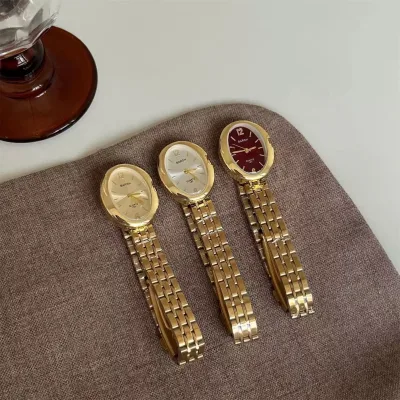


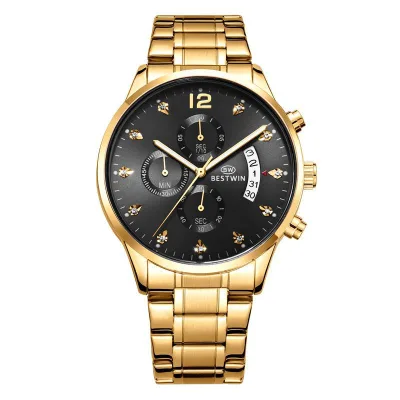
Sinobi Luxury Classic Wrist Watches for The Modern Man Gift Quartz Movement
$15.44 - $16.03
MOQ: 2 Pieces





Comprehensive Sourcing Guide
Gold Alloy Quartz Wristwatch Sourcing Guide
Sourcing gold alloy quartz wristwatches requires a disciplined approach to balancing aesthetic appeal with functional reliability. Buyers must navigate a market where visual finishes often mask underlying material compositions, making precise specification verification critical before committing to volume orders. The term "gold alloy" typically refers to base metals plated or coated with gold-toned finishes rather than solid precious metal constructions, which significantly impacts both cost structure and long-term durability expectations. Procurement teams should prioritize suppliers who provide transparent material declarations and consistent plating thickness data to ensure the final product meets brand standards for wear resistance and colorfastness.
This category encompasses a wide range of styles, from casual everyday wear to sport-oriented designs, all driven by the affordability and versatility of quartz movements. The observed market signals indicate a strong presence of customizable options, allowing buyers to tailor dial colors, case shapes, and strap materials to specific target demographics. However, the diversity of available configurations also introduces complexity in quality control, as variations in zinc alloy cases, stainless steel bands, and mineral glass surfaces can lead to inconsistent performance if not strictly managed. Establishing clear technical baselines early in the sourcing process helps mitigate risks associated with mixed material quality and ensures that the final assembled watches perform reliably under intended use conditions.
Product Scope and Observed Listing Signals
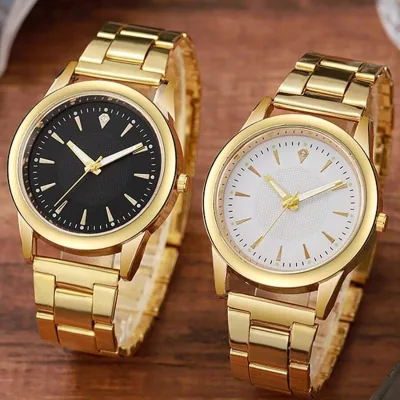
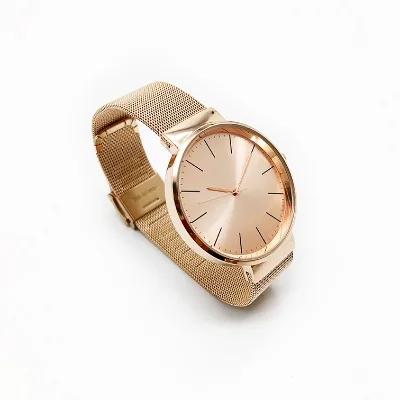
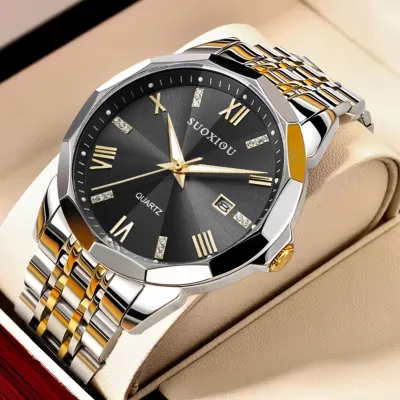
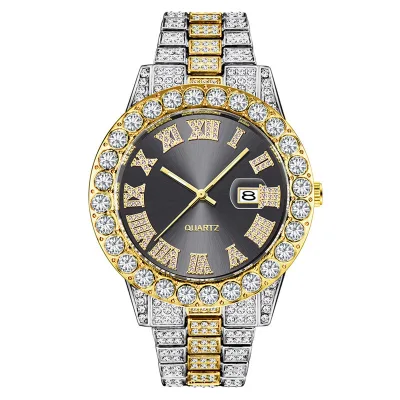
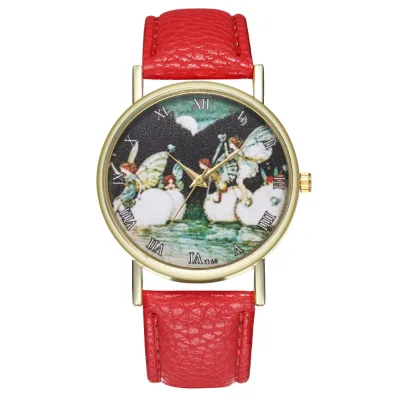
The current market landscape for gold alloy quartz wristwatches reveals a broad spectrum of product attributes that buyers must carefully evaluate. Observed listings frequently highlight customizable features, including available color options such as white-gold, red-gold, and yellow-gold finishes, which cater to diverse fashion preferences. These aesthetic variations are often paired with standard case shapes like round or square designs, and dial colors that range from classic black to more vibrant tones. The presence of both men’s and women’s models indicates that sourcing strategies should account for gender-specific sizing and styling requirements, ensuring that the selected inventory aligns with the intended consumer base’s expectations for fit and appearance.
Technical observations from available data suggest that many models utilize zinc alloy or stainless steel for case and band construction, providing a balance between weight, durability, and cost efficiency. Surface materials often include glass or mineral glass, offering adequate scratch resistance for daily wear while maintaining clarity. Buyers should note that while some listings emphasize specific features like luminous hands or chronograph functions, these are not universal across all gold alloy quartz offerings. Consequently, procurement teams must verify each specific model’s feature set individually, as assumptions about standard inclusions can lead to mismatches between ordered specifications and delivered goods, particularly when dealing with high-volume orders from multiple suppliers.
Technical Specifications to Verify
Verifying technical specifications is paramount when sourcing gold alloy quartz wristwatches to ensure consistency and performance. Key attributes to confirm include the movement type, which is predominantly quartz in this category, ensuring accurate timekeeping and low maintenance requirements. Buyers should also inspect the clasp type, as options like buckle or folding clasp with safety mechanisms directly impact user convenience and security. Additionally, waterproof ratings vary, with some models offering 30-meter resistance suitable for daily splashes, while others may be labeled simply as waterproof without specific depth ratings. Understanding these distinctions is crucial for matching product capabilities with intended use cases, whether for casual office wear or more active lifestyles.
Dimensional specifications such as case thickness, dial diameter, and overall weight also play a significant role in user comfort and aesthetic appeal. Observed data indicates thicknesses ranging from 8mm to 12mm, with dial diameters varying from 22mm to 43mm, allowing for a wide range of design choices. Buyers must verify these dimensions against their target market’s preferences, as oversized or undersized cases can affect sales performance. Furthermore, the use of materials like zinc alloy for cases and stainless steel for bands influences the overall weight, which should be checked to ensure it aligns with comfort expectations. Confirming these physical attributes through sample testing helps prevent discrepancies between prototype and mass production, safeguarding brand reputation.
Compliance and Safety Documentation
Compliance and safety documentation are essential components of the sourcing process for gold alloy quartz wristwatches, particularly when entering regulated markets. Buyers should request certifications such as CE and RoHS, which indicate adherence to European health, safety, and environmental protection standards. These certifications are critical for ensuring that the materials used, including plating solutions and internal components, do not contain harmful substances like lead or cadmium. Verifying these documents not only mitigates legal risks but also enhances brand credibility by demonstrating a commitment to consumer safety and environmental responsibility.
In addition to product-specific certifications, buyers must ensure that suppliers provide comprehensive material safety data sheets (MSDS) and declarations of conformity. These documents offer detailed insights into the chemical composition of the gold alloy finishes and other materials, allowing procurement teams to assess potential allergens or toxicological risks. It is also important to verify that the packaging materials comply with relevant recycling and waste management regulations, as this can impact logistics costs and environmental impact assessments. By maintaining rigorous documentation standards, buyers can streamline customs clearance processes and avoid delays or penalties associated with non-compliant shipments, ensuring a smooth supply chain operation.
Cost Drivers and Commercial Terms
Understanding the cost drivers and commercial terms is vital for effective budgeting and negotiation when sourcing gold alloy quartz wristwatches. The primary cost factors include the type of alloy used, the quality of the quartz movement, and the complexity of the plating process. Models with zinc alloy cases and stainless steel bands tend to be more cost-effective, while those with additional features like chronographs or luminous dials may command higher prices. Buyers should also consider the impact of customization options, such as custom packaging or specific dial colors, which can increase production costs but may offer competitive advantages in the market.
Commercial terms such as minimum order quantities (MOQ), lead times, and payment terms significantly influence the overall procurement strategy. Observed MOQs range from 2 to 500 units, providing flexibility for both small-scale testing and large-volume orders. Lead times can vary based on the complexity of the order and the supplier’s production capacity, so it is essential to establish clear timelines and contingency plans. Payment terms should be negotiated to balance risk and cash flow, with options like partial upfront payments and balance upon shipment being common. By carefully analyzing these commercial factors, buyers can optimize their sourcing strategy to achieve the best value while maintaining supply chain stability.
Supplier Qualification and Quality Control
Supplier qualification and quality control are critical steps in ensuring the reliability and consistency of Gold Alloy Quartz Wristwatch orders. Buyers should conduct thorough audits of potential suppliers, assessing their production capabilities, quality management systems, and track record in the industry. It is important to verify that suppliers have established processes for material inspection, in-process quality checks, and final product testing to minimize defects and ensure consistency across batches. Suppliers with certifications like ISO 9001 often demonstrate a higher level of commitment to quality management, which can reduce the risk of receiving substandard products.
Implementing a robust quality control plan is equally important, involving regular sampling and testing of finished goods before shipment. Buyers should define clear acceptance criteria for key attributes such as movement accuracy, plating durability, and water resistance, and conduct tests to verify compliance. Additionally, establishing a feedback loop with suppliers to address any quality issues promptly can help prevent recurring problems and improve overall product quality. By investing time in supplier qualification and implementing rigorous quality control measures, buyers can build a reliable supply chain that delivers consistent, high-quality gold alloy quartz wristwatches to their customers.
Long-Term Procurement Checks
Long-term procurement checks are essential for maintaining the integrity and competitiveness of the Gold Alloy Quartz Wristwatch supply chain. Buyers should regularly review supplier performance metrics, including on-time delivery rates, defect rates, and responsiveness to issues, to identify potential risks and areas for improvement. Continuous monitoring of market trends and consumer preferences is also crucial, as it allows buyers to adjust their product offerings and sourcing strategies to stay relevant and meet evolving demand. By staying informed about industry developments, buyers can proactively address challenges and capitalize on new opportunities, ensuring long-term success in the competitive wristwatch market.
Furthermore, establishing strong relationships with suppliers through regular communication and collaboration can foster trust and mutual benefit, leading to better pricing, priority production, and innovative solutions. Buyers should also consider diversifying their supplier base to mitigate risks associated with single-source dependencies, ensuring continuity of supply even in the face of disruptions. Regularly updating quality standards and compliance requirements helps maintain high levels of product safety and performance, protecting brand reputation and customer satisfaction. By implementing these long-term procurement checks, buyers can build a resilient and agile supply chain that supports sustained growth and profitability in the Gold Alloy Quartz Wristwatch sector.
FAQs
What materials are used for the case and band?
The watches feature stainless steel bands and cases made from zinc alloy or general alloy. The surface material is typically glass or mineral glass. These durable materials ensure longevity for casual and sport styles while maintaining a lightweight profile suitable for daily wear.
Can the watches be customized for branding?
Yes, customization is available for these gold alloy quartz wristwatches. Buyers can request specific packaging options, including bubble bags or customizable packaging boxes. This flexibility allows businesses to tailor the product presentation to their brand identity and market requirements effectively.
What certifications do these watches hold?
The products hold CE and RoHS certifications. These standards ensure compliance with safety and environmental regulations for the global market. Buyers can rely on these documented certifications when sourcing for regions with strict regulatory requirements for electronic and accessory components.
What are the typical dial and case specifications?
Specifications vary by model, with dial diameters ranging from 22mm to 43mm. Case shapes include round and square designs. Thicknesses range from 8mm to 12mm. These dimensions cater to diverse aesthetic preferences, from slim casual styles to robust sport chronographs.
How waterproof are these quartz wristwatches?
Waterproof ratings include 30 meters or general waterproof classifications. This level of protection is suitable for daily use and light splashes. Buyers should note that these ratings are not intended for swimming or diving, ensuring appropriate usage expectations for the product.
What features are included in the movement?
The watches utilize quartz movements for accurate timekeeping. Common features include day/date displays, chronograph functions, and luminous hands. These functionalities enhance usability in various lighting conditions, making them practical for both casual and sport-oriented consumer segments.