Source Goalie Hockey Stick for Indoor, Outdoor, and Ice Hockey
Find 30 customizable Goalie Hockey Stick options made from carbon fiber or PVC. Compare flex ratings, blade styles, and sizes like 23-27 inches. Source from verified manufacturers in China with lead times of 10-20 days; compare the available evidence and request quotations based on your requirements.
Updated
Key considerations
Products List


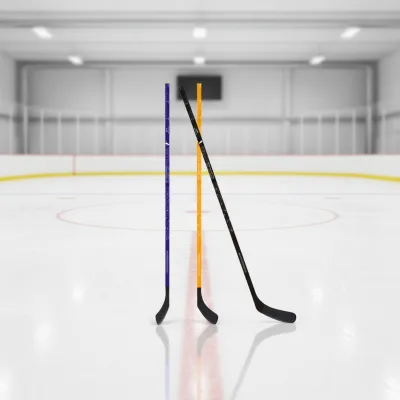
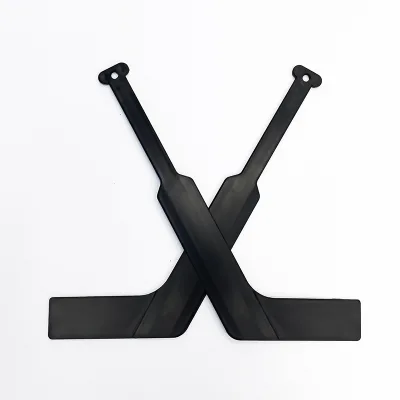
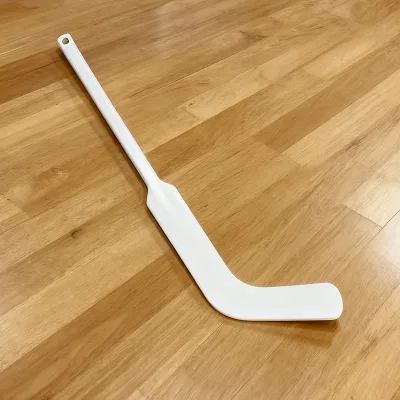
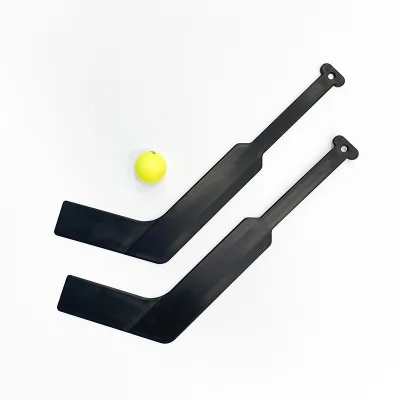


High Toughness Excellent Balance Customization Goalie China Hockey Stick
$35.00 - $79.00
MOQ: 5 Pieces


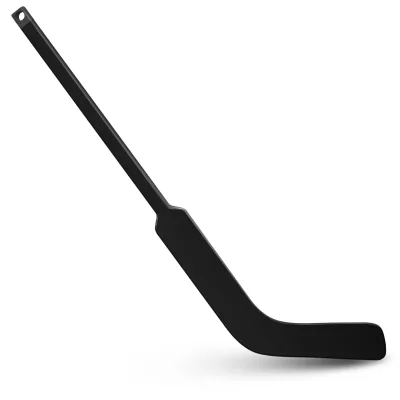
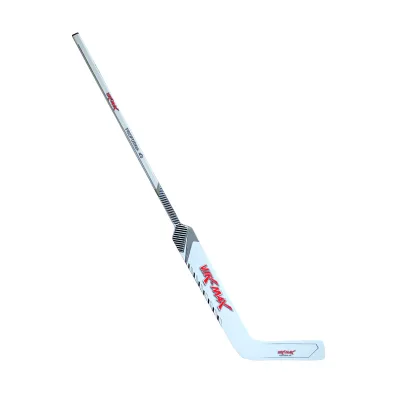




Ice Hockey Goalie Stick Strong Lightweight for Professional Goaltender Play
$5.00 - $10.00
MOQ: 200 Pieces
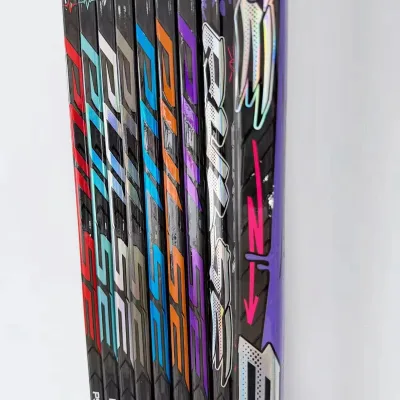
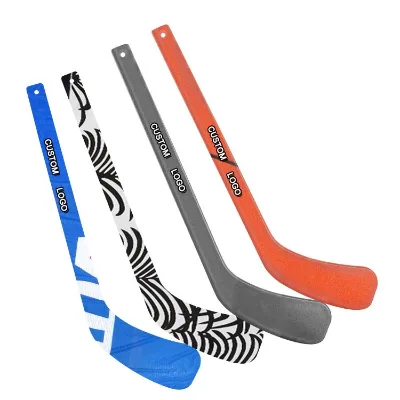


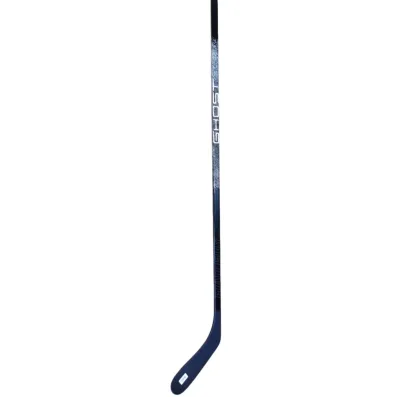
Comprehensive Sourcing Guide
Goalie Hockey Stick Sourcing Guide
Procuring specialized goalie equipment requires a nuanced understanding of the distinct mechanical and protective demands placed on these items compared to standard player sticks. The market offers a variety of configurations, ranging from carbon fiber constructions to composite blends, each offering different flex profiles and weight distributions. Buyers must carefully evaluate the intended usage environment, whether for indoor rinks or outdoor surfaces, as material durability and blade composition vary significantly between these settings. The observed product landscape includes items explicitly labeled for ice hockey applications, indicating a focus on professional-grade performance metrics.
Sourcing decisions should be driven by the specific role requirements of the end-user, particularly the need for enhanced facial and head protection integrated into the stick design or associated gear. The presence of customizable options allows teams to tailor equipment to individual player preferences, including blade patterns and shaft lengths. Understanding the distinction between standard player sticks and goalie-specific models is critical, as the latter often feature unique structural reinforcements and larger surface areas to block shots effectively. This guide outlines the key verification steps necessary to ensure procurement aligns with safety and performance standards.
Product Scope and Observed Listing Signals
The current market listings reveal a diverse range of goalie hockey sticks, with observed price points spanning from $0.45 to $115 USD, reflecting variations in material quality and brand positioning. Minimum order quantities (MOQ) are flexible, ranging from single units to bulk orders of 200 pieces, catering to both individual athletes and large institutional buyers. The primary materials identified include carbon fiber and aluminum alloy combined with ABS plastic, suggesting a tiered approach to product durability and cost-efficiency. Buyers should note that these figures represent observed listing data and may not reflect final negotiated contract terms or volume discounts.
Product attributes indicate a strong emphasis on customization, with options for customized colors, sizes, and specific blade patterns such as the P31 profile. The observed size specifications include lengths of 23, 25, and 27 inches, along with various flex ratings like 30, 40, 55, and 70, allowing for precise tuning to player strength and style. Packaging details vary, with some items shipped in paper boxes and others in standard cartons, impacting logistics and storage requirements. These signals suggest a mature supply chain capable of handling both bespoke requests and standardized bulk orders efficiently.
Technical Specifications to Verify
Verifying the physical dimensions and weight of the equipment is paramount for ensuring player comfort and performance. The observed stick weights range from 680g to 750g, a critical factor for goalie mobility and shot-blocking speed. Buyers must confirm the exact single gross weight, which has been observed at values such as 1.500kg and 20.000kg for packaged units, to accurately calculate shipping costs and inventory handling requirements. The single package sizes, noted as 180x20x30cm and 170x25x5cm, provide essential data for warehouse planning and freight optimization.
Material composition verification is equally important, with carbon fiber being a highlighted attribute for high-performance models. The presence of PVC and aluminum alloy + ABS in other listings indicates a broader spectrum of product tiers. Buyers should request detailed material certifications to ensure the carbon fiber content meets industry standards for strength-to-weight ratios. Additionally, the flex specifications, including options like 78 and 88, must be validated against the player’s physical profile to prevent equipment failure or injury. Confirming the blade type, such as the P31, ensures the stick meets the specific blocking and puck-handling needs of the goalie.
Compliance and Safety Documentation
Safety is the primary concern when sourcing goalie equipment, given the high-impact nature of the sport. Documentation must verify that the products meet relevant senior-level standards, as indicated by the observed prod_standard attribute. Buyers should request test reports that confirm the structural integrity of the carbon fiber and composite materials under impact stress. The inclusion of facial and head protection functions in some listings suggests an integrated safety approach, but separate verification of helmet and mask compatibility is necessary.
Regulatory compliance extends to the materials used in construction, particularly regarding chemical safety and environmental standards. Buyers must ensure that the PVC and ABS components do not contain prohibited substances, adhering to international safety regulations. The observed origin locations, including Hubei and Guangdong in China, require due diligence to confirm that suppliers adhere to local and export safety regulations. Requesting proof of compliance with specific industry standards, such as P92 or P28, helps mitigate liability risks and ensures the equipment is suitable for competitive play.
Cost Drivers and Commercial Terms
Several factors influence the final cost of goalie hockey sticks, including material selection, customization complexity, and order volume. The use of carbon fiber typically commands a higher price point compared to aluminum alloy or ABS constructions due to superior performance characteristics. Customization options, such as specific blade patterns, flex ratings, and color schemes, add to the manufacturing complexity and cost. Buyers should negotiate clear terms regarding the cost implications of these customizations to avoid unexpected price escalations.
Lead times and delivery terms also play a significant role in total procurement costs. The observed delivery time of 10-20 days provides a baseline for planning, but rush orders may incur additional fees. Packaging requirements, whether in paper boxes or standard cartons, affect shipping efficiency and potential damage rates. Buyers should clarify who bears the risk of loss during transit and ensure that insurance coverage is adequate. Understanding these commercial terms helps in budgeting accurately and maintaining consistent supply chain operations.
Supplier Qualification and Quality Control
Evaluating supplier capabilities is essential for ensuring consistent product quality and reliable delivery. Buyers should assess the supplier’s production capacity, particularly their ability to handle customized orders without compromising quality. The observed MOQ of 2 for some items suggests flexibility, but larger orders require robust quality control processes. Suppliers should provide evidence of their manufacturing standards, including inspection protocols for material integrity and dimensional accuracy.
Quality control measures must extend to the final product, ensuring that each stick meets the specified weight, flex, and blade pattern requirements. Buyers should request samples for pre-production approval to verify that the final output matches the agreed-upon specifications. The presence of single item selling units indicates that suppliers can handle small-batch orders, but consistency across batches must be maintained. Establishing a clear communication channel for addressing defects or discrepancies is crucial for maintaining long-term supplier relationships and product reliability.
Long-Term Procurement Checks
Sustaining a successful procurement strategy requires ongoing monitoring of supplier performance and market trends. Buyers should regularly review supplier delivery times, quality metrics, and responsiveness to issues. The observed product models, such as YF-001 and YFbauer, should be tracked for updates or discontinuations to ensure continuity of supply. Maintaining a diversified supplier base can mitigate risks associated with single-source dependencies and potential supply chain disruptions.
Continuous improvement in procurement processes involves staying informed about advancements in materials and manufacturing technologies. The shift towards more durable and lightweight materials, such as advanced carbon fiber composites, may offer long-term cost savings and performance benefits. Buyers should engage in regular feedback loops with suppliers to identify areas for improvement and explore new customization options. By proactively managing these relationships, organizations can ensure they remain competitive and equipped with the best available goalie hockey sticks.
FAQs
What materials are used for goalie hockey sticks?
Goalie hockey sticks are primarily constructed from carbon fiber to ensure durability and performance. Some models also incorporate aluminum alloy and ABS materials for specific structural components. These materials provide the necessary strength and flexibility required for professional ice hockey applications, ensuring the stick can withstand high-impact gameplay while maintaining optimal weight distribution for the player.
What sizes are available for these hockey sticks?
Standard sizes include 23, 25, and 27 inches, with specific models like the YF-001 offering customized size options. Flex ratings are available in 30, 40, 55, 70, 75, 78, and 88 to suit different playing styles. Buyers can request specific dimensions to match their height and preference, ensuring a tailored fit for optimal control and shooting accuracy during indoor or outdoor ice hockey matches.
Can I customize the color and packaging of the sticks?
Yes, customization is available for both color and packaging. Buyers can select customized colors to match team branding or personal preferences. Packaging options include paper boxes, standard boxes, or packs, with single package sizes varying around 170-185 cm in length. This flexibility allows businesses to tailor the product presentation and branding to their specific market requirements and distribution needs effectively.
What is the typical lead time for delivery?
The typical delivery time for these goalie hockey sticks ranges from 10 to 20 days. This timeframe allows for production and quality assurance processes to be completed before shipment. Buyers should plan their inventory accordingly to ensure timely availability for the upcoming season. The lead time may vary slightly depending on the order volume and specific customization requirements requested by the purchaser.
What is the minimum order quantity for these sticks?
The minimum order quantity varies by supplier, with observed ranges from 1 to 200 units. Some suppliers require a minimum of 200 pieces, while others may accept orders as low as 2 units. This flexibility accommodates both large-scale procurement needs and smaller trial orders. Buyers should verify the specific MOQ with their chosen supplier to ensure the order meets their minimum threshold requirements.
Where are these hockey sticks manufactured?
These goalie hockey sticks are manufactured in China, with specific origins including Hubei and Guangdong provinces. Dongguan is also noted as a production location for certain models. Sourcing from these regions provides access to established manufacturing infrastructure and supply chains. Buyers can leverage this geographic concentration to potentially reduce logistics costs and benefit from the expertise of specialized hockey equipment manufacturers in these areas.