Source Gold Mirror Luxury Elevator Door for Malls, Hotels, Offices
Compare 30 Gold Mirror Luxury Elevator Door options from verified suppliers. Buyers can evaluate specifications like capacity, speed, and control modes for residential, commercial, and office applications.
Key considerations
Products List

Fujixun Luxury Gold Rose Composite Pattern Stainless Steel Elevator Floor Door
$8000.00 - $12000.00
MOQ: 1 Sets

Fujixun Dark Gold Minimalist Style Design Stainless Steel Elevator Floor Door
$8000.00 - $12000.00
MOQ: 1 Sets

Eac Certification Passenger Elevator with Gold Mirror Etched Elevator Cabin
$8000.00 - $12000.00
MOQ: 1 Sets


CE Approval Passenger Elevator Gold Mirror Etched Elevator with Best Elevator Price
$8000.00 - $12000.00
MOQ: 1 Sets


China Elevator Mirror Rose Gold Champagne Gold Luxury Passenger Elevator
$8060.00 - $11980.00
MOQ: 1 Sets


Luxury Gold Stainless Steel Etched with Vanity Mirror Passenger Elevator, Customized
$8000.00 - $15000.00
MOQ: 1 Pieces


Edunburgh Rose Gold Etched Elevator Landing Door, for High-End Elevator, Luxury Type
$8000.00 - $10000.00
MOQ: 1 Pieces

Edunburgh Rose Gold Etched Landing Door, for High-End Elevator Lift Parts, Luxury
$500.00 - $1000.00
MOQ: 1 Pieces


Luxury Gold Etched Passenger Elevator, Suitable for High-End Project, Quite and Safe
$8000.00 - $10000.00
MOQ: 1 Pieces

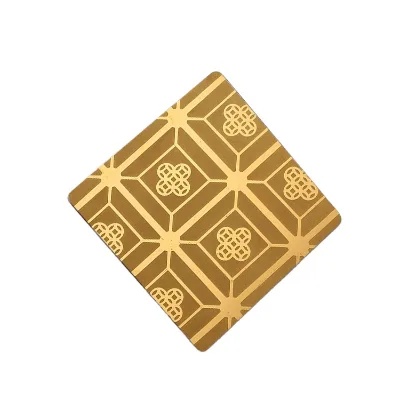


Luxury Golden Panoramic Passenger Elevator Mirror Etching Stainless Steel
$8000.00 - $15000.00
MOQ: 1 Sets

Luxury Golden Mirror Etched Stainless Steel Passenger Elevator for Hotel
$10000.00 - $20000.00
MOQ: 1 Pieces


Elevator Door 304 201 Mirror Gold Decorative Stainless Steel Etching Sheet
$49.99 - $69.99
MOQ: 10 Sheet


Comprehensive Sourcing Guide
Strategic Sourcing Guide for Gold Mirror Luxury Elevator Doors
Understanding the Product Category and Technical Specifications
When sourcing a Gold Mirror Luxury Elevator Door, buyers must first distinguish between the decorative facade and the underlying mechanical system. The core keyword implies a high-end aesthetic finish applied to the door panels, which are integral components of a passenger elevator system. Based on observed market data, these units are frequently categorized under specific model series such as TKJ, TKJW, PE418, NV, and TOP. The technical architecture supporting these doors often varies significantly between models. For instance, some configurations utilize a profile guide system paired with a lift chain mechanism, while others may rely on different traction methods. The speed of the elevator system, which dictates the smoothness of door operation, is typically observed in the range of 1.00 to 2.00 meters per second.
The physical capacity of the elevator unit is a critical specification that correlates with the door dimensions and load requirements. Market observations indicate two primary capacity tiers: units designed for 500 to 1000 kilograms and larger units exceeding 1000 kilograms. The passenger capacity often aligns with these weight limits, with common configurations supporting 6 persons or 11 persons. The control mode for these systems ranges from simple push-button controls to more advanced collective selective control and VVVF (Variable Voltage Variable Frequency) control systems, which ensure precise leveling and smooth acceleration. The door knife configuration, a critical safety and sealing element, is observed in both single and double variants depending on the specific model and application.
The material composition of the door itself is paramount for the "gold mirror" aesthetic. The base material is typically stainless steel or painted steel, providing the necessary structural integrity and surface for the gold mirror finish. The floor material within the cabin is often specified as PVC, which complements the luxury aesthetic. The design style is consistently modern, with some specific models marketed under a "luxury" designation. The power supply requirements are standardized at 3-phase, 380V, 50Hz, which is a standard industrial specification for such equipment. Buyers must verify that the specific model they select matches the electrical infrastructure of their installation site.
Compliance, Certification, and Safety Standards
Navigating the regulatory landscape is essential for any B2B procurement of elevator components. While the market offers products with various certifications, buyers must exercise caution and verify claims against local building codes. Observed data indicates that some suppliers list certifications such as ISO and CE. However, the presence of a certification mark does not automatically guarantee compliance with every jurisdiction's specific safety regulations. The standard for the product itself is sometimes listed as "Customized," suggesting that the manufacturing process may be adapted to meet specific client requirements rather than adhering to a single rigid global standard.
In terms of safety mechanisms, the elevator systems often include a deceleration device and a buffer device. The buffer device is frequently identified as an energy storage type, which is a standard mechanical safety feature designed to absorb the kinetic energy of the elevator car in the event of an overspeed or over-travel. The position of the computer room is another critical compliance factor; observed configurations place the computer room "up," which influences the building's architectural planning and maintenance access.
Buyers should not assume that all listed products possess the same certification status. The "gold mirror" finish, being a decorative element, must also comply with fire safety and flammability standards relevant to the installation location. The warranty period observed in the market is typically one year, which serves as a baseline for supplier confidence but may need to be negotiated for larger commercial projects. When evaluating a supplier, the primary verification step is to request valid, current certificates for the specific model number being purchased, rather than relying on general company-level claims. The standard export package and wooden case packing methods are common, but the internal protection of the gold mirror finish during transit must be explicitly detailed to prevent cosmetic damage.
Cost Drivers and Pricing Dynamics
The pricing structure for gold mirror luxury elevator doors is highly variable, reflecting the complexity of the customization and the quality of materials. The observed price range in the market spans from 8 USD to 20,000 USD. This vast disparity is not indicative of a single product type but rather a spectrum of offerings ranging from basic door panels to fully integrated, custom-engineered luxury elevator systems. The lower end of the price spectrum likely corresponds to standard door panels or components for smaller capacity units, while the upper end reflects complete systems with advanced VVVF control, custom finishes, and high passenger capacities.
Several factors drive these costs. First, the level of customization is a primary driver. While "Available" customization is a common attribute, the extent of this customization—such as specific gold mirror finishes, custom dimensions, or unique control interfaces—directly impacts the price. The "OEM" (Original Equipment Manufacturer) capability listed in the market suggests that buyers can request branding and specific design modifications, which adds to the manufacturing cost. Second, the capacity and speed of the elevator influence the price. Units with a capacity of over 1000 kg and speeds approaching 2.00 m/s require more robust motors, guides, and control systems, increasing the overall cost.
The production time and delivery logistics also play a role in the final cost. Observed delivery times range from 15 to 45 days, with some specific models offering a 20-day turnaround. The production time is generally noted as within 30 days. These timelines can fluctuate based on the complexity of the order and the supplier's current workload. The packing method, whether it is a steel bar wooden case, a standard wooden case, or a standard export package, adds to the logistical cost, especially for international shipments where the gold mirror finish requires extra protection against scratches and corrosion. Buyers should expect that a "luxury" designation often commands a premium due to the specialized finishing processes and the higher tolerance for cosmetic defects.
Typical Applications and Installation Environments
The versatility of gold mirror luxury elevator doors allows them to be deployed across a wide range of commercial and residential settings. The observed application list includes malls, hotels, residential buildings, offices, and apartments. This broad applicability is supported by the design style, which is described as modern and, in specific models, luxury. The "Home Lift" designation indicates that these units are suitable for private residences, where aesthetics and space efficiency are paramount. In commercial environments like malls and hotels, the gold mirror finish serves to elevate the perceived value of the property and enhance the guest experience.
The specific model selection often depends on the application. For instance, a residential passenger elevator might prioritize a compact design with a 6-person capacity and a simple push-button control mode. In contrast, an office or arcade application might require a larger capacity unit with 11 persons and a collective selective control system to handle high traffic volumes efficiently. The "Suitable Place" attribute explicitly mentions "Home Lift," confirming the dual-use nature of these products. The floor material, typically PVC, is chosen for its durability and ease of maintenance in high-traffic areas.
Installation considerations vary by application. The position of the computer room, often located "up," requires specific architectural planning in the building's design. For existing buildings, retrofitting may be necessary to accommodate the required power supply and structural supports. The usage scenarios also dictate the required safety features; for example, a hotel elevator might require more frequent maintenance and higher durability standards compared to a residential unit. The "Decorative Lift Elevator Door" product name suggests a focus on the visual impact, making it a key design element in luxury projects where the elevator is not just a utility but a statement piece.
Supplier Evaluation and Selection Criteria
Selecting the right supplier for gold mirror luxury elevator doors requires a rigorous evaluation process that goes beyond price comparison. Buyers should prioritize suppliers who demonstrate a clear understanding of the technical specifications and customization capabilities. The availability of OEM services is a strong indicator of a supplier's flexibility and ability to meet specific project requirements. When evaluating a supplier, it is crucial to verify their production capacity and their ability to meet the observed lead times of 15 to 45 days. A supplier that consistently meets these timelines is more likely to be reliable for large-scale projects.
The quality of the product is another critical factor. Buyers should request samples or detailed photographs of the gold mirror finish to assess the quality of the stainless steel or painted base material. The packing method, whether it is a steel bar wooden case or a standard export package, is a proxy for the supplier's attention to detail. A supplier that invests in robust packaging is less likely to deliver damaged goods. Additionally, the warranty terms, typically one year, should be clearly understood. Buyers should also inquire about the supplier's after-sales support and maintenance services, as elevator systems require ongoing care to ensure safety and longevity.
Certification and compliance are non-negotiable. While some suppliers list ISO and CE certifications, buyers must verify that these certifications are current and applicable to the specific model being purchased. The "Customized" standard attribute suggests that the supplier may be willing to adapt the product to meet local regulations, but this must be confirmed in writing. The supplier's location, observed as China, should be factored into the logistics planning, including shipping costs and import duties. A supplier with a strong track record in the specific application sector, such as hotels or residential complexes, is preferable to a generalist supplier.
Quality Control and Long-Term Procurement Considerations
Ensuring the quality of gold mirror luxury elevator doors requires a proactive approach to quality control. Buyers should establish clear acceptance criteria for the gold mirror finish, including specifications for reflectivity, color consistency, and resistance to scratches. The material composition, typically stainless steel or painted steel, must be verified to ensure it meets the required durability standards. The lift chain and profile guide systems should be inspected for precision and alignment, as these components directly affect the smoothness of the door operation.
Long-term procurement considerations involve planning for maintenance and spare parts. The VVVF control system and the deceleration device are complex components that may require specialized technicians for repairs. Buyers should negotiate a service agreement with the supplier that includes access to spare parts and technical support. The warranty period of one year is a starting point, and buyers should consider extending this coverage for critical commercial installations. The production time of within 30 days allows for some flexibility in scheduling, but buyers should account for potential delays in the supply chain.
The "Standard Export Package" and "Wooden Case" options provide a baseline for protection, but for international shipments, additional insurance and specialized handling may be necessary to protect the delicate gold mirror finish. The lead time of 15 to 45 days should be factored into the overall project timeline, with a buffer for unexpected delays. Finally, buyers should consider the environmental impact of the materials used, particularly the stainless steel and the finishing processes, to ensure alignment with sustainability goals. By focusing on these quality control and long-term factors, buyers can secure a reliable supply of gold mirror luxury elevator doors that meet both aesthetic and functional requirements.
FAQs
What control modes are available for gold mirror luxury elevator doors?
Available control modes include push-button, collective selective, and signal control systems. These options allow buyers to select the level of automation required for specific applications like residential or commercial buildings.
Can I customize the capacity and passenger count for these elevators?
Customization is available for capacity ranging from 500 to 1000 kg or over 1000 kg, supporting 6 or 11 persons. Buyers can specify the exact load requirements to match their building's usage needs.
Which certifications do gold mirror luxury elevator doors typically hold?
Some products list ISO and CE certifications, though standards may be customized per order. Buyers should verify specific model certificates to ensure compliance with local safety regulations before procurement.
How long is the delivery time for these elevator systems?
Delivery times generally range from 15 to 45 days, with some models offering a 20-day turnaround. Production is typically completed within 30 days depending on the complexity of the customization.
What materials are used for the door panels and cabin floors?
Door panels are made from stainless steel or painted steel to support the gold mirror finish. Cabin floors are typically specified as PVC material for durability and aesthetic consistency in modern designs.
What is the standard power supply requirement for these elevators?
The standard power supply is 3-phase, 380V, 50Hz, which is common for industrial elevator systems. Buyers must ensure their site infrastructure matches these electrical specifications before installation.
Which warranty period is standard for these elevator products?
A one-year warranty is typically provided for these elevator systems. This baseline coverage applies to the mechanical and electrical components unless a longer term is negotiated for large commercial projects.