Source Gold Pharaoh Statement Ring for Fashion, Gifts, and Events
Explore 30 listings for the Gold Pharaoh Statement Ring available in stainless steel and alloy materials. Buyers can compare ring sizes, customization options, and designs ranging from hip hop to ethnic styles for various occasions.
Key considerations
Products List
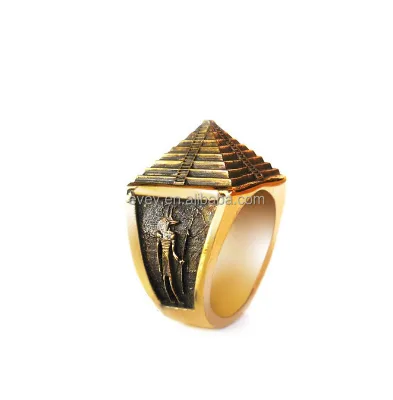
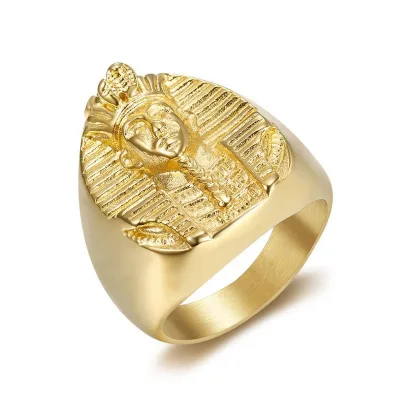
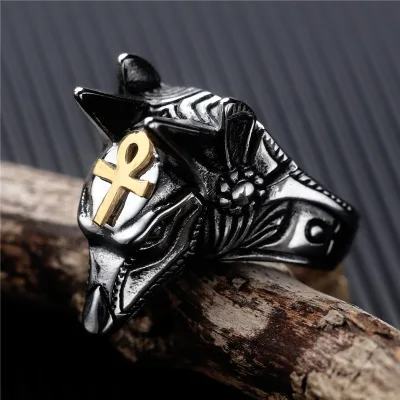
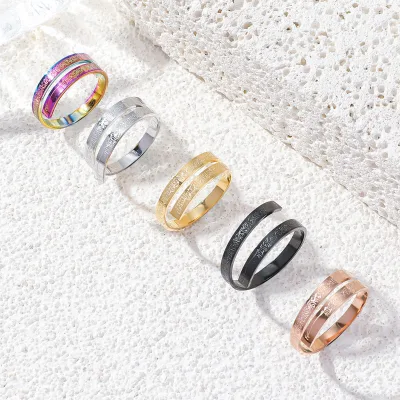
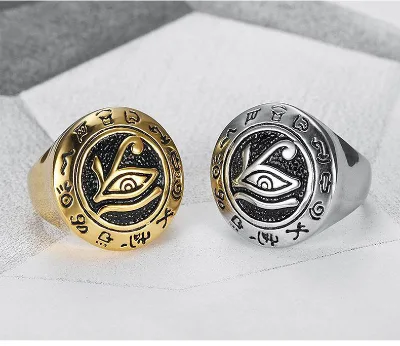


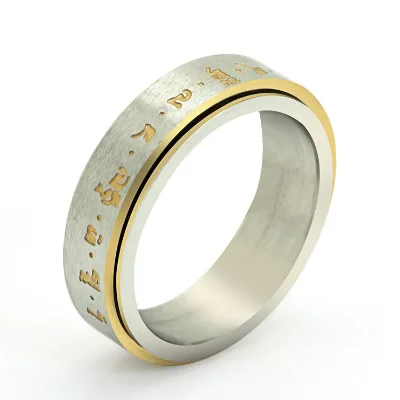
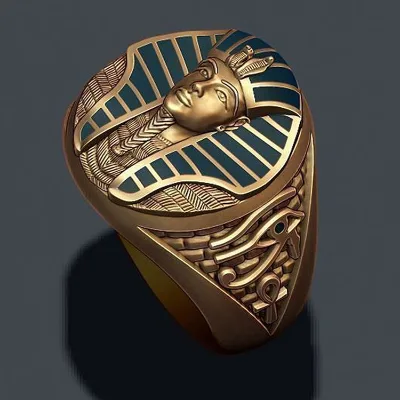


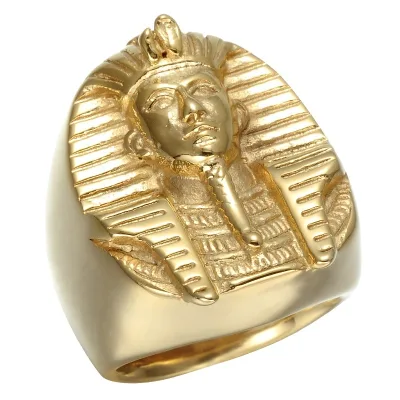
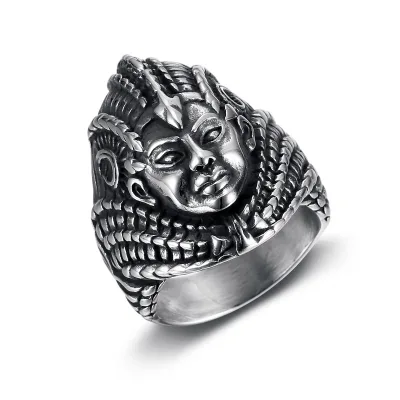
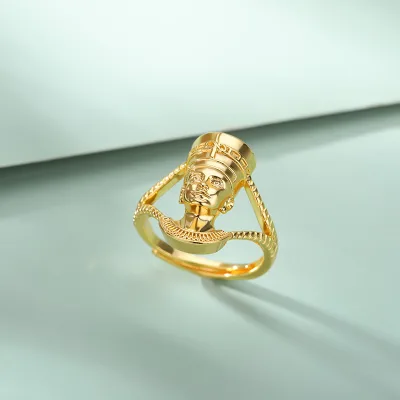


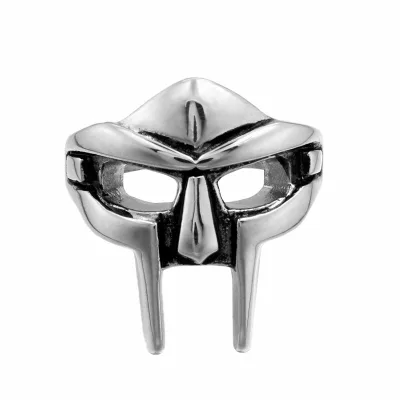

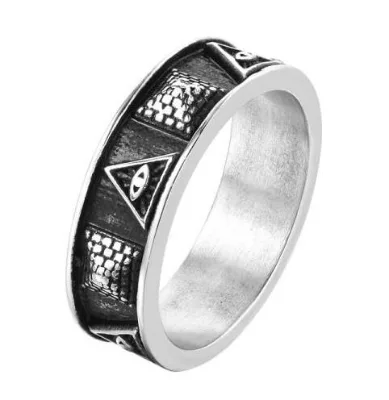
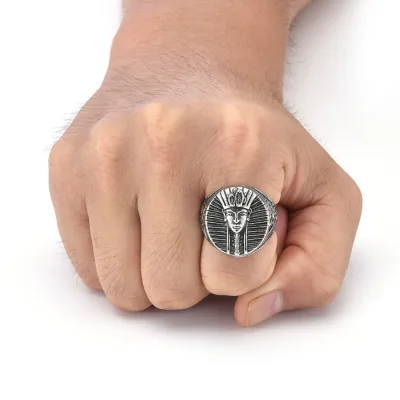
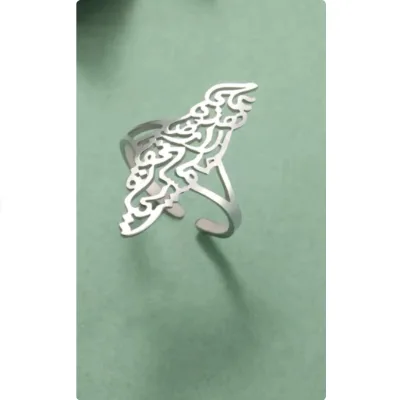
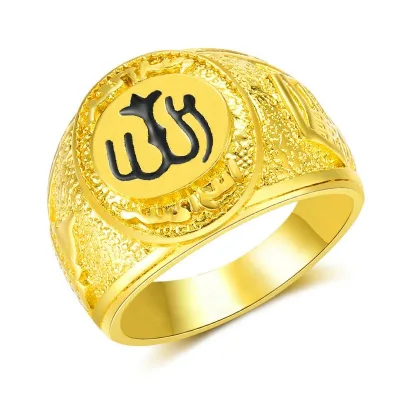
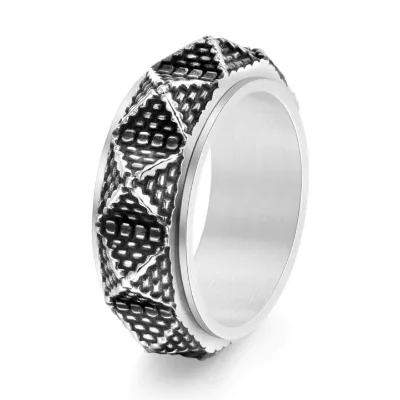


Comprehensive Sourcing Guide
Strategic Sourcing Guide for Gold Pharaoh Statement Rings
The global market for statement jewelry continues to expand, with the "gold pharaoh" aesthetic representing a distinct segment that blends historical grandeur with modern streetwear and high-fashion sensibilities. For B2B procurement professionals, sourcing these specific items requires a nuanced understanding of material composition, design variability, and supply chain logistics. This guide synthesizes available product attributes and industry standards to provide a disciplined framework for evaluating suppliers and securing high-quality inventory. The focus remains on evidence-based decision-making, ensuring that procurement strategies align with verified product characteristics rather than unconfirmed marketing claims.
Technical Specifications and Design Attributes
When evaluating a Gold Pharaoh Statement Ring, the primary technical differentiator lies in the intersection of material composition, dimensional specifications, and stylistic execution. Based on observed product data, the material base for these items frequently includes Stainless Steel and Alloy, often finished with Gold plating or Gold-tone treatments. This distinction is critical for cost modeling and durability expectations. While the core keyword implies a solid gold composition, the actual market data indicates a prevalence of plated metals, which affects the longevity of the finish and the appropriate price bracket.
The design language for pharaoh rings typically incorporates specific aesthetic markers. Observed attributes include "hip hop" and "fashion" design classifications, suggesting a bold, oversized profile suitable for statement wear. The shape is predominantly "Round" or "Oval," providing a canvas for intricate detailing that mimics ancient Egyptian motifs. Color variations are extensive, ranging from standard "Silver" and "Gold" to more nuanced finishes like "Champagne," "Black," and "Multi" color combinations. Some listings specifically denote "Gold-Plated" or "Rose Gold" variants, indicating that the "gold" descriptor in the search term often refers to the visual finish rather than the bulk material.
Dimensional flexibility is a key technical requirement for this category. The supply chain supports a wide range of ring sizes, with specific observations noting sizes 6 through 13, as well as "Resizable" options and "common-use sizes." This variability allows buyers to stock inventory that caters to diverse demographics without holding excessive SKUs. The fabrication process is consistently noted as "Polishing," which ensures a high-luster finish essential for the gold aesthetic. Additionally, the "Type" of ring often falls under "Prime Ring," "Inlaid Ring," or specific model designations like "PT-60" and "AB11," which serve as internal identifiers for the supplier's catalog.
Material Composition and Finishing Standards
The integrity of a statement ring relies heavily on the underlying material and the quality of the plating or finishing process. The observed data highlights "Stainless Steel" and "Alloy" as the primary materials. Stainless steel offers superior corrosion resistance and structural integrity, making it a preferred choice for rings intended for daily wear or high-moisture environments. Alloy, while often more cost-effective, requires careful quality control to prevent tarnishing or skin irritation, particularly for buyers targeting sensitive consumer segments.
The finishing process is a critical determinant of the final product's appeal. The "Polishing" fabrication method is standard, but the durability of the gold color depends on the plating thickness and the base metal preparation. Buyers must verify the specific plating technology used, as this is not always explicitly detailed in standard listings. The presence of "Customized" logos and "OEM" capabilities suggests that suppliers can apply specific branding or design modifications, which is vital for private label strategies.
Furthermore, the "Standard" attribute for these products is often listed as "customized," indicating a lack of rigid adherence to a single international standard for the final product dimensions or weight. One specific observation notes a "15g" standard, but this should be treated as a specific product instance rather than a universal rule. Procurement teams must therefore request detailed weight specifications and plating thickness data for each SKU to ensure consistency across batches. The "prod_packing" varies between "Carton" and "PP Bag," which influences the protection level during transit and the unboxing experience for the end consumer.
Compliance, Certification, and Regulatory Checks
In the jewelry sector, compliance is multifaceted, involving material safety, labeling accuracy, and trade regulations. While the provided data does not list specific third-party certifications, the "customized" standard implies that compliance is often negotiated on a per-order basis. Buyers must verify that the materials used, particularly alloys, comply with relevant regional regulations regarding heavy metals like lead, cadmium, and nickel. These restrictions are critical for markets in the European Union and North America, where consumer protection laws are stringent.
The "OEM: Yes" attribute confirms that suppliers are capable of producing goods under a buyer's brand, but this also shifts the responsibility for compliance verification to the buyer. It is essential to request material safety data sheets (MSDS) or specific test reports confirming that the plating and base metals meet the required standards for the target market. The "prod_standard: customized" note suggests that suppliers may not have pre-existing certifications for every design variation. Therefore, the procurement strategy should include a pre-shipment inspection protocol to validate that the finished goods match the agreed-upon material specifications and safety requirements.
Additionally, the "Location" of production is identified as "China." While this is a major manufacturing hub, it necessitates a robust supply chain audit to ensure ethical labor practices and environmental compliance. Buyers should inquire about the supplier's adherence to international labor standards and environmental regulations, as these factors increasingly influence brand reputation and market access.
Cost Drivers and Pricing Dynamics
The pricing structure for gold pharaoh statement rings is influenced by several interconnected factors. The observed price range spans from $0.50 to $400, a vast disparity that reflects differences in material quality, design complexity, and brand positioning. The lower end of the spectrum likely corresponds to alloy-based rings with standard plating, while the higher end may involve stainless steel with premium finishes, intricate inlay work, or custom packaging.
The "MOQ" (Minimum Order Quantity) range of 1 to 1000 units offers significant flexibility for buyers of varying scales. Small retailers or dropshippers can start with low-volume orders, while larger distributors can leverage economies of scale by ordering in bulk. The "Customization: Available" attribute is a significant cost driver; custom logos, specific packaging, or unique design modifications will inevitably increase the unit cost and potentially the lead time.
Buyers must also consider the "Usage" category, which includes "Decoration," "Gift," "Wedding," and "Anniversary." Products marketed for high-value occasions like weddings may command a premium due to higher perceived quality and packaging requirements. The "Quality: Best" attribute observed in some listings suggests a tiered quality system, where buyers should explicitly define what "Best" means in terms of plating thickness, metal purity, and finish durability to avoid misalignment between expectation and delivery.
Supplier Evaluation and Operational Capabilities
Selecting the right supplier for gold pharaoh statement rings requires a thorough assessment of their operational capabilities and product range. The data indicates a diverse portfolio, with models ranging from "Men Ring-006K" to "Diamond Ring-079S" and "Rose Gold Zircon Ring-038K." This variety suggests that suppliers are often generalists in the jewelry space rather than specialists in a single niche. Buyers should evaluate whether the supplier has a dedicated team for the "hip hop" and "fashion" segments to ensure design expertise.
The "Gender" attribute varies between "Female," "Male," and "Unisex," indicating that suppliers can cater to different market segments. However, buyers must verify that the sizing and design proportions are appropriate for the intended gender demographic. The "Type" classification, such as "Prime Ring" or "Inlaid Ring," further helps in categorizing the supplier's technical proficiency.
A critical aspect of supplier evaluation is the "prod_model" consistency. The presence of specific model numbers like "PT-60," "AB11," and "N-SSMB0" implies a structured inventory system. Buyers should request a full catalog of these models to assess the depth of the supplier's design library. Additionally, the "Logo: Customized" and "OEM: Yes" capabilities are essential for brands looking to differentiate their offerings. The supplier's ability to handle custom orders efficiently and maintain quality control during the customization process is a key performance indicator.
Quality Control and Long-Term Procurement Strategy
Maintaining consistent quality is paramount in the jewelry industry, where consumer expectations for finish and durability are high. The "Process" of "Polishing" is standard, but the uniformity of the polish across a batch can vary. Buyers should implement a rigorous quality control protocol that includes visual inspections for scratches, uneven plating, or loose stones. For "Inlaid Ring" types, the security of the inlay is a critical failure point that must be tested.
The "Usage" categories, including "Wedding" and "Anniversary," imply that these rings may be subjected to frequent wear and tear. Therefore, the "Quality: Best" claim must be substantiated through tangible testing, such as salt spray tests for corrosion resistance or adhesion tests for plating. The "prod_packing" options, whether "Carton" or "PP Bag," also play a role in quality preservation. For high-value items, rigid carton packaging is preferable to prevent crushing or scratching during transit.
Long-term procurement considerations involve building a resilient supply chain. The "Location: China" factor necessitates clear communication channels and contingency planning for potential logistical disruptions. Buyers should diversify their supplier base to mitigate risk and ensure a steady flow of inventory. The "Customization: Available" feature allows for agile responses to market trends, but it requires a stable supplier relationship to ensure that custom designs can be reproduced consistently over time.
Furthermore, the "Standard: customized" nature of the products means that buyers must maintain detailed records of every order's specific requirements. This documentation is vital for resolving disputes and ensuring that future orders match the initial approval samples. By treating product attributes as observations rather than universal claims, buyers can navigate the variability in the market and build a procurement strategy that prioritizes verified quality and reliable delivery.
Comparative Analysis of Product Variants
To assist in decision-making, the following table summarizes key attributes observed across the product spectrum, highlighting the trade-offs between different options.
| Attribute Category | Observation A (Economy) | Observation B (Premium) | Observation C (Custom) |
|---|---|---|---|
| Material | Alloy | Stainless Steel | Stainless Steel / Custom Alloy |
| Finish | Standard Gold Plating | High-Density Gold Plating | Custom Plating / Multi-Color |
| Design Style | Fashion / Hip Hop | Prime Ring / Inlaid | Custom Logo / Unique Model |
| Ring Size | Common-use sizes | 6-13, Resizable | Custom Sizing |
| Packaging | PP Bag | Carton | Custom Branded Packaging |
| MOQ | Low (1-100) | Medium (100-500) | High (500+) |
| Target Usage | Decoration / Gift | Wedding / Anniversary | Brand Specific / OEM |
This comparison illustrates that while the core keyword "Gold Pharaoh Statement Ring" unifies the category, the specific execution varies significantly. Buyers must align their procurement strategy with their specific market positioning, whether that involves high-volume, low-cost decoration items or low-volume, high-value wedding bands. By focusing on verified attributes and maintaining rigorous quality control, B2B buyers can successfully navigate the complexities of sourcing these distinctive jewelry pieces.
FAQs
What materials are used for gold pharaoh statement rings?
These rings are primarily made from Stainless Steel or Alloy, often finished with Gold plating. The specific material varies by model, so buyers should verify the composition to ensure durability and compliance with regional safety standards for skin contact.
Which ring sizes are available for these statement pieces?
Available sizes range from 6 to 13, with some options listed as Resizable or common-use sizes. Buyers can find specific listings for sizes 7 through 13, ensuring inventory flexibility for diverse customer demographics without holding excessive SKUs.
Can suppliers provide customized logos and OEM services?
Yes, customization is available with options for customized logos and OEM production. This allows buyers to apply specific branding, though it may impact unit costs and lead times compared to standard off-the-shelf inventory from the Chinese manufacturing hub.
How do pricing and MOQ vary for these rings?
Prices range from 0.5 to 400 USD depending on material and design complexity, with MOQs between 1 and 1000 units. Lower prices typically reflect alloy materials, while higher tiers may involve stainless steel or premium packaging options like cartons.
What design styles are common for this category?
Designs often feature hip hop, fashion, or ethnic styles with round or oval shapes. Colors include Silver, Gold, Champagne, and Multi, with some models specifically labeled as Prime Rings or Inlaid Rings to denote their structural and aesthetic characteristics.
Which production standards apply to these jewelry items?
Standards are frequently customized rather than adhering to a single rigid international norm, though some items specify weights like 15g. Buyers must request detailed specifications for each SKU to ensure consistency in weight, plating thickness, and finish quality across batches.