Source Gold Plated Classic Wedding Ring for Gifts, Decor, and Events
Find 30 Gold Plated Classic Wedding Ring options tailored for female fashion and unisex styles. Compare materials like stainless steel, tungsten, and titanium, alongside features such as polishing, electroplating, and laser engraving to identify suitable suppliers for wholesale distribution.
Key considerations
Products List


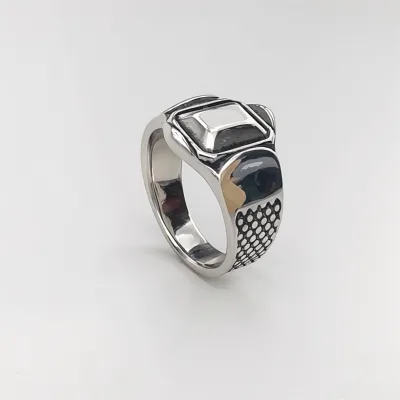


Classic Bridal Engagement Wedding Diamond Rings for Women Sterling Silver
$6.00 - $8.00
MOQ: 30 Pieces


Comprehensive Sourcing Guide
Gold Plated Classic Wedding Ring Sourcing Guide
Sourcing gold-plated classic wedding rings requires a nuanced understanding of the intersection between aesthetic appeal, material durability, and commercial viability. These rings are primarily designed for decorative purposes, serving as fashion accessories for weddings, engagements, and special occasions rather than as permanent heirlooms made from solid precious metals. The core appeal lies in the visual richness of gold plating over a durable base metal, offering a cost-effective alternative to solid gold while maintaining a premium look. Buyers must recognize that "classic" in this context often refers to timeless silhouettes, such as round bands or heart shapes, which appeal to a broad demographic, including female consumers seeking elegant, understated jewelry.
The procurement landscape for these items is characterized by high customization potential and flexible manufacturing processes. Suppliers frequently offer services such as laser engraving, electroplating, and polishing to meet specific brand or personalization needs. This guide focuses on the critical decision points for B2B buyers, including verifying material compositions like stainless steel, titanium, or tungsten, understanding the implications of plating thickness, and navigating commercial terms such as MOQs and payment structures. By adhering to evidence-based verification steps, buyers can mitigate risks associated with quality inconsistencies and ensure that the final products align with their target market’s expectations for durability and style.
Product Scope and Observed Listing Signals
The market for gold-plated classic wedding rings encompasses a diverse range of styles, from simple bands to intricate designs featuring inlaid stones or engraved patterns. Observed listings indicate a strong presence of rings made from stainless steel, titanium, and tungsten, each offering distinct advantages in terms of hardness, weight, and corrosion resistance. For instance, stainless steel rings often feature zircon inlays and are marketed for their affordability and versatility, while titanium rings may highlight features like laser engraving and exquisite engraved patterns. These variations allow buyers to curate product lines that cater to different price points and consumer preferences, ensuring a broad appeal in the wedding and gift sectors.
Listing signals also reveal significant variability in product specifications, including size ranges, weights, and packaging methods. Sizes typically range from standard ring sizes such as 9#, 10#, and 11# to broader industrial standards like 50#-72#, indicating that buyers must carefully align their inventory with the intended market’s sizing conventions. Packaging is another critical signal, with options ranging from simple PP bags to more premium OPP bags with paper cases, which can influence the perceived value of the product. Additionally, the presence of customization options, such as OEM and ODM services, suggests that buyers have the opportunity to develop unique product identities rather than relying solely on off-the-shelf designs.
Technical Specifications to Verify
Verifying the base material is the first critical step in ensuring product quality and longevity. While the term "gold plated" suggests a surface treatment, the underlying metal significantly impacts the ring’s durability and hypoallergenic properties. Buyers should confirm whether the base material is stainless steel, titanium, or tungsten, as each has different wear characteristics. Stainless steel offers excellent corrosion resistance and is often paired with zircon stones for a sparkling effect, while titanium is known for its lightweight nature and strength. Tungsten, on the other hand, provides a heavy, substantial feel and high scratch resistance. Understanding these material differences is essential for selecting the right product for specific customer segments.
The plating process and finish are equally important technical aspects that require verification. Electroplating is a common technique used to apply the gold layer, and buyers should inquire about the thickness and quality of this plating to ensure it withstands daily wear. Polishing is another key process that affects the ring’s aesthetic appeal, with options ranging from high-gloss finishes to matte textures. Additionally, features such as laser engraving and intricate engraved patterns add value and personalization potential. Buyers should request samples to assess the precision of these finishes and ensure that the plating adheres properly to the base metal, minimizing the risk of peeling or discoloration over time.
Compliance and Safety Documentation
Compliance with international safety standards is paramount when sourcing jewelry, particularly for products intended for close skin contact. Buyers must ensure that suppliers provide documentation confirming that the materials used are free from harmful substances such as lead, nickel, and cadmium. While specific certification statuses may vary by supplier, buyers should request test reports from accredited laboratories to verify compliance with regulations such as the EU’s REACH regulation or the US’s CPSIA. These documents serve as proof that the rings are safe for consumers and help mitigate legal risks associated with selling non-compliant products in regulated markets.
In addition to material safety, buyers should verify that the suppliers adhere to ethical manufacturing practices. This includes ensuring that the production processes do not involve child labor or unsafe working conditions. While not always explicitly stated in product listings, buyers can often assess a supplier’s commitment to ethical standards through their communication responsiveness, transparency, and willingness to provide detailed information about their manufacturing facilities. Establishing a clear understanding of these compliance requirements early in the sourcing process helps build a trustworthy supply chain and enhances the brand’s reputation among conscientious consumers.
Cost Drivers and Commercial Terms
The cost of gold-plated classic wedding rings is influenced by several factors, including the base material, plating thickness, and level of customization. Stainless steel rings are generally more cost-effective due to the lower cost of raw materials and widespread availability, while titanium and tungsten rings may command higher prices due to their superior durability and perceived value. Customization options, such as laser engraving or custom packaging, also add to the overall cost. Buyers should request detailed quotations that break down these costs to understand the true value proposition and identify opportunities for cost optimization without compromising quality.
Commercial terms, including MOQs, payment methods, and shipping options, play a significant role in the procurement process. Observed listings indicate MOQs ranging from 30 to 100 pieces, which can be manageable for small to medium-sized buyers. Payment terms typically include T/T, bank transfer, PayPal, and Western Union, offering flexibility for different financial arrangements. Shipping is often handled by major carriers such as DHL, FedEx, and UPS, ensuring reliable delivery. Buyers should negotiate these terms to align with their cash flow and inventory management strategies, ensuring that the total cost of ownership remains competitive.
Supplier Qualification and Quality Control
Qualifying suppliers involves assessing their production capabilities, quality control processes, and customer service responsiveness. Buyers should prioritize suppliers who offer OEM and ODM services, as this indicates a higher level of manufacturing flexibility and expertise. It is also important to verify the supplier’s experience in producing gold-plated jewelry, as this specialized knowledge can impact the quality of the final product. Requesting references or case studies from previous clients can provide additional insights into the supplier’s reliability and performance.
Quality control is a critical component of the sourcing process, and buyers should implement rigorous inspection protocols to ensure product consistency. This includes checking for defects in the plating, such as uneven coverage or peeling, as well as verifying the accuracy of engravings and stone settings. Buyers may also consider hiring third-party inspection services to conduct pre-shipment inspections, providing an additional layer of assurance. Establishing clear quality standards and communicating them effectively to suppliers helps minimize the risk of receiving substandard products and ensures that the final goods meet the buyer’s expectations.
Long-Term Procurement Checks
Long-term procurement success depends on continuous monitoring of supplier performance and market trends. Buyers should regularly review supplier metrics, such as on-time delivery rates, product defect rates, and responsiveness to issues, to identify potential problems early. Building a strong relationship with suppliers through regular communication and feedback can also foster collaboration and improve service quality over time. Additionally, staying informed about emerging trends in jewelry design and consumer preferences allows buyers to adapt their product offerings and maintain a competitive edge in the market.
Finally, buyers should periodically reassess their sourcing strategy to ensure it aligns with their business goals and market conditions. This may involve exploring new suppliers, negotiating better terms, or diversifying the product range to include different styles and materials. By maintaining a proactive approach to procurement, buyers can mitigate risks, optimize costs, and build a resilient supply chain that supports long-term growth. Regular audits and performance reviews are essential tools in this process, helping to ensure that the sourcing strategy remains effective and aligned with the evolving needs of the business.
FAQs
What materials are used for gold plated classic wedding rings?
These rings are crafted from stainless steel, tungsten, titanium, or 925 sterling silver. The gold plating is applied via electroplate technology to ensure a durable and fashionable finish suitable for wedding occasions.
Can I customize the size and design of these rings?
Yes, customization is available for size and design features. Buyers can select from sizes like 9#, 10#, or 11#, and request specific shapes such as round or heart styles with laser engraving or exquisite engraved patterns.
What is the minimum order quantity for these rings?
The minimum order quantity typically ranges from 6 to 100 pieces depending on the specific product model. Some listings specify an MOQ of 30 pieces, while others may require up to 100 units for wholesale orders.
How are these rings packaged for shipment?
Rings are packaged in PP bags, OPP bags, or OPP bags with paper cases. The packaging ensures protection during transit while maintaining the product's appearance for wholesale distribution to jewelry retailers and distributors.
Which payment methods are accepted for these orders?
Accepted payment methods include T/T, bank transfer, PayPal, and Western Union. These options provide flexibility for international buyers sourcing from manufacturers located in Guangdong, China, ensuring secure transaction processing.
What shipping carriers are used for delivery?
Shipping is handled via DHL, FedEx, TNT, UPS, and other major carriers. These services ensure reliable delivery of the rings to global destinations, supporting both small sample orders and larger wholesale shipments efficiently.