Source Gold Plated Pearl Earrings for Decoration, Gift, and Fashion
Compare 30 Gold Plated Pearl Earrings from verified suppliers. Buyers can evaluate styles, materials, and customization options for decoration, gifts, and fashion needs. Explore various shapes like square and round, plus settings such as micro wax. Check plating options including rhodium and rose gold. Review delivery times and MOQs to find the perfect match for your specific requirements and budget.
Updated
Key considerations
Products List

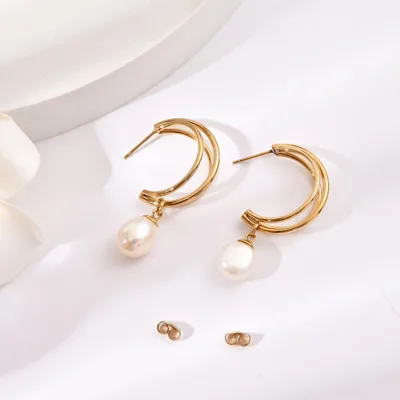
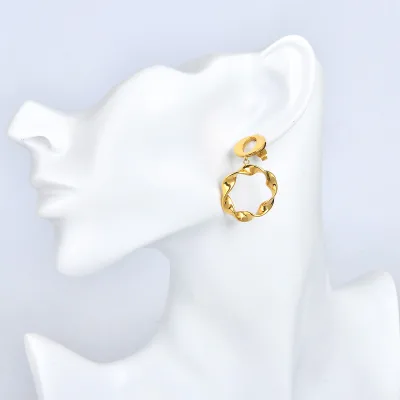

Elegant Charm 925 Silver Jewelry Pearl Silver Gold Plated Earrings for Women
$17.18 - $32.22
MOQ: 1 Pairs

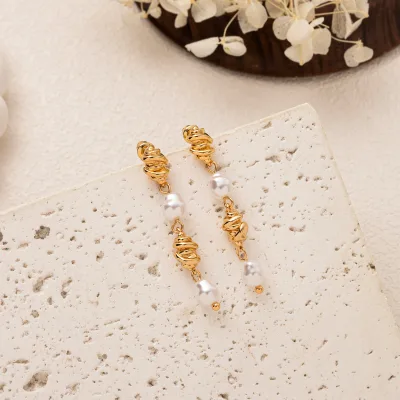
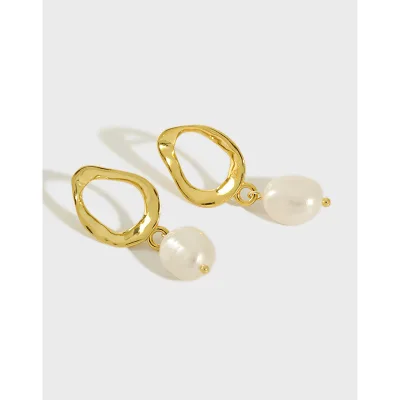
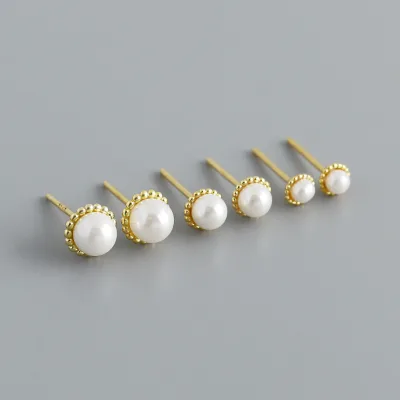

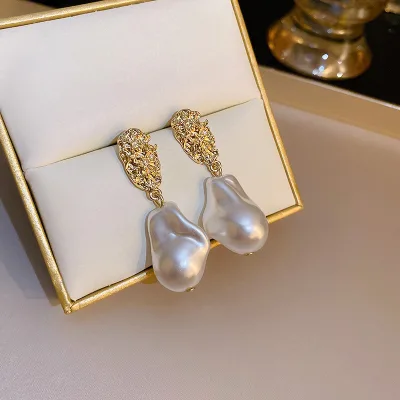
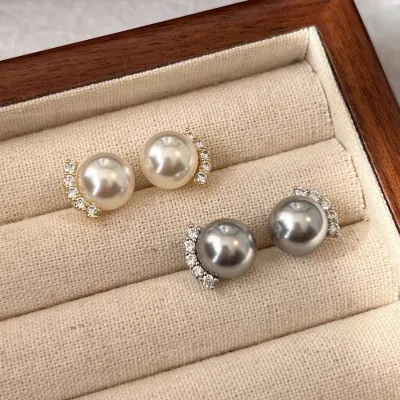
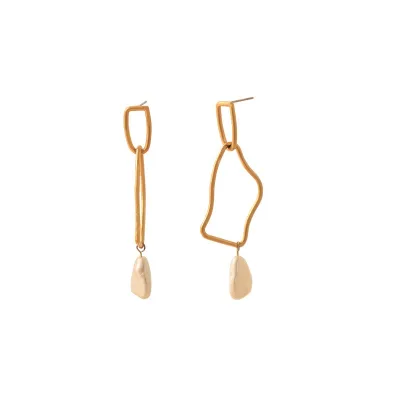


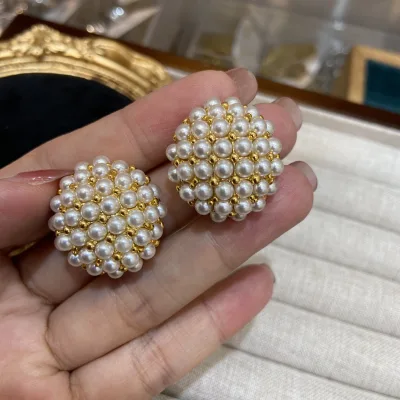

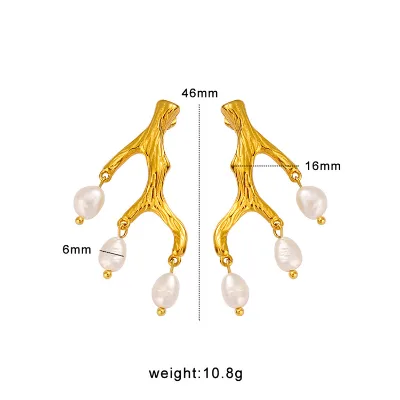

Fashion Simple Earrings for Women Silver Plate Pearl Crystal Stud Earrings
$0.39 - $0.59
MOQ: 12 Pieces


Comprehensive Sourcing Guide
Gold Plated Pearl Earrings Sourcing Guide
Sourcing Gold Plated Pearl Earrings requires a nuanced understanding of material layering and gemstone quality, as these elements define both the aesthetic appeal and the longevity of the final product. Buyers must distinguish between solid gold pieces and those with a thin gold plating over a base metal, as the latter offers a more accessible price point but demands careful attention to plating thickness and durability. The visual appeal of these earrings is heavily influenced by the luster and shape of the pearls, which can range from natural to cultured varieties, each carrying different value propositions and sourcing complexities.
Procurement teams should also consider the versatility of gold plating, which can be applied in various tones such as yellow, rose, or white gold, allowing for diverse design options that cater to different market preferences. The integration of pearls adds a layer of complexity regarding sourcing consistency, as natural variations in size, color, and surface quality can impact production yields and final product uniformity. Understanding these material interactions is crucial for establishing realistic quality benchmarks and ensuring that the finished jewelry meets the expected standards of luxury and wearability for the target consumer base.
Product Scope and Observed Listing Signals
The current market landscape for Gold Plated Pearl Earrings reveals a diverse array of product types, including stud, drop, and clip-on styles, each serving distinct functional and aesthetic purposes. Observed listings indicate a strong presence of square and round shapes, with some designs incorporating micro wax settings to secure the pearls firmly in place. The color palette extends beyond traditional gold to include silver and rhodium-plated finishes, offering buyers a wide range of options to match different fashion trends and customer preferences. This variety allows for flexible inventory planning and the ability to cater to niche markets seeking specific design elements.
Further analysis of listing signals shows that customization is a prevalent feature, with many suppliers accepting OEM and ODM requests to tailor designs according to buyer specifications. The age demographic targeted often includes youth and female consumers, suggesting a focus on trendy, fashionable accessories rather than heirloom pieces. Additionally, the usage categories highlight decoration and gifting as primary drivers, indicating that packaging and presentation play a significant role in the purchasing decision. Buyers should leverage these insights to align their product selection with current consumer behaviors and seasonal demand patterns.
Technical Specifications to Verify
When evaluating technical specifications, buyers must prioritize the verification of plating thickness and base material composition to ensure long-term durability and resistance to tarnishing. The standard for copper with rhodium plating is observed in some listings, providing a robust foundation for the gold layer, while other products may utilize stainless steel or sterling silver bases. It is essential to confirm the exact micron thickness of the gold plating, as this directly impacts the lifespan of the jewelry and its ability to withstand daily wear without fading or peeling. Clear documentation of these specifications helps in setting accurate quality expectations and minimizing post-sale disputes.
Pearl specifications are equally critical, with diameter ranges such as 5.5-6mm being common for stud and drop styles. Buyers should verify whether the pearls are natural, cultured, or simulated, as this affects both the cost and the perceived value of the product. The setting method, such as micro wax or prong settings, also influences the security of the pearl and the overall comfort of the earring. Additionally, checking for certifications like SGS can provide assurance regarding the safety and quality of the materials used, ensuring that the products meet international standards for heavy metals and allergens.
Compliance and Safety Documentation
Compliance with international safety standards is non-negotiable for jewelry imports, particularly when dealing with materials that come into direct contact with the skin. Buyers must ensure that suppliers provide relevant test reports verifying the absence of harmful substances such as lead, cadmium, and nickel, which are common allergens and health hazards. The presence of SGS certification in some listings indicates a commitment to quality and safety, but buyers should always request the most recent and comprehensive test results for each batch of production. This due diligence protects the brand from legal liabilities and reputational damage associated with non-compliant products.
Furthermore, understanding the regulatory requirements of the target market is essential, as standards vary significantly between regions like the European Union, the United States, and Asia. Buyers should verify that the plating process adheres to environmental regulations, particularly regarding the disposal of chemicals and wastewater. Documentation should also include declarations of conformity and material safety data sheets, which provide detailed information about the composition and handling of the products. Establishing a robust compliance framework from the outset ensures smooth customs clearance and builds trust with consumers who are increasingly conscious of ethical and safe sourcing practices.
Cost Drivers and Commercial Terms
The cost structure of Gold Plated Pearl Earrings is influenced by several key factors, including the price of raw materials, plating thickness, and the complexity of the design. Observed price ranges vary widely, reflecting differences in material quality and production volume, with lower MOQs often commanding higher unit prices. Buyers should negotiate based on volume commitments, as larger orders typically result in more favorable pricing and better terms. Additionally, the choice of base metal and pearl type significantly impacts the final cost, with sterling silver and natural pearls being more expensive than copper and simulated alternatives.
Commercial terms such as payment methods, sample times, and delivery schedules also play a crucial role in the overall procurement strategy. Common payment options include T/T and PayPal, offering flexibility for different transaction sizes. Sample times can range from three days for stock items to fifteen days for customized designs, which must be factored into the product launch timeline. Delivery times of 20-35 days after receiving the deposit are typical, but buyers should confirm these estimates with their specific supplier to avoid delays. Understanding these commercial dynamics allows for more accurate budgeting and inventory planning.
Supplier Qualification and Quality Control
Supplier qualification is a critical step in ensuring the reliability and consistency of Gold Plated Pearl Earrings. Buyers should assess suppliers based on their production capacity, quality control processes, and ability to meet customization requests. The acceptance of OEM and ODM services indicates a supplier's flexibility and technical capability, but buyers must verify their track record in delivering high-quality products on time. Requesting references and conducting factory audits can provide valuable insights into the supplier's operational efficiency and commitment to quality standards.
Quality control measures should include rigorous inspection of plating uniformity, pearl alignment, and setting security. Buyers should establish clear acceptance criteria for defects, such as scratches, discoloration, or loose stones, and implement a sampling plan for pre-shipment inspections. The use of strong carton packaging and OPP bags helps protect the products during transit, reducing the risk of damage. By maintaining strict quality control protocols, buyers can minimize returns and ensure that the final products meet the expected standards of luxury and durability.
Long-Term Procurement Checks
Long-term procurement success depends on continuous monitoring of supplier performance and market trends. Buyers should regularly review supplier metrics such as on-time delivery rates, defect rates, and responsiveness to issues. Establishing a partnership based on mutual trust and clear communication can lead to better pricing and priority treatment during peak seasons. Additionally, staying informed about changes in material costs and regulatory requirements helps in anticipating potential disruptions and adjusting strategies accordingly.
Market trends in jewelry fashion are dynamic, with shifts in consumer preferences towards sustainable and ethical sourcing practices. Buyers should explore opportunities for innovation, such as using recycled metals or ethically sourced pearls, to differentiate their products in a competitive market. Regularly updating product designs and offering limited edition collections can also drive sales and enhance brand loyalty. By maintaining a proactive approach to procurement and market analysis, buyers can sustain growth and remain competitive in the evolving jewelry industry.
FAQs
Can I customize the design of Gold Plated Pearl Earrings?
Yes, customization is available for these earrings. You can accept customized designs and specify unique shapes or sizes. The product supports OEM and ODM services, allowing you to tailor the appearance to your brand needs. This flexibility ensures the final product matches your specific aesthetic requirements and market preferences effectively.
What materials are used for Gold Plated Pearl Earrings?
The earrings are crafted from high-quality copper and 925 sterling silver. Some variants feature stainless steel components. The standard specification includes copper with rhodium plating, while others offer gold or silver plating. These durable materials ensure longevity and a premium finish suitable for fashion jewelry and decorative gifts.
What is the sample time for customized orders?
The sample time is three days for stock items and fifteen days for customized orders. This timeline allows for efficient production of unique designs while maintaining quality standards. Buyers can receive prototypes quickly to verify design accuracy before proceeding with bulk manufacturing, ensuring the final product meets all specified requirements.
Which certifications do these earrings have?
The earrings hold SGS certification, ensuring they meet international quality and safety standards. This certification verifies the material composition and manufacturing processes. Buyers can rely on this documentation for compliance in various markets. The high-end quality assurance provides confidence in the product's reliability and suitability for global distribution channels.
How are the earrings packaged for shipping?
The earrings are packed in OPP bags and then placed into strong cartons. This packaging method protects the items during transit and storage. The sturdy carton ensures safety for bulk shipments, while the individual OPP bags keep each piece clean and organized. This approach balances protection with efficient handling for logistics.
What is the delivery time after deposit?
The delivery time is twenty to thirty-five days after receiving the deposit. This period covers production and quality checks for customized orders. Buyers should plan their inventory accordingly to account for this lead time. The timeline ensures thorough manufacturing processes while maintaining a reasonable turnaround for bulk orders.