Source 925 Sterling Silver Pinecone Earrings for gifts, weddings, and parties
Source 925 Sterling Silver Pinecone Earrings from 30 verified listings. Compare options featuring cubic zirconia, micro wax settings, and custom logos. Ideal for decoration, health gifts, and special occasions with fast worldwide shipping; compare the available evidence and request quotations based on your requirements.
Updated
Key considerations
Products List
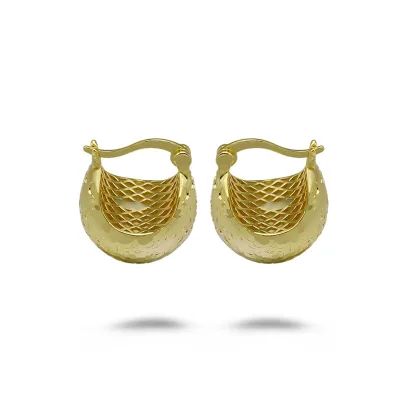


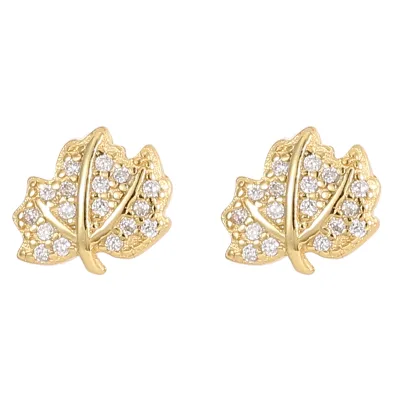
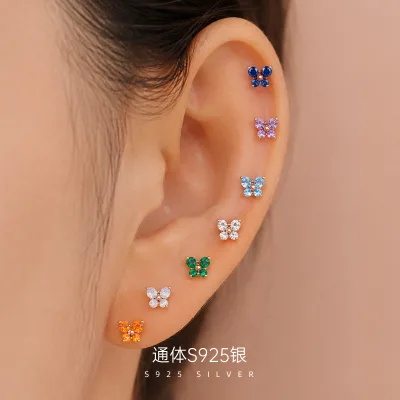
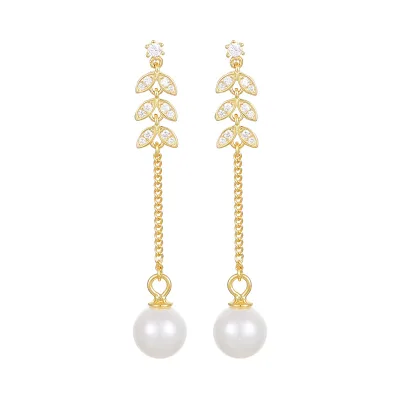


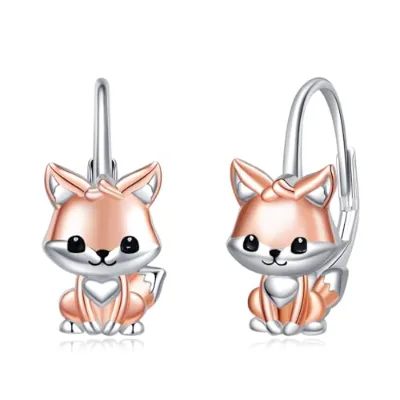

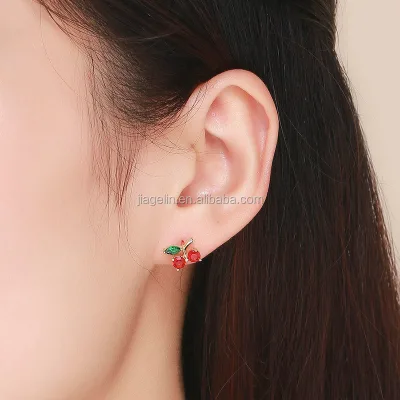
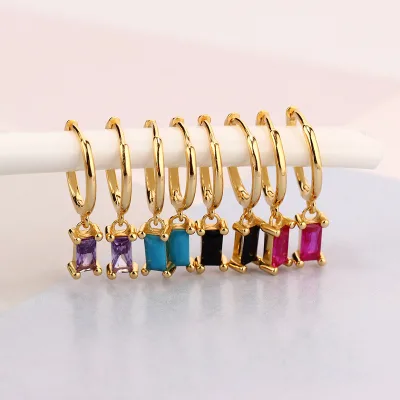
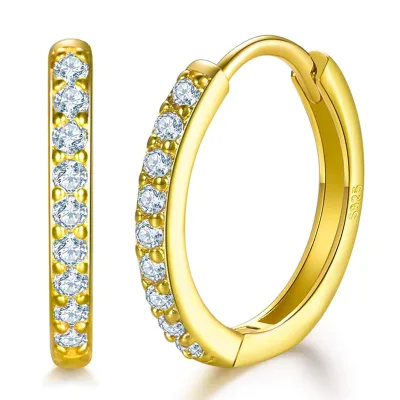
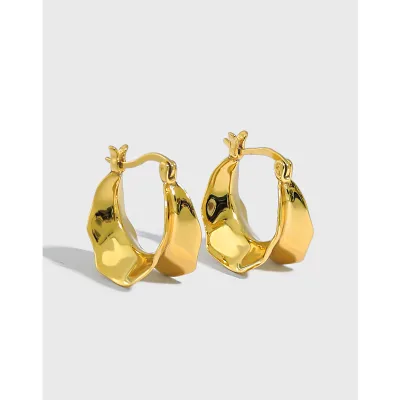
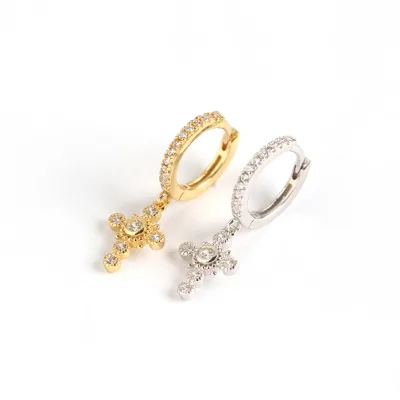
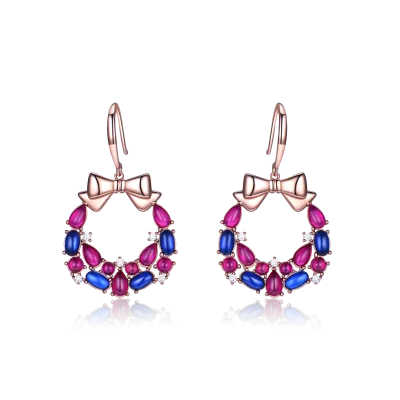
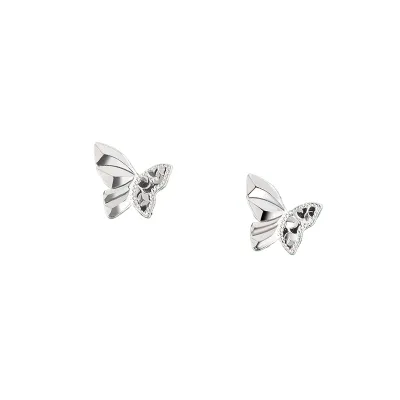
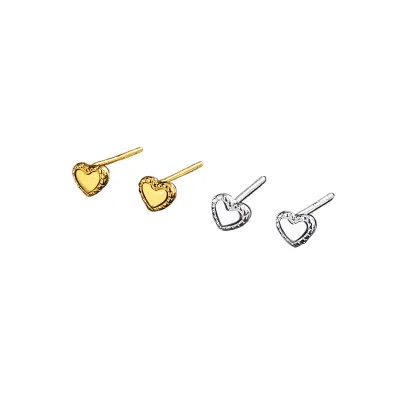
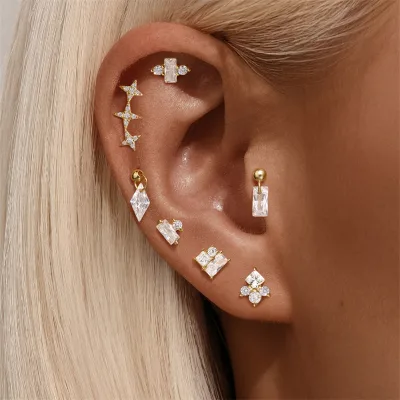
Comprehensive Sourcing Guide
925 Sterling Silver Pinecone Earrings Sourcing Guide
Sourcing 925 Sterling Silver Pinecone Earrings requires a nuanced understanding of material authenticity, design complexity, and supplier reliability. The core keyword highlights a specific aesthetic—pinecone motifs—crafted from high-purity silver, which demands rigorous verification of hallmarks and plating integrity. Buyers must navigate a market where "925" stamps are common but not always indicative of genuine alloy composition, making third-party testing essential for brand protection. This guide synthesizes observed listing signals and technical requirements to help procurement teams mitigate risk while securing competitive pricing for this decorative jewelry segment.
The procurement strategy must balance aesthetic fidelity with commercial viability, particularly given the intricate nature of pinecone designs that often involve micro-setting or detailed casting. Observed data indicates a wide range in customization options, from simple silver finishes to complex gold plating and gemstone accents. Buyers should prioritize suppliers who offer transparent material certifications and clear production timelines, as the decorative usage and gift-oriented nature of these items require consistent quality control to meet end-consumer expectations for durability and visual appeal.
Product Scope and Observed Listing Signals
The observed product landscape reveals a diverse array of earring types, including circle-shaped earrings, clip earrings, and eardrops, with materials ranging from cubic zirconia to genuine 925 sterling silver. Listings indicate that customization is widely available, allowing buyers to tailor logos, stamps, and packaging to their brand identity. The color palette extends beyond standard silver to include gold, rose gold, and black plating, with some items featuring vibrant stone colors like orange red, champagne gold, and deep ocean blue. This variety suggests that pinecone designs can be adapted to multiple style preferences, from simple minimalist aesthetics to star fashion or ornate decorative looks.
Price points observed in the market range from $2.02 to $65.02 USD, reflecting significant variation in material quality, stone type, and manufacturing complexity. Minimum order quantities (MOQ) are flexible, starting from just one piece for samples up to fifty pieces for bulk orders, which facilitates low-risk market testing. The presence of models such as ES3347, ES9332, and SE18026 indicates a standardized yet customizable production framework. Buyers should note that while some listings emphasize simple styles, others highlight micro wax settings or lab-grown diamond accents, requiring careful alignment of product specifications with target customer segments and price sensitivity.
Technical Specifications to Verify
Verifying the technical integrity of 925 sterling silver components is paramount, starting with the confirmation of the 925 hallmark or customized logo stamp on each piece. The alloy composition must meet international standards for silver purity, ensuring resistance to tarnishing and skin irritation. Buyers should request detailed specifications on plating thickness and type, whether rhodium, rose gold, or yellow gold, as these coatings significantly impact durability and appearance. Additionally, the setting method, such as micro wax setting, must be evaluated for stone retention strength, especially for items incorporating zirconia, moissanite, or lab-grown diamonds, which are commonly listed alongside silver components.
Dimensional accuracy and weight consistency are critical for maintaining brand reputation, particularly for items like clip earrings or circle-shaped designs that must fit comfortably. The observed weight range of 2-4 grams provides a baseline for quality assessment, but buyers should verify that each unit falls within acceptable tolerances to prevent customer complaints. Packaging specifications, such as OPP bags or customized strong cartons, must also be confirmed to ensure product protection during transit. Furthermore, the origin of production, often noted as Guangzhou, China, should be cross-referenced with supply chain audits to ensure ethical manufacturing practices and consistent quality control throughout the production process.
Compliance and Safety Documentation
Compliance with international safety standards is non-negotiable for jewelry imports, particularly when targeting markets with strict regulations on heavy metals and allergens. Buyers must ensure that suppliers provide valid SGS certificates or equivalent third-party test reports confirming the absence of harmful substances like lead, cadmium, and nickel. These documents serve as proof that the 925 sterling silver and any accompanying plating or gemstone settings meet health and safety requirements for consumer products. Without such certification, products risk being rejected at customs or facing legal liabilities in key markets, making documentation verification a critical step in the sourcing workflow.
Beyond material safety, buyers should verify that all labeling and packaging comply with local consumer protection laws, including accurate country-of-origin markings and material composition disclosures. The observed customization options for logos and stamps must be executed in a manner that does not compromise the integrity of the silver or create misleading claims about material purity. Additionally, any claims regarding hypoallergenic properties or specific gemstone origins must be substantiated by credible evidence to avoid false advertising penalties. Establishing a clear compliance framework early in the sourcing process helps mitigate regulatory risks and ensures that products can be legally sold and distributed in target regions without interruption.
Cost Drivers and Commercial Terms
Understanding the cost structure of 925 Sterling Silver Pinecone Earrings involves analyzing material costs, labor intensity, and customization requirements. The use of precious metals like sterling silver and additional plating processes significantly influences the base price, while intricate designs involving micro-setting or multiple stone types increase labor costs. Buyers should negotiate clear pricing tiers based on order volume, as observed discounts of 10% for orders over 10 pieces and 20% for orders over 50 pieces can substantially improve margins. However, these discounts must be weighed against the potential impact on cash flow and inventory holding costs, ensuring that bulk purchases align with sales forecasts and storage capabilities.
Commercial terms, including payment structures and lead times, play a crucial role in financial planning and supply chain reliability. The observed payment term of a 30% deposit before production and full payment before shipment is standard but requires careful cash flow management. Lead times vary, with sampling taking approximately 10 days and bulk orders requiring 20 to 35 days after deposit receipt, depending on complexity and customization. Buyers should factor in shipping times, which can add 5 to 6 days for worldwide delivery, to ensure timely product availability for seasonal peaks or promotional events. Clear communication of these terms helps prevent delays and ensures that procurement schedules align with market demands.
Supplier Qualification and Quality Control
Supplier qualification begins with a thorough assessment of manufacturing capabilities, including equipment for precision casting, plating, and stone setting. Buyers should request factory audits or virtual tours to verify production capacity and quality control processes, ensuring that the supplier can consistently meet specified standards for 925 silver purity and design accuracy. The ability to handle customized orders, such as unique logos or packaging, indicates a flexible and responsive manufacturing partner. Additionally, suppliers with a track record of exporting to diverse markets are likely to have robust systems for managing international compliance and logistics, reducing the risk of shipment delays or documentation errors.
Quality control measures must be explicitly defined and enforced throughout the production process, from raw material inspection to final packaging. Buyers should implement pre-shipment inspections to verify product dimensions, weight, plating quality, and stone setting integrity, ensuring that each pair of earrings meets the agreed-upon specifications. Establishing a clear defect tolerance level and a process for handling non-conforming products is essential for maintaining brand reputation. Furthermore, suppliers should provide a warranty or replacement policy for defective items, demonstrating confidence in their quality control systems and providing buyers with recourse in case of manufacturing errors.
Long-Term Procurement Checks
Long-term procurement success depends on continuous monitoring of supplier performance, market trends, and product quality. Buyers should establish key performance indicators (KPIs) such as on-time delivery rates, defect percentages, and responsiveness to custom requests to evaluate supplier reliability over time. Regular feedback loops with suppliers can help identify areas for improvement and foster a collaborative relationship that supports innovation and cost optimization. Additionally, staying informed about changes in material costs, regulatory requirements, and consumer preferences ensures that procurement strategies remain aligned with market dynamics and brand objectives.
Sustainability and ethical sourcing practices are increasingly important considerations for long-term procurement. Buyers should verify that suppliers adhere to responsible mining practices for silver and gemstones, and that their manufacturing processes minimize environmental impact. Certifications such as those from the Responsible Jewellery Council can provide assurance that products are sourced ethically. By integrating sustainability into procurement criteria, buyers can enhance brand value and meet the growing consumer demand for responsibly made jewelry. Continuous evaluation of these factors helps build a resilient and ethical supply chain that supports long-term business growth and customer loyalty.
FAQs
What materials are used for these earrings?
The earrings are crafted from 925 sterling silver and feature cubic zirconia stones. Some variations include rhodium, rose gold, or yellow gold plating. The setting style is micro wax, ensuring stones remain secure. These materials provide durability and a premium look suitable for youth and girls.
Can I customize the logo and packaging?
Yes, customization is available for logos, stamps, samples, OEM requests, and packaging. You can choose between OPP bags or customized packages. The standard allows for customized logos, and you may request specific sizes or stamps. This flexibility supports branding needs for gifts and parties.
What is the minimum order quantity for samples?
The minimum order quantity is one piece for samples. For big orders, the MOQ is twenty pieces. This allows buyers to test quality before committing to larger volumes. The lead time for sampling is ten days, while big orders require twenty days after deposit.
How long does delivery take after deposit?
Delivery takes twenty to thirty-five days after receiving the deposit. The process time is seven to fifteen days, followed by five to six days of worldwide fast shipping. This timeline ensures quality control while meeting urgent needs for events like weddings or holidays.
Which certifications do the products hold?
The products hold SGS certification to verify quality and safety standards. This certification applies to the manufacturing process and materials used. Buyers can rely on these verified standards when sourcing for decoration, health, or gift purposes. The origin is Guangzhou, China, ensuring traceability.
What shapes and styles are available?
Available shapes include round, square, and circle-shaped designs. Styles range from star fashion to simple aesthetics. The earrings are designed as eardrops or clip earrings. These options cater to various occasions such as anniversaries, engagements, and parties, ensuring a perfect match for any fashion preference.
What payment terms are required for orders?
Payment requires a thirty percent deposit before production begins. Full payment is due before shipping. This term applies to both sample and big orders. The discount structure offers ten percent off for over ten pieces and twenty percent off for over fifty pieces, encouraging larger purchases.