Christian Ethnic Cross Charm Bracelet Suppliers and Manufacturers
Compare 24 verified suppliers offering Christian Ethnic Cross Charm Bracelet products from Zhejiang, China. Review response times, lead times, and pricing to source religious jewelry. Contact suppliers directly to request samples; review the available evidence before requesting comparable quotations from suitable candidates.
Updated
Suppliers List

Yiwu Phonbon Import & Export Co., Ltd.
- Trading Company
- Zhejiang, China
- Lead time15 days
- Avg. response≤ 7h
Main productsmedal,lapel pin,metal coins,cross,rosary
Main marketsWestern Europe(16.67%), Southeast Asia(16.67%), Southern Europe(15.00%), Eastern Europe(15.00%), South America(10.00%), Africa(5.00%), Northern Europe(5.00%), Central America(5.00%), North America(5.00%), Mid East(3.00%), Eastern Asia(2.00%), South Asia(1.00%), Oceania(0.66%)
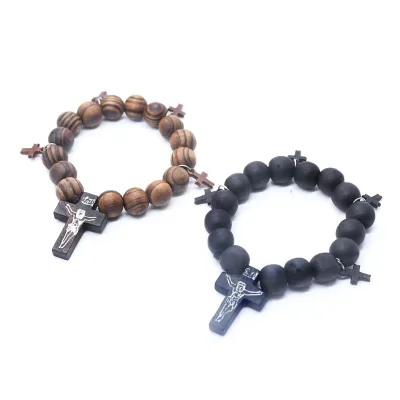
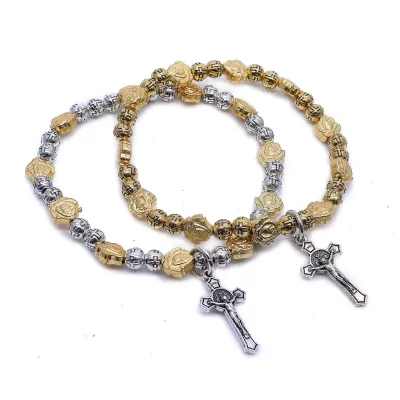
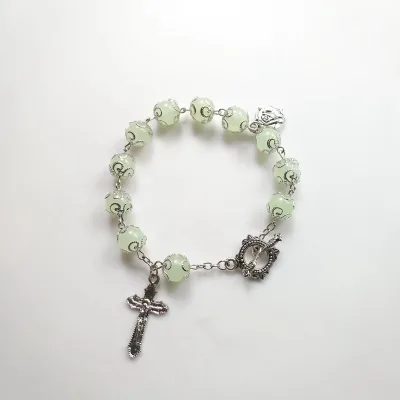
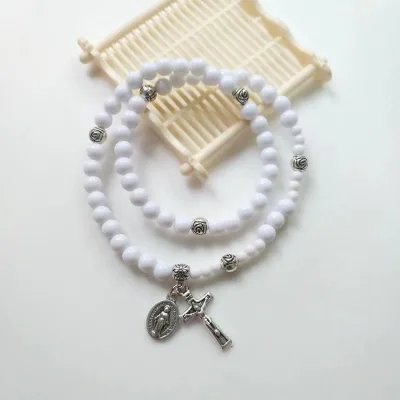
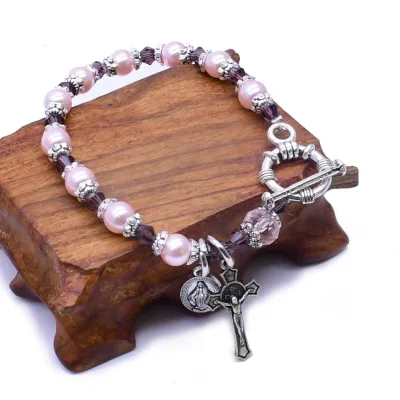
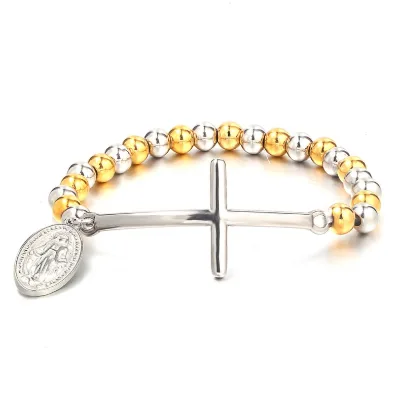
Wholesale Religious Jewelry Cross - border Jewelry Crystal Bracelet Cross Pendant Elastic Bracelet
$0.30 - $1.50
MOQ: 100 Minimum
Yiwu Feiling Jewelry Co., Ltd.
- Trading Company
- Zhejiang, China
- Lead time15 days
- Avg. response≤ 3h
Main productsbracelet,necklace,earring,rings,sunglasses
Main marketsNorth America(30.00%), South America(15.00%), Central America(10.00%), Western Europe(8.00%), Eastern Europe(7.00%), Southern Europe(6.00%), Northern Europe(5.00%), Africa(5.00%), Southeast Asia(5.00%), Mid East(5.00%), South Asia(2.00%), Eastern Asia(2.00%)
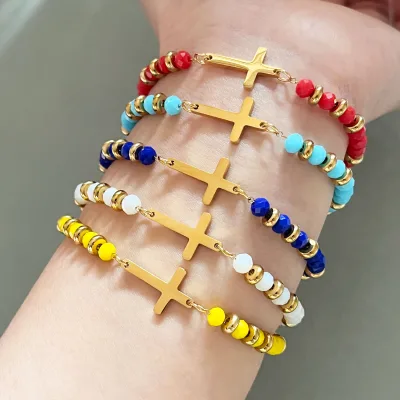
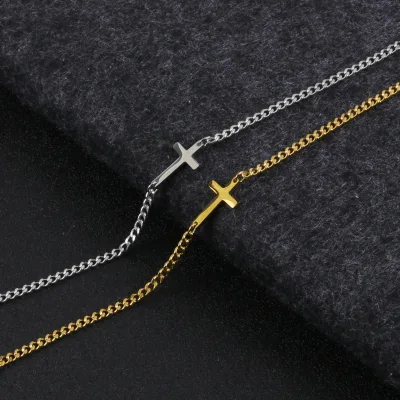
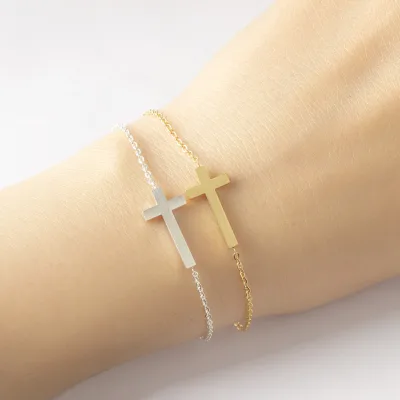
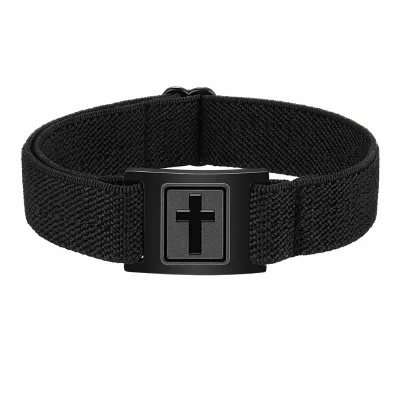
Religion Jewelry Christian Cross Charm Adjustable Stainless Steel Jesus Cross
$1.5594 - $1.8665
MOQ: 12 pieces
Yiwu Aimeng Accessories Co., Ltd.
- Trading Company
- Zhejiang, China
- Lead time15 days
- Avg. response≤ 6h
Main productsJewelry,hair accessory,glasses,whatch
Main marketsNorth America(80.00%), Western Europe(12.00%), South Asia(1.00%), South America(1.00%), Eastern Asia(1.00%), Mid East(1.00%), Oceania(1.00%), Africa(1.00%), Southeast Asia(1.00%), Eastern Europe(1.00%)

Jinjiang Jiayi Supply Chain Management Co., Ltd.
- Verified by BV
- Trading Company
- China Fujian
- Lead time30 days
- Avg. response≤ 2h
Main productsGift, Shoe, Garment, Machine
Main marketsDomestic
Yiwu Fansheng Trading Co., Ltd.
- Trading Company
- Zhejiang, China
- Lead time7 days
- Avg. response≤ 1h
Main productsGifts & Crafts,Jewelry accessories,Crown tiaras,Fashion jewelry,Headwear
Main marketsNorth America(30.00%), Western Europe(25.00%), Mid East(15.00%), Oceania(6.00%), Northern Europe(5.00%), South America(5.00%), Southern Europe(5.00%), Africa(5.00%), Eastern Europe(4.00%)

Guangdong Kalen Jewelry Company Limited
- Verified by SGS
- Combined
- China Guangdong
- Lead time30 days
- Avg. response≤ 5h
Main productsStainless Steel Jewelry, Fashion Accessories, Bracelets, Necklaces, Rings, Earrings, Pendants, Bangles, Jewelry Sets, Cufflinks
Main marketsSouth America,Europe,Australia,North America


Rock Retro Christian Cross Byzantine Emperor Chain Stainless Steel Men's Bracelet
$6.06 - $6.72
MOQ: 50 Pieces
- Trading Company
- Zhejiang, China
- Lead time25 days
- Avg. response≤ 4h
Main productsNecklace,Bracelet,Ring,Earring,Jewelry Accessories
Main marketsDomestic Market(100.00%), South America(100.00%), Mid East(100.00%), North America(34.00%), Western Europe(20.00%), Southern Europe(10.00%), Northern Europe(10.00%), Oceania(10.00%), Southeast Asia(5.00%), Eastern Europe(5.00%), Eastern Asia(2.00%), Central America(2.00%), Africa(1.00%), South Asia(1.00%)

Qingdao Gemopia Jewelry Co., Ltd.
- Combined
- China Shandong
- Lead time30 days
- Avg. response≤ 5h
Main productsGold Jewelry, Silver Ring
Main marketsSouth America,Africa,Southeast Asia/ Mideast,East Asia(Japan/ South Korea),Domestic,Europe,Australia,North America

Shenzhen Hengda Xin Jewelry Co., Ltd.
- Verified by BV
- Combined
- China Guangdong
- Lead time15 days
- Avg. response≤ 2h
Main productsJewelry, Stainless Steel Fittings, Stainless Steel Jewelry, Necklace, Bracelet, Stud Earrings, Ring, Pendant, Fashion Jewelry, Fashion Accessories
Main marketsSoutheast Asia/ Mideast,East Asia(Japan/ South Korea),Domestic,Europe,Australia,North America
Shenzhen Xeebei Cosmetics Co., Ltd.
- Manufacturer, Trading Company
- Guangdong, China
- Lead time20 days
- Avg. response≤ 6h
Main productscrystal loose beads,stone beads,gemstone beads,natural loose beads,loose beads
Main marketsNorth America(30.00%), Eastern Europe(20.00%), Western Europe(20.00%), Domestic Market(15.00%), Southeast Asia(10.00%), South America(5.00%)

Chinapack Ningbo Import & Export Co., Ltd.
- Verified by SGS
- Trading Company,Manufacturer/Factory
- China Zhejiang
- Lead time23 days
- Avg. response≤ 17h
Main productsSnowboard, Water Bottle, Promotional Hats, Glass Bottle, Ski Set, Snowboot, Snowboard Binding, Home Sock, Hood, Scarf
Main marketsSouth America,Eastern Europe,North America,Southeast Asia,Eastern Asia,Oceania,Western Europe

- Verified by SGS
- Manufacturer/Factory
- China Zhejiang
- Lead time30 days
- Avg. response≤ 2h
Main productsNecklace, Bracelets, Earring, Ring, Brooch, Phone Lanyard, Key Chain, Body Jewelry, Hair Clip, Hair Band
Main marketsSouth America,Eastern Europe,Mid East,North America,Southeast Asia,Eastern Asia,Oceania,Western Europe,Africa

Shenzhen Amengwei Jewelry Co., Ltd.
- Trading Company,Manufacturer/Factory
- China Guangdong
- Lead time23 days
- Avg. response≤ 18h
Main productsBody Piercing Jewelry, Hinged Segment Ring, Nose Ring Belly Ring, Stainless Steel Jewelry, Labret Lip Ring, Earring, Necklace, Bracelet, Ring
Main marketsSouth America,Eastern Europe,Mid East,North America,Southeast Asia,Eastern Asia,Oceania,Western Europe,Africa

- Verified by CTI
- Trading Company
- China Zhejiang
- Lead time15 days
- Avg. response≤ 6h
Main productsJewelry, Brooch, Belt, Necklace, Agent, Bracelet, China Trim, China Ring, China Hair Accessory, China Earring
Main marketsSouth America

Jiuya Huitong (Qingdao) International Trade Co., Ltd.
- Verified by SGS
- Trading Company,Manufacturer/Factory
- China Shandong
- Lead time90 days
- Avg. response≤ 5h
Main productsClothes, Abaya, Camping Tent, Camping Furniture, Solar Light
Main marketsSouth America,Eastern Europe,Mid East,North America,Southeast Asia,Eastern Asia,Oceania,Western Europe,Africa

Retro Chinese Ethnic Style Charm Bracelets White Natural Freshwater Pearl Bracelet
$1.00 - $5.00
MOQ: 500 Pieces


YIWU JINYE IMPORT AND EXPORT CO., LTD
- Verified by SGS
- Trading Company
- China Zhejiang
- Lead time15 days
- Avg. response≤ 25h
Main productsBangle, Wrist Band, Bracelet, Fashion Jewelry
Main marketsNorth America

Fashion Jewelry Bohemian Ethnic Style Pearl Roses Multi-Layered Stretch Bracelet
$1.50 - $1.80
MOQ: 20 Pieces


Dianzi Jewelry Manufacture Co., Ltd
- Verified by CTI
- Manufacturer/Factory
- China Guangdong
- Lead time23 days
- Avg. response≤ 9h
Main products925 Silver Collection, Brass Collection, Moissanite Diamond Collection, Lab Grown Diamond Collection, Zircon Collection, Pearl Collection, Fashion Accessories, Jewellery Sets
Main marketsSouth America,Eastern Europe,Mid East,North America,Southeast Asia,Eastern Asia,Oceania,Western Europe,Africa


Fashion White Gold Plated Cuban Link Bracelet CZ Stone Bling Bead Jewelry AAA Stone Charm Bracelet
$28.00 - $32.00
MOQ: 30 Pieces

Fujian Junqing Trade Co., Ltd.
- Verified by CTI
- Trading Company
- China Fujian
- Lead time15 days
- Avg. response≤ 3h
Main productsDesign Necklace, Design Earring, Design Bracelet Bangle, Design Hair Accessories, Shoes, Bags, Watches, Sunglasses, Home Decoration
Main marketsSoutheast Asia/ Mideast,Europe,North America

Vintage Handmade Bracelet Bohemian Natural Beautiful Pearl 6mm Color Soft Ceramic Elastic Bracelet
$0.50 - $1.25
MOQ: 20 Pieces


Yiwu Hanluan Jewelry Co., Ltd.
- Verified by SGS Group
- Trading Company
- Lead time15 days
- Avg. response≤ 2h
Main productsJewelry, Hats, Lanyard, keychian
Main marketsNorth America(80%), Western Europe(15%), Southeast Asia(3%)
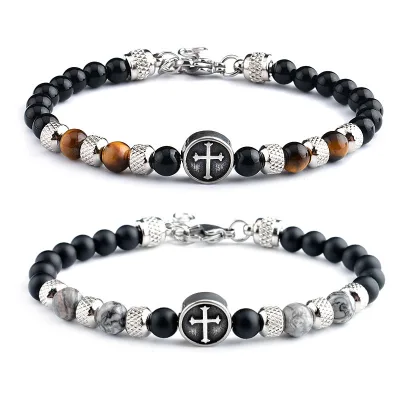
$1.5714 - $1.7781
MOQ: 10 pieces

Putian Chengqiu Hui Trading Co., Ltd.
- Verified by TUVRHEINLAND
- Trading Company
- China Fujian
- Lead time15 days
- Avg. response≤ 5h
Main productsSports Shoes, Watch, Slippers, Bags, Training Clothes, Clothing Design, Hat, Jewel, Sunglasses, Belt
Main marketsDomestic

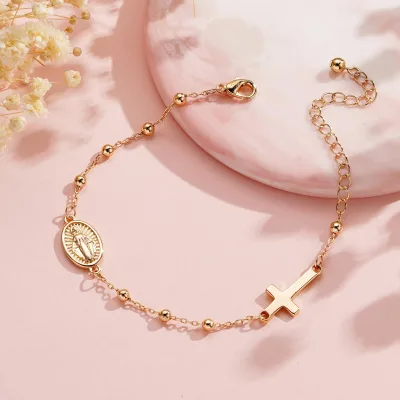
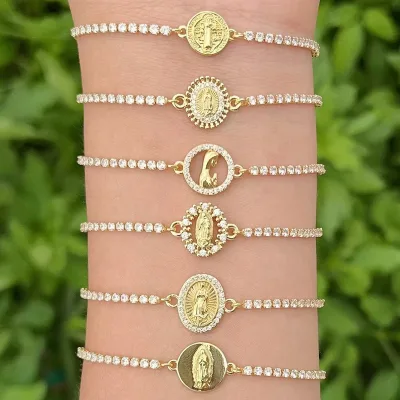
Religious Christian Jewelry Virgin Mary Rosary Pendant Gold Plated Stainless Steel Bracelet Chain
$2.57 - $3.23
MOQ: 2 Pieces

Bohemian Style Turquoise Bracelet Moonstone Beaded Chain Charmed Beaded Bracelets
$1.51 - $2.21
MOQ: 2 Pieces
Shenzhen Fendi Jewelry Co., Ltd.
- Manufacturer, Trading Company, Distributor/Wholesaler
- Guangdong, China
- Lead time10 days
- Avg. response≤ 4h
Main productsFashion Jewelry,Body Jewelry,Silicone Gift,Bags,Clothes
Main marketsSouth America(20.00%), North America(20.00%), Central America(10.00%), Mid East(10.00%), Northern Europe(5.00%), Southeast Asia(5.00%), Western Europe(5.00%), Southern Europe(5.00%), Eastern Europe(5.00%), Domestic Market(5.00%), South Asia(5.00%), Eastern Asia(3.00%), Oceania(1.00%), Africa(1.00%)

- Manufacturer, Trading Company
- Zhejiang, China
- Lead time20 days
- Avg. response≤ 5h
Main productsBracelet,Necklace,Anklet,Key Ring
Main marketsNorth America(59.60%), Western Europe(37.80%), Africa(1.60%), Northern Europe(0.50%), Oceania(0.50%)
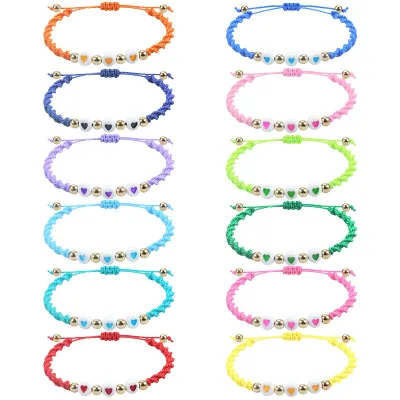
$0.4015 - $0.5662
MOQ: 10 pieces
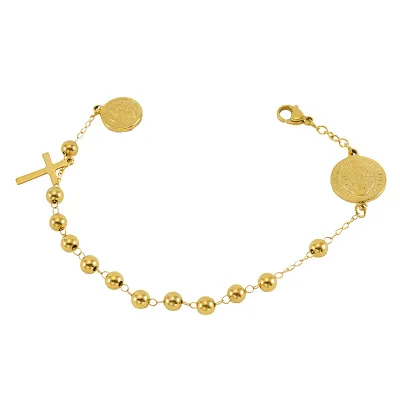
$1.4606 - $1.522
MOQ: 100 pieces
Guangzhou Charmingbeads Jewelry Co., Ltd.
- Manufacturer, Trading Company
- Guangdong, China
- Lead time8 days
- Avg. response≤ 7h
Main productsJewelry Accessory
Main marketsNorth America(45.00%), South America(8.00%), Western Europe(8.00%), Central America(7.00%), Northern Europe(7.00%), South Asia(5.00%), Oceania(5.00%), Eastern Europe(5.00%), Mid East(3.00%), Southeast Asia(3.00%), Eastern Asia(2.00%), Africa(2.00%)
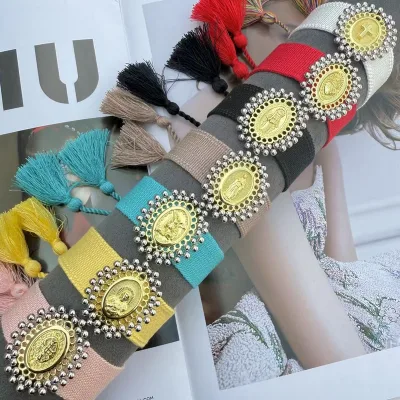
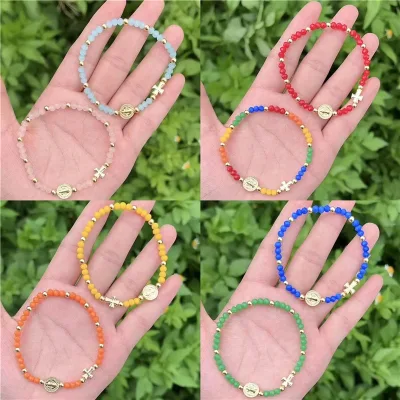
$1.00 - $3.00
MOQ: 30 Minimum
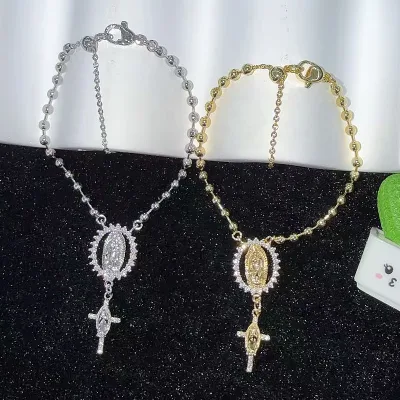
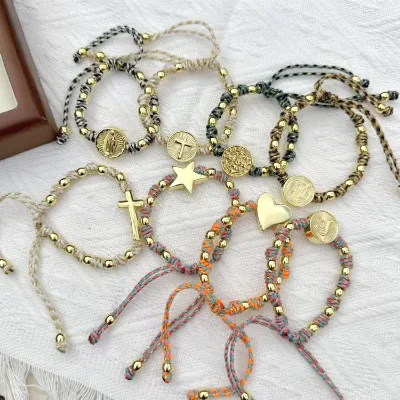

East Sunrise Jewelry Co., Limited
- Verified by SGS
- Manufacturer/Factory
- China Guangdong
- Lead time23 days
- Avg. response≤ 8h
Main productsPendant, Necklace, Bracelet, Ring, Earring, Carving, Ornament, Loose Bead, Jewelry, Semi-Precious Stones
Main marketsSouth America,Eastern Europe,Mid East,North America,Southeast Asia,Eastern Asia,Oceania,Western Europe,Africa


Semi Precious Stone 12mm Beads Bracelet Car Hanging Accessories 33 Muslim Rosary Bracelets
Negotiable
MOQ: 100 Pieces


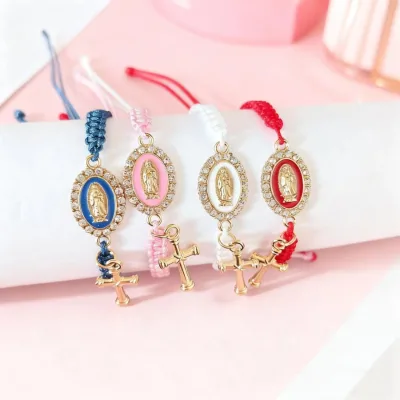
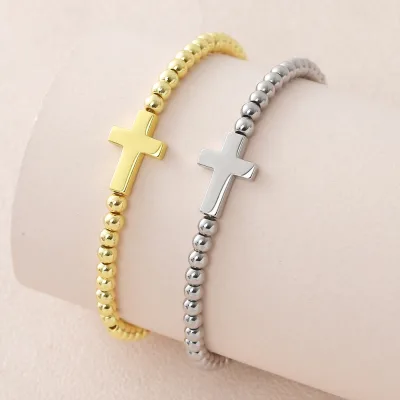
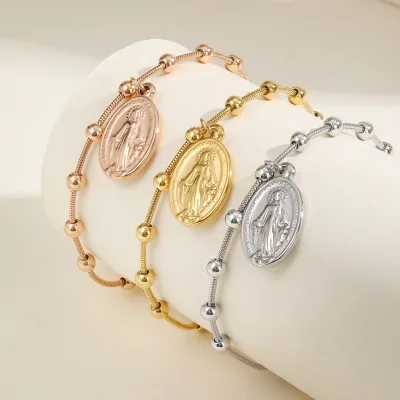
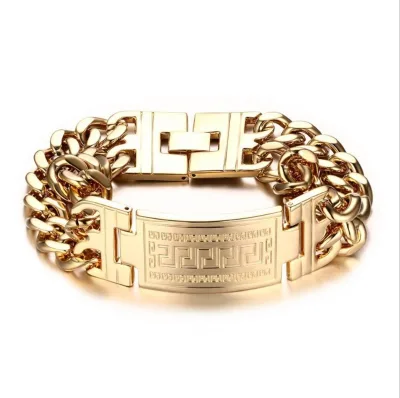
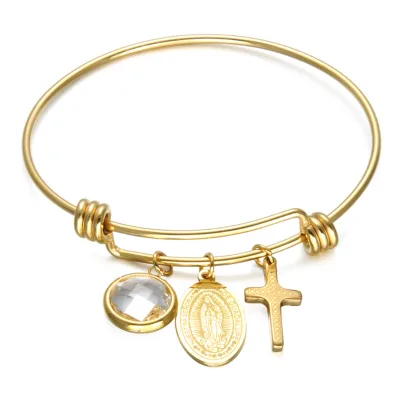


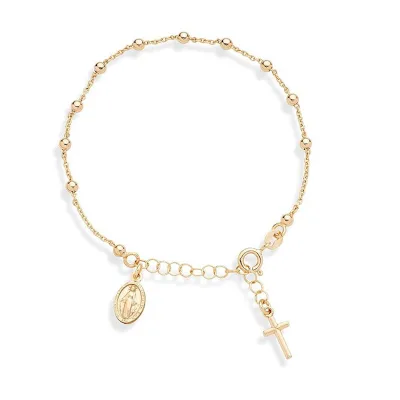
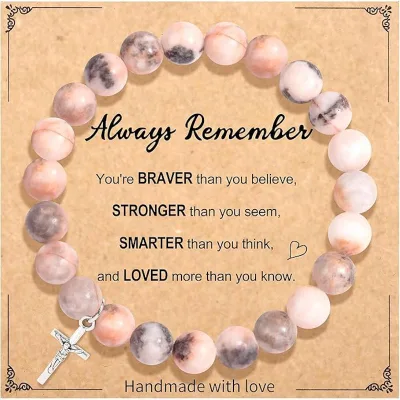
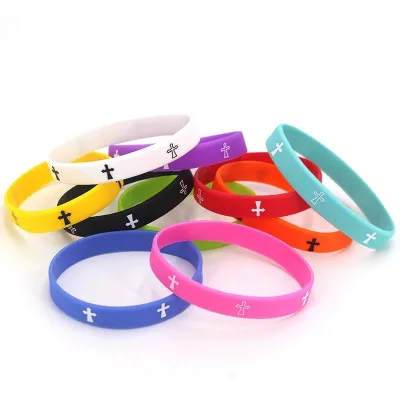


Comprehensive Sourcing Guide
Christian Ethnic Cross Charm Bracelet Supplier Concentration and Factory Types
The sourcing landscape for Christian ethnic cross charm bracelets reveals a distinct concentration of manufacturing activity within specific industrial clusters in China, with Zhejiang emerging as a primary hub for this specialized jewelry category. Suppliers operating in this region often demonstrate a strong capability in producing intricate metalwork and beaded designs that define the ethnic and religious aesthetic of these items. The presence of both trading companies and direct manufacturers in this geographic area allows buyers to access a diverse range of production capabilities, from high-volume bead stringing to detailed metal casting for cross charms. This concentration facilitates efficient supply chain logistics, as raw materials such as zinc alloy, stainless steel, and various beads are readily available within the local ecosystem. Buyers evaluating suppliers in this region should note that the density of competitors often drives competitive pricing and faster turnaround times for standard designs. However, the prevalence of trading companies in these clusters means that buyers must carefully distinguish between direct factory capabilities and intermediary services to ensure they are getting the most accurate information regarding production capacity and quality control processes.
Understanding the company type is crucial when assessing these suppliers, as the structure of the business directly impacts the buyer’s experience and the final product quality. Many suppliers in this sector identify as trading companies, which can offer the advantage of sourcing multiple product types, such as medals, lapel pins, and rosaries, under one roof. This diversification can be beneficial for buyers looking to consolidate orders for various religious accessories. Conversely, suppliers with a focus on specific jewelry types, such as bracelets, necklaces, and earrings, may offer deeper expertise in those particular categories. The distinction between a pure trading entity and a manufacturer with trading arms is significant for negotiations on customization and minimum order quantities. Buyers should inquire about the supplier’s direct involvement in the manufacturing process, particularly for complex steps like plating, stone setting, or custom mold creation. Verifying whether the supplier has in-house facilities for key production stages ensures better control over quality and timeline adherence, which is essential for maintaining the integrity of religious jewelry that often requires precise detailing and durable finishes.
How to Verify Christian Ethnic Cross Charm Bracelet Suppliers
Verifying the authenticity and reliability of suppliers requires a multi-layered approach that goes beyond surface-level profile information. Buyers should prioritize suppliers who provide transparent evidence of their operational capabilities, such as detailed product attributes and clear communication channels. One critical aspect of verification is assessing the supplier’s response time, which serves as an indicator of their operational efficiency and customer service commitment. A supplier with a rapid response time, such as those reporting within three to seven days, is often more likely to be engaged and responsive throughout the procurement process. This metric can help buyers gauge the supplier’s ability to handle urgent orders or address last-minute changes in design specifications. Additionally, buyers should look for suppliers who provide comprehensive product details, including specific materials, dimensions, and design elements, as this level of detail suggests a professional approach to product management and quality assurance.
Another vital step in verification is examining the supplier’s main product focus and their ability to provide relevant certifications or standards. While many suppliers may not display explicit certifications on their initial profiles, buyers should actively inquire about compliance with international standards for jewelry, such as lead-free requirements or nickel-free plating, especially for items intended for sensitive skin. Suppliers who are willing to provide test reports or adhere to specific quality standards demonstrate a higher level of professionalism and commitment to product safety. Furthermore, buyers should verify the supplier’s establishment year and business history to assess their stability and experience in the market. A supplier with a longer track record is often more reliable in terms of consistent quality and financial stability. It is also advisable to check for any available escrow services or trade assurance programs, which provide an additional layer of security for financial transactions. By combining these verification steps, buyers can build a more accurate picture of a supplier’s reliability and suitability for their specific sourcing needs.
What to Compare Across Christian Ethnic Cross Charm Bracelet Suppliers
When evaluating multiple suppliers for Christian ethnic cross charm bracelets, buyers must systematically compare key operational metrics to identify the most suitable partner for their specific requirements. One of the most critical factors to compare is the minimum order quantity (MOQ), which can vary significantly across different suppliers and product lines. Some suppliers may offer low MOQs, such as 12 or 100 pieces, which are ideal for small businesses or initial market testing, while others may require higher volumes, such as 500 pieces, to achieve economies of scale. Understanding these MOQ differences allows buyers to align their inventory strategy with their budget and sales projections. Additionally, buyers should compare the lead times offered by different suppliers, as this directly impacts their ability to meet customer demand and manage stock levels. Lead times can range from standard production periods to expedited options, and understanding these variations helps in planning order cycles more effectively.
Price is another essential dimension for comparison, but it should be evaluated in conjunction with other factors such as material quality and customization options. Suppliers may offer different price points based on the complexity of the design, the type of materials used, and the level of customization required. For instance, suppliers offering gold-plated zinc alloy bracelets may have different pricing structures compared to those providing stainless steel or beaded options. Buyers should also compare the range of products offered by each supplier, as some may specialize in specific types of religious jewelry, such as rosaries or medals, while others offer a broader selection. This specialization can influence the supplier’s expertise and ability to deliver high-quality products in their niche. Furthermore, buyers should assess the supplier’s ability to provide sample making services, which is crucial for verifying product quality before committing to large orders. By comparing these diverse factors, buyers can make informed decisions that balance cost, quality, and operational efficiency.
Common Christian Ethnic Cross Charm Bracelet Sourcing Risks
Sourcing Christian ethnic cross charm bracelets involves several inherent risks that buyers must proactively manage to ensure a successful procurement process. One significant risk is the potential for quality inconsistencies, particularly when dealing with suppliers who have varying levels of expertise in jewelry manufacturing. The intricate nature of cross charms and the variety of materials used, such as zinc alloy, stainless steel, and various beads, can lead to discrepancies in finish, durability, and aesthetic appeal if quality control measures are not strictly enforced. Buyers should be vigilant about verifying the materials used in production, as some suppliers may use lower-grade materials that do not meet the expected standards for religious jewelry. This risk is compounded by the fact that many suppliers may not provide detailed material specifications or test reports, making it difficult for buyers to assess the true quality of the products before shipment.
Another common risk is the potential for delays in production and delivery, which can disrupt supply chains and impact customer satisfaction. Lead times can be affected by various factors, including raw material availability, production capacity, and logistical challenges. Buyers should be aware that some suppliers may quote optimistic lead times that do not account for potential bottlenecks or unforeseen delays. Additionally, the risk of miscommunication regarding design specifications can lead to products that do not meet the buyer’s expectations. This is particularly relevant for customized items, where precise details such as plating color, bead size, and charm design are critical. To mitigate these risks, buyers should establish clear communication channels and request detailed product samples before placing large orders. It is also advisable to include specific quality assurance clauses in contracts to ensure that suppliers adhere to agreed-upon standards and timelines. By anticipating and addressing these risks, buyers can minimize disruptions and ensure a smoother sourcing experience.
Christian Ethnic Cross Charm Bracelet Regional Sourcing and Logistics
The regional concentration of suppliers in Zhejiang, China, offers distinct advantages for sourcing Christian ethnic cross charm bracelets, particularly in terms of logistics and supply chain efficiency. This industrial hub is well-connected to major shipping ports, facilitating the export of goods to global markets. Buyers sourcing from this region can benefit from established logistics networks that streamline the transportation of finished products, reducing transit times and costs. The proximity of suppliers to raw material sources and manufacturing facilities also contributes to faster production cycles, as materials can be sourced and processed locally without significant delays. This regional advantage is particularly beneficial for buyers who require quick turnaround times or need to manage inventory levels closely. Additionally, the density of suppliers in this area fosters a competitive environment that can drive innovation and improvement in production techniques, further enhancing the quality and variety of available products.
However, buyers must also consider the logistical implications of sourcing from this region, including customs clearance and international shipping regulations. While the infrastructure in Zhejiang is robust, international shipments can still be subject to delays due to customs inspections or regulatory changes. Buyers should work with suppliers who have experience in exporting to their target markets and who can provide accurate documentation to facilitate smooth customs clearance. It is also important to consider the packaging and labeling requirements of the destination country, as non-compliance can lead to additional costs or delays. Buyers should ensure that their suppliers adhere to these requirements and provide clear instructions for packaging to protect the jewelry during transit. By understanding the logistical landscape of the Zhejiang region, buyers can optimize their supply chain and ensure that their products reach customers efficiently and in good condition.
Christian Ethnic Cross Charm Bracelet Commercial Terms and Order Planning
Effective order planning for Christian ethnic cross charm bracelets requires a thorough understanding of the commercial terms offered by suppliers, including payment structures, warranty policies, and after-sales support. Buyers should negotiate clear terms regarding payment methods, such as the use of escrow services or trade assurance, to protect their financial interests. These services provide a secure platform for transactions, ensuring that funds are only released to the supplier upon satisfactory delivery of the goods. Additionally, buyers should clarify the supplier’s policy on defects and returns, as this can significantly impact the overall cost of sourcing. Suppliers who offer robust after-sales support and clear return policies demonstrate a commitment to customer satisfaction and product quality. Understanding these commercial terms allows buyers to manage their cash flow and risk exposure more effectively, ensuring that they are not caught off guard by unexpected costs or disputes.
Furthermore, buyers should plan their orders based on the supplier’s production capacity and lead times to avoid stockouts or overstock situations. By aligning order quantities with sales forecasts and considering the supplier’s MOQ and lead time, buyers can optimize their inventory levels and reduce holding costs. It is also advisable to establish a long-term relationship with a reliable supplier, as this can lead to better pricing, priority production, and improved communication. Regularly reviewing and updating order plans based on market trends and supplier performance ensures that the sourcing strategy remains agile and responsive to changing conditions. By focusing on these commercial and planning aspects, buyers can build a sustainable and efficient sourcing operation for Christian ethnic cross charm bracelets, ultimately driving business growth and customer satisfaction.
FAQs
What is the price range for Christian cross charm bracelets?
Prices for these bracelets typically range from $0.26 to $2.15 per unit. The cost varies based on materials like zinc alloy, stainless steel, or wood beads. Higher-priced items often feature gold plating or gemstone accents. Buyers should check specific product listings for exact pricing tiers and volume discounts.
What is the minimum order quantity for these bracelets?
Minimum order quantities vary significantly by supplier and product type. Some suppliers require a minimum of 500 pieces for wooden bead styles, while others accept orders as low as 12 units for stainless steel chains. Buyers must verify the specific MOQ for each product listing before placing an order.
Where are these bracelets manufactured?
Most suppliers manufacturing these items are located in Zhejiang, China. This region is a known hub for jewelry production, offering efficient supply chains for metal and bead accessories. Buyers can filter search results by this location to find factories with established production capabilities for religious jewelry items.
How long does production take for these orders?
Standard lead times for these bracelets are approximately 15 days. This duration covers material sourcing, manufacturing, and quality control processes. Buyers should confirm specific delivery schedules with suppliers, as rush orders or custom designs may require additional time beyond the standard production window.
What materials are used in these bracelets?
Common materials include zinc alloy, stainless steel, wood beads, and plastic. Some designs feature gold or silver plating, while others use imitation pearls or gemstones. Buyers should review product attributes to confirm material composition, especially if they require hypoallergenic options or specific durability standards for their market.
How quickly do suppliers respond to inquiries?
Supplier response times typically range from 3 to 7 days. Faster response rates often indicate more active trading companies or factories. Buyers should prioritize suppliers with quicker response times to ensure efficient communication regarding pricing, customization, and shipping details during the sourcing process.