Source IGI Certified Custom Diamond Ring for Wedding, Gift, Collection
Compare 30 IGI Certified Custom Diamond Ring options from Zhengzhou factories. Buyers can review specifications like 18K gold settings, D color grades, and delivery times for wedding, gift, and collection uses; compare the available evidence and request quotations based on your requirements.
Updated
Key considerations
Products List


Igi Certified 18K Gold CVD Diamond Artificial Jewellery Lab Diamond Ring
$750.00 - $1300.00
MOQ: 1 Pieces


Custom Ring Jewelry Diamond Price Synthetic Diamond Gold Ring for Women
$799.00 - $999.00
MOQ: 1 Pieces
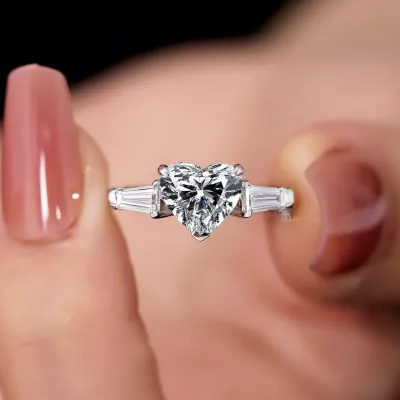
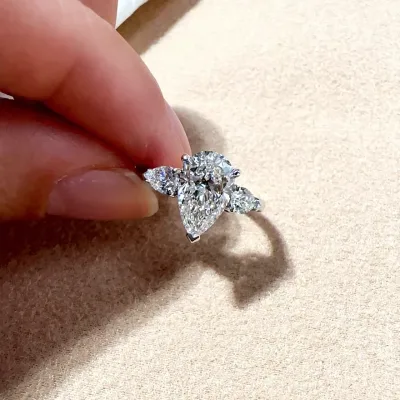
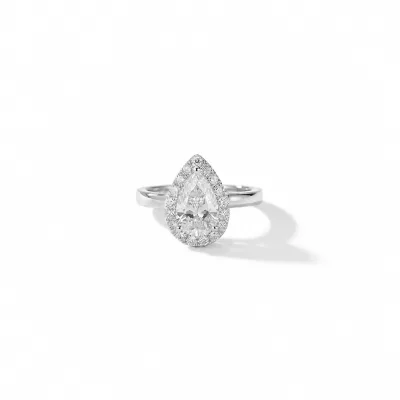
IGI Lab Grown Diamond Water Drop Three Stones Pear-Shaped Three Lives Wedding Ring for Women
$1332.0519 - $2459.1727
MOQ: 1 Minimum
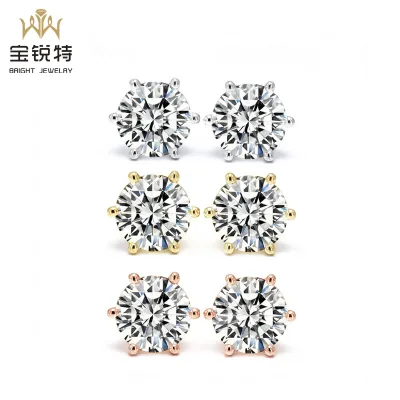
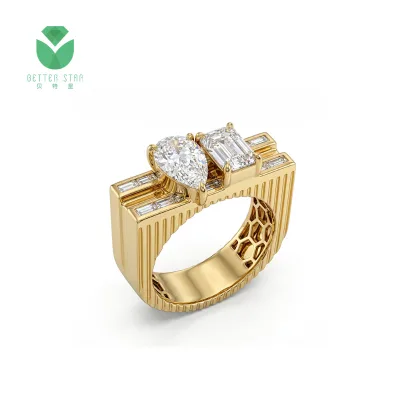
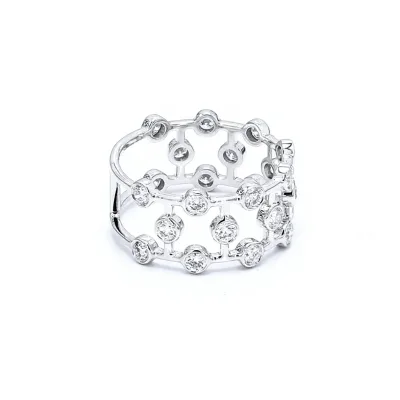
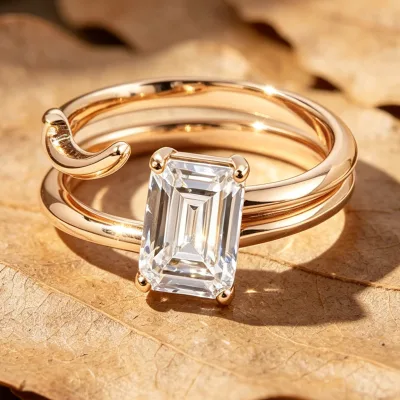
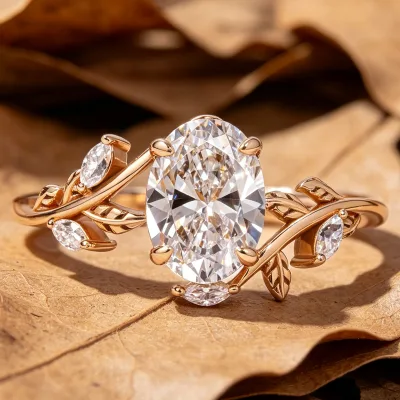
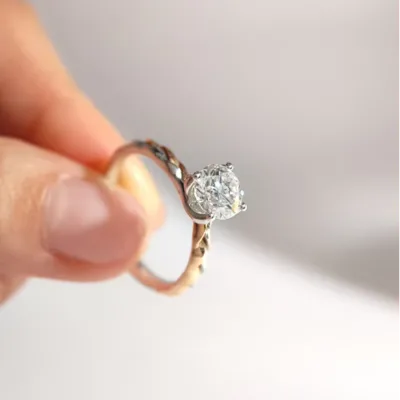
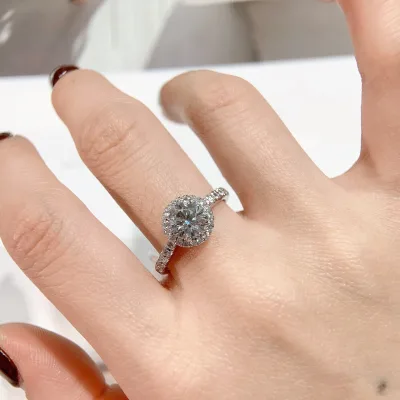
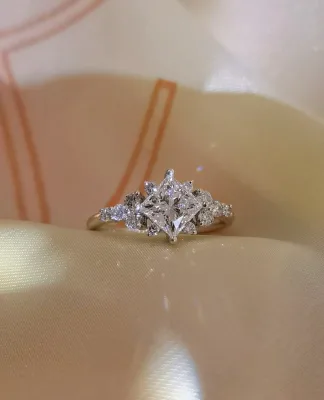
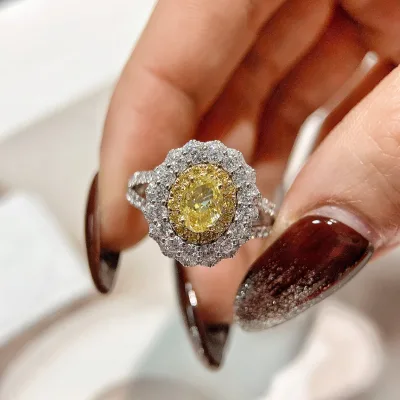
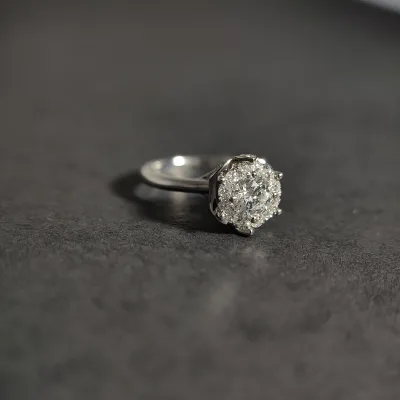
Sustainable Lab Grown Diamond Ring in 18K White Gold Eco-Friendly Jewelry
$375.00 - $400.00
MOQ: 1 pieces
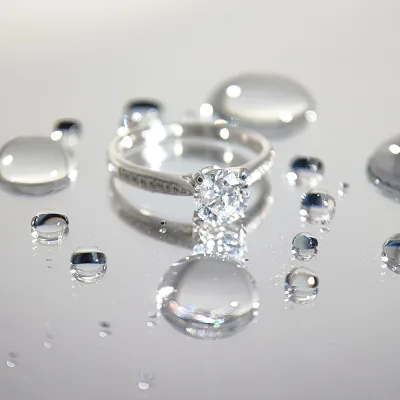
Elegant 18K White Gold Lab-Created Diamond Engagement Rings Classic Style
$430.00 - $500.00
MOQ: 2 pieces
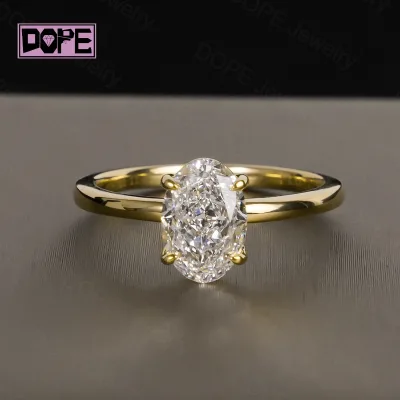
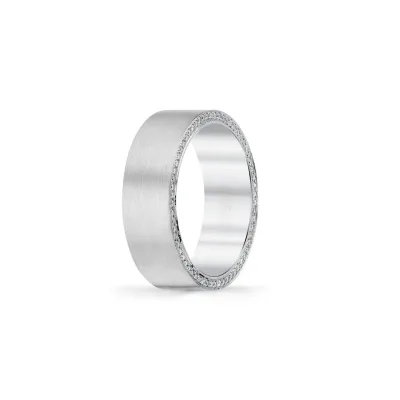
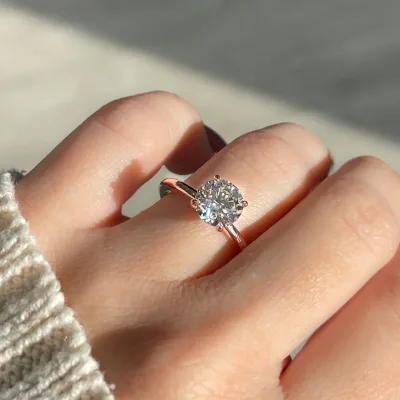


Comprehensive Sourcing Guide
IGI Certified Custom Diamond Ring Sourcing Guide
Procuring IGI certified custom diamond rings requires a disciplined approach to verifying both the gemological integrity of the stones and the manufacturing precision of the setting. Buyers must prioritize suppliers who provide transparent access to independent laboratory reports, ensuring that the diamond’s cut, color, clarity, and carat weight align with the stated specifications. This verification process is critical for maintaining brand reputation and ensuring that the final product meets the high expectations of discerning retail customers who rely on third-party certification for trust and value assessment.
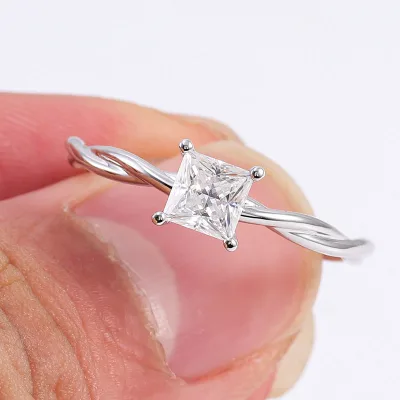
Beyond the stone itself, the sourcing strategy must account for the customization capabilities of the manufacturer, including metal purity, setting styles, and finishing techniques. The ability to produce rings with specific design elements, such as halo or four-prong settings, while maintaining consistent quality across batches, is a key indicator of a supplier’s technical maturity. Buyers should evaluate the factory’s experience in handling delicate gem mounting processes and their capacity to deliver complex designs without compromising the structural integrity of the ring band or the security of the stone setting.
Product Scope and Observed Listing Signals
The current market landscape for custom diamond rings features a diverse range of products, with observed price points ranging from approximately $375 to $2,459 USD, reflecting variations in material quality and design complexity. The minimum order quantities typically start as low as one unit, allowing for flexible sampling and small-batch testing, which is essential for buyers validating supplier capabilities before committing to larger production runs. This accessibility enables procurement teams to assess the physical quality of samples, including the finish of the metal and the precision of the stone setting, without significant upfront inventory risk.
Product listings indicate a strong focus on fashion and elegant styles, with common attributes including transparent or white-colored stones and ring bands crafted from 18K white gold or 18K gold. The observed inventory includes rings with carat weights between 1.50 and 2.00 carats, as well as smaller variants down to 0.5 carats, catering to different market segments. Design elements such as 3D designs, simple silhouettes, and cocktail ring styles are prevalent, with setting types like four-prong and halo configurations being standard offerings. These signals suggest a supplier base capable of producing versatile collections that appeal to both contemporary fashion trends and traditional jewelry preferences.
Technical Specifications to Verify
When evaluating technical specifications, buyers must rigorously verify the diamond’s grading attributes, particularly color and clarity, which significantly impact the final appearance and value of the ring. The observed data indicates a range of clarity grades from VS to VVS, with color grades often specified as D, representing the highest tier of colorlessness. It is crucial to confirm that the stated cut grade, such as Very Good Cut, corresponds with the actual light performance of the stone, as this attribute is not always explicitly detailed in basic product listings but is vital for optical brilliance.
The metal specifications and structural details of the ring band also require close inspection to ensure durability and aesthetic consistency. Buyers should verify the exact karat weight of the gold, distinguishing between 18K white gold and other gold alloys, and confirm the presence of specific design features like polishing processes or gem mounting techniques. Additionally, the ring size, often observed in standard sizes like 12# or 14#, must be checked for accuracy, and the inclusion of accent stones, such as 0.337CT/34p diamonds, should be validated against the total carat weight and visual balance of the piece.
Compliance and Safety Documentation
Compliance with international gemological standards is paramount, with IGI and NGTC certifications serving as primary indicators of stone authenticity and quality. Buyers must ensure that each diamond is accompanied by a valid certificate from a recognized laboratory, which provides an unbiased assessment of the four Cs. This documentation is not merely a formality but a critical component of the product’s value proposition, protecting the buyer from misrepresentation and providing a verifiable record for end consumers who demand transparency in their jewelry purchases.
In addition to gemological certificates, buyers should verify that the manufacturing processes adhere to relevant safety and quality standards, particularly regarding the use of metals and alloys. While specific safety certifications may not always be listed, the origin of the product in Zhengzhou, Henan, China, suggests a mature industrial ecosystem with established quality control protocols. Buyers should request evidence of factory direct sales practices and inquire about the specific standards applied to the production process, such as the 2-carat or 0.5-2ct standards observed, to ensure consistency and reliability in the supply chain.
Cost Drivers and Commercial Terms
The cost structure of custom diamond rings is influenced by several key factors, including the carat weight, metal type, and the complexity of the setting design. Observed delivery times range from 15 to 25 days, which impacts cash flow and inventory planning for buyers. Longer lead times may be associated with more intricate designs or higher carat weights, requiring buyers to align their procurement schedules with their sales forecasts to avoid stockouts or excess inventory. Understanding these timeframes is essential for managing customer expectations and ensuring timely delivery of orders.
Pricing variations are also driven by the inclusion of additional features, such as accent stones or specific finishing processes like polishing. Buyers should negotiate clear terms regarding packaging, which typically includes jewelry boxes and strong cartons to protect the product during transit. The factory’s experience, often cited as more than 15 years, may correlate with more efficient production processes and potentially better pricing, but buyers must balance cost considerations with the need for high-quality craftsmanship and reliable service levels.
Supplier Qualification and Quality Control
Supplier qualification should focus on assessing the factory’s direct sales capability and its track record in producing high-quality custom jewelry. Buyers should verify the factory’s experience and inquire about their quality control procedures, particularly for gem mounting and metal finishing. The presence of specific product models, such as Ring-020 or Ring-033, indicates a standardized production process, but buyers must ensure that these models can be customized to meet specific design requirements without compromising quality.
Quality control checks should include a thorough inspection of the ring’s structural integrity, the security of the stone setting, and the accuracy of the diamond’s certification. Buyers should request samples to evaluate the finish of the metal, the symmetry of the setting, and the overall aesthetic appeal of the piece. Additionally, verifying the supplier’s ability to handle different ring sizes and styles, such as fashion or simple designs, is crucial for ensuring that the supplier can meet the diverse needs of the buyer’s customer base.
Long-Term Procurement Checks
Long-term procurement success depends on establishing a reliable supply chain that can consistently deliver high-quality products at competitive prices. Buyers should monitor supplier performance over time, tracking metrics such as delivery accuracy, product consistency, and responsiveness to issues. Regular audits of the supplier’s quality control processes and certification validity are essential to maintain trust and ensure that the products continue to meet the required standards.
Building a strong relationship with the supplier can also facilitate better collaboration on new designs and improvements in production efficiency. Buyers should engage in ongoing dialogue with the supplier to discuss market trends, customer feedback, and potential innovations in ring design and manufacturing. This collaborative approach can help identify opportunities for cost savings, quality improvements, and new product development, ensuring that the procurement strategy remains aligned with the evolving needs of the market and the buyer’s business objectives.
FAQs
What certifications are available for these diamond rings?
IGI and NGTC certifications are available for these artificial diamond rings. These documents verify the quality and authenticity of the stones used in the jewelry. Buyers can request these certificates to ensure the product meets international standards for clarity and color grades before placing bulk orders.
What is the typical delivery time for custom orders?
The typical delivery time ranges from 15 to 25 days depending on the specific order requirements. This lead time allows the factory to complete polishing, gem mounting, and quality checks. Buyers should account for this duration when planning inventory or coordinating with end customers for timely receipt.
Which ring styles and settings are offered?
Fashion and simple styles are available with four-prong or halo settings. Options include 18K white gold or 18K gold bands in silver, gold, or rose gold colors. These designs cater to wedding, decoration, and gift uses, offering versatile aesthetic choices for different customer preferences and market segments.
What are the minimum order quantity requirements?
The minimum order quantity ranges from 1 to 5 pieces per model. This low MOQ allows buyers to test market demand with minimal risk. It supports small batch production for fashion rings, enabling retailers to diversify their inventory without committing to large initial stock purchases or excessive capital expenditure.
How are the rings packaged for shipping?
Rings are packaged in jewelry boxes and strong cartons to ensure safe transit. This dual-layer packaging protects the delicate 18K gold settings and artificial diamonds from damage. The sturdy outer carton provides additional security during logistics, ensuring the products arrive in pristine condition for resale or direct gifting purposes.
What diamond clarity and color grades are used?
The rings feature D color grade and VS to VVS clarity artificial diamonds. These high-grade stones provide excellent transparency and brilliance. The consistent quality ensures that each piece meets premium standards, making them suitable for elegant cocktail rings and inlaid designs that require superior visual appeal and durability.