Source Golf Cleaning Brush for Heads, Balls, and Clubs
Find 30 verified Golf Cleaning Brush options from Chinese manufacturers. Compare brass, ABS, and nylon models with custom logo capabilities and varying MOQs to select the right tool for cleaning heads, balls, and clubs.
Key considerations
Products List
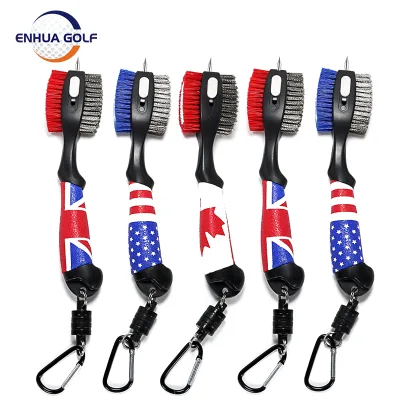
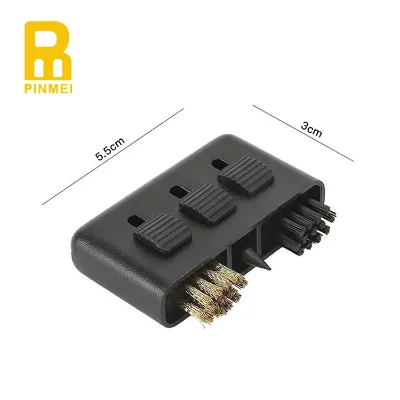
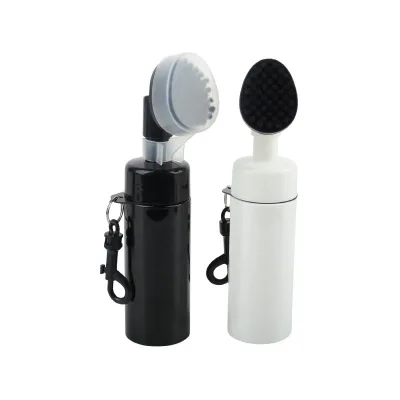
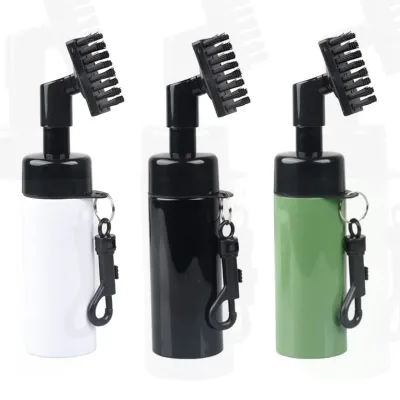
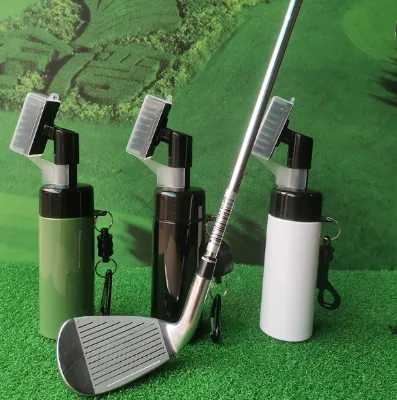
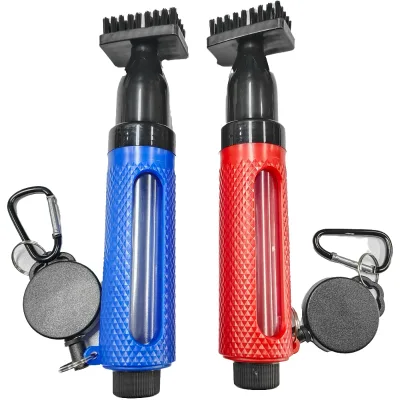
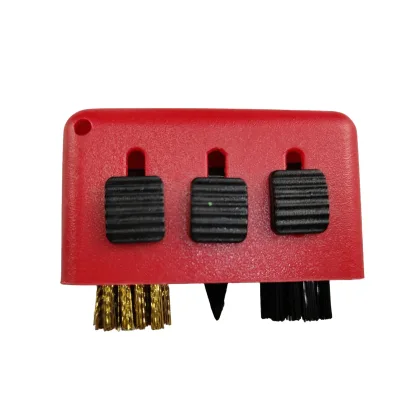
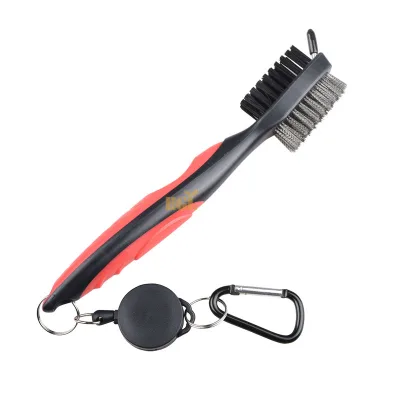
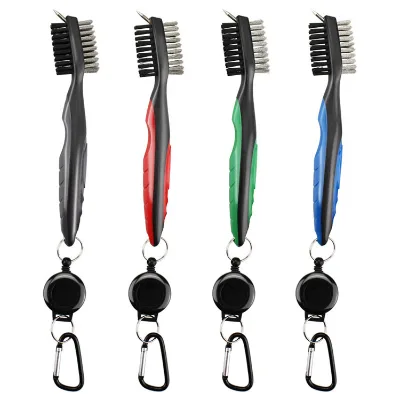
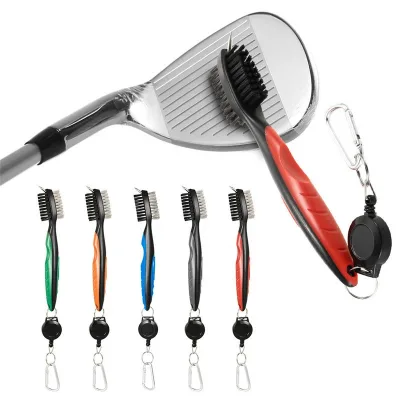
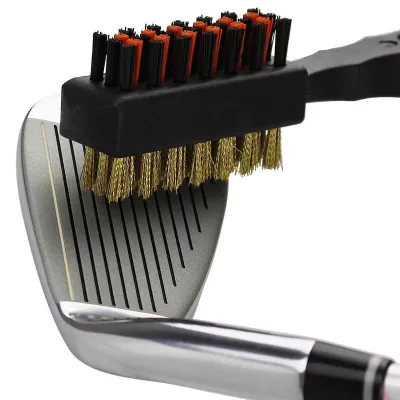
Golf Club Brush groove Cleaner Tools With Carabiner Golf Brush groove Cleaner
$0.55 - $0.89
MOQ: 100 pieces

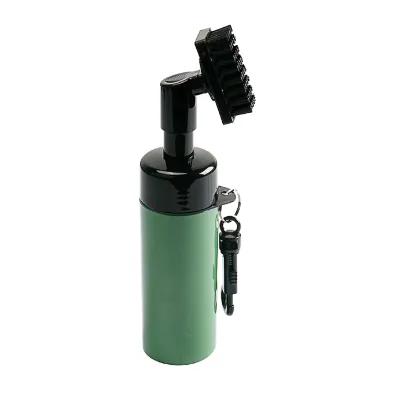
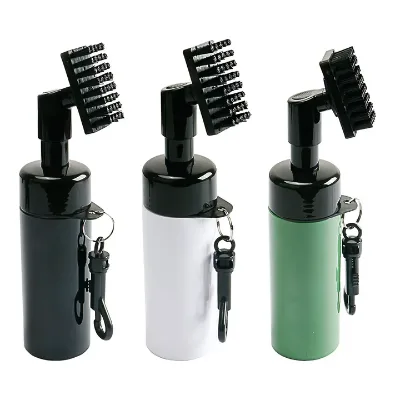
Golf Brush Cleaner with Water Bottle Golf Cleaning Brush with Water Bottle
$3.30 - $3.80
MOQ: 500 Pieces


Factory Wholesale Three Way Golf Brush Cleaner Compact 3-in-1 Golf Club Cleaners
$0.40 - $0.50
MOQ: 100 Pieces


Factory Direct Golf Brushes Two Sided Golf Club Cleaner Golf Club Cleaning Tool
$0.58 - $0.70
MOQ: 100 Pieces
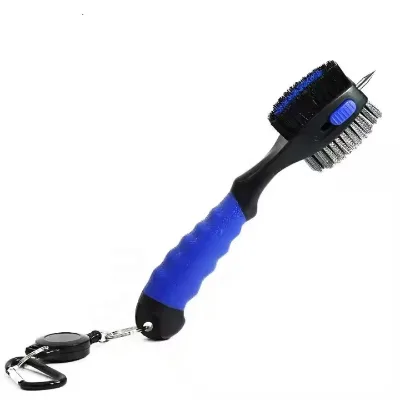


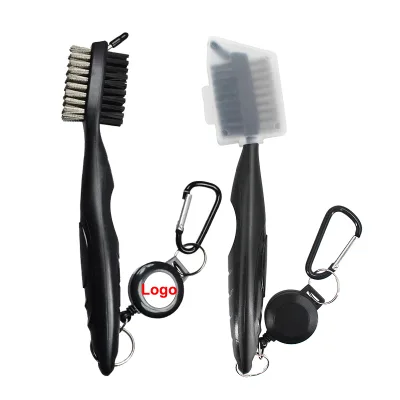


Comprehensive Sourcing Guide
Strategic Sourcing Guide for Golf Cleaning Brushes
The global golf equipment market continues to expand, driving consistent demand for maintenance accessories such as golf cleaning brushes. For B2B procurement professionals, sourcing these items requires a nuanced understanding of material composition, manufacturing capabilities, and supply chain logistics. Unlike mass-market consumer goods, golf cleaning brushes often serve as promotional tools or essential club maintenance kits, necessitating a procurement strategy that balances cost efficiency with brand integrity and functional durability. This guide outlines the critical factors buyers must evaluate when sourcing golf cleaning brushes from international suppliers, focusing on verified product attributes and industry-standard evaluation criteria.
Technical Specifications and Material Composition
The foundation of a successful procurement order lies in the precise definition of technical specifications. Golf cleaning brushes are not monolithic products; they vary significantly in construction based on their intended use, such as cleaning club heads, wedges, or balls. Analysis of available product data reveals distinct material profiles that dictate performance and cost.
One common configuration utilizes a composite of brass, polypropylene (PP), and rubber. This combination suggests a heavy-duty application where the brass provides structural rigidity and the rubber offers grip or shock absorption. These units typically measure approximately 19cm in length with a size profile of 19x 5.5cm and weigh around 109g. The substantial weight and dimensions indicate a tool designed for robust cleaning of club faces and grooves, likely featuring a handle that accommodates firm pressure.
In contrast, alternative models employ ABS plastic combined with bronze or nylon bristles. These units are significantly lighter, with weights ranging from 16g to 83g depending on the specific model and accessory inclusion. For instance, a model designated as AG202340807 measures 5.531cm and weighs 16g, representing a compact, portable solution. Another variant, GB-006, measures 5.5*20 cm and weighs 83g, suggesting a longer handle for reach. The material choice between ABS and nylon versus brass and rubber directly influences the brush's flexibility, abrasiveness, and suitability for different club finishes. Buyers must verify whether the bristles are nylon or a specialized blend, as this determines the brush's ability to remove dirt without damaging the club's plating or paint.
| Feature Category | High-Durability Profile | Compact/Portable Profile |
|---|---|---|
| Primary Materials | Brass + PP + Rubber | ABS + Bronze/Nylon |
| Approximate Length | 19 cm | 5.5 cm to 20 cm |
| Weight Range | 109 g | 16 g to 83 g |
| Typical Application | Club heads, Brassie, Balls | Wedges, General cleaning |
| Packaging Size | 20x6x6 cm | 5.5x3x1 cm to 25x25x25 cm |
Compliance, Certification, and Safety Standards
While specific certification documents were not explicitly listed in the provided product data, B2B buyers must rigorously verify compliance with international safety and environmental standards. Golf equipment, particularly items that come into direct contact with hands and clubs, must adhere to regulations regarding material safety.
Buyers should request documentation confirming that the plastics (such as ABS or PP) and rubber components comply with REACH (Registration, Evaluation, Authorisation and Restriction of Chemicals) regulations in the European Union and similar standards in North America. These regulations restrict the use of hazardous substances like phthalates, heavy metals, and certain flame retardants. For brushes containing metal components like brass or bronze, compliance with lead and cadmium limits is essential to ensure the product is safe for repeated handling.
Furthermore, if the product includes a waterproof bottle or liquid cleaning solution as an accessory, the packaging and the liquid itself must meet specific hazardous material transport regulations. Buyers should verify that the supplier has conducted appropriate testing for these components. Although the provided data mentions "Fashion" as a style attribute, this does not supersede safety compliance. Procurement teams must ensure that any custom logos or printed graphics on the brush handles use inks that are non-toxic and durable, avoiding the leaching of harmful chemicals onto the golf clubs or the user's skin.
Cost Drivers and Pricing Dynamics
The pricing of golf cleaning brushes is influenced by several variable factors, including material costs, customization requirements, and order volume. The observed price range in the market spans from $0.11 to $5.99 USD, a wide disparity that reflects the difference between basic plastic models and premium brass-composite units.
Material composition is the primary cost driver. Brushes utilizing brass and rubber are inherently more expensive due to the higher raw material costs and the complexity of molding and assembling multiple material types compared to single-mold ABS plastic units. Additionally, the weight of the product affects shipping costs. A unit weighing 109g incurs higher freight charges than a 16g unit, which can significantly impact the landed cost for large orders.
Customization is another critical cost factor. The availability of OEM (Original Equipment Manufacturer) and ODM (Original Design Manufacturer) services allows buyers to add custom logos and select specific colors. While the base unit price may be low, the setup costs for mold creation or screen printing plates can add to the initial expense. Buyers must balance the desire for branding with the budget constraints, understanding that higher customization levels often correlate with higher unit prices and longer lead times.
Typical Applications and Usage Scenarios
Understanding the specific application of the brush is vital for matching the right product to the end-user. The data indicates that these brushes are designed for cleaning golf heads, brassies, and golf balls. The "Outdoor" usage attribute suggests these tools are intended for use on the course, in the practice range, or in the garage, where durability against the elements is necessary.
The variation in size and material suggests distinct use cases. The larger, heavier brushes (approx. 19cm, 109g) are likely intended for deep cleaning of club grooves and removing stubborn mud or grass from the club face. The smaller, lighter units (approx. 5.5cm, 16g) are better suited for quick touch-ups, cleaning the club face between shots, or cleaning the ball itself. Some models come with accessories like waterproof bottles, indicating a specialized application for wet cleaning or the application of cleaning solutions directly to the club head.
Buyers should consider the target demographic. Professional golfers or serious amateurs may prefer the durable, heavy-duty brass and rubber models for their longevity and cleaning efficacy. Conversely, casual golfers or promotional recipients may find the lightweight, compact ABS models more appealing due to their portability and lower cost. The "Fashion" style attribute implies that design aesthetics are also a consideration for certain market segments, where the brush serves as a fashion accessory or a branded gift item.
Supplier Evaluation and Manufacturing Capabilities
When evaluating potential suppliers, buyers must look beyond the product listing to assess the manufacturer's operational capabilities. The provided data highlights that suppliers are located in Guangdong and Fujian, China, which are established manufacturing hubs for sports equipment and plastic goods. These regions offer a mature supply chain for plastics, metals, and rubber processing.
Key indicators of a reliable supplier include their willingness to accept OEM and ODM orders, as evidenced by the "Welcome" status for ODM/OEM and "Custom Logo" acceptance. This flexibility suggests the supplier has the capacity for mold customization and branding. However, buyers should verify the supplier's production capacity and quality control processes. The presence of multiple model numbers (e.g., GB007, AG202340807, GB-006) indicates a diverse product line, which can be advantageous for sourcing a range of products from a single partner.
Lead times are another critical evaluation metric. The data mentions a delivery time of 7-10 days for stock products and a sample time of 7-10 days. These timelines are relatively short, suggesting efficient inventory management. However, buyers must confirm if these lead times apply to custom orders, which typically require additional time for mold preparation and production setup. Payment terms such as PayPal, Western Union, TT, and Trade Assurance are listed, offering various levels of security for the buyer. Trade Assurance, in particular, provides a layer of protection against non-delivery or quality issues.
Quality Control and Inspection Protocols
Implementing a robust quality control (QC) protocol is essential to ensure that the received goods meet the specified standards. Given the variation in materials, QC should focus on material integrity, dimensional accuracy, and finish quality.
For brushes made of brass and rubber, inspections should verify the bond between the metal and rubber components to ensure they do not separate during use. The bristles must be securely attached and evenly distributed. For ABS plastic models, buyers should check for flash (excess plastic at the mold line) and ensure the surface finish is smooth without cracks or discoloration. The weight specifications (e.g., 109g vs. 16g) should be verified through random sampling to ensure consistency in production batches.
Visual inspection is crucial for custom logo applications. The printing process must be durable and resistant to fading or peeling, especially given the "Outdoor" usage context. Buyers should request pre-shipment samples to verify the color accuracy against the "Customer settings" and "Black" or "White/Black" options provided. Additionally, the packaging dimensions (ranging from 20x6x6 cm to 25x25x25 cm) must be accurate to prevent damage during transit and to ensure efficient container loading.
Long-Term Procurement Considerations
Sourcing golf cleaning brushes is not merely a transactional activity but a strategic decision that impacts brand reputation and customer satisfaction. Long-term procurement considerations include the scalability of the supply chain and the potential for product evolution.
As the golf market evolves, there may be a demand for eco-friendly materials or more sustainable manufacturing processes. Buyers should inquire about the recyclability of the materials used, such as the PP and ABS plastics, and the sourcing of the brass and rubber. Suppliers who can demonstrate a commitment to sustainability may offer a competitive advantage in the long run.
Furthermore, the ability to adapt to changing design trends is important. The "Fashion" attribute suggests that aesthetic updates may be required periodically. A supplier with strong ODM capabilities can help buyers stay ahead of trends by offering new designs, colors, and features without the need to switch manufacturers. Establishing a long-term relationship with a reliable supplier can also lead to better pricing, priority production slots, and more favorable payment terms over time.
In conclusion, sourcing golf cleaning brushes requires a meticulous approach that balances technical specifications, compliance, cost, and supplier reliability. By carefully evaluating the material composition, verifying safety standards, and establishing clear quality control protocols, buyers can secure a supply chain that delivers high-quality products that meet the diverse needs of the golf market. The wide range of available models and customization options provides ample opportunity for buyers to tailor their procurement strategy to their specific business goals.
FAQs
What materials are used for golf cleaning brushes?
Golf cleaning brushes typically use materials like brass, PP, rubber, or ABS with bronze and nylon. The specific composition depends on the model, with heavier units often featuring brass and rubber for durability while lighter options rely on ABS plastic.
Which Golf Cleaning Brush has the lowest minimum order quantity?
The lowest observed minimum order quantity is 10 pieces for certain models. Other available options start at 50 or 200 pieces, so buyers should verify the specific MOQ for the model number they intend to purchase.
Can I get a custom logo on these golf cleaning brushes?
Yes, custom logos are accepted on most Golf Cleaning Brush models. Suppliers offer OEM and ODM services, allowing buyers to select specific colors and apply branding, though setup costs may apply for custom designs.
How long does delivery take for stock golf cleaning brushes?
Delivery time for stock products is typically 7 to 10 days. Sample requests also require 7 to 10 days, while custom orders may have different lead times depending on the complexity of the customization and production schedule.
What is the price range for golf cleaning brushes?
The observed price range for golf cleaning brushes is between 0.11 and 5.99 USD. Prices vary based on material composition, size, and customization options, with heavier brass models generally costing more than lightweight ABS units.
Where are these golf cleaning brushes manufactured?
These products are manufactured in Guangdong and Fujian, China. These regions are established hubs for sports equipment, offering a mature supply chain for plastics, metals, and rubber processing required for brush production.