Source Golf Cart Instrument Panel for Repair, Replacement, and Upgrades
Explore 30 available options for the Golf Cart Instrument Panel designed for repair, replacement, and system upgrades. Buyers can compare specifications such as voltage, size, and compatibility across various electric buggy models to find the right component for their fleet needs.
Key considerations
Products List


$3492.00 - $3792.00
MOQ: 1 Pieces






ODM Lithium Battery Operated Golf Cart with Low Cost and Aluminum Alloy Chassis
$2000.00 - $2500.00
MOQ: 1 Pieces
Comprehensive Sourcing Guide
Strategic Sourcing Guide for Golf Cart Instrument Panels and Electric Vehicle Components
Understanding the Product Landscape and Core Specifications
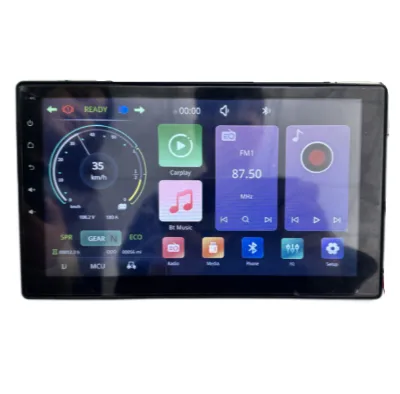
The global market for golf cart instrument panels and associated electric vehicle components is characterized by a diverse range of offerings tailored to specific operational needs. When sourcing a Golf Cart Instrument Panel, buyers must first distinguish between standalone replacement components and integrated vehicle systems. The supplied product data indicates that the market includes specific replacement screens, such as the F10 model, which is explicitly designed for golf carts and features a 10-inch size specification. This component serves a singular purpose: for replace/repair, ensuring that existing fleets can maintain operational continuity without the need for full vehicle replacement.
Beyond the instrument panel, the broader category encompasses complete electric utility vehicles, such as the 4+0 4-Seater off-Road Electric Golf Cart. These units often integrate the instrument panel as a critical interface for the vehicle's Standard Intelligent Controller. The technical ecosystem surrounding these panels is defined by specific electrical parameters. The observed voltage range for compatible systems spans from 12V to 72V, necessitating that buyers verify the electrical architecture of their existing fleet before purchasing a replacement screen. For instance, the F10 panel is listed with a 12V-72V compatibility, suggesting a broad applicability across different voltage architectures, though specific model matching remains essential.
The physical and functional attributes of these components are equally critical. The F10 panel is noted for its Good quality rating and is supplied as a Single item with a New condition status. In contrast, the broader vehicle category includes models with varying dimensions, such as the ZLD 4+0 model with dimensions of 3250×1250×2000mm and the Electric Golf Car model measuring 395012502000mm. While the instrument panel itself is a discrete component, its integration relies on the vehicle's overall Curb Weight, Loading Capacity, and Battery specifications. For example, vehicles in this sector often utilize 72V/100ah batteries, either maintenance-free or lead-acid, which directly influences the power management displayed on the instrument panel.
Technical Compatibility and Electrical Integration
Ensuring technical compatibility is the most significant hurdle in sourcing instrument panels. The variance in voltage requirements, ranging from 12V to 72V, means that a panel designed for a low-voltage system will not function correctly in a high-voltage environment, and vice versa. Buyers must scrutinize the Voltage specification of the replacement part against the vehicle's Battery voltage. The data shows that some vehicles operate on 48V systems with 48V 5kw motors, while others utilize 72V systems with 5kw American High Efficiency Motors. The instrument panel must be capable of interpreting data from the specific Controller type, whether it is a Standard Intelligent Controller or an on-Board Intelligent Charger system.
Furthermore, the physical interface and mounting requirements must align with the vehicle's chassis. The 10-inch size of the F10 panel is a specific constraint that may not fit all dashboard configurations. Buyers should verify the Size and Model compatibility before proceeding. The Model designation, such as F10 or ZLD 4+0, serves as a unique identifier for the vehicle architecture. In the case of the ZLD 4+0, the vehicle adheres to a National Standard Steel Chassis, which implies specific mounting points and structural tolerances. The instrument panel, as part of the PP Injection Bod (Body) assembly, must integrate seamlessly with the vehicle's Customizable Body & Seat Color options, ensuring that the aesthetic and functional integration is preserved.
The Motor specifications also play a role in the data displayed on the panel. Vehicles equipped with 5kw motors, whether 48V or 72V, will generate specific telemetry data that the panel must process. The Maximum Driving Speed of these vehicles, typically ≤30km/H or ≤28km/H, is a critical metric that the instrument panel must accurately reflect. Additionally, the Braking Distance, which ranges from ≤3 M to ≤4 M, is a safety parameter that the dashboard system should monitor and display. Buyers must ensure that the replacement panel supports the necessary data protocols to communicate with the vehicle's Controller and Charger systems effectively.
Compliance, Certification, and Regulatory Standards
Navigating the regulatory landscape is essential for international procurement. The supplied product data lists several certifications, including CE, EEC, and ISO, which are critical indicators of compliance for markets in Europe and other regions requiring strict adherence to safety and environmental standards. The CE certification, in particular, is a mandatory requirement for products sold within the European Economic Area, signifying that the product meets health, safety, and environmental protection standards. The EEC certification further reinforces compliance with European Economic Community regulations, while ISO standards indicate adherence to international quality management systems.
However, buyers must exercise caution regarding the scope of these certifications. The data notes CE as a "Low-confidence background" item in some contexts, suggesting that while it is listed, its specific application to every product variant may vary. Therefore, buyers should not assume that all listed products automatically possess valid, current certification status. Instead, they should request specific certification documentation for the exact model being purchased. The National Standard Steel Chassis mentioned in the product data refers to Chinese national standards, which may differ from international regulations. Buyers importing these vehicles or components must verify that the National Standard compliance aligns with the destination country's import requirements.
The Warranty period, listed as 1 Years, is another critical compliance and quality assurance factor. A standard one-year warranty suggests a baseline expectation of product reliability, but it does not guarantee long-term performance without proper maintenance. Buyers should review the warranty terms to understand what is covered, particularly regarding the Controller and Battery systems that interact with the instrument panel. The Customization availability also plays a role in compliance, as modified vehicles may require re-certification or specific approvals depending on the nature of the customization.
Cost Drivers and Procurement Economics
The pricing of golf cart instrument panels and related components is influenced by several factors, including the complexity of the technology, the voltage compatibility, and the level of customization required. The observed price range in the market spans from 1 USD to 7199 USD, reflecting a vast disparity between basic replacement screens and complete vehicle systems. The lower end of this range likely corresponds to standalone instrument panels or basic components, while the higher end encompasses full electric golf carts with integrated systems, advanced controllers, and premium features.
The MOQ (Minimum Order Quantity) is another significant cost driver, with observed values ranging from 1 to 500 units. For buyers seeking a single replacement part, an MOQ of 1 Pcs is highly advantageous, allowing for low-risk procurement. However, for fleet upgrades or large-scale replacements, buyers may need to negotiate MOQs closer to 500 to secure volume discounts. The Selling Units are typically listed as Single item, which simplifies the ordering process for individual replacements but may require bulk ordering for fleet-wide projects.
Shipping and packaging costs also impact the total cost of ownership. The product data specifies Sea-Worthy Iron Frame Packing for Ocean Transporta, which is essential for international shipping but adds to the overall cost. The Loading Capacity of the vehicles, ranging from 720kg to 800kg, and the Curb Weight of the vehicles, between 550kg and 630kg, influence the logistics and freight charges. Buyers should factor in these logistical costs when calculating the total procurement budget. Additionally, the Charging Time and Driving Range of the vehicles can affect operational costs, with longer ranges and faster charging times potentially justifying a higher initial investment in the instrument panel and vehicle system.
Supplier Evaluation and Geographic Considerations
When evaluating suppliers, buyers should prioritize those with a clear track record in the Electric Golf Car and Golf cart sectors. The Place of Origin for many of these products is listed as Anhui, China, with some components originating from Zhejiang. These regions are known for their manufacturing capabilities in the electric vehicle sector, but buyers should verify the specific factory credentials and production capacity. The Brand Huanxin is mentioned in the data, indicating a specific manufacturer, but buyers should not rely solely on brand recognition without verifying the supplier's reputation and reliability.
Supplier evaluation should also include an assessment of the Quality rating and Condition of the products. The data consistently lists products as New with Good quality, but buyers should request independent quality reports or third-party inspection results to confirm these claims. The Customization availability is another key factor, as suppliers that offer Customizable Body & Seat Color and other bespoke options demonstrate greater flexibility and customer focus. Buyers should inquire about the customization process, lead times, and any additional costs associated with these options.
The Warranty terms provided by the supplier are also critical. A 1 Years warranty is standard, but buyers should clarify the terms of service, including the process for claims, the coverage of specific components like the Controller and Battery, and the availability of technical support. Suppliers that offer extended warranties or comprehensive support packages may be more reliable partners for long-term procurement. Additionally, buyers should assess the supplier's ability to meet MOQ requirements and their flexibility in handling small orders versus large bulk purchases.
Quality Control and Long-Term Procurement Strategy
Implementing a robust quality control (QC) strategy is essential for ensuring the reliability of golf cart instrument panels and related components. Buyers should establish clear acceptance criteria based on the Technical Specifications provided, such as Voltage, Size, and Model compatibility. Regular inspections should be conducted to verify that the products meet the National Standard and any applicable international certifications. The Condition of the products should be verified upon receipt to ensure they are New and free from defects.
For long-term procurement, buyers should develop a strategic relationship with suppliers that can provide consistent quality and support. This includes establishing clear communication channels for technical inquiries, warranty claims, and customization requests. Buyers should also consider the Driving Range and Charging Time of the vehicles when planning their procurement strategy, as these factors impact the operational efficiency and total cost of ownership. The Braking Distance and Maximum Driving Speed are critical safety parameters that should be regularly monitored to ensure compliance with safety standards.
Finally, buyers should stay informed about market trends and technological advancements in the electric golf cart sector. The integration of Intelligent Controllers and on-Board Intelligent Chargers suggests a trend towards more advanced, data-driven vehicle systems. By staying ahead of these trends, buyers can make informed decisions that enhance the performance and longevity of their fleet. The Customization options available in the market provide an opportunity to tailor vehicles to specific operational needs, further optimizing the procurement strategy. By focusing on technical compatibility, compliance, cost efficiency, and supplier reliability, buyers can successfully navigate the complex landscape of Golf Cart Instrument Panel sourcing.
FAQs
What voltage range does the F10 golf cart screen panel support?
The F10 panel supports a voltage range from 12V to 72V. This broad compatibility allows it to fit various golf cart electrical architectures, but buyers must verify their specific vehicle battery voltage before purchasing to ensure proper integration.
Can I customize the body and seat color of the golf cart?
Yes, customization for body and seat color is available for the electric golf carts listed. This feature allows buyers to tailor the vehicle aesthetics to specific fleet branding or personal preferences while maintaining the standard 72V or 48V electrical systems.
Which certifications are listed for the Golf Cart Instrument Panel?
The product data lists CE, EEC, and ISO certifications for the components. These indicate compliance with European and international standards, though buyers should verify the specific validity of these certifications for the exact model ordered rather than assuming universal coverage.
How long is the warranty period for the golf cart screen panel?
The standard warranty period for the product is one year. This coverage applies to the new condition items supplied, but the specific terms for the controller and battery interactions should be reviewed to understand the full scope of the guarantee.
What is the minimum order quantity for a single golf cart screen?
The minimum order quantity for the screen panel is one piece. This low MOQ allows buyers to purchase a single replacement unit for repair purposes without needing to commit to a large bulk order or fleet-wide upgrade immediately.
Where are the golf cart instrument panels and vehicles manufactured?
The products originate from Anhui, China, with some vehicle models sourced from Zhejiang. Buyers should account for these specific locations when evaluating shipping logistics and lead times for international orders of these electric vehicle components.
Can the golf cart screen be used for replacing or repairing existing units?
Yes, the product is explicitly designed for replacement and repair purposes. The 10-inch size and F10 model designation ensure it serves as a direct interface replacement for maintaining operational continuity in existing golf cart fleets.