Source Golf Clubs for Training, Competition, and Entertainment
Explore 30 verified listings for Golf Clubs suitable for training, competition, and entertainment. Buyers can compare specifications like loft, lie, and weight across various models including irons and wedges from suppliers in China.
Key considerations
Products List
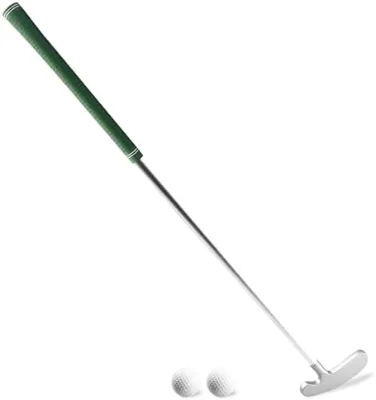


China Manufacturer Right Handed Golf Club with R Graphite Shaft Small Order
$2.99 - $3.20
MOQ: 300 Pieces


Factory Custom Golf Iron Club Professional Golf Club Manufacturer Golf Iron
$16.90 - $19.90
MOQ: 100 Pieces


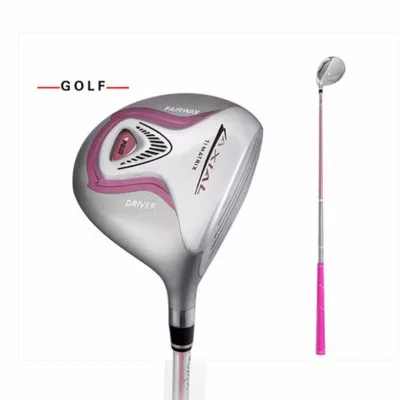
Golf Manufacturer Cheap Driver Aluminium Wedge Custom Logo Design 460cc Golf Club
$18.50 - $100.00
MOQ: 100 Pieces


Factory Wholesale New Design Hot Selling Golf Aluminium Club Golf Practice Wedge
$18.50 - $100.00
MOQ: 100 Pieces


Comprehensive Sourcing Guide
Golf Clubs Sourcing Guide
Sourcing Golf Clubs requires a nuanced understanding of both the technical specifications that define performance and the commercial realities of manufacturing in key production hubs. The global market for golf equipment is dominated by manufacturers in Asia, particularly China, where supply chains are mature and capable of producing everything from entry-level practice aids to high-performance competition irons. Buyers must navigate a landscape where product attributes vary significantly based on the intended use case, whether for professional tournaments, amateur training, or promotional giveaways. The distinction between a standard iron set and a specialized wedge or practice tool is critical, as it dictates the materials, tolerances, and quality control measures required.
This guide focuses on evidence-based procurement strategies for Golf Clubs, drawing from observed market data and trusted industry knowledge. It addresses the specific characteristics of products such as aluminum shafted irons, custom-branded wedges, and practice accessories. By examining the technical parameters like loft, lie, and bounce angles, alongside commercial factors such as minimum order quantities (MOQ) and customization options, buyers can make informed decisions that align with their brand positioning and budget constraints. The goal is to provide a comprehensive framework for evaluating suppliers and products without relying on unverified claims or speculative market data.
Product Scope and Observed Listing Signals
The current market for Golf Clubs exhibits a wide range of product types, from functional training aids to high-end competition equipment. Observed listings indicate a strong presence of practice-oriented items, such as rods with attached balls designed for training purposes, which often feature aluminum shafts and come in various color combinations like blue, black, green, and orange. These items are typically marketed for entertainment, training, and gift applications, with a focus on customization and modern styling. The presence of such products suggests a robust segment of the market dedicated to skill development and promotional merchandise, where branding and visual appeal are as important as functional utility.
In contrast, the core category of golf irons and wedges presents a more technical profile, with specific model numbers like BC-C003, AW-138, and IR-451 indicating distinct product lines. These clubs are characterized by precise weight ranges, such as 198g to 300g, and specific loft and lie angles that cater to different player needs. For instance, wedges may offer a variety of loft options ranging from 48 to 60 degrees, while irons might have lofts between 9.5 and 10.5 degrees for specific club types. The observed data also highlights the importance of packaging, with products often shipped in standard export cartons or custom-branded boxes, reflecting the dual nature of the product as both a sporting good and a potential corporate gift.
Technical Specifications to Verify
When evaluating Golf Clubs, buyers must prioritize the verification of critical technical specifications that directly impact performance and consistency. Key parameters include loft, lie, and bounce angles, which vary significantly across different club types. For example, wedges may require precise loft options such as 48, 50, 52, 54, 56, 58, or 60 degrees, while irons might have lofts in the 9.5 to 10.5-degree range for specific models. Lie angles are equally important, with observed values ranging from 58 to 63.5 degrees, and bounce angles typically between 2 and 7 degrees. These specifications must be verified against the buyer’s target player profile to ensure the clubs meet the desired performance standards.
Material composition and weight distribution are also essential factors to consider. Aluminum shafts are commonly observed in practice aids and certain iron models, offering a balance of durability and weight. The weight of individual clubs can vary, with observations ranging from 198g to 300g, which affects the swing feel and control. Additionally, the volume of the clubhead, such as 470cc for certain drivers or fairway woods, plays a role in forgiveness and distance. Buyers should request detailed specification sheets from suppliers to confirm these attributes, ensuring that the products align with the technical requirements of their intended market segment.
Compliance and Safety Documentation
While Golf Clubs are generally considered low-risk products, compliance with safety and quality standards remains a critical aspect of the sourcing process. Buyers should verify that suppliers adhere to relevant international standards for sports equipment, ensuring that materials used in clubheads, shafts, and grips are free from harmful substances. Although specific certification statuses may vary by supplier, it is essential to request documentation that confirms the safety of the materials, particularly for products intended for children or sensitive applications. This includes verifying that any coatings or finishes used on the clubs are non-toxic and durable.
Packaging and labeling requirements also fall under the compliance umbrella, especially for products destined for international markets. Buyers should ensure that the packaging meets the labeling regulations of the destination country, including language requirements and safety warnings. The observed data indicates that products are often packaged in standard export cartons, which should be sturdy enough to protect the clubs during transit. Additionally, any custom branding or logos applied to the clubs should be verified for quality and durability, ensuring that they do not peel or fade under normal use conditions.
Cost Drivers and Commercial Terms
The cost of Golf Clubs is influenced by several factors, including material costs, manufacturing complexity, and customization requirements. Aluminum shafts and standard iron heads are generally more cost-effective than those made from premium materials like titanium or carbon fiber. Customization options, such as custom logos, colors, and packaging, can add to the overall cost, but they also provide value by enhancing brand visibility and product differentiation. Buyers should negotiate clearly on these customization fees to avoid unexpected expenses.
Minimum order quantities (MOQ) and pricing tiers are significant commercial terms that impact the total cost of ownership. Observed data suggests that MOQs can range from 1 to 10,000 pieces, with pricing often decreasing as the order volume increases. For example, some suppliers may offer tiered pricing for quantities between 1-300, 301-500, and over 500 pieces. Buyers should analyze their sales forecasts and inventory requirements to determine the optimal order size that balances cost efficiency with stock management. Additionally, payment terms and lead times should be clarified early in the negotiation process to ensure smooth transaction execution.
Supplier Qualification and Quality Control
Selecting a reliable supplier is crucial for ensuring the quality and consistency of Golf Clubs. Buyers should prioritize suppliers with a proven track record in manufacturing sports equipment, particularly those located in established production hubs like Guangdong and Fujian in China. These regions are known for their mature supply chains and skilled labor force, which can contribute to higher quality standards. It is advisable to request samples from potential suppliers to evaluate the build quality, finish, and performance of the clubs before committing to a large order.
Quality control measures should be clearly defined and agreed upon with the supplier. This includes establishing acceptance criteria for key specifications such as loft, lie, and weight, as well as visual inspection standards for surface finish and branding. Buyers should also inquire about the supplier’s internal quality control processes, including any testing procedures they conduct on finished products. Implementing a third-party inspection service for pre-shipment checks can provide an additional layer of assurance, helping to identify and rectify any defects before the goods are dispatched.
Long-Term Procurement Checks
Building a long-term relationship with a golf club supplier requires ongoing monitoring and evaluation of performance metrics. Buyers should regularly review supplier performance based on key indicators such as on-time delivery, product quality, and responsiveness to issues. Consistent performance in these areas is essential for maintaining a stable supply chain and ensuring that the buyer’s customers receive high-quality products. Additionally, buyers should stay informed about any changes in the supplier’s production capabilities or material sourcing, as these can impact the quality and availability of the clubs.
Continuous improvement and innovation are also important aspects of long-term procurement. Buyers should encourage suppliers to stay updated with the latest trends and technologies in golf equipment, such as new materials or design features that enhance performance. This collaborative approach can lead to the development of exclusive products that differentiate the buyer’s brand in the market. By maintaining open communication and fostering a partnership mindset, buyers can secure a competitive advantage and ensure the long-term success of their golf club sourcing strategy.
FAQs
What materials are used for the golf club shafts?
The shafts are made of aluminium according to the product specifications. This material choice supports the customized and modern style required for training and competition applications.
Can I order a custom logo on these Golf Clubs?
Yes, custom logos are accepted for these Golf Clubs. The product listing confirms that customization is available for branding purposes on the iron and wedge models.
What is the minimum order quantity for these clubs?
The minimum order quantity is 100 pieces for this specific product listing. Buyers should note that different models may have varying quantity requirements for bulk orders.
Where are these Golf Clubs manufactured?
These Golf Clubs originate from Guangdong, China, with some models also listed from Fujian. The production location ensures adherence to the specified export packaging standards.
Which loft angles are available for the wedge models?
Available loft angles for the wedge models range from 48 to 60 degrees. Specific options include 48, 50, 52, 54, 56, and 58 degrees for precise shot control.
What is the weight range for the golf club heads?
The club head weights range from 198 grams to 300 grams depending on the specific model. Some listings indicate a weight between 245 and 295 grams for certain iron sets.
Are these clubs suitable for both men and women?
Yes, the product is designed as unisex and is suitable for men. The application includes training, golf, and competition, making it versatile for various skill levels.