Source Grain Drill Tapered Roller Bearing for Agricultural Machinery
Find Grain Drill Tapered Roller Bearing options from 30 verified listings. Compare high-precision double-row models with large bearing capacity, available in bearing steel with various cage materials and seal types for reliable agricultural equipment performance; compare the available evidence and request quotations based on your requirements.
Updated
Key considerations
Products List


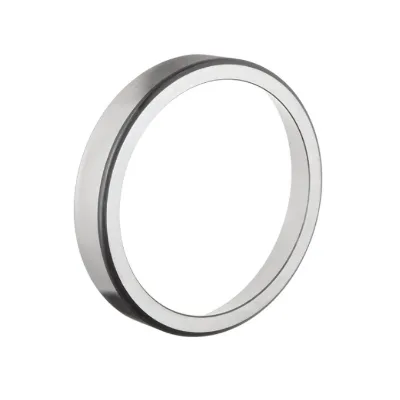
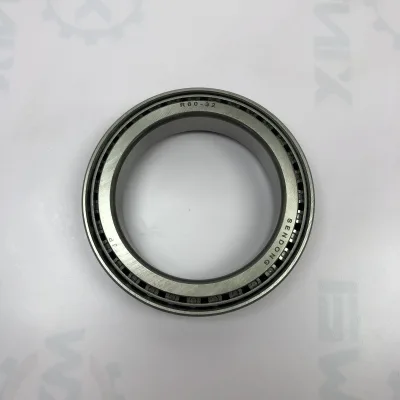

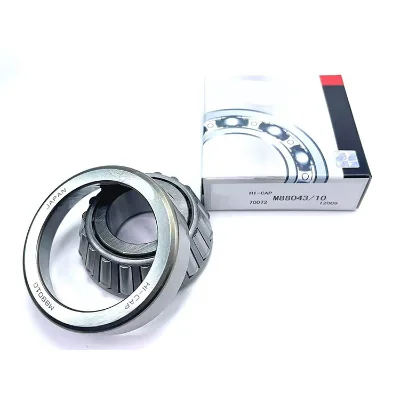
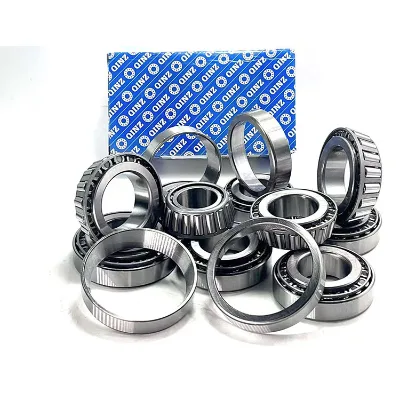
Hot Sell Tapered Roller Bearings Bearing Tapered Roller Tapered Roller Bearings
$0.30 - $0.50
MOQ: 100 Pieces
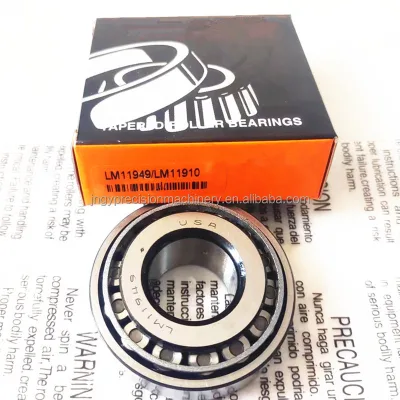
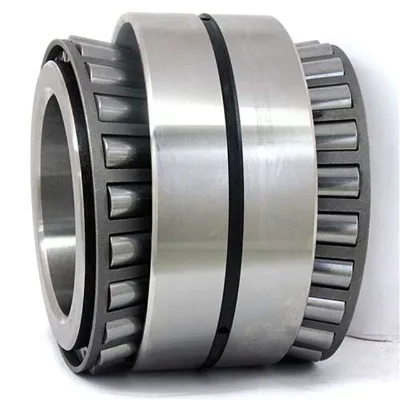
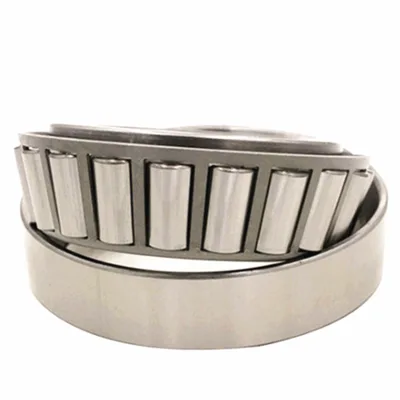


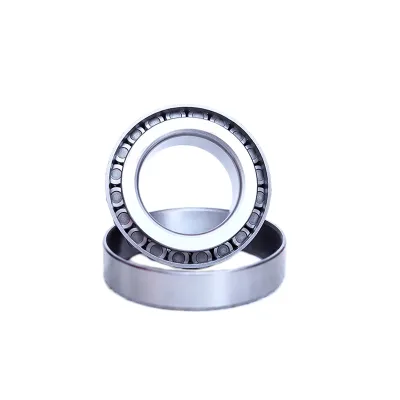
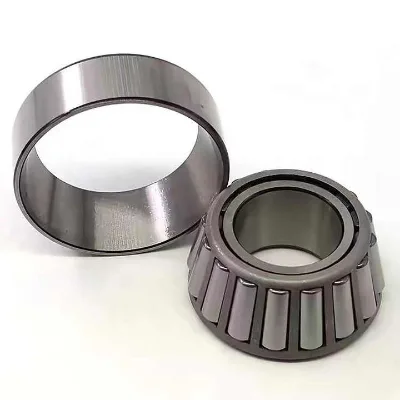
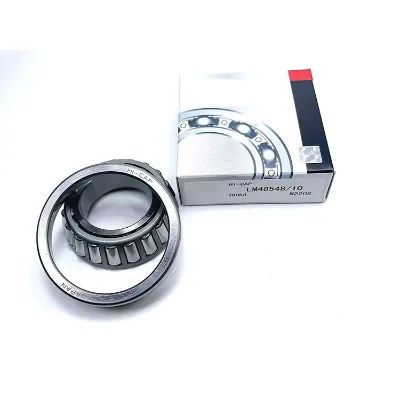

Comprehensive Sourcing Guide
Grain Drill Tapered Roller Bearing Sourcing Guide
Procuring tapered roller bearings for grain drills requires a precise understanding of mechanical demands and supply chain reliability. These components are critical for maintaining the structural integrity of agricultural machinery under heavy loads and variable environmental conditions. Buyers must recognize that while the core keyword suggests a specific application, the actual product listings often encompass a broader range of industrial bearings, including cylindrical and spherical types. This diversity necessitates careful filtering to ensure the selected parts match the specific axial and radial load requirements of the grain drill’s auger system.
The observed market data indicates a wide variance in product attributes, from single-row to double-row configurations, and varying cage materials such as steel, copper, or nylon. Sourcing decisions should be driven by the specific operational needs of the equipment rather than generic assumptions. It is essential to verify that the chosen bearing type, whether tapered or cylindrical, aligns with the manufacturer’s specifications for the grain drill. Misalignment in bearing selection can lead to premature failure, increased maintenance costs, and operational downtime during critical harvesting seasons.
Product Scope and Observed Listing Signals
The current market landscape for grain drill components includes a variety of bearing types, with tapered roller bearings being a primary focus for high-load applications. Listings frequently highlight features such as high precision, large bearing capacity, and durability, which are essential for agricultural machinery. However, buyers must distinguish between tapered roller bearings and other types like cylindrical or spherical bearings, as their load directions and structural characteristics differ significantly. The presence of double-row tapered roller bearings suggests suitability for combined radial and axial loads, which are common in grain drill mechanisms.
Observed product names and models indicate a mix of standard and non-standard offerings, with some listings specifying models like 32212 or 32207. These models often belong to series designed for heavy-duty applications, providing a reference point for buyers seeking replacements or new installations. The variety in packing options, from single boxes to wooden cases, reflects the diverse needs of international buyers and the importance of protecting bearings during transit. Understanding these listing signals helps buyers identify suppliers who specialize in agricultural equipment components versus general industrial bearing distributors.
Technical Specifications to Verify
Verifying technical specifications is paramount when sourcing bearings for grain drills, as even minor deviations can impact performance. Key attributes to confirm include the number of rows, load direction, and separation status. Tapered roller bearings are typically unseparated and designed for axial loads, but some listings may offer separated or non-aligning variants. Buyers must ensure that the selected bearing’s outer dimensions, such as small and medium-sized ranges (60-115mm), match the physical constraints of the grain drill’s housing. Precision grades like P0 or P6 should be specified to ensure compatibility with the machinery’s tolerances.
Material composition and cage type are also critical technical factors. Bearings are often made from bearing steel with hardness ratings between 59-63 HRC, ensuring resistance to wear and fatigue. Cage materials, including steel, brass, or nylon, influence the bearing’s speed capabilities and lubrication requirements. Buyers should verify whether the bearings are pre-lubricated with grease or oil and if they come with seals like 2RS or ZZ for protection against dust and moisture. Confirming these details prevents mismatches that could lead to inadequate performance or premature failure in the field.
Compliance and Safety Documentation
Compliance with international quality standards is a fundamental requirement for sourcing reliable bearings. Many suppliers provide ISO9001:2015 certification, which indicates a robust quality management system. Buyers should request copies of these certificates to verify the supplier’s commitment to consistent manufacturing practices. While specific safety certifications for agricultural equipment may vary, the bearing’s compliance with general industrial standards ensures a baseline level of safety and reliability. Documentation should also include material test reports to confirm the chemical composition and mechanical properties of the bearing steel.
Transparency in origin and manufacturing location is another aspect of compliance. Listings often indicate origins such as China or specific provinces like Shandong, which can influence logistics and tariff considerations. Buyers should ensure that all documentation accurately reflects the product’s origin to avoid customs issues. Additionally, suppliers should provide clear information on the product’s standard series, such as 30200 or 32200, to facilitate easy identification and replacement. Proper documentation not only aids in regulatory compliance but also enhances traceability in the event of a quality issue.
Cost Drivers and Commercial Terms
Cost drivers for grain drill bearings include material quality, precision grade, and order volume. High-precision bearings with specialized cage materials or seals typically command higher prices. The observed price range of 0.1-35 USD reflects this variability, with lower costs associated with standard, high-volume items and higher costs for custom or specialized components. Buyers should consider the total cost of ownership, including maintenance and replacement frequency, rather than focusing solely on the initial purchase price. Bulk purchasing can often reduce unit costs, but it requires accurate demand forecasting to avoid excess inventory.
Commercial terms such as MOQ, lead time, and payment conditions significantly impact procurement strategy. MOQs can range from 1 to 100,000 units, offering flexibility for both small repairs and large-scale fleet maintenance. Buyers should negotiate terms that align with their operational needs, such as flexible MOQs for initial orders or expedited lead times for urgent replacements. Packaging options, from single boxes to pallets, also affect shipping costs and handling efficiency. Clear communication of these terms ensures a smooth transaction and minimizes unexpected expenses.
Supplier Qualification and Quality Control
Supplier qualification involves assessing the manufacturer’s production capabilities and quality control processes. Buyers should verify the supplier’s ability to produce bearings with consistent hardness and precision, as indicated by specifications like 59-63 HRC and P0/P6 grades. Requesting samples for testing is a crucial step to validate the supplier’s claims regarding bearing capacity and durability. Suppliers with a strong supplying ability and rich stock levels are preferable for ensuring timely delivery and reducing lead times.
Quality control measures should include rigorous inspection of rolling bodies, cages, and seals. Buyers should inquire about the supplier’s testing protocols for load capacity and rotational accuracy. Suppliers who offer customization options, such as specific OE numbers or non-standard sizes, demonstrate flexibility and technical expertise. Establishing a long-term relationship with a qualified supplier ensures consistent quality and support for future procurement needs. Regular audits and performance reviews can further reinforce the supplier’s commitment to quality and reliability.
Long-Term Procurement Checks
Long-term procurement success depends on continuous monitoring of supplier performance and product reliability. Buyers should track key metrics such as defect rates, delivery times, and customer support responsiveness. Regular feedback from field technicians on bearing performance in grain drills provides valuable insights into any emerging issues. Maintaining a diverse supplier base can mitigate risks associated with supply chain disruptions or quality inconsistencies. Periodic reviews of technical specifications ensure that the sourced bearings remain compatible with evolving machinery designs.
Building a robust procurement strategy involves staying informed about industry trends and technological advancements in bearing design. Engaging with suppliers for technical consultations can help identify optimal solutions for specific operational challenges. Documenting all procurement activities and supplier interactions creates a knowledge base for future reference. By prioritizing quality, compliance, and strategic partnerships, buyers can ensure the reliable operation of grain drills and minimize downtime in agricultural operations.
FAQs
What materials are used for tapered roller bearings?
The tapered roller bearings are manufactured from high-quality bearing steel. This material ensures durability and high precision for demanding applications. The hardness typically ranges from 59 to 63 HRC. This composition supports large bearing capacity and reliable performance in various industrial settings.
Can these bearings be customized for specific needs?
Yes, customization is available for these tapered roller bearings. Buyers can request specific models such as 32212 or 22224MB/W33. Packaging options include single boxes, plastic barrels, or pallets. This flexibility allows for tailored solutions to meet unique operational requirements and logistical preferences.
What certifications do the manufacturers hold?
The manufacturers hold ISO9001:2015 certification. This ensures adherence to international quality management standards. The products are produced in Shandong, China, with a global market reach. This certification guarantees consistent quality and reliability for automotive, truck, and gearbox applications worldwide.
What is the typical MOQ for these bearings?
The minimum order quantity ranges from 1 to 100,000 units. This wide range accommodates both small sample orders and large industrial purchases. Suppliers offer rich stock and great supplying ability. Buyers can negotiate terms based on their specific volume requirements and project scale.
Which cage materials are used in these bearings?
The bearings use steel, brass, or nylon cages. These retainers support the rollers effectively. Copper and iron retainers are also available for specific models. The choice of cage material depends on the application speed, load, and environmental conditions for optimal performance.
What standards define the bearing dimensions?
Standards include 50*90*23 and series like 30200, 30300, 32000, and 32200. Non-standard sizes are also available. The outer dimensions are small and medium-sized, typically 60-115mm. These standards ensure compatibility with common industrial equipment and machinery designs.