Source Green Embroidery Machine PCB Board for Industrial Automation, Textile Manufacturing, and Custom Electronics
Find 30 listings for Green Embroidery Machine PCB Board options featuring FR-4 base materials, multilayer capabilities, and various surface finishes like OSP or ENIG. Compare technical specs including line width, hole size, and copper thickness to identify suitable suppliers for your manufacturing needs.
Key considerations
Products List

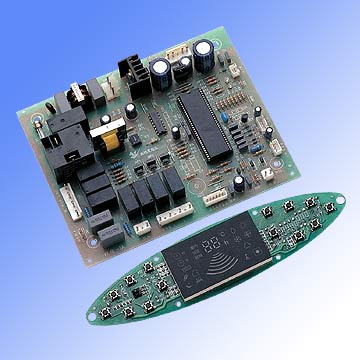

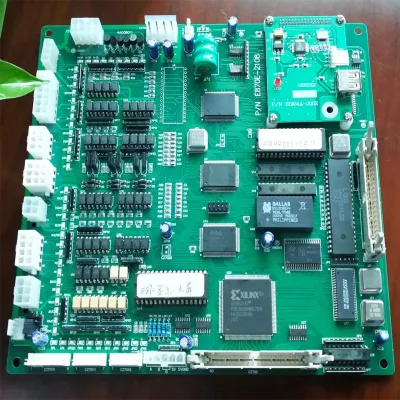
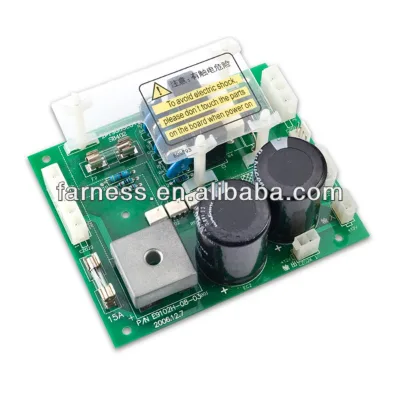
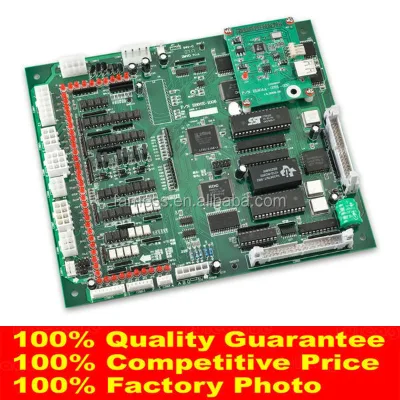
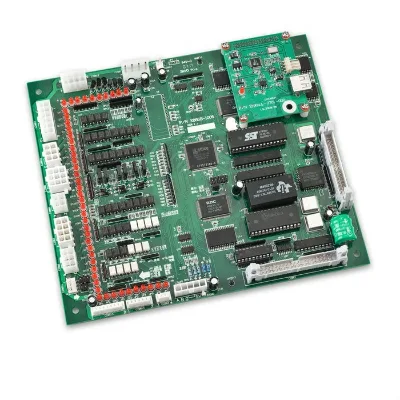
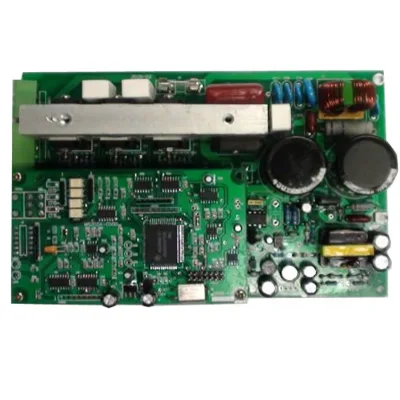
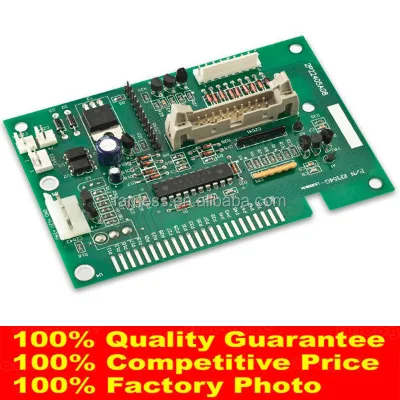


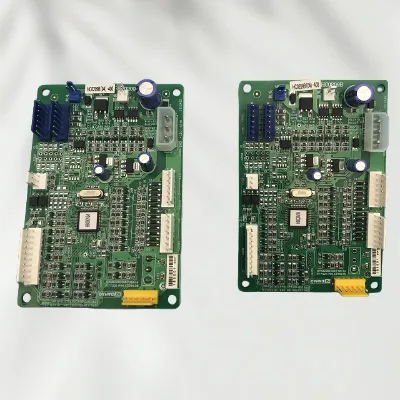


Energy Saving Computerized Embroidery Machine with User Friendly Operating Panel
$3100.00 - $3500.00
MOQ: 1 set

2 Heads Embroidery Machine/Embroidery Making Machine/Computer Embroidery Machine
$4250.00 - $4300.00
MOQ: 1 Sets


Comprehensive Sourcing Guide
Green Embroidery Machine PCB Board Sourcing Guide
Procuring printed circuit boards (PCBs) for embroidery machines requires a precise understanding of the electrical and mechanical demands placed on the control systems. These machines rely on high-speed stepper motors and complex logic controllers to manage needle positioning, thread tension, and hoop movement. The PCB serves as the central nervous system, translating digital patterns into precise physical movements. Buyers must recognize that the green solder mask is not merely aesthetic; it provides a durable protective layer against the dust, lint, and occasional oil splashes common in textile manufacturing environments. Selecting the right supplier involves balancing technical specifications with commercial reliability to ensure uninterrupted production cycles.
The sourcing landscape for these components is diverse, with manufacturers offering everything from simple double-sided boards to complex multilayer assemblies. Buyers often encounter listings that specify "PCB+Assembly+Components," indicating a turnkey solution where the supplier handles both fabrication and the placement of electronic parts. This approach reduces the buyer’s logistical burden but requires rigorous verification of component quality and assembly accuracy. Understanding the distinction between bare board fabrication and full PCBA (Printed Circuit Board Assembly) is critical, as the cost structure, lead times, and quality control processes differ significantly between the two models.
Product Scope and Observed Listing Signals
The market for embroidery machine PCBs exhibits a wide variance in pricing and minimum order quantities, reflecting the complexity of the designs. Observed listing signals indicate a price range from as low as $0.05 to over $43,000 for specialized or high-volume contracts, with minimum order quantities (MOQs) typically starting at just one or two units. This flexibility allows small workshops to prototype designs while enabling large manufacturers to secure bulk pricing. The low MOQs suggest that many suppliers cater to both custom prototyping and mass production, making it essential for buyers to clarify whether they are purchasing a prototype or a production-ready unit before committing to an order.
Product attributes frequently highlight customization capabilities, with many suppliers offering tailored solutions for specific machine models. Common specifications include FR-4 base materials, which provide the necessary thermal and electrical stability for industrial applications. Buyers should note that while some listings mention specific model numbers like "Embroidery Machine Pcb Board" or "L14040657," these often refer to internal part identifiers rather than universal standards. It is crucial to verify that the PCB dimensions, hole sizes, and layer counts match the exact requirements of the embroidery machine’s control panel or mainboard to ensure proper fit and functionality.
Technical Specifications to Verify
Technical verification begins with the physical dimensions and material composition of the board. The base material is typically FR-4, an organic resin insulation material that offers good mechanical strength and flame resistance. Buyers must confirm the board thickness, which is commonly 1.6mm, and the copper weight, which can range from standard 1/2 oz to heavier 5 oz for high-current applications. The surface finish is another critical variable, with options including HASL (Hot Air Solder Leveling), OSP (Organic Solderability Preservatives), and Immersion Gold (ENIG). Each finish has distinct advantages regarding solderability, shelf life, and cost, and the choice should align with the assembly process and environmental conditions of the embroidery machine.
Precision in manufacturing is paramount for the reliable operation of embroidery machines. Key technical parameters include the minimum line width and spacing, which can range from 0.1mm to 0.21mm depending on the manufacturer’s capabilities. Buyers should also verify the minimum hole size, which may be as small as 0.10mm or 0.15mm, to ensure that fine-pitch components can be mounted correctly. Additionally, the maximum proportion of drilling holes, often cited as 1:12.5, indicates the board’s structural integrity under high-density drilling. Confirming these specifications prevents issues such as signal interference, poor solder joints, or mechanical failure during the high-vibration operation of the embroidery machine.
Compliance and Safety Documentation
Compliance with international standards is essential for PCBs used in industrial machinery. Buyers should request documentation confirming adherence to RoHS (Restriction of Hazardous Substances) directives, which limit the use of specific hazardous materials in electrical and electronic products. While some listings mention certifications like CCC or ISO, buyers must verify the validity and scope of these certificates to ensure they cover the specific manufacturing processes involved. The presence of a "Certificate Guarantee" or claims of ISO 9001:2015 compliance suggests a commitment to quality management, but independent verification is recommended to mitigate risk.
Safety and environmental standards also extend to the materials used in the PCB fabrication. The base material, such as FR-4, should be free from excessive brominated flame retardants if RoHS compliance is a strict requirement. Buyers should inquire about the sourcing of raw materials and the disposal practices of the manufacturer to ensure alignment with their own corporate sustainability goals. Additionally, the solder mask color, often green for embroidery machine PCBs, should be verified for its chemical resistance and durability. A high-quality solder mask protects the copper traces from oxidation and short circuits, contributing to the long-term reliability of the machine.
Cost Drivers and Commercial Terms
Several factors influence the final cost of an embroidery machine PCB, including the number of layers, copper thickness, and surface finish. Multilayer boards require more complex manufacturing processes, leading to higher costs compared to double-sided boards. Similarly, heavier copper weights and premium surface finishes like Immersion Gold increase material and processing expenses. Buyers should analyze the bill of materials (BOM) and design files to identify areas where cost optimization is possible without compromising performance. For instance, reducing the number of layers or selecting a standard surface finish can significantly lower costs for less critical applications.
Commercial terms such as packaging, shipping, and payment conditions also play a significant role in the total cost of ownership. Suppliers often offer vacuum packaging to protect the PCBs from moisture and physical damage during transit, which is crucial for maintaining the quality of the surface finish. The port of dispatch, commonly Shenzhen or Hong Kong for Chinese manufacturers, affects shipping times and costs. Buyers should negotiate clear terms regarding lead times, especially for custom orders, and clarify responsibilities for import duties and taxes. Understanding these commercial nuances helps in budgeting accurately and avoiding unexpected expenses.
Supplier Qualification and Quality Control
Evaluating supplier qualifications is a critical step in ensuring the reliability of the PCB supply chain. Buyers should assess the manufacturer’s production capacity, with some suppliers offering up to 20,000 square meters per month for FR-4 double-sided PCBs. This capacity indicates the ability to handle large orders consistently. Additionally, the mode of production, such as DIP (Dual In-line Package) assembly, should be verified to ensure it matches the buyer’s component requirements. Suppliers that offer comprehensive testing services, including electrical testing, flying probe testing, and functional testing, provide an added layer of quality assurance.
Quality control processes should be transparent and well-documented. Buyers should request information on the testing protocols used, such as 100% electrical testing, to ensure that every board meets the specified standards. The condition of the products, typically listed as "New," should be confirmed, along with the packaging details, which often include vacuum packing and carton boxing. Suppliers that provide a clear warranty or guarantee on their products demonstrate confidence in their manufacturing processes. Establishing a strong relationship with a supplier that prioritizes quality control reduces the risk of defects and ensures consistent performance of the embroidery machine PCBs.
Long-Term Procurement Checks
Long-term procurement success depends on continuous monitoring of supplier performance and product quality. Buyers should establish key performance indicators (KPIs) such as defect rates, on-time delivery, and responsiveness to technical queries. Regular audits of the supplier’s quality management system can help identify potential issues before they impact production. Additionally, staying updated on industry trends and technological advancements in PCB manufacturing can provide opportunities for cost savings and performance improvements. Building a diversified supplier base can also mitigate risks associated with supply chain disruptions.
Feedback loops between the procurement team and the engineering department are essential for refining specifications and improving product quality. Buyers should collaborate with engineers to review any failures or issues encountered with the PCBs and communicate these findings to the supplier. This collaborative approach fosters continuous improvement and ensures that the PCBs meet the evolving needs of the embroidery machine. By maintaining open communication and rigorous quality checks, buyers can secure a reliable supply of high-quality PCBs that support the efficient operation of their embroidery machines.
FAQs
What is the minimum line width for this PCB?
The minimum line width is 0.1mm or 3 mil depending on the specific model configuration. Some variants support a range from 0.075mm to 0.09mm for high-density designs. This ensures precise circuit routing for embroidery machine applications.
Can I customize the solder mask color for this board?
Yes, customization is available for various solder mask colors including green, white, black, yellow, red, and blue. The standard options often include green, but buyers can select specific colors to match their branding or assembly requirements.
What is the maximum board size available for this product?
The maximum size of the finished board is 13 inches by 35 inches. This dimension accommodates large embroidery machine PCB layouts while maintaining structural integrity and manufacturing quality standards for industrial applications.
Which surface finishing options are supported for this PCB?
Supported surface finishing options include OSP, Immersion Gold, HAL, and Lead-free HASL. These finishes ensure reliable solderability and long-term durability for the electronic components mounted on the Green Embroidery Machine PCB Board.
How is the product packed for shipping and protection?
Each product is vacuum-packed individually and then placed in a carton box for secure transport. This packaging method protects the FR-4 double-sided PCB from moisture and physical damage during international shipping from the Guangdong origin.
What testing services are provided for quality assurance?
Testing services include electrical testing, flying probe tester checks, and functional testing. A 100% electrical test is often performed to verify circuit integrity before the product is dispatched to ensure it meets operational standards.
What is the minimum hole size achievable for drilling?
The minimum hole size achievable is 0.10mm or 0.15mm depending on the specific production capability. This precision allows for fine-pitch component placement and high-density interconnects required in modern embroidery machine control systems.