Source Green Coconut Cutting Opener for Juice Bars, Hotels, and Retail
Find and compare 30 Green Coconut Cutting Opener models from Chinese manufacturers. Evaluate specifications like motor power, stainless steel construction, and hourly capacity to select the right machine for commercial fresh coconut processing.
Key considerations
Products List
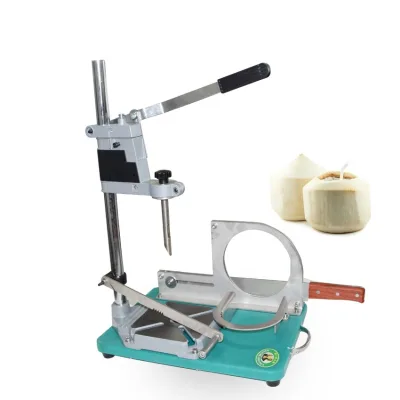
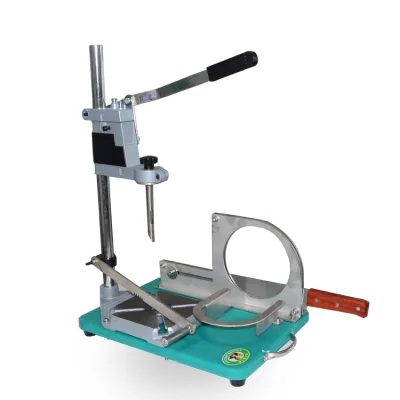
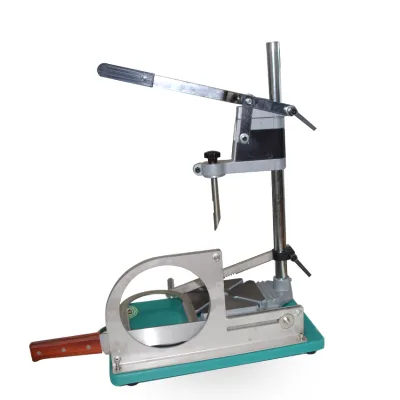
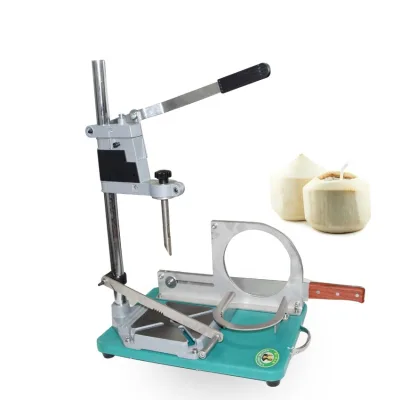
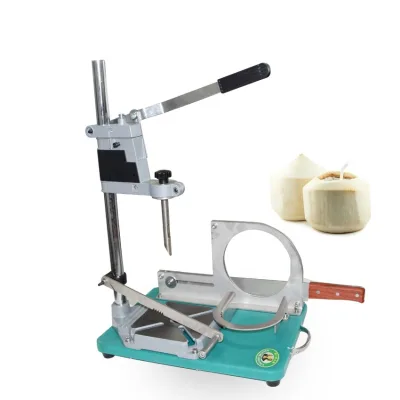

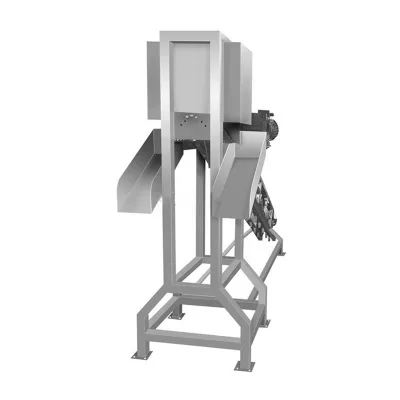
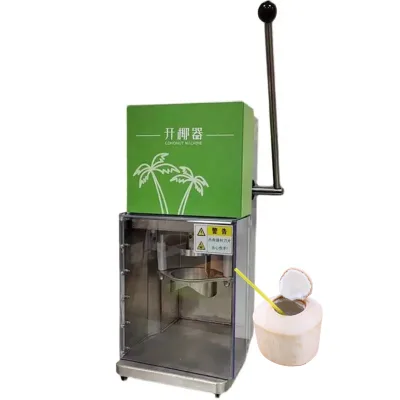

High Quality Coconut Water Extractor Green Coconut Opener Coconut Cutting Machine
$1900.00 - $2400.00
MOQ: 1 Pieces

Coconut Cutting Opener Machine Coconut Water Extraction Machine Automatic
$1900.00 - $2400.00
MOQ: 1 Pieces
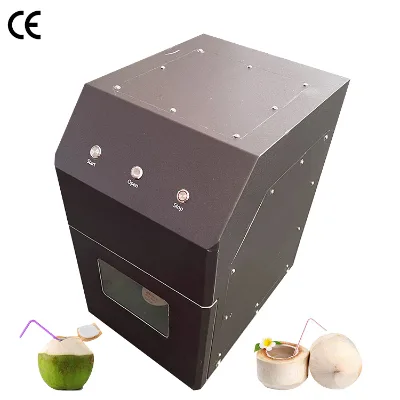
Green Coconut Top Cutting Machine Fresh Coconut Opening Opener Machine
$1707.57 - $2203.58
MOQ: 1 sets


2023 Newest Green Coconut Cutting Machine Coconut Opener Machine for Sale
$7900.00 - $15000.00
MOQ: 1 Sets

Commercial Green Coconut Opening Machine Fresh Green Coconut Opener Machine
$500.00 - $600.00
MOQ: 1 Sets


High Efficiency Green Coconut Whole Opener Green Coconut Opener with Lowest Price
$7900.00 - $15000.00
MOQ: 1 Sets


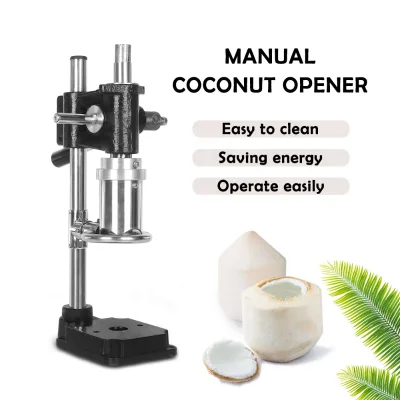
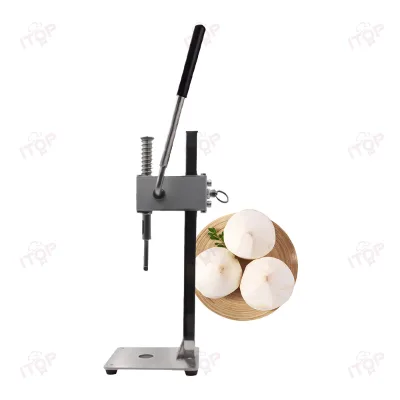
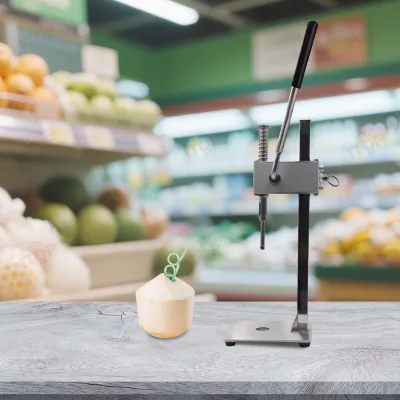


Comprehensive Sourcing Guide
Green Coconut Cutting Opener Sourcing Guide
Sourcing a Green Coconut Cutting Opener requires a clear understanding of the operational environment, whether for small-scale fresh fruit vendors or large-scale industrial processing facilities. The market offers a diverse range of solutions, from manual handheld tools to fully automated electric machines. Buyers must first determine their throughput requirements and labor constraints before evaluating specific models. The decision between manual and automatic systems significantly impacts capital expenditure, operational speed, and long-term maintenance costs. Understanding these foundational differences is the first step in building a successful procurement strategy for coconut processing equipment.
This guide focuses on the technical, commercial, and compliance aspects of sourcing green coconut openers, drawing on observed market data and standard industry practices. It is designed to help procurement professionals navigate the complexities of supplier evaluation, specification verification, and risk management. By adhering to the evidence-based insights provided, buyers can avoid common pitfalls such as mismatched capacity claims, inadequate material standards, or insufficient after-sales support. The goal is to equip buyers with the knowledge to make informed decisions that align with their specific business needs and operational goals.
Product Scope and Observed Listing Signals
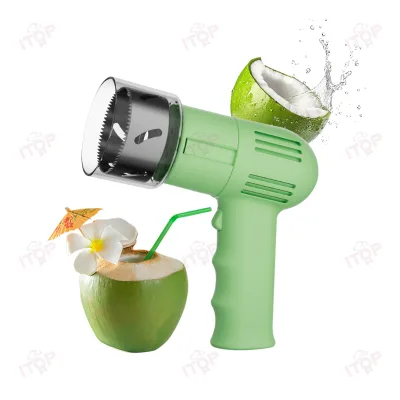
The product landscape for green coconut openers is characterized by a wide variance in functionality, power sources, and physical dimensions. Observed listings indicate a spectrum ranging from simple manual tools to complex electric machines with significant power requirements. For instance, some units are described as manual coconut openers with zero power consumption, while others are labeled as automatic coconut cutting machines with power ratings up to 1.5KW. This disparity highlights the importance of carefully reviewing product attributes to ensure the selected machine aligns with the intended application, whether it is for fresh coconut sales in markets or industrial-scale juice extraction.
Material composition and build quality are critical differentiators in this category. Many suppliers specify the use of 304 Stainless Steel or general stainless steel for contact parts, which is essential for hygiene and corrosion resistance in wet environments. Observed weights vary dramatically, from lightweight units around 8 KG to heavy-duty industrial machines weighing up to 400 KG. These physical characteristics often correlate with the machine’s capacity and durability. Buyers should pay close attention to the stated capacity, such as 600 pieces per hour for certain electric models, to ensure the equipment can meet their production targets without becoming a bottleneck in the workflow.
Technical Specifications to Verify
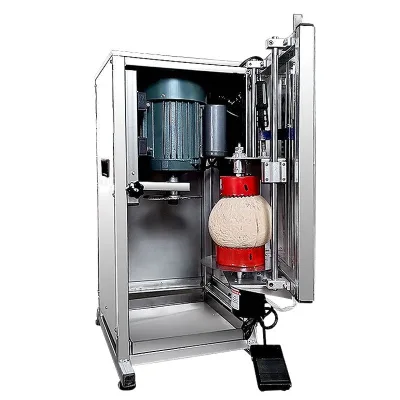
When evaluating technical specifications, buyers must verify the core components and mechanical design of the opener. The presence of a motor is a key indicator of an electric or automatic system, which typically offers higher consistency and speed compared to manual alternatives. It is crucial to confirm the motor’s power rating and compatibility with local electrical standards, as observed listings show power options ranging from 0W for manual tools to 1.5KW for industrial units. Additionally, the dimension of the machine, such as 280385540mm for smaller units or 32008502300mm for larger ones, must be assessed against the available floor space in the processing facility.
Capacity and efficiency metrics are equally important for operational planning. Buyers should verify the stated output, such as 600 pieces per hour, and cross-reference this with the machine’s type, whether it is manual, electric, or automatic. The single package size and gross weight, which can range from 12 KG to significantly higher values, are vital for logistics and shipping cost calculations. Furthermore, the model number and brand name, such as JAWO Brand or SHENZHOU, should be recorded for future reference and spare parts ordering. Ensuring that these technical details are accurately documented in the purchase order is essential to avoid receiving equipment that does not meet the required performance standards.
Compliance and Safety Documentation
Compliance with safety and quality standards is non-negotiable when sourcing food processing equipment. The CE certification is a common requirement for machines intended for use in many international markets, indicating adherence to European health, safety, and environmental protection standards. Buyers must request valid CE certificates and verify their authenticity with the issuing body. Additionally, the warranty period, which varies from 1 Year to 2 Years in observed listings, provides a layer of protection against manufacturing defects. A longer warranty period often reflects the supplier’s confidence in the product’s durability and quality.
Documentation regarding machinery test reports and outgoing inspections is another critical aspect of compliance. While some listings indicate that machinery test reports are not available, others mention that video outgoing inspections are provided. Buyers should insist on comprehensive documentation, including electrical safety certificates and material composition reports, especially for stainless steel parts. Verifying that the machine meets local regulatory requirements is essential to avoid legal issues and ensure the safety of operators. Proactively requesting these documents during the quotation phase can help identify suppliers who prioritize transparency and quality assurance.
Cost Drivers and Commercial Terms
The cost of a green coconut opener is influenced by several factors, including the machine’s power, material quality, and automation level. Electric and automatic machines with higher capacities and robust stainless steel construction typically command higher prices than manual or semi-automatic alternatives. The observed price range of 17-15000 USD reflects this diversity, with basic tools at the lower end and industrial-grade systems at the higher end. Buyers should align their budget with their operational needs, considering not just the initial purchase price but also the long-term value provided by efficiency and durability.
Minimum Order Quantity (MOQ) and payment terms are key commercial considerations. Observed MOQs range from 1 Set to 50, offering flexibility for both small businesses and large enterprises. Buyers should negotiate terms that suit their cash flow and inventory management strategies. Additionally, the availability of OEM services and customized options can add value for brands looking to differentiate their equipment. It is important to clarify all commercial terms, including shipping costs, insurance, and delivery timelines, to avoid unexpected expenses. Clear communication of these terms ensures a smooth transaction and sets realistic expectations for both parties.
Supplier Qualification and Quality Control
Supplier qualification is a critical step in mitigating procurement risks. Buyers should assess the supplier’s experience, production capacity, and reputation in the market. The place of origin, such as Henan, China, can provide insights into the supplier’s industrial ecosystem and supply chain capabilities. Verifying the supplier’s business license and export history can help ensure they are a legitimate and reliable partner. Additionally, the availability of after-sales services, such as online support, is a valuable indicator of the supplier’s commitment to customer satisfaction.
Quality control measures should be integrated into the procurement process to ensure the received equipment meets the specified standards. Buyers should request detailed product specifications, material certificates, and performance test results before placing an order. Conducting pre-shipment inspections or requesting video evidence of the machine’s operation can provide additional assurance of quality. Establishing a clear communication channel with the supplier for addressing any issues post-delivery is also essential. By prioritizing supplier qualification and rigorous quality control, buyers can minimize the risk of receiving substandard equipment and ensure a successful procurement outcome.
Long-Term Procurement Checks
Long-term procurement success depends on establishing a sustainable relationship with suppliers and continuously monitoring performance. Buyers should regularly review supplier performance metrics, such as delivery times, product quality, and after-sales support responsiveness. Maintaining open communication and providing feedback can help strengthen the partnership and drive continuous improvement. Additionally, staying informed about industry trends and technological advancements can help buyers identify opportunities for upgrading their equipment and improving operational efficiency.
Regular maintenance and spare parts availability are crucial for the longevity of green coconut openers. Buyers should ensure that the supplier offers a reliable supply of spare parts and provides clear maintenance guidelines. Establishing a preventive maintenance schedule can help extend the machine’s lifespan and reduce downtime. Furthermore, buyers should periodically reassess their procurement needs to ensure that the equipment continues to meet their evolving business requirements. By adopting a proactive approach to long-term procurement, buyers can maximize the value of their investment and maintain a competitive edge in the market.
FAQs
What is the material of the green coconut opener?
The green coconut opener is constructed from 304 Stainless Steel to ensure durability and hygiene. This material resists corrosion and is suitable for commercial and industrial applications involving fresh coconuts.
How much does the green coconut opener weigh?
The product weight is listed as 8 KG, while the single gross weight is 12.000 kg. The machine also has a cross weight of 10kgs depending on the specific configuration and packaging used.
Can the green coconut opener be customized?
Yes, the green coconut opener offers customized options for buyers. OEM services are available, allowing clients to tailor the machine to their specific operational needs and branding requirements.
What is the warranty period for the green coconut opener?
The warranty period for the green coconut opener is typically 1 Year, though some models may offer 2 Years. Buyers should verify the specific warranty terms associated with their selected model number.
Where is the green coconut opener manufactured?
The green coconut opener is manufactured in Henan, China. This location serves as the primary place of origin for the machinery, ensuring compliance with local production standards.
What is the capacity of the green coconut opener?
The green coconut opener has a capacity of 600 PCS per hour. This high output makes it suitable for commercial and industrial applications requiring efficient processing of fresh coconuts.
Does the green coconut opener require a motor?
Yes, the green coconut opener includes a motor as a core component. The power consumption is listed as 1.5KW for the electric version, ensuring efficient operation for automatic cutting tasks.
What certifications does the green coconut opener have?
The green coconut opener holds CE certification, indicating compliance with European safety standards. This certification is a key attribute for buyers seeking reliable and safe industrial machinery.