Source Green Elevator Pcb for Control Systems and Public Traffic
Find 30 Green Elevator Pcb options from Chinese manufacturers. Compare specifications like load capacity, speed, and model numbers for control systems in public traffic. Verify ISO9001 certification and warranty terms to select suitable parts for your elevator needs; compare the available evidence and request quotations based on your requirements.
Key considerations
Products List


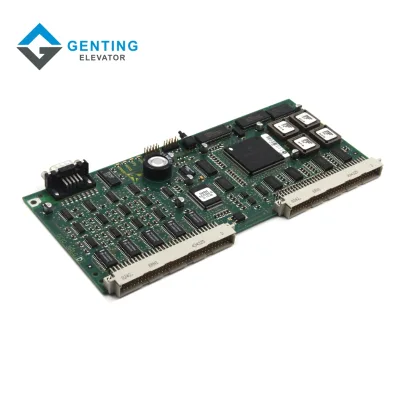


Elevator Contactor Board ID. Nr. 591506 ID. Nr. 591538 Elevator Parts PCB
$300.00 - $400.00
MOQ: 1 Pieces

$1.50 - $3.20
MOQ: 1 Pieces


Comprehensive Sourcing Guide
Green Elevator Pcb Sourcing Guide
Procuring green elevator PCBs requires a strategic focus on components that support energy-efficient control systems within modern vertical transportation infrastructure. The available market data indicates a diverse range of models, such as the Jaa26801aah006 and Gda26800kp2, which are specifically designed for elevator applications with varying load capacities up to 2000kg. Buyers must recognize that these printed circuit boards serve as the central nervous system for elevators suitable for public traffic, ensuring precise speed control between 2.00 and 3.50m/s while managing passenger loads of up to 11 persons.
When evaluating potential inventory, it is critical to distinguish between generic manufacturer offerings and specialized units tailored for specific elevator architectures. The observed listings include various model numbers like Sm-03-D and ID Nr.590869, suggesting a broad spectrum of compatibility across different elevator brands and systems. Sourcing decisions should prioritize components that align with the specific technical requirements of the installation site, ensuring that the selected PCB can handle the unique electrical demands of the target elevator system without requiring extensive modification or retrofitting.
Product Scope and Observed Listing Signals
The current market for elevator control systems presents a wide array of product attributes that buyers must navigate to find the correct fit for their projects. Listings frequently highlight customization availability, allowing procurement teams to request specific configurations that match existing infrastructure constraints. This flexibility is essential when dealing with older elevator models or unique installation environments where standard off-the-shelf components may not integrate seamlessly with the existing control logic or safety mechanisms.
Observations of product listings reveal significant variation in packaging and origin, with items often shipped in standard export packing boxes or wooden crates from regions like Shaanxi, China. These logistical details are vital for supply chain planning, as the physical dimensions of the single package, such as the 30x20x10 cm size noted for certain units, directly impact shipping costs and storage requirements. Buyers should verify the transportation method, such as air transportation, to ensure timely delivery for time-sensitive elevator maintenance or new construction projects.
Technical Specifications to Verify
Technical verification begins with confirming the load capacity and speed ratings associated with the specific PCB model to ensure operational safety and efficiency. The data indicates that certain units are rated for 1000kg or 2000kg loads, which dictates the maximum passenger capacity and the mechanical stress the control system must manage. It is imperative to match the PCB's rated capacity with the actual elevator specifications to prevent system failures, as an undersized control board could lead to erratic movement or safety shutdowns during peak usage periods.
Buyers must also scrutinize the model numbers and compatibility codes, such as Gga26800lj4 or Aea26800aml4, to confirm they are designed for the specific elevator brand and generation. The presence of various model identifiers suggests that these components are not universally interchangeable, and using an incorrect board could result in communication errors with the drive motor or safety relays. Detailed cross-referencing of the model number against the elevator's original equipment manufacturer documentation is necessary to guarantee that the electronic interface will function correctly within the existing system architecture.
Compliance and Safety Documentation
Ensuring that elevator PCBs meet international safety and quality standards is a non-negotiable aspect of the procurement process for any commercial or residential building. The available information confirms that many suppliers provide ISO9001 certification, which serves as a baseline indicator of a manufacturer's commitment to quality management systems. While specific safety standards like EN 55032 or EN 55035 are mentioned in broader industry contexts, buyers must explicitly request and verify that the specific PCB batch complies with the local regulatory requirements of the installation location.
Documentation regarding the product's material composition and environmental compliance is equally critical for modern green building initiatives. Although some background data references RoHS, the primary focus should be on obtaining the actual test reports and material safety data sheets for the specific board being purchased. Buyers should ensure that the PCBs are constructed from materials that do not contain hazardous substances, thereby supporting sustainability goals and ensuring the product can be safely disposed of or recycled at the end of its lifecycle.
Cost Drivers and Commercial Terms
The pricing structure for elevator PCBs is influenced by a complex mix of factors, including the specific model complexity, customization requirements, and the volume of the order. The observed price range spans from 0.1 to 9999 USD, reflecting the vast difference between simple replacement boards and highly specialized control systems with advanced features. Buyers should be prepared for significant price variations based on the technical specifications, such as the inclusion of specific communication protocols or the ability to handle higher load capacities, which command a premium in the market.
Commercial terms, particularly the Minimum Order Quantity (MOQ), play a crucial role in the total cost of ownership for procurement teams. Many suppliers list an MOQ of just 1 piece or 1 pcs, which offers flexibility for small-scale repairs or pilot projects without the burden of large inventory commitments. However, buyers must carefully review the warranty terms, which are typically offered for one year, and understand the conditions under which the guarantee applies to ensure that the financial risk of component failure is adequately mitigated.
Supplier Qualification and Quality Control
Selecting a qualified supplier involves verifying their business type and their capacity to provide consistent quality across multiple orders. The market data identifies several manufacturers as the primary source of these components, indicating a direct relationship between the buyer and the production facility. This direct sourcing model often allows for better communication regarding technical specifications and faster resolution of any quality issues that may arise during the installation or testing phase of the elevator system.
Quality control measures should extend beyond the initial purchase to include ongoing verification of the supplier's after-sales support capabilities. The availability of online technical support is a key indicator of a supplier's commitment to long-term customer satisfaction and system reliability. Buyers should establish clear protocols for troubleshooting and replacement, ensuring that the supplier can provide rapid assistance if the PCB encounters issues, thereby minimizing elevator downtime and maintaining passenger safety standards.
Long-Term Procurement Checks
Establishing a long-term procurement strategy requires regular audits of the supplier's ability to maintain consistent product quality and availability. Buyers should monitor the consistency of model numbers and specifications over time to ensure that replacement parts remain compatible with the existing elevator fleet. This proactive approach helps prevent situations where a specific model becomes obsolete or is discontinued, leaving the building with no viable options for future maintenance or upgrades.
Continuous evaluation of the supplier's performance against the agreed-upon warranty and service levels is essential for maintaining operational efficiency. The one-year warranty period provides a baseline for assessing the durability of the PCBs, but buyers should also track the frequency of failures and the responsiveness of the supplier's technical support team. By maintaining a detailed record of these interactions, procurement teams can make data-driven decisions about whether to continue the relationship or explore alternative suppliers that better meet the evolving needs of the elevator infrastructure.
FAQs
What specifications are available for Green Elevator Pcb models?
Available models include Jaa26801aah006, Gda26800kp2, and Gga26800lj4. These units support load capacities of 1000kg or 2000kg. They are suitable for elevators with 11 persons. Speed ratings range from 2.00 to 3.50m/s. Customization is available for specific operational requirements.
Can Green Elevator Pcb units be customized for specific needs?
Yes, customization is available for these elevator parts. Buyers can request specific configurations to match their elevator systems. The products are designed for public traffic use. This flexibility ensures compatibility with various elevator control systems and operational environments.
What certifications do these Green Elevator Pcb products hold?
The products hold ISO9001 certification. This ensures quality management standards are met during manufacturing. The brand is listed as General or Other. Some items may carry Schindler branding. These certifications verify the reliability and safety of the electronic components.
What is the warranty period for Green Elevator Pcb components?
The warranty time is one year. This guarantee covers manufacturing defects and initial performance issues. Buyers receive online technical support for troubleshooting. The standard export packing box or wooden packing protects the items during transit.
Where are these Green Elevator Pcb components manufactured?
The place of origin is China. Some specific items originate from Shaanxi. The manufacturer type is listed as a direct producer. This location supports the supply chain for global elevator parts distribution and logistics.
What is the minimum order quantity for these elevator parts?
The minimum order quantity is 1 piece. This low MOQ allows for easy sampling and small batch testing. Buyers can order single units for immediate replacement needs. The pricing range is broad, starting from low costs up to higher tiers.