Source Green Compatible OPC Drum for Printers, Copiers, and Plotters
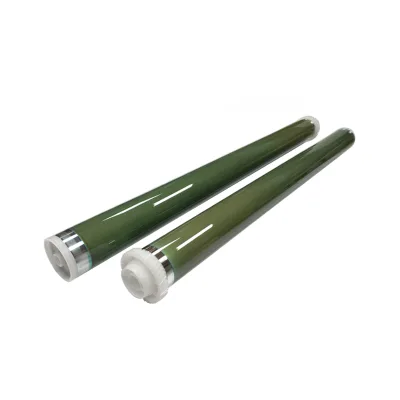
Find 30 Green Compatible OPC Drum units from verified suppliers. Buyers can compare specifications, pricing, and delivery times for models supporting Sharp, KIP, and HP devices with stable performance and long life.
Key considerations
Products List


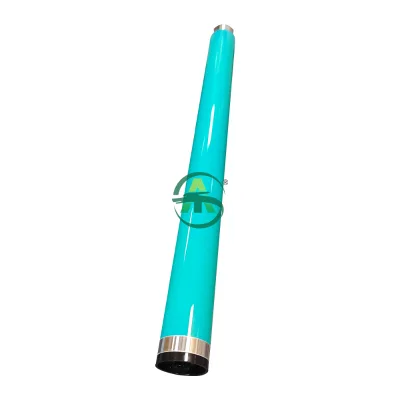
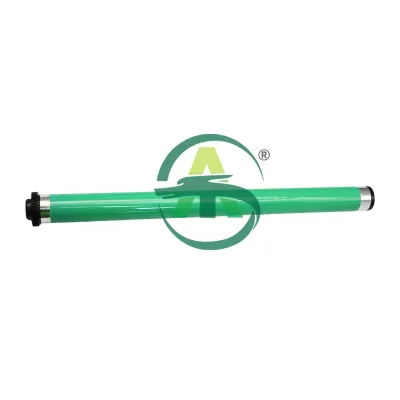
Ebest China Factory High Quality Copier OPC Drum for B250 350 200 282 Drum
$7.20 - $8.50
MOQ: 1 Pieces


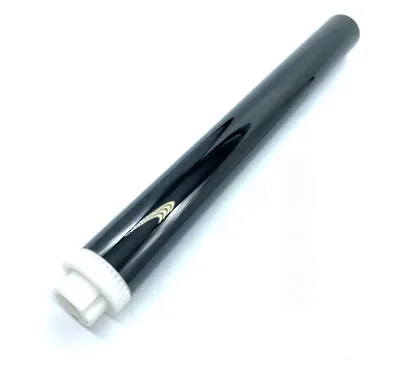
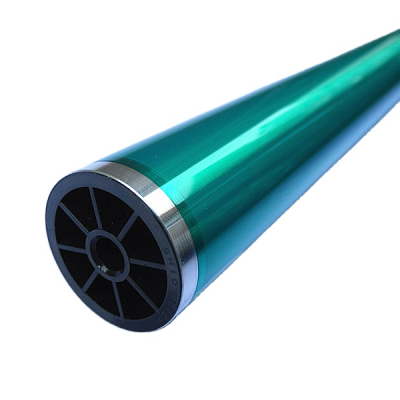
Ebest Kip7000 OPC Drum with Drumhead Kip 7000/7700/7900 Long Life OPC Drum
$288.00 - $295.00
MOQ: 1 Pieces


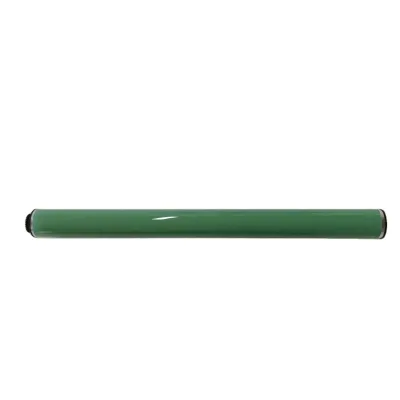
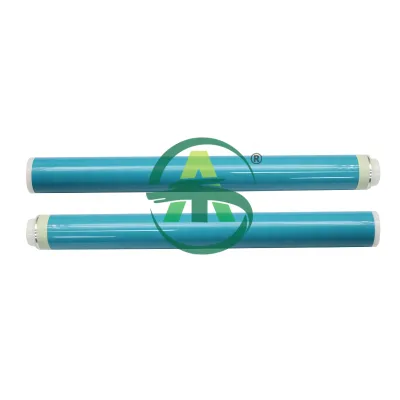
OPC Drum for Brother Hl-1110 1111 DCP-1510 1511 MFC-1810 Dr-1035 1000 (TN1070)
$1.88 - $2.23
MOQ: 10 Pieces






Comprehensive Sourcing Guide
Strategic Sourcing Guide for Green Compatible OPC Drums
Understanding the Core Product Category and Technical Baseline
The procurement of green compatible OPC (Organic Photoconductor) drums requires a precise understanding of the component's role within the broader imaging ecosystem. These drums are critical for laser printers and multifunction copiers, serving as the light-sensitive surface that transfers toner to paper. In the context of sustainable procurement, "green compatible" refers to remanufactured or third-party engineered units designed to replace original equipment manufacturer (OEM) parts while minimizing environmental impact through reduced waste and resource consumption.
Based on observed market data, the technical landscape for these components is diverse. The product attributes indicate a strong emphasis on compatibility, with specific models such as the EP R-MP501, B250, and C451 appearing in listings. Furthermore, the market includes units specifically engineered for Sharp printers, identified by model numbers like MX27 and SHARP 016. A significant portion of the inventory is categorized under the "OPC Drum" species, with some units explicitly noted as "Re-Manufactured." This distinction is vital for buyers, as re-manufactured units often undergo a rigorous restoration process that aligns with green procurement goals.
The physical specifications vary significantly across the supply chain. Observed dimensions range from compact units measuring 351515 to larger configurations like 313116cm. Packaging standards are equally varied, with "Neutral Packing" and "Neural Packing" (often a variation of neutral packaging) being common to reduce branding waste. The origin of these products is predominantly China, with some specific high-performance variants noted as originating from Japan. This geographic diversity suggests a global supply chain where buyers must verify the specific manufacturing origin to ensure consistency with their regional compliance requirements.
Technical Specifications and Performance Verification
When evaluating green compatible OPC drums, buyers must move beyond generic marketing terms and focus on verifiable technical specifications. The core performance metric for these drums is often linked to their print run capacity. Data indicates that blue drum variants typically offer a print run of 50-70 kilometers. This metric is crucial for calculating the total cost of ownership and determining the frequency of replacement cycles.
The operational characteristics of these drums also vary. Some units are designed with a "Drumhead" feature, which may enhance durability or ease of installation. The installation method is another critical technical parameter; many modern compatible drums support "Auto-detection," allowing the printer to recognize the new component without manual intervention. This feature reduces downtime and minimizes the risk of installation errors. Additionally, the replacement ratio is often standardized at 1:1, ensuring that the compatible unit fits the exact physical and electrical requirements of the host machine.
Color and optical properties are equally important. While some drums are specified as "Black and White," others are available in "Color" or "Blue" variants, catering to different printing needs. The development way for these components is often described as "Double-Package," which may refer to a dual-layer coating or a specific packaging method designed to protect the sensitive photoconductive surface during transit. The interface type for the associated equipment is frequently Ethernet, indicating integration with networked office environments.
To ensure technical reliability, buyers should verify the "Operating Principle," which is typically digital for modern laser systems. The "Copy Speed" is generally categorized as "Middle," suggesting a balance between throughput and image quality. The maximum copy size is often A3, which is standard for office multifunction devices. By cross-referencing these specific attributes against the requirements of the target printer models, procurement teams can avoid compatibility issues that lead to wasted inventory.
Compliance, Certification, and Environmental Standards
Sourcing green compatible OPC drums necessitates a rigorous approach to compliance and certification. While the market offers a wide array of products, not all meet the same environmental or quality standards. The most frequently observed certifications in the supply chain include ISO9001 and ISO14001. ISO9001 indicates a commitment to quality management systems, ensuring that the manufacturing process is consistent and reliable. ISO14001, on the other hand, specifically addresses environmental management, which is a core requirement for "green" procurement initiatives.
It is important to note that while some listings mention CE or RoHS, these should be treated as background information rather than guaranteed attributes for every unit. Buyers must explicitly request proof of certification for the specific batch of drums they intend to purchase. The presence of "100% Tested Strictly Before Delivery" is a high-confidence attribute observed in the market, serving as a proxy for quality assurance. This testing protocol is essential for verifying that the drums meet performance expectations before they leave the supplier's facility.
The warranty period is another critical compliance metric. A standard warranty of 18 months is observed in the product data, providing a safety net for buyers against premature failure. This warranty period should be clearly defined in the procurement contract, specifying the conditions under which a replacement or refund will be issued. Additionally, the "Quality" attribute is often described as "Long Life/Stable," which implies that the drums are engineered to withstand the mechanical stresses of high-volume printing without degrading prematurely.
Buyers should also verify the "Original Mfr/Compatible" status. While many products are labeled as "Compatible," the degree of compatibility can vary. Some units are designed to be "Re-Manufactured," which involves reclaiming and refurbishing used OEM drums. This process is inherently more sustainable than producing new drums from raw materials. However, the quality of the re-manufacturing process must be validated through the aforementioned certifications and testing protocols.
Cost Drivers and Economic Considerations
The economic landscape for green compatible OPC drums is characterized by a wide price range, observed between 0.51 and 510.28 USD. This significant variance is driven by several factors, including the specific model compatibility, the complexity of the re-manufacturing process, and the volume of the order. The minimum order quantity (MOQ) ranges from 1 to 50 units, offering flexibility for both small offices and large enterprises.
One of the primary cost drivers is the "Factory Direct Sales" advantage. Suppliers that bypass intermediaries can often offer more competitive pricing. However, buyers must balance cost savings with the risk of lower quality or reduced support. The "Stock" availability is another economic factor; products that are "Have Stock" can be delivered immediately, reducing the need for inventory holding costs and minimizing downtime. In contrast, products with longer lead times may require advance planning and potentially higher safety stock levels.
The "Delivery Time" is often cited as "Fast Delivery Time," which is a significant value proposition for businesses with urgent needs. However, the actual lead time should be confirmed with the supplier, as it can vary based on production capacity and logistics. The "Breadth" of the product line, described as "General," suggests that these drums are suitable for a wide range of applications, which can help buyers consolidate their sourcing and negotiate better volume discounts.
When evaluating cost, buyers should also consider the "Double Function" capabilities of the drums. Some units offer "Automatic" features that may reduce operational complexity and labor costs. The "Color Type" is listed as "Colored," which may command a premium price but offers versatility for color printing tasks. Ultimately, the total cost of ownership should be calculated by factoring in the print run capacity, warranty terms, and the potential cost of downtime due to drum failure.
Typical Applications and Printer Compatibility
Green compatible OPC drums are designed to serve a broad spectrum of printing applications, from small office environments to large-scale commercial printing facilities. The specific models observed, such as the HP P1505, KIP7000/7700/7900, and Sharp MX27, indicate that these components are compatible with a diverse range of printer brands and models. This versatility allows buyers to standardize their procurement across different departments and locations.
The "For Printer Brand" attribute highlights the importance of matching the drum to the specific printer manufacturer. For instance, drums designed for Sharp printers must meet the unique optical and mechanical requirements of Sharp imaging systems. Similarly, units for KIP series printers are tailored to the high-volume, large-format needs of architectural and engineering firms. The "Max Copy Size" of A3 suggests that these drums are suitable for standard office documents as well as larger technical drawings.
The "Operating Principle" being digital is consistent with modern printing technology, ensuring that the drums work seamlessly with digital workflows. The "Interface Type" of Ethernet further supports integration into networked environments, allowing for centralized management and monitoring. The "Development Way" of "Double-Package" may also be relevant for specific applications where protection during shipping is critical, such as in long-distance logistics.
Buyers should verify the "Drum Color" and "Print Runs" to ensure the selected drum meets the specific color and volume requirements of their application. For example, a blue drum with a 50-70 kilometer print run may be ideal for a high-volume office, while a black and white drum might be more suitable for a specialized printing task. The "Installation Method" of "Auto-detection" simplifies the deployment process, making these drums accessible to non-technical staff.
Supplier Evaluation and Quality Control Protocols
Selecting the right supplier is paramount to the success of a Green Compatible OPC Drum procurement strategy. Buyers should prioritize suppliers that demonstrate a commitment to quality through rigorous testing and certification. The "100% Tested Strictly Before Delivery" attribute is a strong indicator of a supplier's dedication to quality control. This testing should be documented and verifiable, providing assurance that each drum meets the specified performance standards.
The "Certification" status, particularly ISO9001 and ISO14001, should be a key evaluation criterion. These certifications indicate that the supplier has established processes for quality management and environmental responsibility. Buyers should request copies of these certificates and verify their validity with the issuing bodies. Additionally, the "Warranty" period of 18 months should be clearly defined in the supplier agreement, outlining the terms for replacement or repair in case of failure.
The "Stock" availability and "Delivery Time" are also critical factors in supplier evaluation. Suppliers that maintain a robust inventory and offer fast delivery can help buyers mitigate the risk of stockouts and production delays. The "Advantage" of "Factory Direct Sales" should be leveraged to negotiate better pricing and terms, but buyers must ensure that this direct relationship does not compromise the quality of the product or the level of support provided.
Quality control should extend beyond the initial purchase. Buyers should implement a system for monitoring the performance of the drums in the field, tracking metrics such as print quality, failure rates, and lifespan. This data can be used to refine future procurement decisions and identify suppliers that consistently deliver high-quality products. The "Quality" attribute of "Long Life/Stable" should be validated through real-world usage data, rather than relying solely on supplier claims.
Long-Term Procurement and Sustainability Strategy
Adopting a long-term procurement strategy for green compatible OPC drums requires a focus on sustainability, cost efficiency, and supply chain resilience. The "Re-Manufactured" nature of many of these drums aligns with circular economy principles, reducing waste and conserving resources. By choosing compatible drums over OEM parts, buyers can significantly lower their environmental footprint while maintaining high printing performance.
The "Green" aspect of these products is not just a marketing term but a reflection of the manufacturing and disposal processes involved. Buyers should seek suppliers that prioritize eco-friendly materials and production methods. The "ISO14001" certification is a strong indicator of a supplier's commitment to environmental management. Additionally, the "Neutral Packing" or "Neural Packing" observed in the market suggests a move towards reducing packaging waste, which is another key component of sustainable procurement.
Long-term success also depends on building strong relationships with reliable suppliers. The "Factory Direct Sales" model can facilitate closer collaboration, allowing buyers to provide feedback and influence product development. This partnership approach can lead to continuous improvement in product quality and sustainability. The "18 Months" warranty provides a safety net, but buyers should also consider the total cost of ownership, including the cost of disposal and the environmental impact of the drums at the end of their life.
Finally, buyers should stay informed about emerging technologies and standards in the OPC drum market. As the industry evolves, new features such as improved "Auto-detection" capabilities or enhanced "Print Runs" may become available. By maintaining a proactive approach to procurement, buyers can ensure that their organization remains competitive and sustainable in the long run. The "Double Function" and "Automatic" features observed in the market are examples of innovations that can enhance operational efficiency and reduce resource consumption.
FAQs
What certifications do green compatible OPC drums typically have?
Green compatible OPC drums typically hold ISO9001 and ISO14001 certifications. These standards verify quality management and environmental responsibility. Some listings also mention 100% strict testing before delivery to ensure reliability.
How long is the warranty period for these drums?
The standard warranty period observed is 18 months. This coverage protects buyers against premature failure. It ensures stability and long life for the product during regular office or commercial use cycles.
Which printer models are compatible with these OPC drums?
These drums are compatible with models like EP R-MP501, B250, C451, and Sharp MX27. They also support KIP series printers such as KIP7000. Specific compatibility depends on the exact model number required.
Can I find drums with auto-detection installation features?
Yes, many units feature auto-detection installation methods. This allows the printer to recognize the new component without manual intervention. It reduces downtime and minimizes the risk of installation errors for non-technical staff.
What is the typical print run capacity for blue drums?
Blue drum variants typically offer a print run of 50 to 70 kilometers. This metric helps calculate the total cost of ownership. It indicates the frequency of replacement cycles needed for high-volume printing tasks.
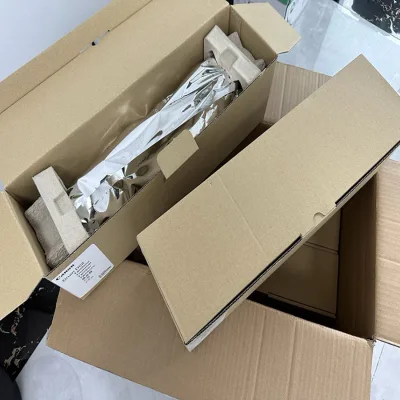
How are these drums packaged for shipping?
Drums are commonly packaged in neutral or neural packing to reduce branding waste. Some specific units come in standard packets containing one piece per packet. This packaging protects the sensitive photoconductive surface during transit.
Where are these green compatible drums manufactured?
Most products originate from China, with some high-performance variants made in Japan. The geographic diversity suggests a global supply chain. Buyers should verify the specific manufacturing origin to ensure consistency with regional compliance requirements.