Source Green Inflatable Sport Obstacles for Parks and Events
Find 30 listings for Green Inflatable Sport Obstacles designed for parks, amusement centers, and squares. Buyers can compare specifications, certifications, and prices from verified Chinese manufacturers offering custom sizes and durable PVC materials.
Key considerations
Products List


Giant Inflatable Big Obstacle Park Inflatable Sport Obstacle Courses
$800.00 - $21500.00
MOQ: 1 Pieces

Inflatable Obstacle Course for Children Fun Sport Obstacle Course Games
$999.00 - $3500.00
MOQ: 1 Pieces

Adult and Child Inflatable Interactive Obstacle Course Sport Equipment
$500.00 - $3000.00
MOQ: 1 Pieces

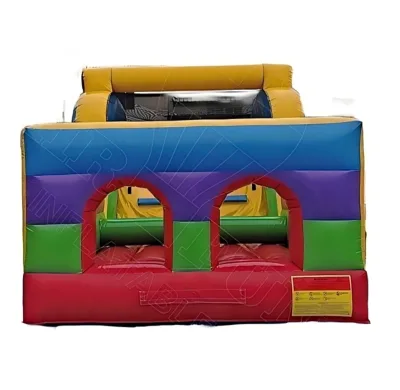


Sport Toys Inflatable Playground Kids Inflatable Obstacle Course for Sale
$1200.00 - $3500.00
MOQ: 1 Pieces

Great Fun Inflatable Race Extreme Inflatable 5K Obstacle Course for Adults
$29999.00 - $39999.00
MOQ: 1 Pieces


Giant Long Inflatable Obstacle Course for Sale, Inflatable Obstacle with Slide
$1050.00 - $9000.00
MOQ: 1 Pieces

Outdoor Durable CE Standard Long 5K Inflatable Obstacle Course for Sale
$2700.00 - $7000.00
MOQ: 1 Pieces
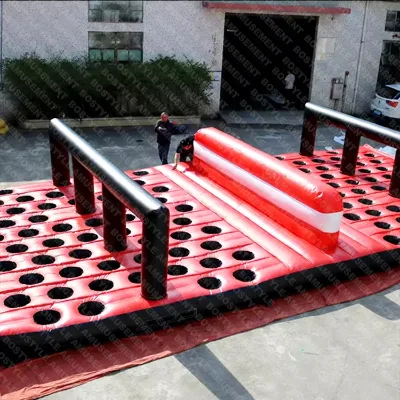
Crazy Inflatable Obstacle Course Run Inflatable Holes Floor Sport Games
$718.97 - $1583.82
MOQ: 1 Minimum
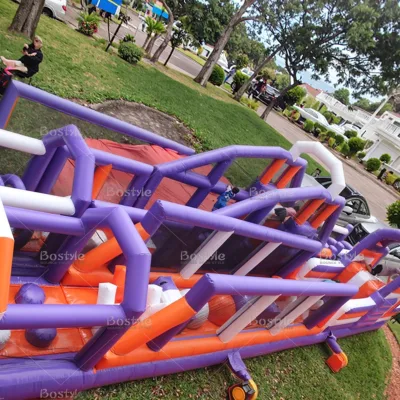


China - Made Outdoor Sport Games Slide Bouncer Inflatable Obstacle Course
$999.00 - $1999.00
MOQ: 1 Pieces

High Quality Outdoor Sport Game Run Obstacles Inflatable Obstacle Course for Sale
$999.00 - $1999.00
MOQ: 1 Pieces

Giant Track Custom Size Inflatable Obstacle Course for School Sport Game
$999.00 - $1899.00
MOQ: 1 Pieces

Hot Sale Kids Outdoor Challenge Playground Inflatable Obstacle Course for Adults
$999.00 - $1999.00
MOQ: 1 Pieces


Commercial Grade Large Outdoor Obstacle Sport Game Inflatable Obstacle Course for Adults
$1500.00 - $2850.00
MOQ: 1 Pieces
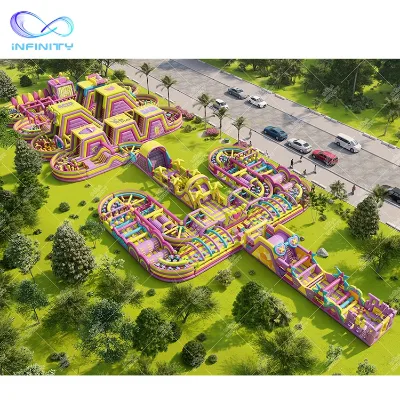


Comprehensive Sourcing Guide
Strategic Sourcing Guide for Green Inflatable Sport Obstacles
Understanding Technical Specifications and Material Integrity
When sourcing Green Inflatable Sport Obstacles, the primary focus must be on the material composition and structural dimensions that define the product's durability and safety. The core material identified in available market data is PVC (Polyvinyl Chloride), specifically noted with a fabric thickness of 0.55mm. This thickness is a critical observation for buyers, as it directly correlates with the product's resistance to tearing and its ability to maintain structural integrity under high-impact conditions typical of sport obstacles. The material is further characterized by its weight, which ranges between 250 and 300 kilograms for standard configurations, indicating a heavy-duty construction suitable for commercial or semi-professional use rather than light recreational play.
The physical dimensions of these obstacles vary significantly based on customization requirements. Observed specifications include a standard size of 12 by 3.5 meters, while other configurations offer dimensions up to 30 by 20 meters. Buyers must recognize that "Customized" is a frequent attribute, meaning the final footprint is often determined by the specific venue constraints and the intended difficulty level of the course. The color profile is also customizable, allowing for the specific "green" aesthetic requested, though this is often part of a broader color scheme that may include other vibrant hues. The production technology employed often involves double stitching, a process that reinforces seams and prevents air leakage, which is essential for maintaining the pressure required for the obstacle course to function correctly.
Compliance, Certification, and Safety Standards
Safety compliance is the most critical factor when procuring inflatable sport obstacles, particularly for use in public parks, amusement centers, or educational settings. The market data indicates a variety of certifications that buyers should verify on a case-by-case basis. Commonly cited standards include CE, EN14960, ASTM, ENUL, TUV, SGS, and ISO. It is important to note that while some product listings explicitly state compliance with EN14960, others list a broader range including ASTM and SGS European Standards. Buyers should not assume that every listed product satisfies all these standards simultaneously; rather, they must request specific test reports or certificates of conformity for the exact model number being purchased.
The standard EN14960 is particularly relevant for inflatable play equipment, covering safety requirements for design, construction, and testing. Additionally, the presence of certifications such as TUV and ISO suggests a commitment to international quality management systems. However, the data also lists "Customized" as a standard in some entries, which implies that the safety certification may need to be verified independently for bespoke designs. For buyers, this means that the procurement process must include a rigorous request for documentation proving that the specific unit, including its blower and anchoring systems, meets the safety regulations of the destination country. The blower itself is another area of compliance, with some listings specifying that the air blower must meet CE or UL standards, ensuring electrical safety and operational reliability.
Cost Drivers and Pricing Variables
The pricing structure for Green Inflatable Sport Obstacles is highly variable, reflecting the complexity of customization and the scale of the order. The observed price range in the market spans from 30 USD to 39,999 USD. This vast disparity is not indicative of quality differences alone but is primarily driven by the size of the unit, the complexity of the design, and the level of customization required. A small, standardized obstacle course will naturally fall at the lower end of this spectrum, while a massive 30 by 20-meter course with custom graphics and advanced features will command a premium price.
Several specific factors influence the final cost. First, the inclusion or exclusion of the air blower is a significant cost driver. Some listings explicitly state that the blower is "Un-Included," while others list it as "Included." Buyers must clarify this in their requests for quotation (RFQ) to avoid unexpected expenses. Second, the customization of the logo and color scheme adds to the cost, particularly when digital printing or silk printing is required for branding. Third, the production technology, such as double stitching, may incur higher labor costs compared to standard welding methods. Finally, the shipping method—whether by air, ocean, or express—will drastically affect the total landed cost. Ocean freight is generally more economical for large, heavy units, while air freight is reserved for urgent, smaller orders.
Typical Applications and Usage Scenarios
Green Inflatable Sport Obstacles are versatile assets designed for a wide range of applications, from commercial entertainment to educational physical training. The primary usage scenarios identified include parks, amusement parks, and public squares. These locations benefit from the high visibility and engaging nature of the obstacles, which attract families and children alike. The target age group for these products varies; some configurations are designed for children aged 5 to 7 years, while others are suitable for older children and teenagers aged 12 to 15 years. This age segmentation is crucial for buyers, as the difficulty level and safety features must match the physical capabilities of the intended users.
Beyond public spaces, these obstacles are ideal for school sports days, corporate team-building events, and temporary amusement festivals. The "Animal" style mentioned in some product attributes suggests that designs can be themed to appeal to younger demographics, while more geometric or abstract designs may suit older audiences. The durability and waterproof nature of the PVC material make these obstacles suitable for both indoor and outdoor use, provided they are properly anchored. The ability to customize the size allows venue owners to fit the obstacle course into existing spaces, whether it is a small community center or a large outdoor festival ground. The inclusion of repair kits and safe rules in the accessories package further supports their use in high-traffic environments where maintenance and safety management are paramount.
Supplier Evaluation and Quality Control Protocols
Selecting a reliable supplier requires a thorough evaluation of their production capabilities and quality control measures. The market data indicates that suppliers often have a dedicated Professional QC Department, which is a positive indicator of their commitment to maintaining product standards. Buyers should verify the existence of this department and inquire about their specific inspection protocols. Key areas to inspect include the seam strength, the integrity of the PVC material, and the functionality of the blower systems. The production origin is consistently listed as Guangzhou, China, or Mainland China, which is a major hub for inflatable manufacturing. However, buyers should not rely solely on the region; they must request evidence of the supplier's track record and references from previous clients.
The lead time for production is another critical evaluation point. Observed production times range from 7 working days to 7-15 days, depending on the complexity of the order. For customized orders, the timeline may extend, and buyers should ensure that the supplier provides a realistic schedule. The packaging method, typically using PVC tarpaulin bags or cartons, is also a factor in evaluating supplier professionalism. Proper packaging ensures that the product arrives without damage, which is essential given the weight and fragility of the seams. Additionally, the availability of OEM (Original Equipment Manufacturer) services allows buyers to brand the obstacles with their own logos, a service that requires a supplier with advanced printing capabilities and quality assurance for graphic application.
Long-Term Procurement and Maintenance Considerations
For long-term procurement, buyers must consider the warranty, maintenance requirements, and the lifecycle of the inflatable obstacles. The warranty period observed in the market ranges from 3 to 5 years, which is a significant factor in the total cost of ownership. A longer warranty period often indicates higher confidence in the product's durability and the supplier's willingness to stand behind their goods. Buyers should carefully review the terms of the warranty to understand what is covered, such as material defects versus damage caused by misuse or improper anchoring.
Maintenance is simplified by the inclusion of repair kits, which are often provided for free with the purchase. These kits typically contain patches and adhesive suitable for PVC repair, allowing for quick fixes to minor tears or punctures. The waterproof and fireproof attributes of the material also contribute to the longevity of the product, reducing the frequency of replacements. However, the need for regular inflation and deflation, as well as proper storage, must be managed by the buyer. The shipping method, whether by sea or air, should be chosen based on the urgency of the need and the cost constraints, with ocean freight being the standard for large-scale deployments. By understanding these long-term factors, buyers can make informed decisions that ensure the Green Inflatable Sport Obstacles remain a safe and profitable asset for their organization.
Summary of Key Product Attributes
| Attribute Category | Observed Values / Options |
|---|---|
| Material | PVC (0.55mm thickness) |
| Dimensions | 123.5m, 3020m, or Customized |
| Weight | 250~300 Kg |
| Certifications | CE, EN14960, ASTM, SGS, TUV, ISO (Verify per model) |
| Warranty | 3 Years to 5 Years |
| Blower Status | Included or Un-Included (Verify in RFQ) |
| Target Age | 5-7 Years, 12-15 Years |
| Production Time | 7 Working Days to 15 Days |
| Packaging | PVC Tarpaulin Bags, PVC Carry Bag, Carton |
| Accessories | Repair Kits, Safe Rules, Packing Bag |
| Origin | Guangzhou, China / Mainland China |
This comprehensive overview provides a structured approach for buyers navigating the complex market of Green Inflatable Sport Obstacles. By focusing on verified specifications, rigorous certification checks, and clear communication regarding customization and logistics, buyers can secure high-quality products that meet their specific operational needs while ensuring the safety and satisfaction of their end users.
FAQs
What certifications do Green Inflatable Sport Obstacles typically have?
Products often carry CE, EN14960, ASTM, SGS, TUV, and ISO certifications. Buyers must verify specific test reports for each model as standards vary by listing.
How long is the production lead time for custom orders?
Production usually takes 7 to 15 working days depending on complexity. Custom designs may require the full 15-day window for quality control and stitching.
What material thickness is standard for these inflatable obstacles?
The standard fabric thickness is 0.55mm PVC material. This thickness ensures durability and resistance to tearing during high-impact sport activities.
Are air blowers included with the inflatable obstacle courses?
Some listings include the blower while others list it as un-included. Buyers must confirm blower inclusion in their request for quotation to avoid extra costs.
What warranty period is offered for Green Inflatable Sport Obstacles?
Warranty periods typically range from 3 to 5 years for these products. Longer warranties often indicate higher confidence in material durability and construction quality.
Can the size and color of the obstacles be customized?
Yes, both size and color can be customized to specific venue needs. Standard sizes include 12 by 3.5 meters or 30 by 20 meters depending on the model.
What is the minimum order quantity for purchasing these items?
The minimum order quantity is typically 1 piece for most suppliers. This low MOQ allows buyers to test the product before placing larger orders.