Source Growth Inhibitor Chlormequat Chloride for Fruit Set, Dormancy, and Thinning
Compare 30 listings of Growth Inhibitor Chlormequat Chloride available from Chinese manufacturers. Buyers can evaluate specifications like 98% TC powder and 50% SL liquid formulations for restraining stem growth and promoting fruit maturity.
Key considerations
Products List




Comprehensive Sourcing Guide
Strategic Sourcing Guide for Growth Inhibitor Chlormequat Chloride
Understanding the Product Classification and Core Functionality
When sourcing Chlormequat Chloride, buyers must first distinguish between its specific classification within the broader category of plant growth regulators. The product is explicitly categorized as a Growth Inhibitor and an Auxin in various listings, functioning primarily to restrain the growth of stem leaf buds. This physiological action is critical for agricultural applications where controlling plant height and preventing lodging is necessary. The product is also noted to increase the set of fruit and promote fruit maturity, offering a dual benefit of structural control and yield enhancement.
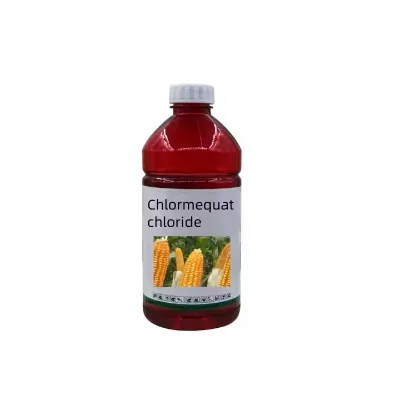
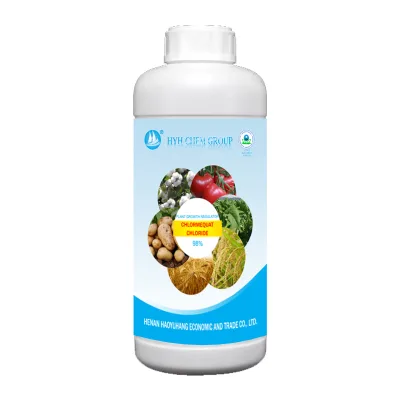
It is important to note that while the core keyword focuses on the growth inhibitor aspect, the same chemical entity or related formulations may appear under different classifications such as Gibberellin or Brassinosteroid in certain supplier catalogs, often with contradictory usage profiles like promoting germination or rooting. Buyers must exercise extreme caution when reviewing product data sheets to ensure the specific batch or formulation matches the intended "Growth Inhibitor" function. The primary mechanism involves the inhibition of gibberellin biosynthesis, which leads to the shortening of internodes. The product is available in multiple forms, including powder and liquid formulations, with specific models such as "Chlormequat Chloride 98%TC" and "Chlormequat 50 SL" indicating different concentration levels and physical states.
Technical Specifications and Formulation Variations
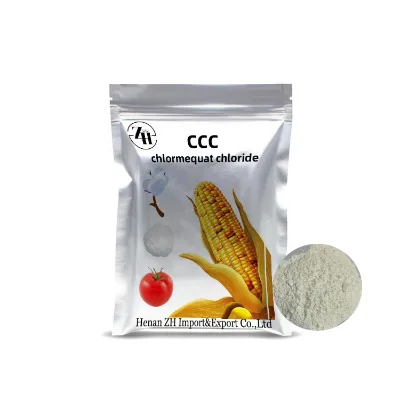
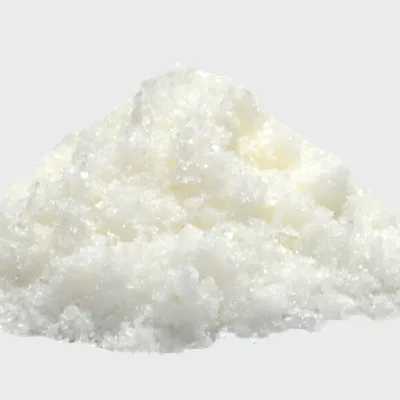
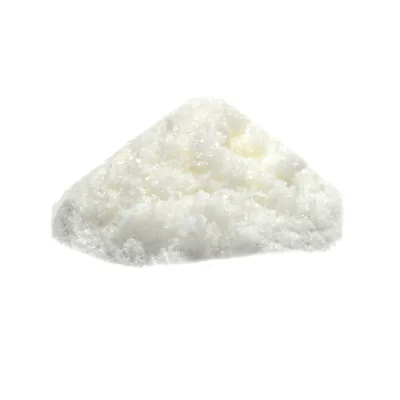
The technical profile of Chlormequat Chloride varies significantly depending on the formulation type selected by the supplier. For the technical concentrate (TC) grade, the product typically presents as a white crystal powder with a high purity level, often cited as 98% or 99% content. The molecular weight for the base compound is recorded at 158.07, with a fusing point ranging between 239 and 243 degrees Celsius and a boiling point of 260 degrees Celsius. These physical constants are essential for verifying the identity of the substance during quality assurance checks.
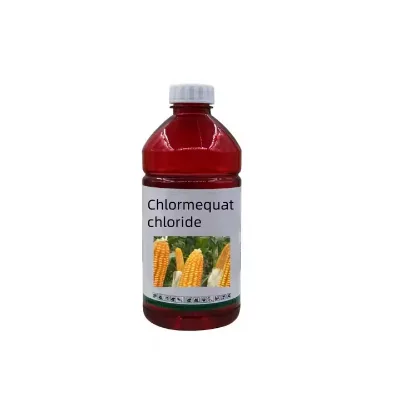
Solubility is a key technical parameter; the product is described as soluble in water, which facilitates its application in foliar sprays or soil drenches. However, liquid formulations exist with varying concentrations, such as 4% EC, 10% SP/B, and 20% SP/TB, as well as specific models like 50 SL. The packaging for these variations differs; powder forms are often supplied in 1kg aluminum foil bags or 25kg drums, while liquid forms may be packaged in 200-liter plastic or iron drums, with smaller options like 20L, 1L, and 250ml available for specific market needs. Buyers should verify the exact formulation standard, as some listings reference standards like 720G/L or 80%SP, which may indicate different active ingredient concentrations or carrier systems.
Compliance, Certification, and Regulatory Standards
In the B2B procurement of agricultural chemicals, verifying compliance and certification is paramount. Reputable suppliers in this sector often provide documentation indicating adherence to international quality management systems. Common certifications observed in the market include SGS, ISO9001, and BV. These certifications suggest that the manufacturing process undergoes rigorous third-party auditing for quality consistency and safety.
Regarding product standards, buyers must look for specific standard codes or purity declarations. Some listings specify a standard of 98%TC, while others reference complex numerical codes like 720, 550, or 810, which may correspond to specific regulatory approvals or internal quality benchmarks. The origin of the product is frequently listed as China, with specific provinces such as Anhui and Henan noted as production hubs. While the supply chain often originates from these regions, buyers should not assume that all products from these locations meet the same quality threshold without independent verification. The shelf life is typically stated as 2 years when stored correctly, which is a critical factor for inventory planning.
Cost Drivers and Procurement Economics
The cost structure of Chlormequat Chloride is influenced by several variables, including the formulation type, purity level, and packaging configuration. The observed price range in the market spans from 1 to 100 USD, though this broad range likely reflects differences between small sample quantities and bulk industrial shipments. The Minimum Order Quantity (MOQ) is equally variable, ranging from 1 unit to 1000 units, allowing flexibility for both research entities and large-scale agricultural operations.
Customization is a significant cost driver. Many suppliers offer customized packaging and labeling, which can impact the final unit price. The ability to customize the label and packaging format (e.g., switching from standard drums to specific bag sizes) adds value but may require a higher MOQ to be economically viable. Additionally, the lead time for delivery is a crucial economic factor. Some suppliers indicate a delivery window of within 7 days, which can reduce holding costs and improve supply chain responsiveness. However, buyers must balance the urgency of delivery against the potential cost premiums associated with expedited shipping or smaller batch sizes.
Typical Agricultural Applications and Usage Patterns
The application profile of Chlormequat Chloride is diverse, driven by its ability to modulate plant growth. The primary usage involves restraining the growth of stem leaf buds, which helps prevent plants from becoming too tall and prone to breaking under wind or rain. This is particularly valuable in cereal crops and ornamental plants. Beyond structural control, the product is used to increase the set of fruit and promote fruit maturity, ensuring a more uniform harvest.
In specific scenarios, the product is utilized to hasten rooting and improve the amino acid content of the plant, which can enhance nutritional value. It is also effective in blossom and fruit thinning, a process that reduces the number of fruits to improve the size and quality of the remaining crop. For cut-flower preservation, the growth inhibitor properties help extend the vase life of the flowers. Some formulations are also noted to increase lipid content and raise protein content, offering additional nutritional benefits for the final crop. However, buyers must be aware that some product listings attribute conflicting uses, such as promoting germination or breaking dormancy, which are typically associated with growth promoters like Gibberellins. Careful selection of the correct product model is required to ensure the intended physiological effect is achieved.
Supplier Evaluation and Quality Control Protocols
Evaluating a supplier for Chlormequat Chloride requires a multi-faceted approach that goes beyond price comparison. Buyers should prioritize suppliers who provide clear evidence of their manufacturing capabilities and quality control measures. The presence of certifications like SGS, ISO9001, and BV is a strong indicator of a reliable partner. However, these certifications should be verified for validity and scope, ensuring they cover the specific production of the requested formulation.
Quality control protocols should include verification of the product's physical and chemical properties against the provided specifications. For powder forms, the appearance should be a white crystal powder, and the solubility should be confirmed as water-soluble. Buyers should request batch-specific test results to confirm the content percentage, ensuring it matches the claimed 98% or 99% purity. Storage conditions are also a critical evaluation point; the product should be stored in a cool, dry place to maintain stability over its 2-year shelf life. Suppliers who offer customized packaging and labeling services demonstrate a higher level of flexibility and customer service, which is beneficial for branding and regulatory compliance in different markets.
Long-Term Procurement Considerations and Supply Chain Stability
Sourcing Chlormequat Chloride for long-term operations requires a strategic view of supply chain stability and scalability. The availability of customization options, such as tailored packaging sizes (1kg, 25kg, 200L) and private labeling, allows buyers to adapt to changing market demands without disrupting their supply chain. The origin of the product, often from regions like Anhui and Henan in China, suggests a mature industrial ecosystem, but buyers should monitor geopolitical and logistical factors that could affect lead times.
The lead time of within 7 days is a competitive advantage for suppliers, but it must be sustainable over the long term. Buyers should establish clear communication channels to manage inventory levels and anticipate potential delays. Furthermore, the variety of formulations available, from 98%TC to 50 SL, provides opportunities to optimize application methods based on local agricultural practices. As regulations regarding agricultural chemicals evolve, maintaining a relationship with suppliers who can provide updated compliance documentation and adapt their formulations to meet new standards will be essential. The ability to source both powder and liquid forms from a single supplier can simplify logistics and reduce the administrative burden of managing multiple vendors.
Summary of Key Product Attributes for Verification
To assist buyers in their due diligence, the following table summarizes the key attributes that should be verified during the sourcing process. This checklist ensures that the purchased product aligns with the specific technical and regulatory requirements of the buyer's operation.
| Attribute Category | Key Verification Points | Observed Data Range/Examples |
|---|---|---|
| Classification | Confirm "Growth Inhibitor" vs. "Growth Promoter" | Auxin, Gibberellin, Brassinosteroid, Growth Inhibitor |
| Formulation | Verify concentration and physical state | 98%TC, 50 SL, 4% EC, 10% SP/B, 20% SP/TB |
| Physical Properties | Check purity, appearance, and solubility | White Crystal Powder, 98-99% Content, Water Soluble |
| Packaging | Confirm size and material compatibility | 1kg/Bag, 25kg/Drum, 200L Drum, Customized |
| Certifications | Validate third-party quality audits | SGS, ISO9001, BV |
| Origin | Identify manufacturing location | China (Anhui, Henan) |
| Shelf Life | Ensure adequate storage duration | 2 Years |
| Lead Time | Assess delivery speed and reliability | Within 7 Days |
By adhering to these verification points and understanding the nuanced differences in product classifications and formulations, buyers can make informed decisions that ensure the efficacy and safety of their agricultural inputs. The market offers a wide range of options, but success lies in matching the specific technical requirements of the crop and the regulatory environment with the precise capabilities of the supplier.
FAQs
What is the primary function of Growth Inhibitor Chlormequat Chloride?
It primarily restrains the growth of stem leaf buds to prevent lodging. Additionally, it increases fruit set and promotes fruit maturity for better harvest uniformity.
Which physical forms are available for Growth Inhibitor Chlormequat Chloride?
The product is available as a white crystal powder or liquid formulation. Powder forms typically have 98% purity, while liquids come in concentrations like 50 SL.
Can suppliers offer customized packaging for Growth Inhibitor Chlormequat Chloride?
Yes, customization is available for packaging and labeling. Options include 1kg bags, 25kg drums, or 200L drums depending on the specific order requirements.
How long is the shelf life of Growth Inhibitor Chlormequat Chloride?
The shelf life is typically 2 years when stored correctly. Buyers must ensure the product is kept in a cool and dry place to maintain stability.
What certifications do suppliers of Growth Inhibitor Chlormequat Chloride hold?
Reputable suppliers often hold SGS, ISO9001, and BV certifications. These indicate adherence to international quality management systems for consistent product safety.
What is the lead time for delivery of Growth Inhibitor Chlormequat Chloride?
Some suppliers can deliver within 7 days of order confirmation. This fast turnaround helps reduce inventory holding costs for urgent agricultural needs.