Source GRS Certified Shoe Upper Film for Bags Shoes Furniture
Compare 30 listings of GRS Certified Shoe Upper Film from verified suppliers. Buyers can evaluate options for bags, shoes, and furniture based on material, thickness, and customization features.
Key considerations
Products List


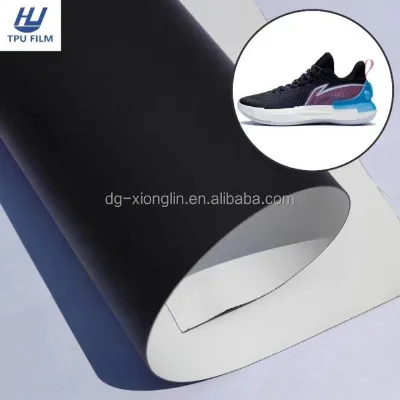
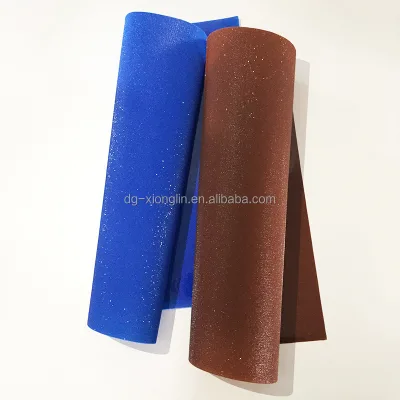
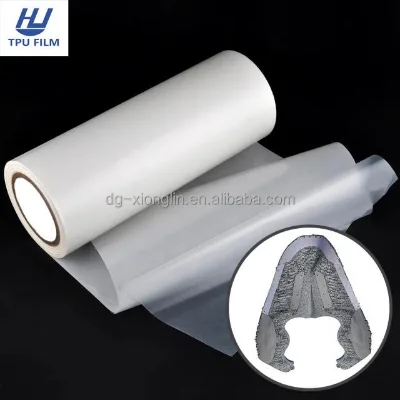
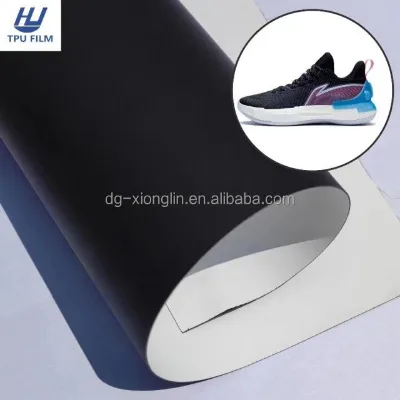
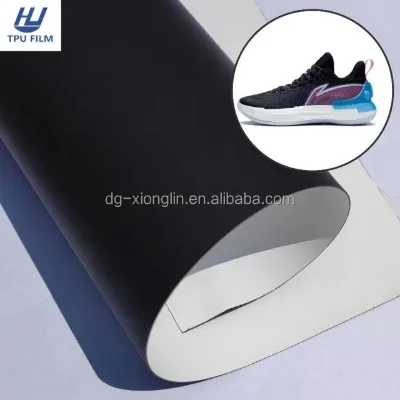
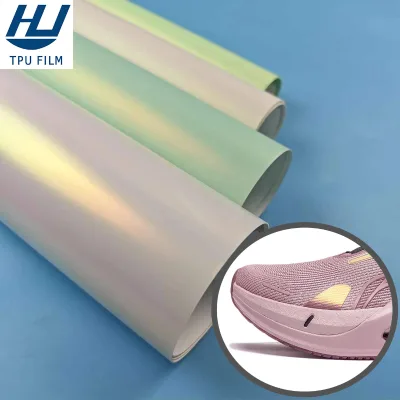
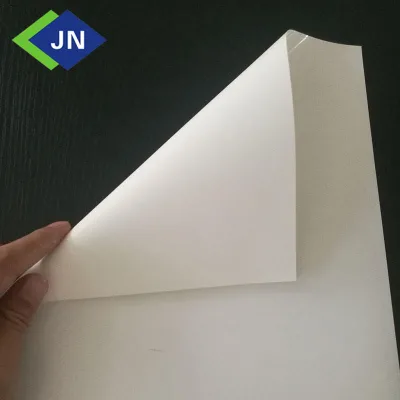
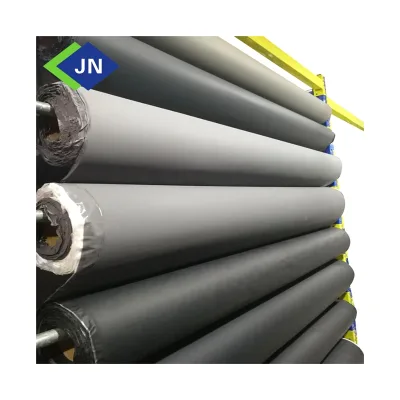
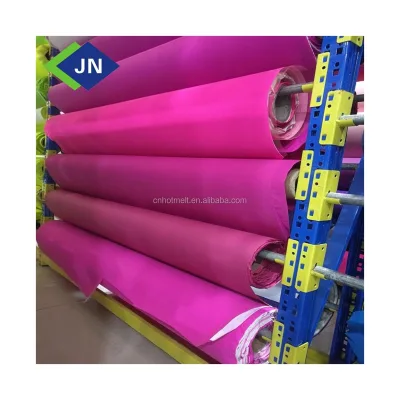
Shoe Upper Materials Colorful TPU Hot Melt Film for Shoe Upper Laminating
$0.50 - $0.70
MOQ: 500 Meters





Comprehensive Sourcing Guide
Strategic Sourcing Guide for GRS-Certified Shoe Upper Film
The global footwear industry is undergoing a significant transformation driven by sustainability mandates and the demand for high-performance materials. For procurement professionals seeking GRS-certified shoe upper film, the primary challenge lies in navigating a complex supply chain where material science, environmental compliance, and manufacturing capabilities intersect. This guide provides a structured approach to sourcing these specialized materials, focusing on technical specifications, verification of certification claims, cost structures, and quality assurance protocols. By adhering to evidence-based criteria, buyers can mitigate supply chain risks and ensure that their selected materials meet both functional and ethical standards.
Understanding Technical Specifications and Material Composition
When evaluating shoe upper films, the first step is to define the precise technical requirements that align with the intended footwear application. The core material for these films is often Thermoplastic Polyurethane (TPU), chosen for its durability, elasticity, and resistance to environmental factors. In the context of modern sourcing, TPU films are frequently engineered using dry process technology, which allows for the creation of films with specific hand-feel characteristics such as soft, smooth, and silky textures. These attributes are critical for consumer comfort, particularly in casual and sports shoe applications.
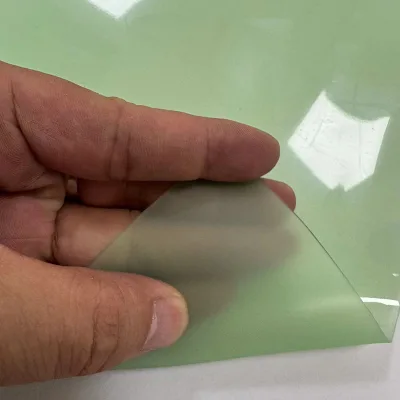
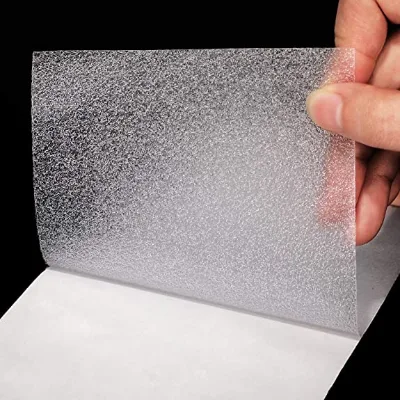
Buyers must scrutinize the physical dimensions and structural integrity of the film. Standard width specifications often range around 54 to 55 inches (approximately 1.37 meters), though custom widths may be available. Thickness is a variable parameter that dictates the film's application; ranges observed in the market typically span from 0.14mm to 0.50mm, with some specialized laminates extending up to 3.0mm. The transparency of the film is another key factor, with options ranging from fully transparent to opaque, often requiring customization to match specific brand colorways.
The following table outlines key technical parameters that should be verified during the initial screening of potential suppliers:
| Parameter | Typical Range/Observation | Verification Requirement |
|---|---|---|
| Base Material | TPU, Film | Confirm chemical composition and recyclability. |
| Width | 1.37m (54/55") | Verify if custom widths are supported. |
| Thickness | 0.14mm - 3.0mm | Request specific thickness tolerance data. |
| Hardness | Soft | Test for flexibility and abrasion resistance. |
| Surface Texture | Smooth, Silky, Soft | Evaluate hand-feel against brand standards. |
| Functionality | Waterproof, Anti-Mildew, Elastic | Require test reports for specific claims. |
It is essential to note that while "GRS Certified" is a specific certification status, the physical properties of the film itself (such as being waterproof or abrasion-resistant) are independent of the certification. A buyer must ensure that the supplier can provide the necessary physical performance data alongside the environmental documentation.
Navigating GRS Certification and Compliance Verification
The Global Recycled Standard (GRS) is a voluntary standard that addresses the increasing demand for recycled content in products. For a shoe upper film to be legitimately marketed as GRS-certified, the entire supply chain, from raw material sourcing to the final manufacturing facility, must undergo rigorous auditing. The certification verifies the recycled content percentage, ensures social and environmental responsibility in production, and tracks the chain of custody.
Procurement teams must treat the claim of GRS certification with a high degree of scrutiny. It is not sufficient for a supplier to simply state that they are certified; the buyer must request the current, valid certificate issued by an accredited third-party certification body. This certificate should explicitly list the scope of certification, the percentage of recycled content in the specific film product, and the validity dates.
Furthermore, the certification must cover the specific production facility where the film is manufactured. If a supplier sources raw TPU from one location and processes it in another, both facilities may need to be part of the certification scope, or the chain of custody must be meticulously documented. Buyers should verify that the supplier's certification covers the specific product model and material composition being purchased. For instance, if the film is a "Dry Process Technology" product, the certification must account for the specific manufacturing process used.
In addition to GRS, buyers should be aware of other potential regulatory requirements depending on the destination market. While FSC certification is sometimes mentioned in broader contexts regarding paper and wood products, it is not directly applicable to TPU films. However, compliance with REACH (Registration, Evaluation, Authorization and Restriction of Chemicals) in Europe or similar regulations in other regions regarding hazardous substances is often a prerequisite for footwear materials. The buyer must ensure that the supplier can provide a Declaration of Conformity or a test report confirming that the film is free from restricted substances.
Cost Drivers and Pricing Structures
The pricing of GRS-certified shoe upper film is influenced by several dynamic factors. The primary cost driver is the price of recycled raw materials, which fluctuates based on global oil prices and the availability of post-consumer or post-industrial waste. The "GRS" label itself adds a premium due to the administrative and auditing costs associated with maintaining the certification and the supply chain traceability.
Minimum Order Quantities (MOQ) play a significant role in the effective unit cost. Market observations indicate that MOQs can vary widely, ranging from as low as 50 meters for custom or sample orders to 500 meters or more for standard production runs. Suppliers may offer different pricing tiers based on volume, with larger orders yielding lower per-unit costs. Buyers should be prepared for a price range that reflects the complexity of the material; while some standard films may be priced accessibly, specialized eco-friendly films with custom colors or specific thicknesses will command higher prices.
Lead times also impact the total cost of procurement. Standard delivery windows often range from 14 to 21 days, but this can extend during peak seasons or if custom tooling is required. Rush orders typically incur additional fees. Additionally, the cost of samples, while often offered for free for quality checking, should be factored into the overall budget if multiple iterations are needed to finalize the specification.
Typical Applications and Functional Requirements
Shoe upper films serve diverse functions across the footwear industry, ranging from structural reinforcement to aesthetic enhancement. The versatility of TPU films allows them to be used in various applications, including shoe upper lamination, decorative elements, and even as a lining material. The specific application dictates the required performance characteristics.
For sports shoes, the film must exhibit high elasticity and abrasion resistance to withstand the rigors of athletic activity. In casual footwear, the focus may shift towards the hand-feel, with a preference for soft, silky textures that enhance comfort. The film is also utilized for logo applications, where it can be applied via heat transfer without sewing, offering a clean, seamless look. In this context, the film's ability to adhere at specific temperatures (e.g., 150-180 degrees on the top side) and within a short time frame (10-15 seconds) is critical for manufacturing efficiency.
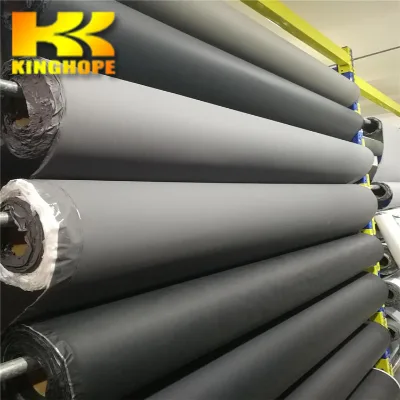
The application also influences the packaging and handling requirements. Films intended for delicate shoe components may require specialized packing, such as transparent film plus woven bags, to prevent damage during transit. For bulk orders, the standard packing might be 50 meters per roll, ensuring ease of handling on automated production lines. Buyers must align the film's physical properties with the specific end-use, ensuring that the material selected can withstand the intended environmental conditions, such as moisture or mildew, which are common concerns in footwear manufacturing.
Supplier Evaluation and Quality Assurance Protocols
Selecting the right supplier for GRS-certified materials requires a multi-faceted evaluation process. Beyond the initial verification of the GRS certificate, buyers should assess the supplier's technical capabilities and production consistency. The supplier should demonstrate proficiency in "Dry Process Technology" and possess the equipment necessary to produce films with consistent thickness and color accuracy.
Quality control should be a central part of the supplier evaluation. Buyers should request a comprehensive quality assurance plan that includes in-process checks and final inspection protocols. The supplier should be able to provide test results for key attributes such as tensile strength, elongation, and adhesion. For films claiming to be "Eco-Friendly" and "Elastic," specific test data should be available to substantiate these claims.
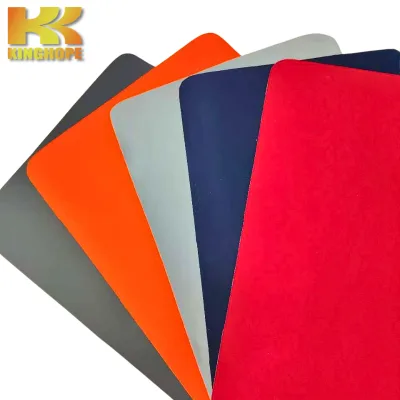
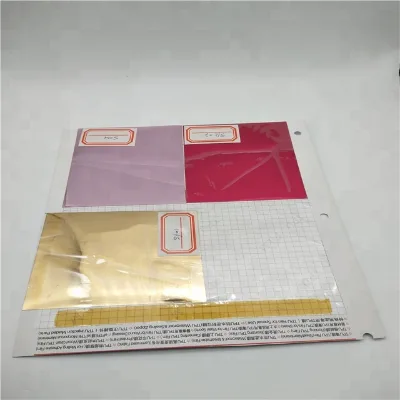
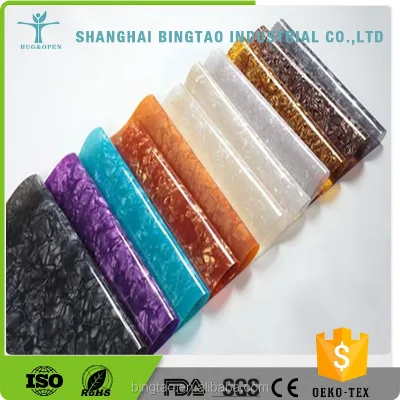
The supplier's ability to handle customization is another critical factor. Many shoe brands require specific colors, thicknesses, or surface finishes. A capable supplier should offer "Customization" services for color and potentially for the molding method, ensuring that the final product meets the brand's unique design requirements. The availability of free samples for quality checking is a positive indicator of a supplier's confidence in their product and their willingness to engage in a collaborative development process.
Buyers should also evaluate the supplier's logistical capabilities. The origin of the product, often cited as China (specifically regions like Fu Jian), can impact lead times and shipping costs. Understanding the supplier's production capacity and their ability to meet delivery deadlines is essential for maintaining a smooth supply chain. The standard delivery time of 14-21 days should be treated as a baseline, with contingency plans in place for potential delays.
Long-Term Procurement and Supply Chain Resilience
Establishing a long-term relationship with a supplier of GRS-certified shoe upper film requires a strategic approach to supply chain management. The market for sustainable materials is evolving rapidly, and suppliers must be agile enough to adapt to new regulations and consumer demands. Buyers should prioritize suppliers who demonstrate a commitment to continuous improvement in their sustainability practices and who are transparent about their supply chain operations.
Risk management is paramount. Diversifying the supplier base can help mitigate the risk of supply disruptions. While a single supplier may offer the best price or quality, relying on a single source for a critical material like GRS-certified film can be risky. Buyers should consider maintaining relationships with multiple suppliers who can meet the same technical and certification standards.
Furthermore, the long-term viability of the partnership depends on clear communication and shared goals. Buyers should establish regular review meetings to discuss performance metrics, quality issues, and future product development. This collaborative approach ensures that both parties are aligned on the evolving needs of the market and can respond effectively to changes in demand or regulation.
In conclusion, sourcing GRS-certified shoe upper film is a complex but rewarding endeavor that requires a deep understanding of technical specifications, rigorous certification verification, and strategic supplier evaluation. By focusing on these key areas, buyers can secure high-quality, sustainable materials that meet the demands of the modern footwear industry while maintaining the integrity of their brand and supply chain. The journey from specification to final product involves careful planning and continuous monitoring, but the result is a robust supply chain capable of delivering value in an increasingly competitive market.
FAQs
What is the typical width of GRS Certified Shoe Upper Film?
The typical width is 54 to 55 inches or 1.37 meters. This standard dimension accommodates most footwear production lines while allowing for custom width options upon request.
Can I get free samples for quality checking?
Yes, free samples are available for quality checking. Buyers can request these to verify the soft, silky hand feel and ensure the material meets specific durability standards before placing an order.
What is the minimum order quantity for this film?
The minimum order quantity is 50 meters for standard requests. Some specialized orders may require a higher MOQ of 500 meters depending on the specific customization and production requirements.
How long does delivery take for orders?
Delivery typically takes 14 to 21 days. This lead time covers production using dry process technology and packaging in transparent film plus woven bags or rolls.
Which thickness options are available for the film?
Available thickness ranges from 0.14mm to 3.0mm. Specific applications like shoe upper lamination often utilize films between 0.30mm and 0.50mm for optimal performance.
Can the color be customized for my brand?
Yes, color customization is available to match brand requirements. Suppliers offer mixed colors or specific OEM colors to suit the aesthetic needs of casual and sports shoe designs.
What features does the TPU film offer?
The film offers waterproof, anti-mildew, and elastic properties. It is also abrasion resistant and features a soft, smooth texture suitable for direct contact with skin in footwear.