Source GSM GPRS MCU Development Board for IoT, Server, Medical
Find a GSM GPRS MCU Development Board from 30 available listings. Buyers can compare specifications like the SIM800C module, Banana Pi M6 board, and four-channel options to select the right integrated circuit for IoT, server, or medical instrument applications.
Key considerations
Products List
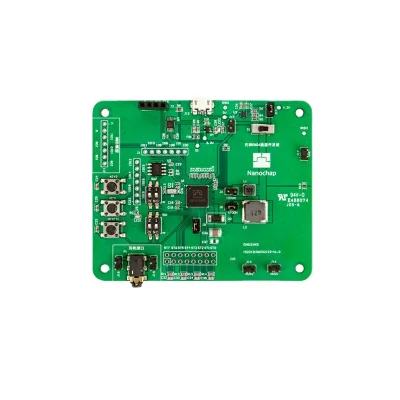
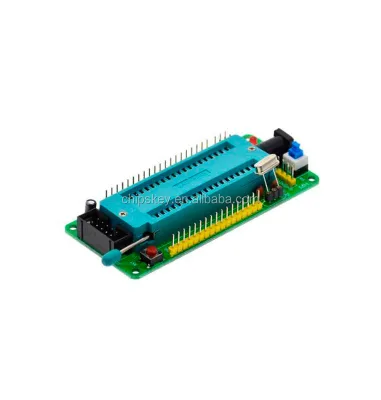
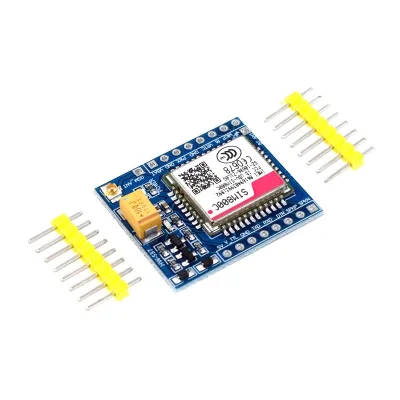


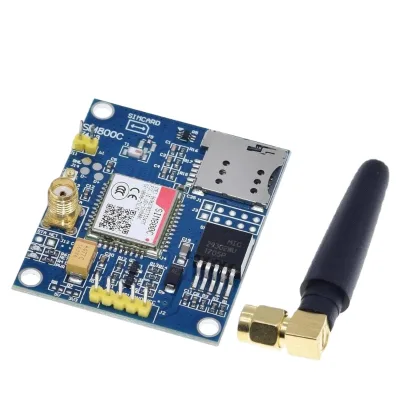


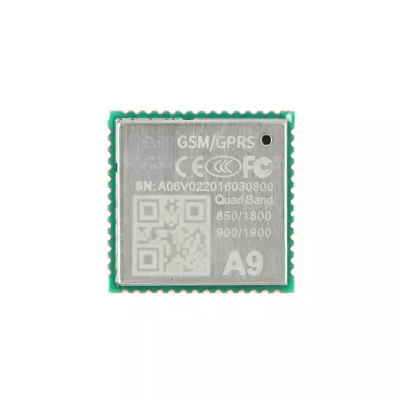
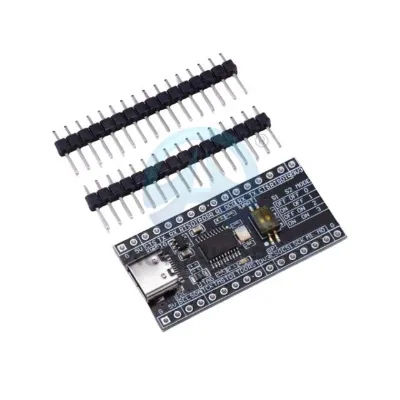
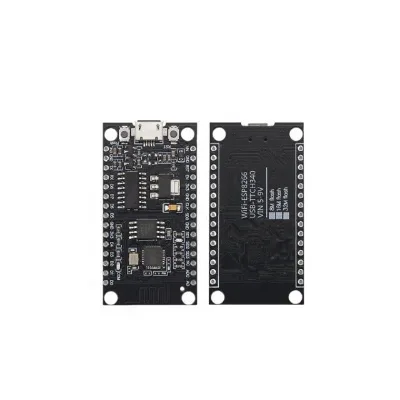
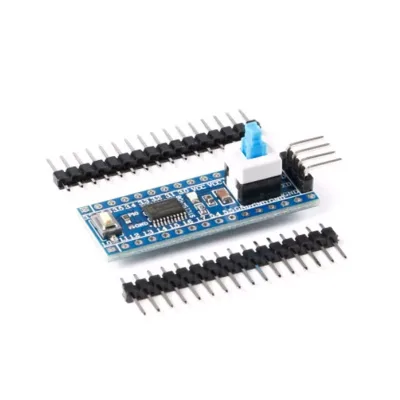
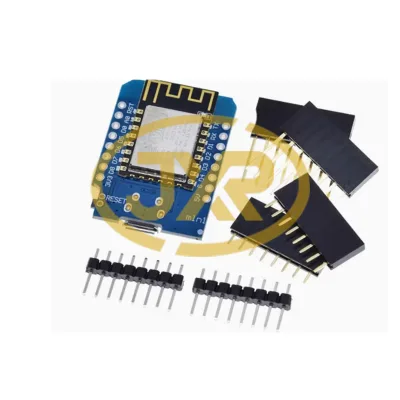
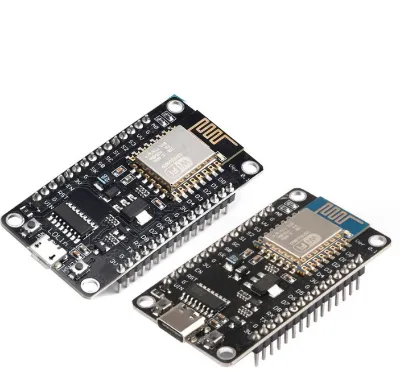

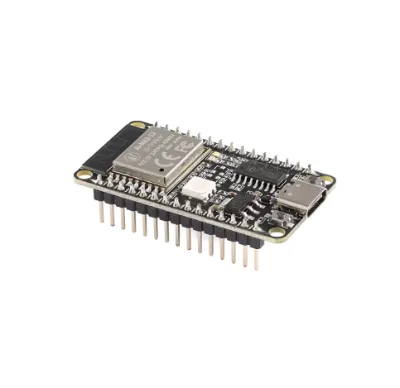
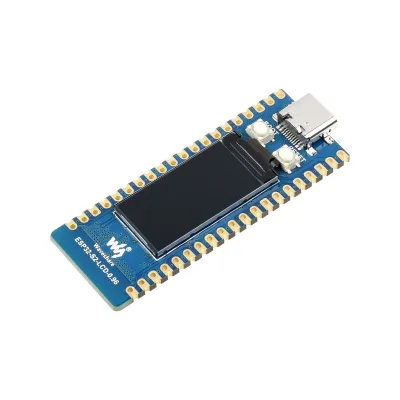


Comprehensive Sourcing Guide
Strategic Sourcing Guide for GSM/GPRS MCU Development Boards
Understanding the Technical Landscape of Development Boards
When sourcing a GSM/GPRS MCU development board, buyers must first distinguish between the core communication module and the host development environment. The market offers a variety of configurations, ranging from standalone communication modules to fully integrated development boards that include a microcontroller unit (MCU) alongside the cellular interface. Based on current product observations, the ecosystem includes specific integrated circuits designed for wireless data transmission, such as those utilizing the SIM800C chip architecture. These components are often packaged as single items or as part of a kit that includes necessary accessories for immediate prototyping.
The technical specifications of these boards vary significantly depending on the intended application. Some units are designed as four-channel development boards, offering multiple interfaces for connecting various sensors or actuators simultaneously. Others focus on specific cellular standards, supporting networks like GSM and GPRS for data transmission. The physical form factor is another critical technical parameter; boards may be rigid circuit boards with specific dimensions, such as 92mm by 62mm, or compact modules weighing as little as 48 grams. The internal architecture often involves a combination of materials, including copper bases and aluminum-covered copper foil layers, processed through electrolytic techniques to ensure signal integrity.
Buyers should also evaluate the processing capabilities if the board includes an on-board CPU. High-performance variants may feature specific processor models, such as the Vs680, paired with dedicated graphics processing units like the Imagination Ge9920 GPU. Memory configurations are equally important, with options ranging from 4GB of LPDDR4 RAM to 16GB of eMMC storage. Connectivity interfaces, such as the M.2 Key E standard supporting PCIe and MIPI CSI, are essential for modern applications requiring high-speed data transfer or camera integration. The power requirements for these systems typically center around a 5V3A input via a Type-C connector, ensuring compatibility with standard power supplies.
Compliance and Certification Verification Protocols
In the B2B procurement of electronic components, verifying compliance and certification is a non-negotiable step. While specific certification labels may not be explicitly listed for every item in a general catalog, buyers must insist on documentation that confirms adherence to international safety and electromagnetic compatibility standards. The origin of the product is a primary indicator of the regulatory framework under which it was manufactured. Many of these development boards originate from Guangdong, China, a major hub for electronics manufacturing. Buyers should verify that the manufacturing facility adheres to the relevant Chinese national standards and any international standards required for the destination market.
When evaluating a supplier, the "Brand Name" and "Original" status are critical indicators of authenticity. Products labeled as "100% New" and "Original" suggest that the components have not been refurbished or repackaged, which is vital for ensuring reliability. However, buyers must not assume that a "New" label automatically implies full regulatory compliance without supporting documentation. The presence of specific materials, such as metal composite materials for insulation or specific dielectric properties like SIC, should be cross-referenced with the manufacturer's datasheets to ensure they meet the environmental and safety requirements of the target application.
For medical or industrial applications, the verification of compliance becomes even more stringent. If a board is marketed for use in medical instruments, it must meet specific medical device regulations, which often require traceability of components and rigorous testing. Buyers should request certificates of conformity (CoC) and test reports that validate the board's performance against relevant standards. The absence of explicit certification data in a product listing should be treated as a red flag, prompting a direct inquiry to the supplier for proof of compliance.
Cost Drivers and Pricing Dynamics
The pricing of GSM/GPRS MCU development boards is influenced by a complex array of factors, including component costs, manufacturing complexity, and supply chain logistics. The observed price range in the market spans from $0.10 to $164.30, reflecting the vast diversity in product capabilities. At the lower end of the spectrum, prices often correspond to basic communication modules or single chips that require additional circuitry to function as a complete system. Conversely, higher-priced items typically represent fully integrated development boards with advanced processing capabilities, extensive memory, and comprehensive accessory kits.
Minimum Order Quantity (MOQ) is another significant driver of unit cost. Suppliers often set MOQs ranging from 1 to 50 units, with some specific items requiring a minimum of 10 pieces. Purchasing at or above the MOQ can significantly reduce the per-unit cost, making it a crucial consideration for procurement planning. Buyers should also factor in the "Selling Units" structure, which is often defined as a single item per transaction, to accurately calculate total acquisition costs.
Lead times also impact the overall cost of procurement. Standard lead times for these products are typically observed between 3 to 7 working days. However, expedited shipping or custom configurations may incur additional charges. Payment terms, such as T/T (Telegraphic Transfer), are standard in the industry and should be factored into the financial planning process. Buyers must balance the initial purchase price against the total cost of ownership, which includes potential costs for testing, integration, and long-term maintenance.
Typical Applications and Use Cases
The versatility of GSM/GPRS MCU development boards allows them to serve a wide range of applications across different industries. One of the primary use cases is in the realm of Internet of Things (IoT) devices, where these boards provide the necessary connectivity for remote monitoring and control. The support for Ethernet and wireless networks makes them ideal for applications requiring real-time data transmission over long distances.
In the medical sector, these boards are utilized in instruments that require reliable data communication. The specific mention of "Medical Instruments" as an application highlights the potential for these devices to be integrated into healthcare solutions that demand high reliability and data integrity. The use of robust materials and specific processing technologies ensures that these boards can withstand the rigorous demands of medical environments.
Beyond healthcare, these development boards are employed in server applications and data centers, where they facilitate the management of information content and data processing. The combination of high-speed interfaces and powerful processors enables them to handle complex tasks, such as video streaming or large-scale data analysis. Additionally, the "Four channel development board" configuration suggests utility in scenarios requiring multiple simultaneous inputs or outputs, such as industrial automation systems or smart home hubs.
Supplier Evaluation and Selection Criteria
Selecting the right supplier is a critical component of the procurement process. Buyers should prioritize suppliers who provide transparent and detailed product information. Key attributes to look for include clear specifications, accurate model numbers, and detailed descriptions of the product's condition and origin. The presence of specific identifiers, such as "SKU: 31042" or "Model Number: HW-537," indicates a level of organization and traceability that is essential for B2B transactions.
When evaluating suppliers, buyers should also consider the packaging and handling of the products. Items may be shipped in plastic bags, PP bags, or protective boxes, depending on the value and fragility of the item. Proper packaging ensures that the components arrive in pristine condition, minimizing the risk of damage during transit. The "prod_packing" and "prod_standard" details provided by the supplier can offer insights into their attention to detail and commitment to quality.
Furthermore, the supplier's ability to provide consistent lead times and reliable support is paramount. A supplier with a track record of meeting the 3-7 working day lead time expectation is more likely to be a reliable partner. Buyers should also assess the supplier's responsiveness to inquiries regarding technical specifications and compliance documentation. A supplier that is willing to provide detailed answers and support documentation is better positioned to meet the needs of a B2B buyer.
Quality Control and Long-Term Procurement Strategies
Implementing a robust quality control (QC) strategy is essential for ensuring the reliability of GSM/GPRS MCU development boards. Buyers should establish clear criteria for accepting products, including visual inspections, functional testing, and performance validation. The "Condition: New" and "100% New" attributes should be verified through physical inspection to ensure that the products have not been previously used or damaged.
For long-term procurement, buyers should focus on building relationships with suppliers who demonstrate a commitment to quality and consistency. This involves regular communication, periodic audits, and the establishment of clear quality standards. The use of standardized materials and processes, such as the "Electrolytic Foil" processing technology and "Metal Composite Materials" for insulation, should be verified to ensure they meet the required specifications.
Additionally, buyers should consider the scalability of their procurement strategy. As project requirements evolve, the ability to source larger quantities or more specialized components becomes increasingly important. Suppliers who can accommodate changes in order volume and provide consistent lead times are better suited for long-term partnerships. By maintaining a focus on quality and reliability, buyers can mitigate risks and ensure the successful deployment of their GSM/GPRS MCU development boards in various applications.
Comparative Analysis of Key Product Attributes
To facilitate informed decision-making, the following table compares key attributes of typical GSM/GPRS MCU development boards based on observed market data. This comparison highlights the diversity in specifications, materials, and configurations available to buyers.
| Attribute | Category A (Basic Module) | Category B (Integrated Board) | Category C (High-Performance) |
|---|---|---|---|
| Chipset | SIM800C | Custom MCU | Vs680 + Imagination Ge9920 |
| Memory | Standard RAM | 4GB LPDDR4 | 4GB LPDDR4 + 16GB eMMC |
| Interface | Basic Serial | Ethernet + Wireless | M.2 Key E (PCIe + MIPI) |
| Power | 5V3A Type-C | 5V3A Type-C | 5V3A Type-C |
| Dimensions | Compact | 92*62mm | 92*60mm |
| Weight | ~48g | ~48g | ~48g |
| Packaging | Plastic/PP Bag | Box | Box |
| Origin | Guangdong, China | Guangdong, China | Guangdong, China |
| Lead Time | 3-7 Days | 3-7 Days | 3-7 Days |
| MOQ | 1-10 pcs | 10 pcs | 10 pcs |
This comparison underscores the importance of matching specific project requirements with the appropriate product category. While basic modules may suffice for simple connectivity tasks, high-performance boards are necessary for applications requiring advanced processing and extensive memory. By carefully evaluating these attributes, buyers can make strategic sourcing decisions that align with their technical and operational needs.
FAQs
What is the minimum order quantity for these boards?
The minimum order quantity is typically 10 pieces for specific items like the SIM800C module. Other products may allow orders starting from 1 unit, so verify the specific SKU before purchasing.
Where are these development boards manufactured?
These boards originate from Guangdong, China, a major electronics manufacturing hub. The production location ensures access to established supply chains for components like the SIM800C chip and copper-based materials.
How long does it take to receive an order?
The standard lead time is 3 to 7 working days for most items. This duration applies to new, original products packaged in plastic or PP bags before shipment to the buyer.
What specifications does the Banana Pi M6 board have?
The Banana Pi M6 features a Vs680 CPU and 4GB LPDDR4 RAM with 16GB eMMC storage. It includes an M.2 Key E interface and measures 92 by 62 millimeters with a weight of 48 grams.
Can I find boards supporting Ethernet and wireless networks?
Yes, certain models support both Ethernet and wireless networks for data transmission. These boards are suitable for server applications and IoT devices requiring reliable connectivity for information content management.
What packaging options are available for these products?
Products are shipped in plastic bags, PP bags, or protective boxes depending on the item. The Banana Pi M6, for instance, comes in a box, while smaller modules often use plastic or PP packaging.